
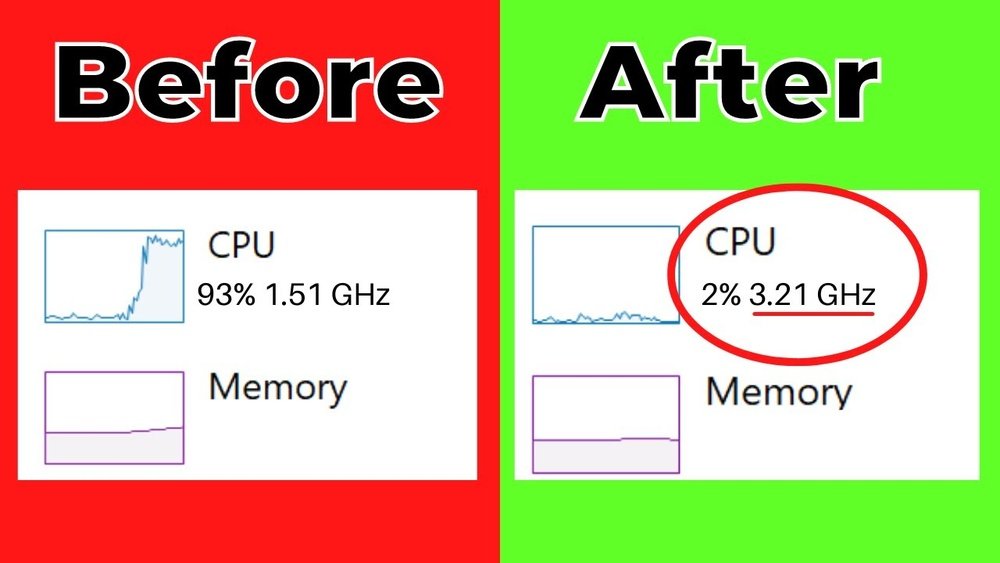
Is your computer feeling slow and unresponsive? You’re not alone.
When your CPU lags, everything you do—from browsing to gaming—can become frustrating. But what if you could boost your CPU speed without buying a new device? Imagine your computer running faster, smoother, and more efficiently with just a few simple steps.
You’ll discover practical ways to speed up your CPU and get the performance you deserve. Ready to unlock your computer’s true potential? Keep reading—you won’t want to miss these easy tips.
Check Current Cpu Performance
Checking your CPU’s current performance is the first step to improve its speed. It helps you understand how well your processor works now. This knowledge guides you to fix slowdowns and boost efficiency. Monitoring CPU performance also prevents overheating and hardware damage.
Use Built-in Monitoring Tools
Most computers come with tools to check CPU performance. On Windows, use Task Manager by pressing Ctrl + Shift + Esc. It shows CPU usage, speed, and processes using the most power. Mac users can open Activity Monitor from Utilities to see similar details. These tools give real-time data on your CPU’s health.
They help spot if your CPU runs at full capacity or stays idle. Watching these numbers tells you if your CPU needs help. No extra software is needed, making this step quick and easy.
Identify Performance Bottlenecks
Performance bottlenecks slow down your CPU and overall system. They can be caused by heavy programs, background tasks, or hardware limits. Use monitoring tools to find which apps use the most CPU power. Sometimes, a single program uses too much, causing slowdowns.
Look for high CPU usage lasting long periods. Also, check if your CPU temperature is too high. Overheating can cause the CPU to slow down automatically. Identifying these issues helps you decide what needs fixing or upgrading.

Credit: www.youtube.com
Optimize Software Settings
Optimizing software settings is a simple way to improve your CPU speed. It helps your computer run smoother and faster. By changing a few settings, you can reduce the load on your processor. This allows your CPU to focus on important tasks and work more efficiently.
Manage Startup Programs
Many programs start automatically when you turn on your computer. These programs use CPU power even if you don’t need them. Disable unnecessary startup programs to free up CPU resources. Open the Task Manager to see which apps run at startup. Turn off those that are not important. This change speeds up your computer’s boot time and boosts CPU performance.
Adjust Power Settings
Your computer’s power plan affects CPU speed. Most systems use balanced power mode by default. Switch to a high-performance power plan for better CPU speed. This setting lets your CPU run at full capacity. Keep in mind, this may use more energy. To change power settings, go to Control Panel or Settings. Choose the plan that gives your CPU more power.
Update Drivers And Bios
Outdated drivers and BIOS can slow down your CPU. Drivers help your hardware and software communicate. BIOS controls basic functions of your computer. Check for updates on your manufacturer’s website. Installing the latest updates fixes bugs and improves CPU efficiency. Make sure to follow instructions carefully during updates. Updated drivers and BIOS keep your CPU running at its best.
Improve Cooling Systems
Improving your CPU’s cooling system helps maintain faster speeds safely. A cooler CPU runs better and lasts longer. Overheating slows down your processor and causes errors. Focus on cleaning and upgrading your cooling setup for steady performance.
Clean Dust And Debris
Dust blocks airflow and traps heat inside your computer. Open your case and use compressed air to blow dust off fans and vents. Clean your CPU cooler and all filters carefully. Regular dust removal keeps your CPU cool and speeds up performance.
Upgrade Thermal Paste
Thermal paste transfers heat from the CPU to the cooler. Old or dried paste loses its effectiveness. Remove the old paste with alcohol and apply a fresh, thin layer. This simple step improves heat transfer and lowers CPU temperature.
Install Better Cooling Solutions
Stock coolers may not be enough for high CPU speeds. Consider upgrading to a larger air cooler or a liquid cooling system. Better cooling solutions reduce heat quickly and keep your CPU stable during heavy tasks.
Credit: www.cocosenor.com
Overclock Your Cpu
Overclocking your CPU can increase its speed beyond the factory settings. It helps your computer run faster and handle tasks better. This process needs care and attention to avoid damage. Understanding the basics and following proper steps is important for safe overclocking.
Understand Overclocking Basics
Overclocking means raising the CPU’s clock rate. This makes the processor work faster than usual. Each CPU has a safe limit for overclocking. Going beyond this limit can cause overheating or crashes. Not all CPUs overclock the same way. Check your CPU model and motherboard support before starting.
Use Reliable Software Tools
Software helps adjust CPU speed easily. Programs like Intel Extreme Tuning Utility or AMD Ryzen Master are good choices. These tools let you change clock speed and voltage. Use trusted software to avoid errors. Always update the software to the latest version for better performance.
Test Stability And Monitor Temperatures
After overclocking, test if the system is stable. Use stress test software like Prime95 or AIDA64. Watch for crashes or errors during tests. Monitor CPU temperature carefully. Keep it below 85°C to prevent damage. If temperatures rise too high, lower the overclock settings.
Upgrade Hardware Components
Upgrading your computer’s hardware is a reliable way to boost CPU speed. Some parts directly affect how fast your system runs. Changing or improving these parts helps your CPU work better and faster. This section explains key hardware upgrades that improve performance.
Add More Ram
RAM stores data your computer uses now. More RAM means your CPU can access more data quickly. This reduces waiting time and speeds up tasks. Upgrading RAM is often affordable and easy to do. It helps especially when running many programs at once.
Switch To Faster Storage
Storage speed affects how fast your CPU gets data. Old hard drives are slow and cause delays. Solid State Drives (SSD) work much faster than traditional drives. Switching to SSD improves boot time and app loading. Faster storage lets your CPU process tasks without lag.
Consider A New Cpu
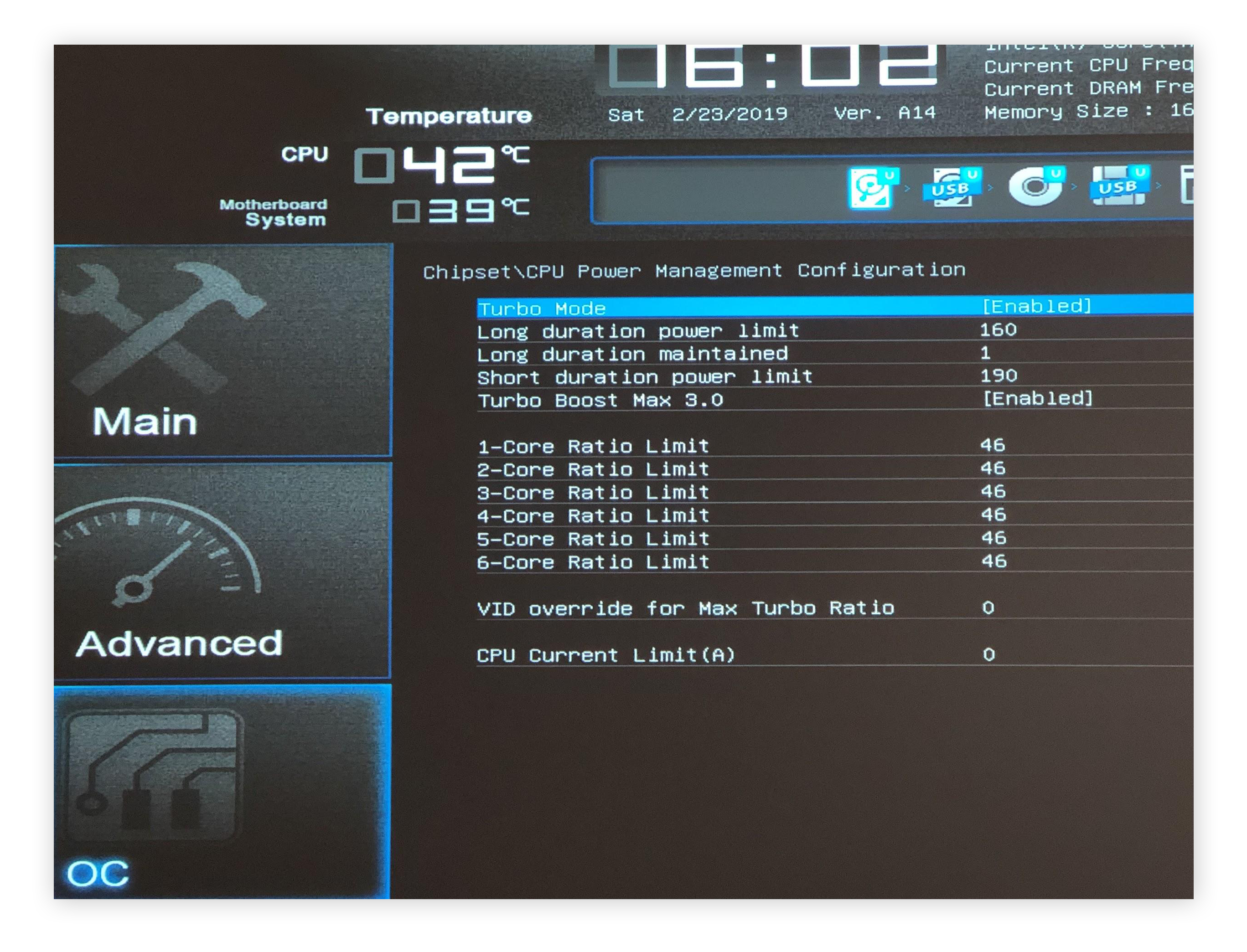
Sometimes, the CPU itself limits speed. Newer CPUs have better technology and more cores. Upgrading to a recent CPU boosts overall system speed. Check compatibility with your motherboard before buying. A stronger CPU handles tasks faster and smoother.
Credit: www.avast.com
Maintain System Health
Maintaining your system’s health is key to keeping your CPU running fast. A healthy system uses fewer resources and works more efficiently. This reduces slowdowns and keeps tasks smooth. Small actions can make a big difference in speed.
Regularly Scan For Malware
Malware can slow down your CPU significantly. It uses your computer’s power without permission. Run a malware scan often to find and remove threats. Use trusted antivirus software for best results. This keeps your system clean and speeds up your CPU.
Keep Operating System Updated
Updates fix bugs and improve system performance. They also protect your computer from new threats. Set your operating system to update automatically. These updates help your CPU work efficiently. A well-maintained OS ensures smooth and fast computing.
Clean Up Unnecessary Files
Old files and junk data take up space and slow down your system. Remove temporary files, cache, and unused programs regularly. This frees up storage and reduces CPU load. A clean system runs faster and more smoothly overall.
Frequently Asked Questions
How Can I Increase My Cpu Speed Safely?
You can increase CPU speed by optimizing system settings, cleaning dust from hardware, and updating drivers. Avoid risky overclocking without proper cooling to prevent damage.
Does Upgrading Ram Improve Cpu Performance?
Upgrading RAM helps your CPU run tasks faster by reducing memory bottlenecks. It won’t directly increase CPU speed but improves overall system responsiveness.
What Software Helps Boost Cpu Speed?
System optimization tools like CCleaner and MSI Afterburner can enhance CPU performance. They clear junk files and manage CPU settings efficiently.
Can Overheating Reduce Cpu Speed?
Yes, overheating causes thermal throttling, which slows CPU speed to prevent damage. Keep your CPU cool with proper ventilation and cleaning.
Conclusion
Boosting your CPU speed helps your computer run smoother and faster. Small steps like cleaning dust and closing unused apps make a big difference. Updating software also keeps your system efficient and secure. Avoid overheating by ensuring good airflow inside your PC case.
Remember, regular care extends your CPU’s life and improves performance. Try these tips to enjoy a better computing experience every day. Simple actions can lead to noticeable speed gains. Keep your device healthy and responsive with easy habits.
