
Want to keep a close eye on your CPU temperature while gaming or working on your PC? Knowing how hot your processor gets can help you prevent overheating and keep your system running smoothly.
If you use Nvidia’s Performance Overlay, you might be wondering how to add CPU temperature to it for real-time monitoring. This guide will show you exactly how to do that—step by step and without any confusing tech jargon. By the end, you’ll have a clear view of your CPU temp right alongside your GPU stats, so you can make smarter decisions to protect your computer and boost performance.
Keep reading to find out how easy it is!

Credit: www.youtube.com
Nvidia Performance Overlay Basics
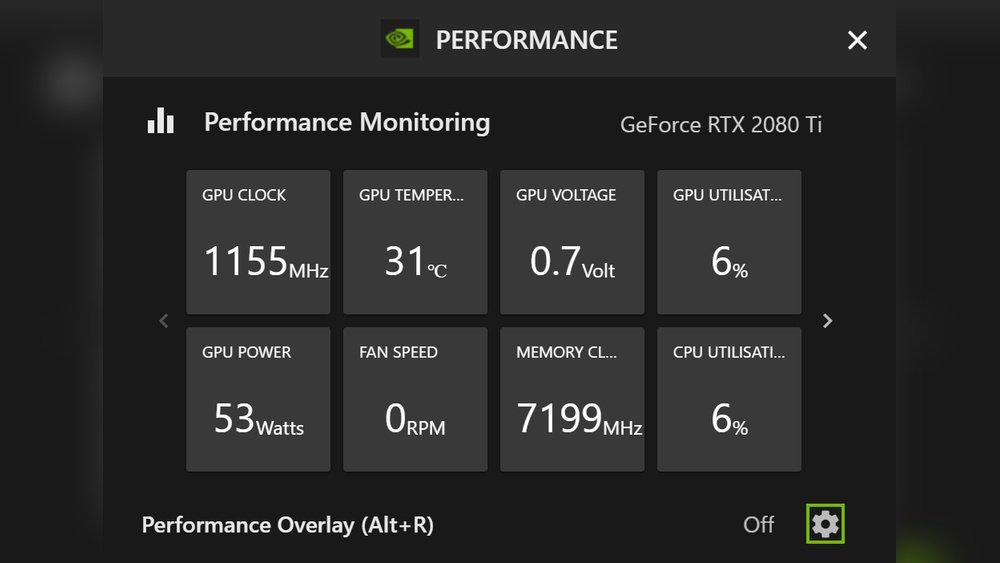
Nvidia Performance Overlay is a tool that shows important information about your graphics card. It appears on your screen while you play games or run apps. This overlay helps you watch how your system performs in real time. You can see details like frame rate and GPU usage without leaving the game.
Understanding the basics of Nvidia Performance Overlay makes it easier to use. It gives you quick access to key system data. This helps you keep your PC running smoothly and avoid overheating issues.
What Is Nvidia Performance Overlay
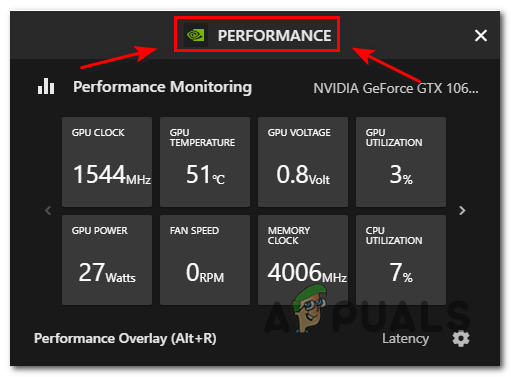
Nvidia Performance Overlay is a built-in feature in Nvidia’s GeForce Experience software. It displays live data about your GPU’s performance on the screen. The overlay shows information such as frame rate, GPU temperature, and power usage. It works while you play games or use graphics-heavy apps.
This tool runs quietly in the background. It does not slow down your computer or interrupt your work. The overlay is customizable, so you can choose which details appear on your screen.
Key Features And Benefits
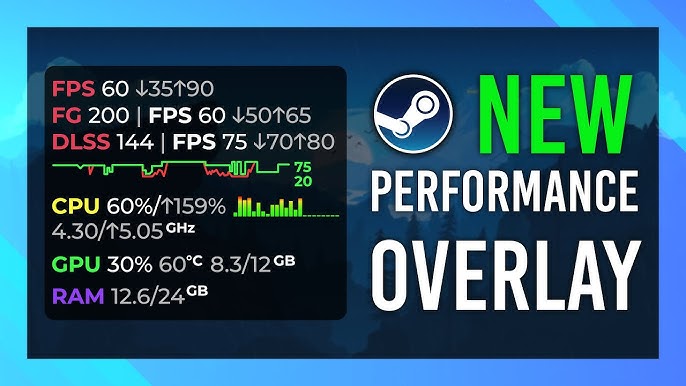
The overlay shows real-time data about your graphics card. It includes frame rate, GPU temperature, and GPU load. You can monitor your system’s health without leaving the game.
It helps detect overheating problems early. Watching your GPU temperature prevents damage from high heat. The overlay also lets you track performance drops or stutters.
Customizing the overlay is simple. You can turn on or off specific metrics. This makes the display clear and focused on what you want to see.
Credit: www.youtube.com
Checking Cpu Temperature
Checking your CPU temperature is important for your computer’s health. It helps you know if your CPU is running too hot. High temperatures can slow down your system or cause damage. Monitoring the CPU temperature keeps your PC safe and running smoothly.
Why Monitor Cpu Temp
CPU temperature shows how hard your processor is working. If it gets too hot, your computer may crash or freeze. Monitoring helps prevent overheating. It also helps you find cooling problems early. Keeping an eye on temperature improves your PC’s performance and lifespan.
Common Cpu Temperature Ranges
Normal CPU temperatures vary by model. At idle, 30-40°C is common. Under load, 60-80°C is usual. Temperatures above 90°C can cause issues. If it reaches 100°C, the CPU may shut down to protect itself. Watch these ranges to keep your computer safe.
Preparing Your System
Preparing your system is the first step to add CPU temperature to the Nvidia Performance Overlay. This ensures the overlay works smoothly and shows accurate data. Proper preparation avoids errors and improves your experience.
Two main tasks are essential: updating Nvidia drivers and enabling Nvidia GeForce Experience. These steps help your PC communicate well with the overlay tool. Follow each step carefully for best results.
Update Nvidia Drivers
Start by updating your Nvidia drivers. Outdated drivers may cause the overlay to malfunction. Visit the official Nvidia website or use GeForce Experience to check for updates. Download and install the latest driver version. Restart your PC after installation to apply changes.
Enable Nvidia Geforce Experience
Next, enable Nvidia GeForce Experience on your PC. This software manages the overlay and related features. Open the GeForce Experience app and sign in with your Nvidia account. Go to the settings menu and turn on the In-Game Overlay option. This activation lets you customize what the overlay shows, including CPU temperature.
Credit: www.sietesetenta.com.ar
Enabling Cpu Temp In Overlay
Enabling CPU temperature in the Nvidia Performance Overlay helps monitor your system’s health. It shows real-time data while you play or work. This feature lets you see if your CPU is running too hot. Keeping an eye on temperatures can prevent overheating issues.
Accessing Performance Overlay Settings
First, open the Nvidia GeForce Experience app on your PC. Click the gear icon in the top right corner. This opens the settings menu. Look for the “In-Game Overlay” option and toggle it on. Next, click the “Settings” button inside the overlay menu.
Adding Cpu Temperature Metric
In the overlay settings, find the “Performance” tab. Here, you see a list of metrics to track. Scroll down to find “CPU Temperature.” Check the box to enable this metric. Save your changes and close the menu. Your CPU temperature will now show in the overlay.
Troubleshooting Tips
Adding CPU temperature to the Nvidia Performance Overlay can help you monitor your system better. Sometimes, things do not work as expected. Troubleshooting tips can fix common problems quickly. This section covers two main issues users face.
Cpu Temp Not Showing
Check if your monitoring software supports CPU temperature display. Some programs need specific sensors or drivers. Update your hardware drivers to the latest version. Restart your PC after the update to apply changes. Make sure the overlay settings have CPU temperature enabled. Sometimes, the option is turned off by default. Also, check if your CPU has temperature sensors. Older CPUs might not support this feature.
Overlay Performance Issues
Overlay lag or freezing can occur due to high system load. Close unnecessary programs to free up resources. Update your Nvidia drivers to the latest version. Outdated drivers cause compatibility problems. Try lowering the overlay update rate to reduce CPU usage. Running the overlay with admin rights can improve performance. Lastly, ensure your Windows system is up to date for best results.
Alternative Monitoring Tools
Adding CPU temperature to the Nvidia Performance Overlay is helpful. Yet, some users want more detailed data. Alternative monitoring tools provide extra options for tracking CPU temps. These tools often work alongside Nvidia’s overlay or as standalone apps. They help you see real-time stats and improve your PC’s performance.
Third-party Cpu Temp Apps
Many third-party apps show CPU temperature clearly. Popular options include HWMonitor, Core Temp, and SpeedFan. These apps read data directly from your CPU sensors. They display temps in simple graphs and numbers. Some apps also track voltage, fan speed, and power use. You can set alerts for high temperatures. Most apps run quietly in the background.
Comparing Features And Usability
Each app offers different features and ease of use. Core Temp focuses on CPU temperature only. It is lightweight and easy to use. HWMonitor shows detailed info on many parts of your PC. It is great for advanced users. SpeedFan can control fan speeds along with temps. It may require more setup time. Pick the app that matches your needs and skill level.
Frequently Asked Questions
How Do I Enable Cpu Temp In Nvidia Performance Overlay?
Open Nvidia GeForce Experience, go to Settings > HUD Layout. Under Performance, toggle CPU Temperature to ON. This displays CPU temp in the overlay.
Can I Monitor Cpu Temperature Without Third-party Apps?
Yes, Nvidia Performance Overlay can show CPU temperature without extra software. Just enable it in the overlay settings.
Why Is Cpu Temperature Important During Gaming?
Monitoring CPU temp helps prevent overheating and throttling. It ensures stable performance and protects your hardware from damage.
Does Nvidia Performance Overlay Show Gpu And Cpu Temps?
Yes, it displays both GPU and CPU temperatures simultaneously. This helps track system health in real-time while gaming.
Conclusion
Adding CPU temperature to the Nvidia Performance Overlay is simple and useful. It helps you watch your system’s heat while gaming or working. Keeping an eye on CPU temp prevents overheating and keeps your PC safe. Follow the steps carefully, and you will get real-time data on your screen.
This small tweak makes your experience better and smoother. Try it today and enjoy better control over your hardware.
