
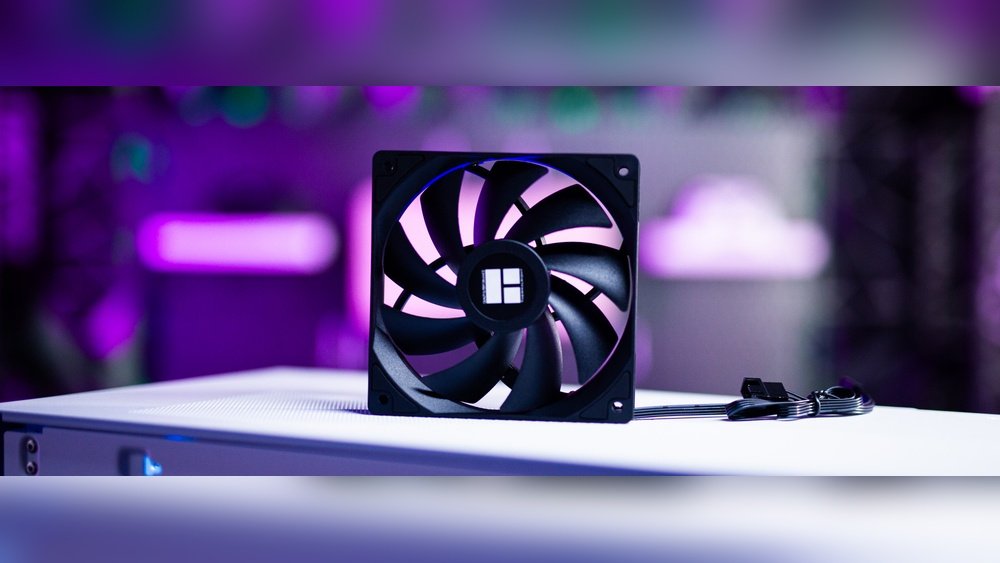
Have you ever wondered why your computer slows down when it gets hot? The secret often lies in your CPU cooler.
You might think it’s just a simple fan, but your CPU cooler plays a big role in how well your computer performs. When your processor stays cool, it can work faster and handle more tasks without freezing or crashing. If you want to get the most out of your PC, understanding how a CPU cooler affects performance is key.
Keep reading, and you’ll discover how this small but powerful component can make a huge difference in your computer’s speed and reliability.
Role Of Cpu Cooling
CPU cooling plays a key role in computer performance. It helps keep the processor at a safe temperature. Without proper cooling, the CPU can overheat and slow down. This affects how fast your computer runs and how long it lasts.
Good cooling allows the CPU to work at its best. It stops the processor from getting too hot during heavy tasks. This way, you get smoother performance and fewer crashes.
Heat Generation In Cpus
CPUs create heat as they process data. The more tasks they handle, the hotter they get. Small chips inside the CPU switch on and off quickly. This action creates energy that turns into heat. Without cooling, this heat builds up fast.
Heat can damage CPU parts if it stays too high. Cooling systems like fans or liquid coolers remove this heat. They help keep temperatures in a safe range. This keeps the CPU stable and working well.
Impact On Processor Lifespan
High temperatures reduce the life of a CPU. Heat causes wear and tear on the processor’s components. Over time, this can lead to failure or errors. Cooling lowers the temperature and protects the CPU.
With proper cooling, the CPU runs cooler and lasts longer. This means fewer repairs and better reliability. Good cooling helps you get the most out of your processor.
Credit: www.pugetsystems.com
Types Of Cpu Coolers
Choosing the right CPU cooler is key for keeping your processor at a safe temperature. Different coolers work in different ways. Each type has its strengths and fits various needs. Knowing these types helps you pick the best cooler for your system.
Air Coolers
Air coolers are the most common type. They use a fan and a heatsink to move heat away from the CPU. The fan blows air through the heatsink fins, which carry heat away from the chip. Air coolers are usually easy to install and cost less than other types. They work well for everyday use and moderate tasks.
Liquid Coolers
Liquid coolers use water or coolant to transfer heat. A pump moves the liquid through tubes to a radiator. Fans then cool the liquid before it returns to the CPU block. Liquid coolers often perform better than air coolers. They handle heavy workloads and keep temperatures low. These coolers are quieter but can be more expensive and complex to install.
Passive Cooling Solutions
Passive cooling uses no fans or pumps. It relies on large heatsinks that absorb and spread heat naturally. This method is silent and requires no power. Passive coolers work best with low-power CPUs or in quiet systems. They may struggle with high heat but offer simple, noise-free cooling.
Cooling And Performance
Cooling plays a key role in CPU performance. A CPU cooler controls the temperature of the processor. Lower temperatures help the CPU work faster and longer. Heat can slow down the CPU or cause damage. Good cooling keeps the system stable and efficient.
Without proper cooling, the CPU may reduce its speed to avoid overheating. This affects the overall performance of your computer. Understanding how cooling impacts performance helps you choose the right cooler.
Thermal Throttling Effects
Thermal throttling happens when the CPU gets too hot. The processor lowers its speed to cool down. This prevents damage but reduces performance. You may notice slower programs and lag. High temperatures cause the CPU to protect itself. A strong cooler stops thermal throttling by keeping temperatures low.
Maintaining Clock Speeds
Clock speed is how fast the CPU runs. Good cooling helps keep clock speeds steady. When temperatures are low, the CPU can run at higher speeds longer. This improves performance in tasks and games. A cooler that removes heat quickly supports better clock speed. Stable clock speeds mean smoother and faster computing.
Stability And Overclocking
Stability and overclocking are key factors in a computer’s performance. A CPU cooler plays a major role in maintaining both. It keeps the processor temperature low. This helps the system run smoothly without errors or crashes. Overclocking pushes the CPU beyond its normal limits. It needs extra cooling to stay stable.
Role In Overclocking
Overclocking increases the CPU’s speed and heat output. A good cooler removes this heat quickly. It helps the CPU work faster for longer times. Without proper cooling, the CPU may throttle down or shut off. This reduces the benefits of overclocking. Strong cooling allows safe performance boosts.
Preventing System Crashes
High temperatures can cause the system to crash. A cooler CPU means fewer crashes and freezes. It protects sensitive components from heat damage. Stable temperatures improve reliability during heavy tasks. Users experience fewer unexpected shutdowns. Cooling supports consistent and smooth operation.
Choosing The Right Cooler
Choosing the right CPU cooler is important for your computer’s performance. The cooler keeps the CPU at a safe temperature. This helps the CPU run faster and last longer. Picking the right one depends on many factors. Consider your CPU type, case size, and noise preference. The right cooler fits well and works quietly. This section explains how to choose the best cooler for your needs.
Compatibility Considerations
Check your CPU socket type before buying a cooler. Different CPUs need different mounting systems. Also, measure your PC case space. Some coolers are tall and may not fit in small cases. Look at the cooler’s height and width. Make sure it clears your RAM and other parts. Check if the cooler supports your CPU’s heat output. Stronger CPUs need coolers with better cooling power. Compatibility ensures the cooler works well with your system.
Noise Levels And Aesthetics
Coolers make sound when fans spin. Some are very quiet, others are loud. Quiet coolers help keep your workspace calm. Check the noise level in decibels before buying. Think about how much noise you can accept. Appearance matters for many users too. Coolers come in different colors and styles. Some have RGB lights for a cool look. Choose a cooler that looks good inside your PC. Balance noise and style for the best experience.
Installation Tips
Installing a CPU cooler correctly is key to its performance. Small mistakes during installation can cause poor cooling and high temperatures. Follow the right steps to ensure the cooler works well and keeps the CPU safe.
Thermal Paste Application
Thermal paste helps fill tiny gaps between the CPU and cooler. This improves heat transfer. Use a small pea-sized amount in the center of the CPU. Spread it evenly if needed. Too much paste can trap heat. Too little paste will not cool well.
Proper Mounting Techniques
Secure the cooler firmly on the CPU. Tighten screws evenly in a diagonal pattern. Avoid pressing too hard to prevent damage. Check that the cooler sits flat without gaps. A loose cooler causes poor heat contact. Proper mounting ensures better cooling and longer CPU life.
Monitoring And Maintenance
Keeping a CPU cooler in good shape is key to your computer’s performance. Monitoring its temperature and doing regular maintenance helps avoid problems. It keeps your system running smoothly and prevents overheating. This section explains simple steps for tracking temperature and cleaning your cooler.
Temperature Tracking Tools
Tools that track CPU temperature show how well your cooler works. These apps display real-time data in easy numbers or graphs. You can spot overheating early by watching these readings. Some popular tools include HWMonitor, Core Temp, and SpeedFan. They help you check if the cooler keeps the CPU below critical temperatures. Regular checks allow quick action before damage happens.
Cleaning And Upkeep
Dust and dirt reduce cooler efficiency. Fans slow down, and heat builds up inside your PC. Clean your cooler every few months to keep it efficient. Use compressed air to blow dust from fans and heat sinks. Avoid liquids that can damage parts. Check fan blades for stuck dust and clean gently. Keep air vents open and clear for good airflow. Simple cleaning extends cooler life and keeps temperatures low.
Credit: www.pugetsystems.com

Credit: www.youtube.com
Frequently Asked Questions
How Does A Cpu Cooler Improve Performance?
A CPU cooler keeps the processor temperature low. This prevents overheating and allows the CPU to run at optimal speeds. Cooler temperatures reduce thermal throttling, ensuring consistent performance during heavy tasks and gaming.
Can A Bad Cpu Cooler Damage My Cpu?
Yes, a poor or malfunctioning CPU cooler can cause overheating. Overheating leads to thermal throttling, reduced lifespan, or permanent CPU damage. Proper cooling is essential to protect your processor and maintain stable performance.
Does Upgrading A Cpu Cooler Boost Gaming Performance?
Upgrading a CPU cooler can improve gaming performance by preventing thermal throttling. Cooler CPUs maintain higher clock speeds, resulting in smoother gameplay and better frame rates. It also helps in overclocking safely for enhanced gaming power.
What Types Of Cpu Coolers Affect Performance Most?
Air coolers and liquid coolers are common. Liquid coolers generally provide better heat dissipation, offering superior performance. The choice depends on your CPU, case size, and cooling needs for optimal results.
Conclusion
A good CPU cooler keeps your processor running cool and fast. It stops overheating that can slow down your computer. Cooler temperatures help your CPU work better for longer. This means smoother performance during tasks and games. Choosing the right cooler is important for your PC’s health.
Don’t ignore the role it plays in overall speed. Remember, a cooler CPU means a happier, stronger computer. Simple but effective cooling makes a big difference. Your computer will thank you with steady and reliable performance.
