
Are you wondering if your motherboard really affects your GPU’s performance? You’re not alone.
Many people focus on the graphics card but overlook the role the motherboard plays. The truth is, your motherboard can either unlock your GPU’s full potential or hold it back without you even realizing it. Keep reading to discover how this crucial piece of your PC can impact your gaming, editing, or any graphic-heavy tasks.
Understanding this could save you money and boost your system’s power. Don’t miss out on what your motherboard means for your GPU!
Credit: battleforgepc.com
Motherboard And Gpu Compatibility
Choosing the right motherboard for your GPU is important. They must work well together to avoid problems. A good match improves performance and stability.
Some motherboards may not support certain GPUs fully. Knowing the key points helps you pick the right parts. This section explains what to check before buying.
Pcie Slots And Generations
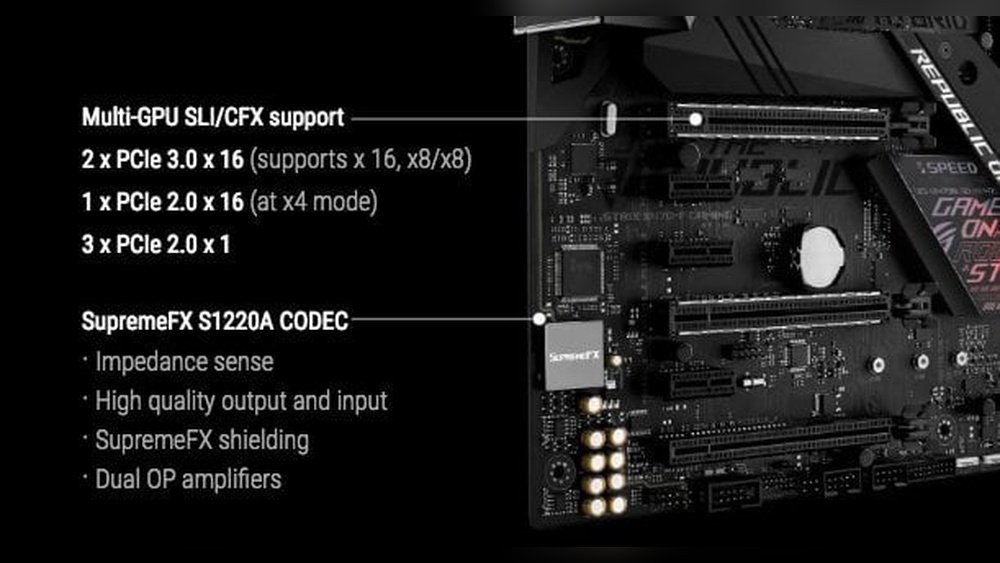
The GPU connects to the motherboard via PCIe slots. Most modern GPUs use PCIe x16 slots. These slots come in different versions called generations.
Newer generations offer faster data transfer speeds. A PCIe 4.0 slot is faster than PCIe 3.0, but GPUs still work on older slots. Speed differences may affect gaming and tasks.
Check your motherboard’s PCIe version to match your GPU. This ensures good performance without bottlenecks.
Physical Size And Clearance
GPUs come in various sizes. Some are long or have large coolers. The motherboard and case must have enough space to fit the GPU.
Measure the space around the PCIe slot on your motherboard. Check for any nearby components that might block the GPU. Also, verify your PC case can hold the card comfortably.
Ignoring size can cause installation problems or poor airflow, leading to overheating.
Power Delivery And Connectors
GPUs need power from the PSU and sometimes from the motherboard. Some rely on extra power connectors like 6-pin or 8-pin cables. Your motherboard must support these connections or work with your PSU.
Motherboards also affect power delivery quality. Better boards provide stable power, helping GPUs run smoothly. A weak power supply can cause crashes or damage components.
Check power connectors and compatibility before buying your GPU and motherboard.

Credit: www.reddit.com
Impact On Gpu Performance
The motherboard plays a key role in the performance of your GPU. It connects the graphics card to the rest of the computer. The quality and features of the motherboard can affect how well the GPU works. This section explains the main ways the motherboard impacts GPU performance.
Bandwidth Limitations
The motherboard controls the speed of data transfer to the GPU. PCIe slots on the motherboard have different speeds. A slower slot limits the data the GPU can receive. This reduces the GPU’s ability to process graphics quickly. Using a motherboard with the right PCIe version helps the GPU run at full speed.
Overclocking Potential
Some motherboards support overclocking better than others. Overclocking means running the GPU or CPU faster than normal. A good motherboard provides stable power and cooling for overclocking. This allows the GPU to perform better without crashing. A weak motherboard can cause instability during overclocking.
Thermal Management
Motherboards also affect heat control inside the PC. They offer options for fan connections and temperature monitoring. Proper cooling keeps the GPU from overheating. Overheating can slow down or damage the GPU. A motherboard with good thermal features helps maintain GPU performance.
Choosing The Right Motherboard
Picking the right motherboard is important for your GPU and overall PC build. It affects performance, compatibility, and future upgrades. A good motherboard supports your GPU and other parts well.
This choice depends on the chipset, upgrade options, and your budget. Each factor plays a role in how well your system runs and grows.
Chipset Considerations
The chipset controls how your CPU and GPU work together. Different chipsets support different features. Some offer better speed for data transfer. Others allow more PCIe lanes for multiple GPUs. Choose a chipset that matches your CPU and GPU needs. This ensures smooth communication and good performance.
Future Upgrade Paths
Think about upgrades before buying. A motherboard with extra slots lets you add more parts later. It may have more RAM slots or support newer GPUs. This saves money and effort in the future. Pick a board that fits your upgrade plans. Avoid boards that limit your growth.
Budget Vs Features
Balance your budget with the features you want. Expensive boards offer more ports and better build quality. Cheaper boards may lack some features but still work fine. Decide which features matter most for your GPU and system. Spend wisely to get the best value without overspending.
Common Myths About Motherboards And Gpus
Many people have wrong ideas about motherboards and GPUs. These myths can cause confusion when building or upgrading a PC. Knowing the facts helps you make better choices. This section clears up common misunderstandings.
Does More Pcie Lanes Always Mean Better Performance?
More PCIe lanes do not always improve GPU speed. Most modern GPUs run well on x16 or even x8 lanes. The difference in gaming or tasks is often very small. Extra lanes matter only in special setups, like multiple GPUs or heavy data use.
Is Older Motherboard A Bottleneck?
Older motherboards can limit GPU performance but not always. If the PCIe version is much older, it might slow data transfer. Still, many GPUs work fine on older boards. The CPU and RAM often cause bigger slowdowns than the motherboard.
Impact Of Ram And Cpu On Gpu
RAM and CPU affect GPU performance a lot. A weak CPU can stop the GPU from working fully. Low RAM also slows the whole system. Balancing these parts is key for smooth and fast graphics.
Troubleshooting Gpu Issues Related To Motherboards
Troubleshooting GPU issues related to motherboards requires careful checks. The motherboard plays a key role in how the GPU performs. Problems may arise from compatibility, BIOS settings, or power supply.
Knowing how to identify and fix these issues can save time and improve system stability. Below are common steps to diagnose and solve GPU problems linked to motherboards.
Detecting Compatibility Problems
Start by verifying if the motherboard supports the GPU model. Check the PCIe slot version and size. Some GPUs need PCIe 3.0 or 4.0 slots. Older boards may limit GPU performance or fail to detect it.
Look for BIOS or chipset compatibility notes from the motherboard maker. Incompatible hardware can cause crashes, artifacts, or the GPU not showing in the system.
Bios Updates And Settings
Outdated BIOS can cause GPU detection errors. Visit the motherboard’s website for the latest BIOS version. Follow instructions carefully when updating.
Adjust BIOS settings related to PCIe speed or graphics options. Enable or disable features like “Above 4G Decoding” if needed. Reset BIOS to default if unsure.
Ensuring Stable Power Supply
Check the power connectors from the PSU to the GPU. Loose or missing cables cause instability. Use the recommended PSU wattage for the GPU.
Motherboards also supply power to the GPU through the PCIe slot. Faulty motherboard power delivery can cause crashes or throttling. Test with a different PSU or motherboard to isolate the issue.
Credit: www.xda-developers.com
Frequently Asked Questions
Does Motherboard Affect Gpu Performance?
Yes, the motherboard affects GPU performance by providing the PCIe slot version and bandwidth. A newer motherboard with PCIe 4. 0 or 5. 0 offers better data transfer speeds. This can improve GPU efficiency, especially with high-end graphics cards.
Can Any Motherboard Support Modern Gpus?
Most modern motherboards support current GPUs through PCIe slots. However, compatibility depends on slot type, size, and power connectors. Always check the GPU and motherboard specifications to ensure proper fit and function.
How Does Pcie Version Impact Gpu Speed?
PCIe version impacts GPU speed by determining data transfer rates. Newer PCIe versions like 4. 0 or 5. 0 double the bandwidth compared to older versions. This results in faster communication between the GPU and CPU, enhancing gaming and rendering performance.
Is Motherboard Power Delivery Important For Gpus?
Yes, motherboard power delivery is crucial for GPU stability. A strong VRM system ensures consistent power to the GPU. This prevents crashes and allows better overclocking potential for improved graphics performance.
Conclusion
Choosing the right motherboard affects your GPU’s performance. A compatible motherboard ensures smooth communication. It supports the GPU’s speed and features well. Poor compatibility can slow down your system. Always check the motherboard’s slots and chipset. This helps avoid bottlenecks and errors.
A good match keeps your PC stable and fast. So, don’t ignore the motherboard when upgrading your GPU. It matters for a balanced and efficient build.
