
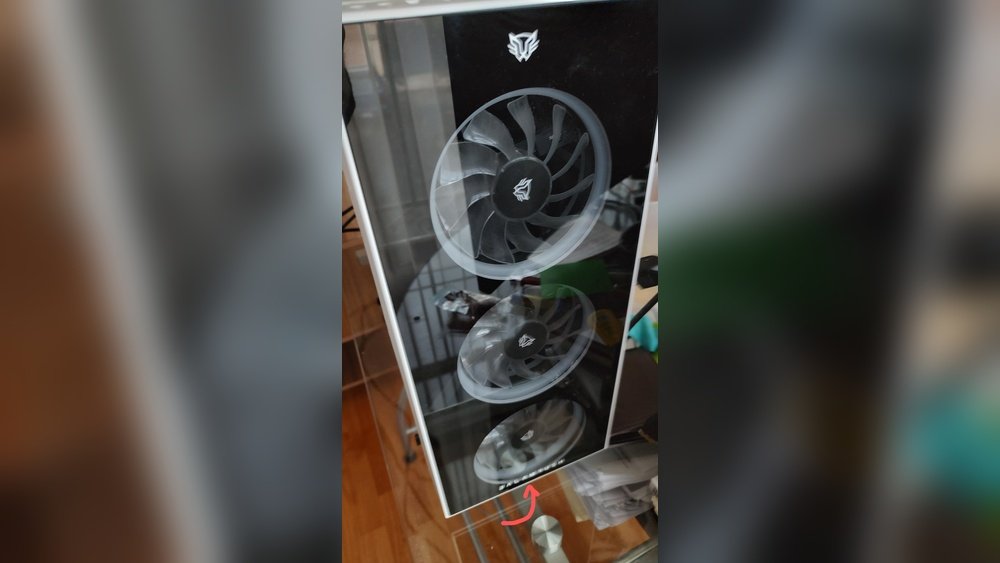
Have you ever wondered if the glass case on your computer or device could be making it hotter? You might think a sleek glass design looks great, but what about the heat inside?
Your device’s cooling system works hard to keep things running smoothly, and even small changes can make a big difference. You’ll discover how a glass case can impact your device’s temperature and what you can do to keep it cool and performing at its best.
Keep reading—you might be surprised by what you learn!
How Glass Cases Impact Cooling
Glass cases look stylish and modern. Many PC builders like them for their clear view inside. But glass can change how well your computer cools. Understanding this helps you choose the right case.
Glass cases do not cool as fast as metal cases. They keep heat inside more. This can make your PC warmer if airflow is not good. Let’s explore why glass affects cooling.
Material Properties Of Glass
Glass is heavier and thicker than metal. It does not spread heat well. Metal cases move heat from inside to outside quickly. Glass traps heat instead. This can raise the temperature inside your PC.
Glass is also more fragile than metal. This limits how much ventilation you can add. Builders must design cases carefully to avoid damage and keep cooling strong.
Heat Retention Characteristics
Glass holds heat longer than metal. This means heat stays inside your case. The heat can build up if fans do not move air fast enough. This can lower your PC’s performance.
Heat retention is a big factor in cooling. Cases with glass need strong fans and good airflow paths. This helps push hot air out quickly.
Airflow Restrictions
Glass panels often cover large parts of the case. This limits where air can enter or exit. Metal cases usually have more holes or mesh for airflow. Glass cases need extra vents or fans.
Poor airflow means hot air stays around your parts. This can cause overheating. Good airflow design is key to cooling in glass cases.

Credit: www.ebay.com
Comparing Glass Cases To Other Materials
Choosing the right case material affects your computer’s cooling. Glass cases look nice but differ from metal and plastic in how they handle heat. This section compares glass with metal and plastic cases. It explains their cooling properties and what each offers.
Metal Cases And Heat Dissipation
Metal cases are good at moving heat away from components. Metal conducts heat quickly, helping to lower temperatures inside. This reduces the risk of overheating parts. Many metal cases have vents and fans to push hot air out. They keep the system cooler in tight spaces.
Plastic Cases And Ventilation
Plastic cases do not conduct heat well. They rely mostly on airflow to cool the system. Many plastic cases have large vents to allow fresh air in. Fans work hard to move air through these vents. The cooling depends on how well air moves inside the case.
Pros And Cons Of Each Material
Glass cases show off your PC parts clearly. They look stylish but trap heat more than metal. Heat builds up unless fans are strong and well placed. Metal cases cool better but can be heavier and cost more. Plastic cases are light and cheap but may overheat if airflow is poor. Choose based on your cooling needs and style preferences.
Common Cooling Challenges In Glass Cases
Glass cases look great and show off your PC parts. But they bring some cooling challenges. These can affect how well your computer stays cool. Knowing these problems helps you keep your PC safe and running well.
Limited Ventilation Options
Glass cases often have fewer vents than metal ones. This limits airflow inside the case. Less airflow means hot air stays trapped. It can make it harder for fans to move air through the case. The result is a warmer inside temperature.
Increased Internal Temperatures
Glass does not let heat escape easily. It traps heat inside the case. This can raise the temperature around your components. Higher temperatures can reduce performance and shorten hardware life. Cooling parts need more effort in glass cases.
Dust Accumulation And Maintenance
Glass cases show dust more clearly than metal cases. Dust can block fans and vents. This reduces airflow and increases heat. Cleaning is important but can take more time. Regular dusting keeps the cooling system working well.
Effective Cooling Solutions For Glass Cases
Glass cases look great but can cause heat to build up inside. This can reduce your computer’s performance and lifespan. Effective cooling solutions help keep temperatures low. They improve airflow and reduce heat trapped by glass panels. Using the right cooling methods can make a big difference.
Optimizing Airflow Design
Good airflow moves hot air out and brings cool air in. Plan your case layout to avoid air blockages. Use vents and mesh panels to help air pass through. Position fans to create a clear path for air. This design keeps components cool and stable.
Using High-performance Fans
High-quality fans move more air quietly. Choose fans with good airflow (CFM) and low noise levels. Place intake fans at the front and exhaust fans at the back or top. Balanced fan placement improves air circulation inside glass cases.
Liquid Cooling Systems
Liquid cooling uses water to absorb and move heat away. It is more efficient than air cooling alone. Install radiators where air can flow freely. Liquid cooling lowers temperatures and reduces noise. It suits high-performance computers in glass cases well.
Real-world Performance Tests
Real-world performance tests help show how glass cases affect computer cooling. These tests measure temperature, noise, and long-term effects on parts. They use real computers under normal use. Results give clear facts about glass cases and cooling.
Temperature Comparisons
Tests show glass cases often have higher inside temperatures. Glass traps heat more than metal or mesh cases. CPUs and GPUs run warmer by a few degrees. This rise can be small but noticeable during heavy use. Proper fan setup can reduce this heat difference.
Noise Levels
Glass cases can sound louder. Fans may spin faster to cool warmer air. This creates more noise than cases with better airflow. Some users find this noise distracting. Quiet fans and sound-dampening materials help lower noise levels.
Long-term Effects On Components
Higher temperatures can shorten component life over years. Heat speeds wear on CPUs, GPUs, and other parts. Good cooling is key to protect hardware. Glass cases need careful airflow to avoid damage. Regular cleaning also helps keep parts safe.
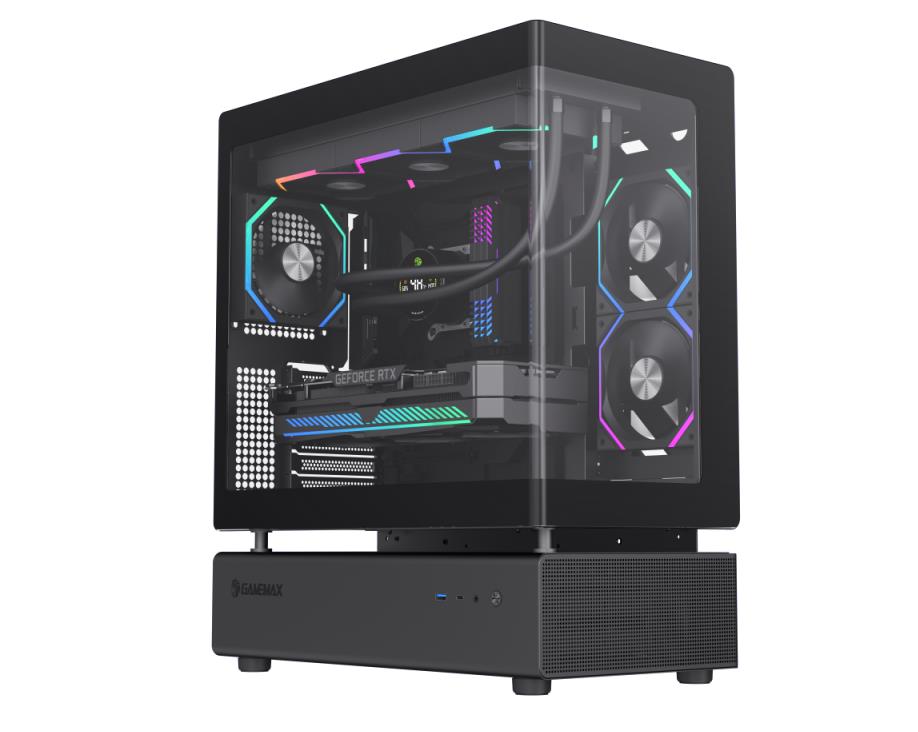
Credit: gamemaxpc.com
Choosing The Right Case For Your Needs
Choosing the right case for your computer is important. It affects how your PC looks and how well it cools. A good case keeps your parts safe and helps air flow. This helps stop your computer from getting too hot. Think about what you need before buying a case. This helps you pick the best one for your setup.
Balancing Aesthetics And Cooling
Many cases have glass panels to show off your parts. They look nice and modern. Glass can make your PC look clean and bright. But glass can also block air flow more than mesh or open designs. Good air flow is key for keeping parts cool. Choose a case that looks good but still lets air move well. Some glass cases have vents or fans to help air flow.
Budget Considerations
Cases come in many price ranges. Glass cases tend to cost more than simple metal or plastic ones. Think about how much you want to spend. A cheaper case might not cool as well but can still work fine. Spending more might give you better cooling and looks. Find a balance between cost and features you want.
Future Upgrade Potential
Plan for future upgrades when picking a case. Make sure it has enough space for new parts. More fans or bigger coolers might be needed later. Some cases allow easy changes and better cooling options. A flexible case helps keep your PC cool as you upgrade parts. This saves money and hassle in the long run.

Credit: www.gilgharda.com
Frequently Asked Questions
Does A Glass Case Reduce Pc Cooling Efficiency?
A glass case can slightly reduce airflow compared to mesh cases. It traps more heat inside, affecting cooling performance. Proper fan placement and ventilation can mitigate this effect and maintain good cooling.
How Does Glass Case Affect Airflow Inside Pc?
Glass cases usually have fewer ventilation holes, limiting airflow. This restriction can cause higher internal temperatures. Using additional fans and maintaining clean filters improves air circulation and lowers heat buildup.
Can Glass Cases Cause Higher Cpu Temperatures?
Yes, glass cases can cause CPU temperatures to rise. Limited airflow and heat buildup inside the case affect CPU cooling. Efficient cooling solutions and optimized fan setups help manage CPU temperatures effectively.
Are Glass Cases Noisier Due To Cooling Fans?
Glass cases can be noisier if fans work harder to cool components. Reduced airflow leads to increased fan speeds and noise. Using quiet fans and proper fan curves minimizes noise levels while maintaining cooling.
Conclusion
Glass cases can affect your device’s cooling but not always badly. They may trap some heat, slowing airflow slightly. Still, good design and fans help keep temperatures low. Choosing a case with vents or extra fans makes a big difference.
Cooling depends on many factors, not just the glass panel. Think about your setup and airflow needs carefully. Keep your system clean and well-ventilated for best results. Cooling can work well even with glass cases. It all comes down to smart choices and proper care.
