
Are you wondering if an AMD GPU works better with an AMD CPU? If you want the best performance from your computer, this is an important question.
Choosing the right combination can affect how fast your games run, how smooth your videos play, and how well your system handles heavy tasks. You’ll discover the truth behind mixing AMD components and whether sticking to the same brand really makes a difference.
Keep reading to find out how to get the most from your hardware and make smarter choices for your setup.

Credit: softwareg.com.au
Amd Ecosystem Compatibility
The AMD ecosystem offers a unique experience by combining its CPUs and GPUs. This pairing aims to provide smooth performance and better compatibility. Using AMD CPU with AMD GPU may bring benefits beyond just brand matching. Understanding how these parts work together helps to see if they really perform better as a team.
Chipset And Architecture Synergy
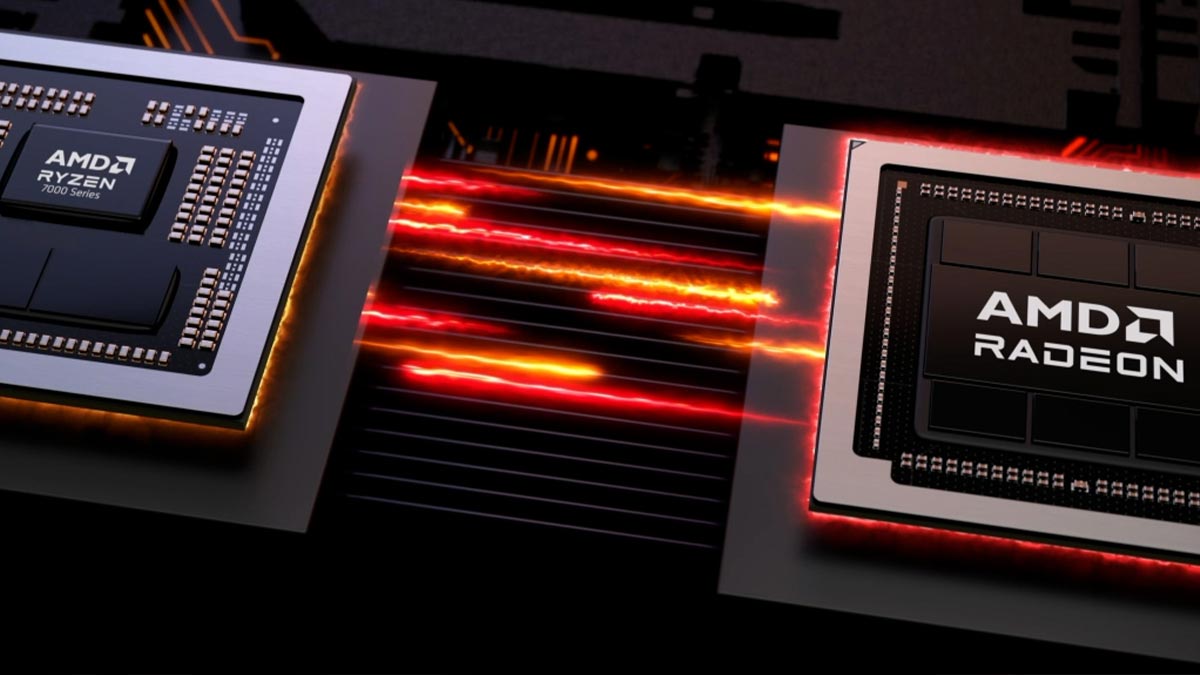
AMD designs its chipsets to support its processors and graphics cards well. The architecture of AMD CPUs and GPUs often share similar technology. This can lead to improved communication between the two parts. Faster data transfer and lower delays are possible. The synergy helps in tasks that need both CPU and GPU power.
Driver Optimization Benefits
AMD works on drivers that support both its CPUs and GPUs efficiently. Drivers control how hardware and software interact. When AMD creates drivers with both parts in mind, the system runs smoother. Updates can fix bugs and improve performance for AMD users. This can mean better stability and fewer crashes.
Software Integration Advantages
AMD offers software tools that work best with its hardware. Programs like Radeon Software help manage GPU settings easily. Some AMD features require both AMD CPU and GPU to work fully. This integration allows features like smart access memory to boost performance. Software integration makes the user experience more seamless.
Credit: www.reddit.com
Performance Benchmarks
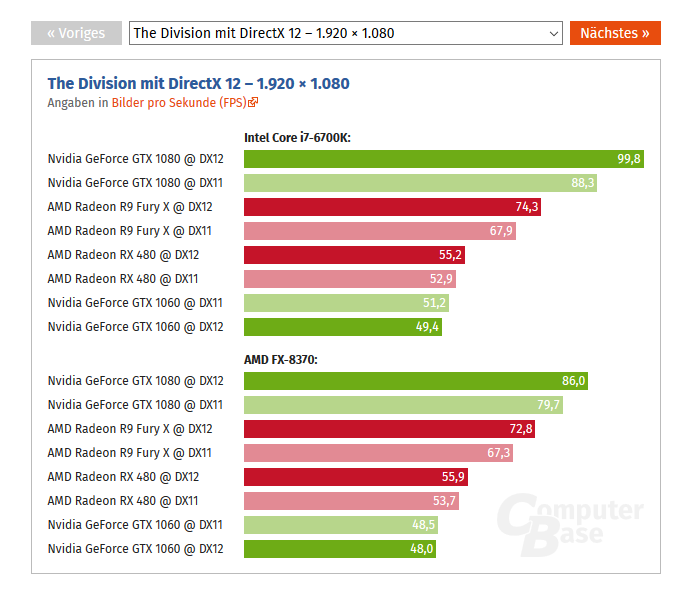
Performance benchmarks reveal how well AMD GPUs work with AMD CPUs. These tests compare speed, power use, and heat. They help show if using both AMD parts together gives better results than mixing brands. The data covers gaming, work tasks, and system efficiency. This section shares key findings from recent benchmark tests.
Gaming Performance Comparison
AMD GPU and CPU combos often run games smoothly. Frame rates stay high and consistent. Some games use AMD’s technology better, boosting performance. Mixed-brand setups can show small drops in speed. AMD pairs reduce input lag and improve visuals. This helps gamers get a better experience overall.
Productivity And Rendering Tests
In work tasks like video editing, AMD parts show strong results. Rendering times often shorten with AMD CPU and GPU. Software optimized for AMD hardware runs faster. Mixed setups sometimes face bottlenecks. Using AMD components together speeds up workflows and saves time.
Thermal And Power Efficiency
AMD systems with AMD GPUs and CPUs manage heat well. Power consumption stays balanced during heavy use. Cooling systems work more effectively with matched parts. This leads to quieter operation and longer hardware life. Mixed setups may generate more heat and use more energy.
Cross-brand Gpu And Cpu Pairing
Cross-brand GPU and CPU pairing means using a graphics card and processor from different companies. Many users wonder if mixing AMD and Intel or NVIDIA parts affects performance. The truth is, most GPUs work fine with most CPUs. Compatibility and driver support matter more than brand matching.
This section explores common cross-brand setups. It shows how AMD GPUs perform with Intel CPUs and how NVIDIA GPUs pair with AMD CPUs. Real-world examples help understand what to expect in different situations.
Amd Gpu With Intel Cpu
AMD graphics cards work well with Intel processors. Intel CPUs provide strong single-core performance. This helps games run smoothly with AMD GPUs. Most motherboards support both brands easily. Drivers for AMD GPUs update regularly and support Intel systems. No major issues appear in gaming or daily use.
Nvidia Gpu With Amd Cpu
NVIDIA GPUs also pair well with AMD processors. AMD Ryzen CPUs offer good multi-core power. This complements NVIDIA graphics cards in demanding tasks. Many gamers use this combo for good price-to-performance balance. Driver updates from NVIDIA maintain compatibility with AMD chips. The system runs stable and fast.
Real-world Use Case Scenarios
Gamers often mix brands to balance cost and power. For example, an Intel CPU with AMD GPU suits budget builds. Creators may choose AMD CPUs with NVIDIA GPUs for video editing. Both setups handle popular games and apps well. Check motherboard and driver support before buying parts. Cross-brand pairing rarely limits performance in everyday use.
Credit: www.amd.com
Technological Features Impact
The impact of technological features shapes how well AMD GPUs work with AMD CPUs. These features help improve speed and efficiency. They create better communication between the CPU and GPU. The result is smoother performance and less lag in tasks like gaming and video editing.
Understanding these features helps to see why pairing AMD hardware matters. Each feature plays a key role in boosting overall system power.
Smart Access Memory Explained
Smart Access Memory lets the CPU use the full GPU memory. Normally, the CPU can access only a small part. This feature removes that limit. It allows faster data transfer between CPU and GPU. This leads to better frame rates and quicker loading times in games.
Infinity Cache Role
Infinity Cache is a large, fast memory inside the GPU. It stores frequently used data close to the GPU cores. This reduces the need to fetch data from slower memory outside. It lowers delays and power use. The GPU runs smoother and faster with this cache.
Pcie Lane Utilization
PCIe lanes connect the CPU and GPU for data flow. AMD CPUs and GPUs are designed to use these lanes efficiently. Better lane utilization means faster communication. It reduces bottlenecks that slow down performance. This helps games and apps run without interruptions.
Cost-effectiveness And Value
Cost-effectiveness and value matter a lot when choosing computer parts. Many wonder if AMD GPUs work better with AMD CPUs in this area. This section explores how these combinations affect price, upgrades, and reliability. Understanding these points helps you make smart buying choices.
Price-to-performance Ratio
AMD products often offer good power for the price. Pairing an AMD GPU with an AMD CPU can lead to better overall system balance. This balance means you get strong performance without paying extra. Sometimes, AMD combos cost less than mixed-brand setups. This approach helps save money while keeping good speed and graphics quality.
Upgrade Path Flexibility
Using AMD parts together may simplify future upgrades. AMD tends to support its platforms for longer periods. This means your motherboard might work with newer CPUs later. You can upgrade the CPU without changing many parts. The GPU can also be swapped easily. This flexibility reduces long-term costs and hassle.
Long-term Reliability
AMD systems tend to run well over time when parts match. Compatibility between AMD CPU and GPU can reduce bugs and crashes. This leads to smoother operation and fewer repairs. Reliable performance means less money spent on fixing problems. Choosing AMD parts together can improve system stability.
User Experience Insights
User experiences reveal many insights about using AMD GPUs with AMD CPUs. Many users share their real-world results. These insights help others decide on their PC builds. The interaction between AMD GPU and CPU impacts performance, stability, and ease of use. Understanding common issues and fixes improves overall satisfaction.
Compatibility Issues And Fixes
Some users report compatibility problems with AMD GPU and CPU setups. These can cause crashes, freezes, or poor performance. Most issues come from outdated drivers or incorrect BIOS settings. Updating drivers often solves many problems quickly. Resetting BIOS to default or adjusting settings can fix stability problems. Checking hardware connections also helps prevent errors.
Bios And Firmware Updates
BIOS updates play a key role in AMD hardware compatibility. Many users find better system stability after updating BIOS. Firmware updates for GPUs also improve performance and fix bugs. Keeping BIOS and firmware current ensures smoother operation. Some updates add support for new features or improve power management. Regularly checking for updates is a good habit.
Community Feedback
Online forums and user groups offer valuable feedback on AMD CPU-GPU combos. Many users share tips, tricks, and solutions. Discussions highlight common problems and how to solve them. Positive experiences often focus on smooth integration and good performance. Negative feedback usually points to specific hardware or software issues. Community advice helps users avoid mistakes and optimize their systems.
Frequently Asked Questions
Does Amd Gpu Perform Better With Amd Cpu?
AMD GPUs often perform well with AMD CPUs due to optimized drivers and software. This synergy can improve compatibility and reduce bottlenecks, enhancing gaming and productivity. However, performance gains vary by application and hardware generation, so results differ between setups.
Can Amd Cpu And Gpu Improve Gaming Performance?
Yes, pairing AMD CPU and GPU can boost gaming performance. AMD’s Smart Access Memory technology allows CPUs to access GPU memory efficiently, increasing frame rates in supported games. This feature works best when both components are from AMD.
Are Amd Cpus And Gpus More Compatible Together?
AMD CPUs and GPUs have better compatibility because of shared software frameworks. This ensures smoother driver updates and fewer conflicts. The unified architecture supports advanced features, delivering a stable and optimized system experience.
Does Using Amd Cpu With Amd Gpu Reduce Latency?
Using AMD CPU with AMD GPU can reduce latency in some scenarios. The integrated communication protocols between AMD components streamline data transfer, which improves responsiveness. This benefit is especially noticeable in gaming and real-time applications.
Conclusion
Choosing an AMD GPU with an AMD CPU can offer smooth performance. Both parts often work well together, reducing compatibility issues. This can lead to better power use and cooling. Still, the best choice depends on your needs and budget.
Mixing brands can also work fine for many users. Consider your tasks and preferences before deciding. In the end, matching AMD GPU and CPU can be a good option, but not the only one.
