
Are you wondering if you can pair an AMD GPU with an Intel CPU for your next build? It’s a question many tech enthusiasts and gamers ask when trying to get the best performance without breaking the bank.
The good news is, you don’t have to stick to one brand to get a powerful setup. But is it really that simple? You’ll discover how these components work together, what you need to watch out for, and how to make the most of your hardware.
Keep reading to find out if mixing AMD and Intel is the right move for your computer.
Amd Gpus And Intel Cpus Compatibility
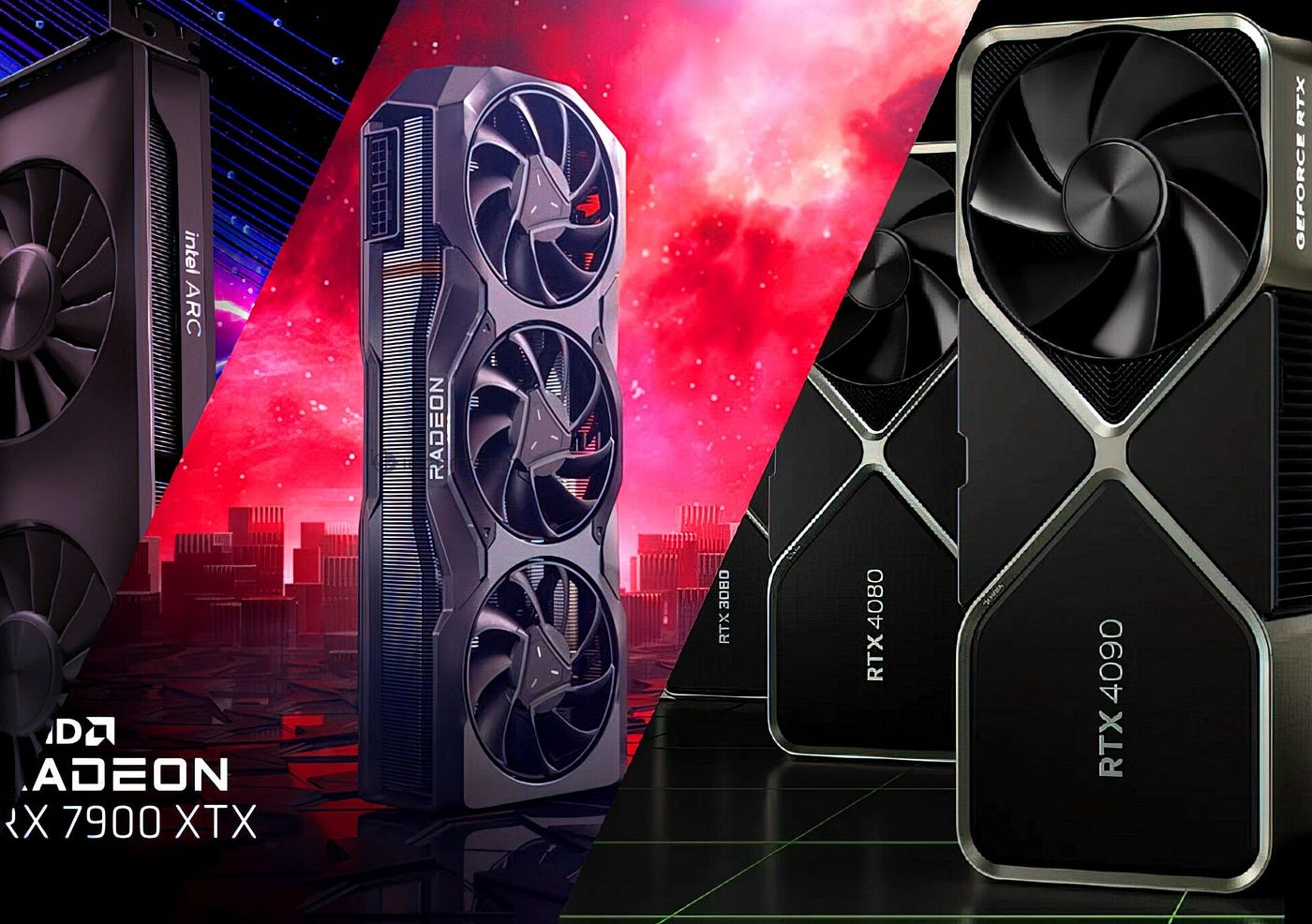
AMD GPUs and Intel CPUs often work together in many computers. This pairing is popular among users who want good performance without extra cost. Both parts come from different companies but are designed to be compatible. Understanding their compatibility helps in building or upgrading a PC that runs smoothly.
How Cpus And Gpus Work Together
The CPU handles most tasks and runs the operating system. It sends data and instructions to the GPU for graphics processing. The GPU focuses on rendering images, videos, and games. This teamwork allows the computer to perform fast and show clear visuals. Both parts communicate through the motherboard to work in sync.
Key Factors Affecting Compatibility
The motherboard must support both the Intel CPU and AMD GPU. It needs the right slots and power delivery for the GPU. Drivers must be available and up to date for AMD GPUs on Intel systems. BIOS settings and updates also play a role in compatibility. Power supply should meet the GPU’s needs to avoid issues.
Credit: www.cgdirector.com
Benefits Of Combining Amd Gpus With Intel Cpus
Combining AMD GPUs with Intel CPUs offers several benefits. This mix can boost your computer’s overall power. It provides a balance between graphics and processing. Many users find this setup efficient and cost-friendly. It suits both gaming and work tasks well.
This combination also gives flexibility in choosing parts. It allows picking the best GPU and CPU from different brands. This way, you get a system that fits your needs perfectly.
Performance Advantages
AMD GPUs deliver strong graphics performance. Intel CPUs provide fast and reliable processing power. Together, they handle demanding software smoothly. This setup supports high frame rates in games. It also speeds up video editing and 3D rendering tasks. The CPU and GPU work well without slowing each other down.
Cost-effectiveness
Choosing AMD GPUs with Intel CPUs can save money. AMD graphics cards often offer good value for their price. Intel CPUs come in various price ranges and perform well. This lets users build a powerful system without overspending. It is a smart choice for budget-conscious buyers.
Driver And Software Support
Both AMD and Intel provide solid driver updates. These updates improve system stability and performance. Most popular games and software support this combination. AMD’s software tools help optimize graphics settings. Intel’s CPU drivers ensure smooth processing. Together, they offer a reliable user experience.
Potential Challenges And Solutions
Using an AMD GPU with an Intel CPU is common and works well in most cases. Still, some challenges can arise. Knowing these issues helps you solve them fast. This section covers common problems and easy solutions.
Driver Conflicts
AMD GPUs need specific drivers to work properly. Intel CPUs use their own chipset drivers. Sometimes, these drivers may clash. This can cause crashes or poor performance. To avoid conflicts, always download the latest AMD GPU drivers from the official site. Also, keep Intel chipset drivers updated. Use clean installation tools to remove old drivers before installing new ones.
Bios And Firmware Issues
Motherboard BIOS controls hardware compatibility. Some older BIOS versions may not support new AMD GPUs well. This can stop the system from booting or lower GPU speed. Check your motherboard’s website for BIOS updates. Installing the latest firmware often fixes compatibility problems. Follow the update instructions carefully to avoid errors.
Power Supply Considerations
AMD GPUs can require a lot of power. Intel CPUs usually do not affect power needs much. Make sure your power supply unit (PSU) has enough wattage for both parts. Check the GPU’s recommended power specifications. Use a quality PSU with proper connectors. A weak PSU can cause system crashes or damage components.
Credit: medium.com
Building A System With Amd Gpu And Intel Cpu
Building a system with an AMD GPU and an Intel CPU is a popular choice for many users. This combination offers a good balance of power and price. Both parts work well together and deliver solid performance for gaming, work, and daily tasks.
Choosing the right parts and installing them correctly can make a big difference. Optimizing your system helps get the best speed and efficiency from your setup.
Choosing The Right Components
Start with a compatible motherboard that supports your Intel CPU and AMD GPU. Check the PCIe slot type to fit the graphics card. Choose enough RAM for smooth multitasking. A quality power supply unit (PSU) is important to provide stable power to both CPU and GPU. Look for good cooling solutions to keep temperatures low during heavy use.
Installation Tips
Turn off the power and unplug your PC before starting. Handle components carefully to avoid damage. Insert the AMD GPU firmly into the PCIe slot on the motherboard. Connect all required power cables from the PSU to the GPU. Attach the CPU cooler and connect its fan to the motherboard. Double-check all connections before powering on the system.
Optimizing Performance
Update your motherboard BIOS and install the latest drivers for Intel CPU and AMD GPU. Adjust BIOS settings for better system stability and speed. Use AMD software to fine-tune GPU settings. Monitor temperatures and clock speeds to avoid overheating. Keep your system clean and dust-free to maintain good airflow.
Troubleshooting Common Issues
Troubleshooting common issues is key to using an AMD GPU with an Intel CPU. Problems can arise due to hardware or software conflicts. Understanding these issues helps fix them quickly. This section covers three main areas: display problems, performance bottlenecks, and software compatibility.
Display Problems
One common issue is no display or black screen after installing the GPU. Check if the GPU is properly seated in the PCIe slot. Make sure the monitor is connected to the AMD GPU, not the motherboard’s video output.
Update the graphics drivers to the latest version from AMD’s website. Incorrect or outdated drivers cause display errors. Disable integrated graphics in BIOS to avoid conflicts. Reset BIOS settings if the system fails to boot.
Performance Bottlenecks
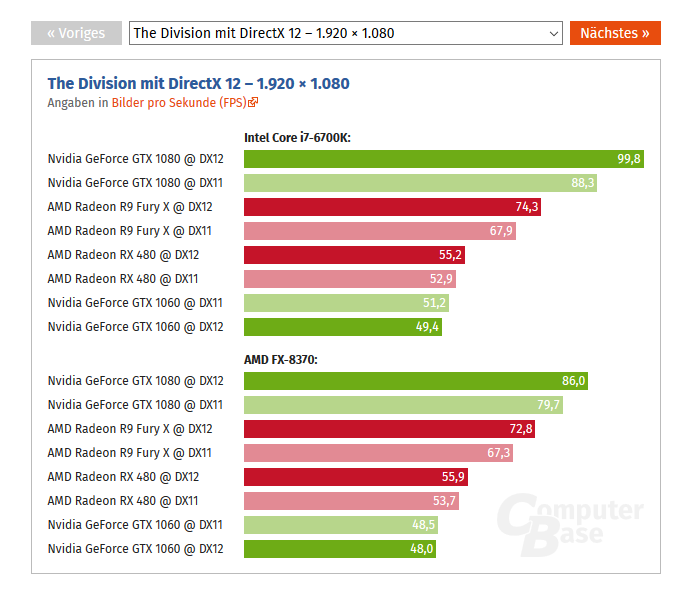
Performance drops happen when the CPU limits the GPU’s power. Intel CPUs with fewer cores or older models may slow down modern AMD GPUs. Monitor CPU and GPU usage to spot bottlenecks.
Adjust game or application settings to balance load. Overclocking the CPU or upgrading it can help improve performance. Ensure sufficient power supply to avoid GPU throttling. Check background tasks that may use CPU resources.
Software Compatibility
Some software may not fully support AMD GPUs on Intel platforms. This leads to crashes or glitches. Always install the latest drivers and software updates. Use compatible versions of operating systems and APIs like DirectX or Vulkan.
Run software in compatibility mode if issues persist. Disable conflicting programs or overlays that interfere with GPU functions. Testing different driver versions can solve compatibility problems.
Credit: www.shoshitamam.com
Future Trends In Cpu And Gpu Compatibility
The future of CPU and GPU compatibility looks promising. New trends focus on better communication between different brands. This will make it easier to mix AMD GPUs with Intel CPUs. Users will get more freedom in building computers that fit their needs.
Tech companies are working to reduce compatibility issues. This will help both gamers and professionals use diverse hardware. The goal is simple: smoother performance and fewer errors. Let’s explore some upcoming technologies and integration efforts.
Upcoming Technologies
New standards aim to improve CPU-GPU interaction. Technologies like PCIe 5.0 and beyond will boost data transfer speeds. Faster connections mean better graphics and quicker processing. AMD and Intel are investing in these standards for future products.
Software updates will also play a big role. Drivers will become smarter and more adaptive. They will handle different hardware combinations without trouble. This will reduce crashes and improve stability.
Cross-platform Integration
Cross-platform integration will allow hardware from different makers to work well together. APIs like DirectX 12 and Vulkan support multiple brands efficiently. These tools help developers optimize games and apps for varied setups.
Cloud computing and virtualization will also support mixed hardware environments. This means users can run demanding tasks on diverse systems. Compatibility layers will become stronger, allowing seamless use of AMD GPUs with Intel CPUs.
Frequently Asked Questions
Can An Amd Gpu Work With An Intel Cpu?
Yes, AMD GPUs are fully compatible with Intel CPUs. They communicate via the PCIe slot, which is standardized. This allows you to pair any AMD graphics card with an Intel processor without issues or performance loss.
Does Intel Cpu Limit Amd Gpu Performance?
No, Intel CPUs do not limit AMD GPU performance directly. Performance depends on the specific CPU and GPU models. A balanced setup ensures both components work efficiently for gaming or other tasks.
How To Install Amd Gpu On Intel Cpu Motherboard?
To install an AMD GPU on an Intel motherboard, insert the GPU into the PCIe x16 slot. Secure it properly, connect power cables, and install the latest AMD drivers. This ensures optimal GPU performance and system stability.
Are Amd Gpus Better Than Intel Integrated Graphics?
Yes, AMD GPUs typically outperform Intel integrated graphics in gaming and graphics tasks. Dedicated AMD GPUs offer higher performance and better visuals compared to Intel’s integrated solutions.
Conclusion
Yes, you can use an AMD GPU with an Intel CPU without issues. These parts work well together for most tasks. Just ensure your motherboard supports the GPU and has the right slots. Drivers are easy to install and keep updated.
This setup suits gaming, work, and everyday use. Mixing brands does not hurt performance or cause conflicts. It gives you more choices when building or upgrading your PC. So, don’t worry about brand matching. Focus on what fits your needs and budget best.
