
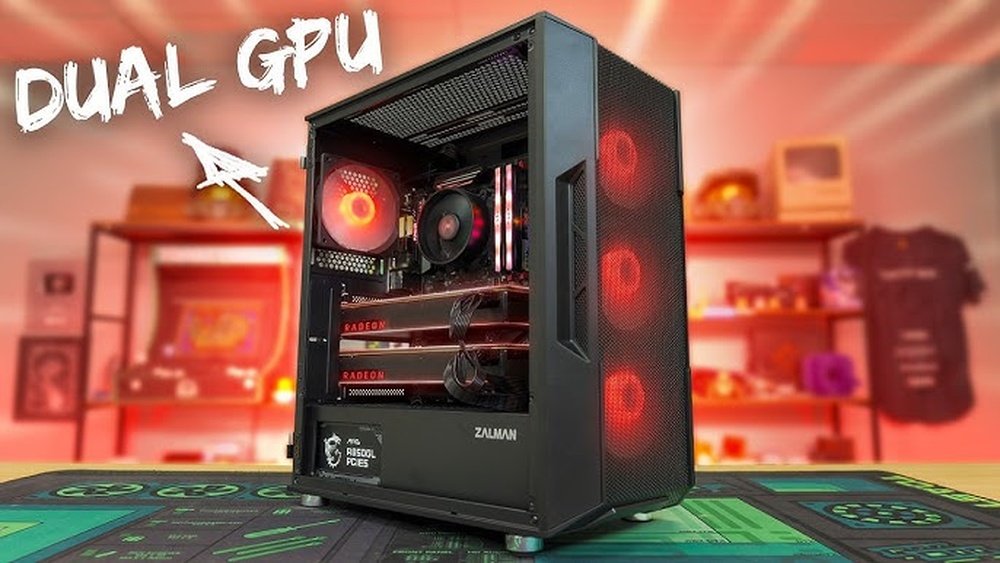
Are you wondering if you can boost your PC’s power by adding a second GPU? You’re not alone.
Many gamers and creators want to push their machines further without buying a whole new system. But is it really that simple? Before you open your case and start plugging in parts, there are some key things you need to know.
Keep reading to find out if adding a second GPU is right for your setup—and how to do it the smart way.
Credit: www.xda-developers.com
Benefits Of A Second Gpu
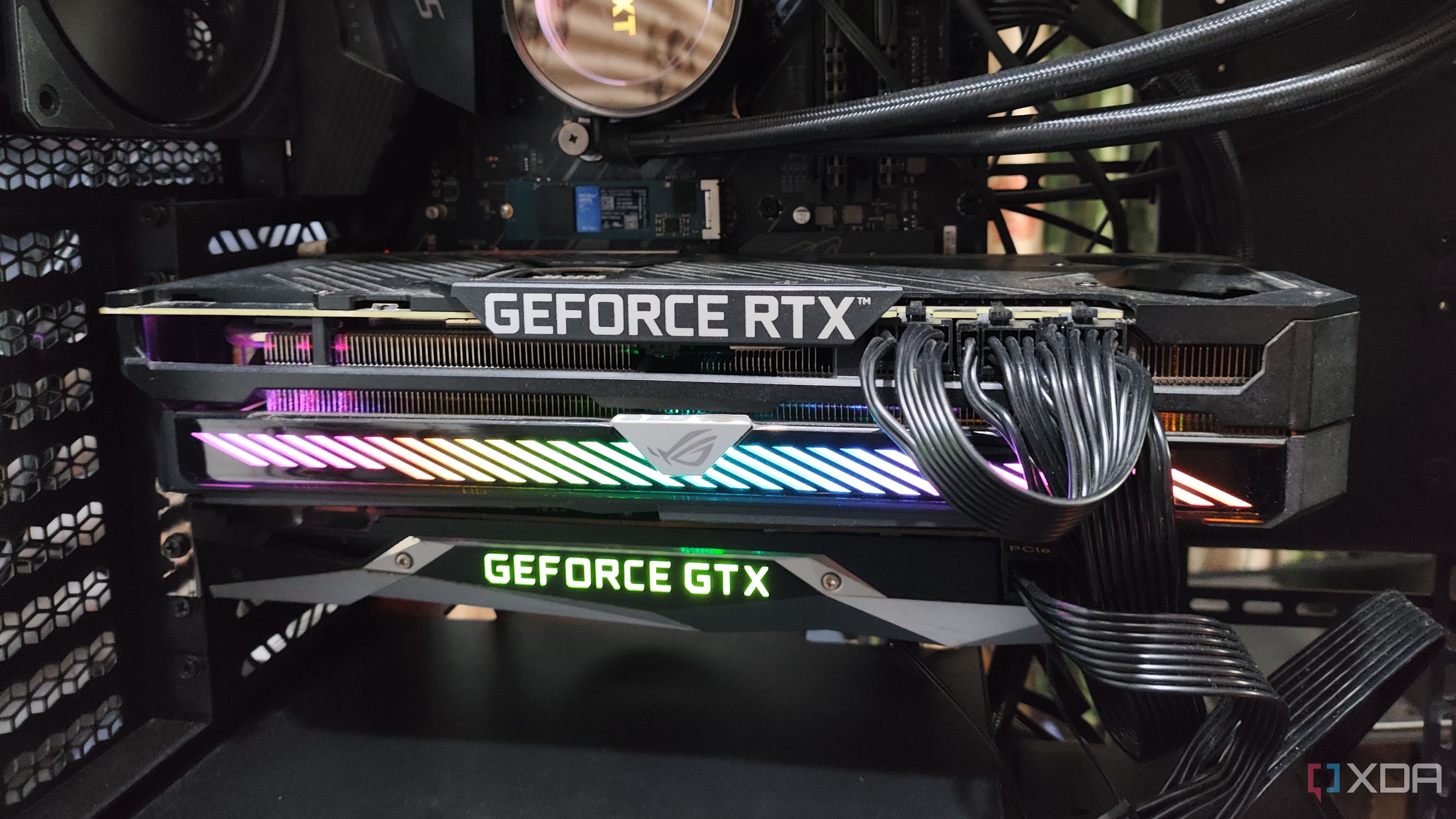
Adding a second GPU to your PC can bring many benefits. It helps improve how your computer handles graphics and tasks. This upgrade suits gamers, designers, and anyone needing extra power. Below are some key benefits of having two GPUs.
Improved Gaming Performance
Two GPUs can split the work of rendering game graphics. This means games run smoother and look better. Higher frame rates reduce lag and screen tearing. You can enjoy games at higher settings without slowdowns. Competitive gamers gain a clear advantage with faster response times.
Enhanced Rendering Speeds
Rendering videos or 3D models takes less time with two GPUs. Each card processes parts of the work together. This reduces waiting times for artists and editors. Projects finish faster, increasing productivity. It helps professionals meet tight deadlines easily.
Better Multi-tasking
Two GPUs let you run many programs smoothly at once. You can play games while streaming or using heavy software. Each GPU handles different tasks without slowing down. This setup keeps your PC responsive and efficient. Multitasking becomes easier and more enjoyable.
Credit: www.youtube.com
Compatibility Check
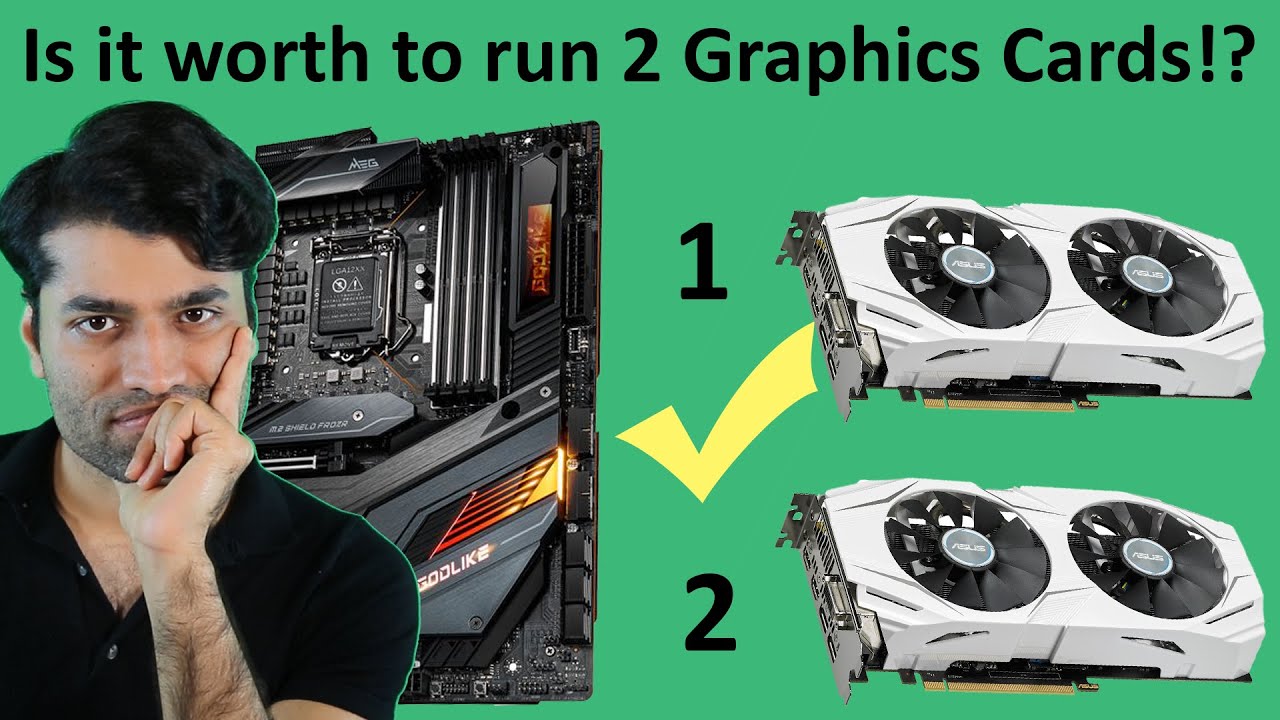
Adding a second GPU to your PC can boost performance, but it needs careful checking. Compatibility matters a lot to avoid problems. This section covers what you must check before installing another graphics card.
Motherboard Requirements
Your motherboard must support multiple GPUs. Check if it has two or more PCIe x16 slots. The slots should run at good speeds, like PCIe 3.0 or higher. Some motherboards limit bandwidth on secondary slots. Also, confirm if your motherboard supports SLI or CrossFire, depending on your GPUs.
Power Supply Considerations
Adding a second GPU needs more power. Your power supply unit (PSU) must handle the extra load. Check the wattage requirements of both GPUs combined. Look at the PSU’s connectors; you need enough PCIe power plugs. A weak PSU can cause system crashes or damage.
Physical Space And Cooling
Second GPU takes space inside the case. Measure if your case fits two large cards. GPUs produce heat, so good airflow is crucial. Plan your case fans and cooling system to prevent overheating. Crowded cards may lower performance and shorten hardware life.
Types Of Multi-gpu Setups
Adding a second GPU to your PC can improve graphics performance. Different multi-GPU setups exist. Each setup works in a unique way. Knowing the types helps you choose the right one. This section explains the main types of multi-GPU setups.
Sli Vs Crossfire
SLI and CrossFire are two popular multi-GPU methods. SLI is made by NVIDIA. CrossFire is made by AMD. Both link two or more GPUs to work together. SLI uses a special bridge to connect GPUs. CrossFire often works without a physical bridge. These setups split the graphics load. This can increase frame rates and improve visuals. Compatibility depends on your GPU brand and model. Not all games support SLI or CrossFire well.
Nvlink And Other Technologies
NVLink is a newer technology by NVIDIA. It replaces the older SLI bridges. NVLink offers faster data transfer between GPUs. This helps with high-demand tasks like gaming and 3D rendering. Some high-end NVIDIA cards support NVLink. Other brands use different methods to connect GPUs. Technologies vary in speed and efficiency. Check your GPU’s specs before choosing a setup. Proper cooling and power supply are important with multi-GPU systems.
Installation Process
Installing a second GPU can improve your PC’s graphics power. The process takes careful steps. Follow each step carefully to avoid damage. Prepare your PC well before installation. Then, install the second GPU securely. Finally, connect power cables to ensure proper function.
Preparing Your Pc
Turn off your PC and unplug it from power. Open the case by removing screws or clips. Find the PCIe slot where the second GPU will go. Clear space around the slot for easy installation. Remove any dust using a soft brush or compressed air. Check if your power supply can handle two GPUs.
Installing The Second Gpu
Hold the second GPU by its edges. Align it carefully with the PCIe slot. Push the card straight down until it clicks. Secure the GPU using screws to the case. Avoid touching the gold connectors on the card. Make sure the card is firmly in place.
Connecting Power Cables
Locate the power connectors on your GPU. Use the correct power cables from your PSU. Plug the cables firmly into the GPU connectors. Check that cables are not loose or bent. Route cables neatly to avoid blocking fans. Proper power connection is essential for GPU function.
Driver And Software Configuration
Adding a second GPU to your PC requires more than just hardware. Proper driver and software setup is key. This ensures both GPUs work well together. It also helps avoid conflicts and performance drops. Setting up these configurations right helps you get the most from your system.
Updating Gpu Drivers
Start by updating your GPU drivers. Use the official website of your GPU brand. Download the latest drivers for both GPUs. Updated drivers fix bugs and improve compatibility. Old drivers may not support multi-GPU setups properly. Always restart your PC after updating.
Enabling Multi-gpu Support
Multi-GPU setups need special settings in software. For NVIDIA cards, use the NVIDIA Control Panel. Look for “SLI” or “Multi-GPU” options and enable them. For AMD cards, open Radeon Settings. Find “CrossFire” or “Multi-GPU” and turn it on. Some games also need in-game settings to use multiple GPUs.
Troubleshooting Common Issues
Common problems include driver conflicts and poor performance. Check if both GPUs appear in the device manager. If one GPU is missing, reinstall drivers. Disable one GPU and test the other separately. Update your motherboard BIOS if issues persist. Use forums and support sites for help on specific errors.
Performance Expectations
Adding a second GPU to your PC can boost your computer’s power. But what can you really expect in terms of performance? The results vary based on many factors. Understanding these can help you decide if a second GPU is worth it.
Real-world Benchmarks
Benchmarks show how two GPUs perform together in actual tasks. Games and software may run faster but not always twice as fast. Some titles get a 30-50% boost with two GPUs. Others show only small gains or no improvement at all. It depends on how well the software uses multiple GPUs.
Professional programs like video editing or 3D rendering can also benefit. They may handle two GPUs better than games. Still, the boost varies by software type and version. Running benchmarks for your specific needs helps set clear expectations.
Limitations And Bottlenecks
Adding a second GPU is not a simple speed fix. Your CPU can limit performance if it’s not strong enough. The motherboard and power supply must support two GPUs. Bandwidth between GPUs and memory can also slow things down. Sometimes, the second GPU stays underused due to these limits.
Software support is crucial. Many games and apps do not fully use two GPUs. This can cause uneven performance or glitches. Drivers and settings must be carefully managed to avoid problems. Knowing these bottlenecks helps avoid disappointment after installation.
Alternative Performance Boosts
Adding a second GPU is not the only way to boost your PC’s performance. Many other options can improve your gaming or work experience without complex hardware changes. These alternatives can be easier, safer, and often cheaper. Let’s explore some practical ways to enhance your GPU performance.
Overclocking Your Gpu
Overclocking means running your GPU faster than its default speed. This can increase its power and speed in games or apps. Most modern GPUs have software to help with this safely. Start with small increases and test your system stability. Watch the temperature to avoid overheating. Overclocking can give a good performance boost without extra cost.
Upgrading To A Single More Powerful Gpu
Replacing your current GPU with a stronger one often improves performance more than adding a second card. Newer GPUs have better technology and more power. This upgrade can simplify your system and reduce power use. It also avoids issues like driver conflicts or extra heat. Choose a GPU that fits your budget and needs for the best results.
Optimizing Game Settings
Adjusting game settings helps your GPU run smoothly. Lowering resolution or turning off shadows can increase frame rates. Many games have presets like Low, Medium, or High for easy changes. Focus on settings that affect performance most, such as texture quality or anti-aliasing. Optimizing settings can make games playable without new hardware.
Cost Vs Benefit Analysis
Adding a second GPU to your PC can improve performance. But it also costs money and effort. Understanding the cost versus benefit helps you decide if it is worth it. Let’s break down the main points to consider.
Price Of Additional Hardware
Buying a second GPU means more expense. GPUs are often costly, especially the latest models. You also need a compatible motherboard and power supply. Some setups require special cooling systems. These extra costs add up quickly.
Potential Performance Gains
Two GPUs can boost performance in some tasks. Games and software that support multiple GPUs run faster. But not all programs benefit equally. Some see little or no improvement. Sometimes, the second GPU can cause issues like stuttering.
Long-term Value
Consider how long you will use the second GPU. Technology changes fast. A new GPU may become outdated soon. Maintenance and power costs also affect value. Sometimes, upgrading to one better GPU is smarter than adding a second.

Credit: towardsdatascience.com
Frequently Asked Questions
Can I Use Two Different Gpus In One Pc?
Yes, you can install two different GPUs in one PC. However, they may not work together for gaming or rendering. Multi-GPU setups perform best with identical cards supporting technologies like SLI or CrossFire.
Does My Motherboard Support A Second Gpu?
Check your motherboard’s specifications for multiple PCIe slots. Most modern motherboards support dual GPUs. Ensure the slots are compatible and spaced properly for your GPUs.
Will Adding A Second Gpu Improve Gaming Performance?
Adding a second GPU can improve gaming performance but only in supported games. Many titles don’t utilize dual GPUs effectively. Performance gains vary by game and driver support.
Do I Need A More Powerful Psu For Two Gpus?
Yes, a stronger power supply unit (PSU) is necessary for dual GPUs. Each GPU consumes additional power. Calculate total wattage and add a safety margin to avoid power issues.
Conclusion
Adding a second GPU to your PC can boost performance in some cases. Not all systems support two GPUs, so check your motherboard first. Power supply and cooling also matter a lot for safety. Dual GPUs work best for specific tasks like gaming or rendering.
Sometimes, one strong GPU is enough and easier to manage. Think about your needs and budget before deciding. With the right setup, a second GPU can help your PC work better. Choose wisely and enjoy smoother performance.
