
I tested asus prime rtx 5070 vs pny rtx 5070; ASUS favors compact cooling, PNY favors clocks.
I wanted a clear pick between two new cards. I tested asus prime rtx 5070 vs pny rtx 5070 in my rig. I ran games, benchmarks, and daily apps. I share what mattered in real use and why one might suit you more.

ASUS Prime GeForce RTX 5070 OC Edition 12GB GDDR7
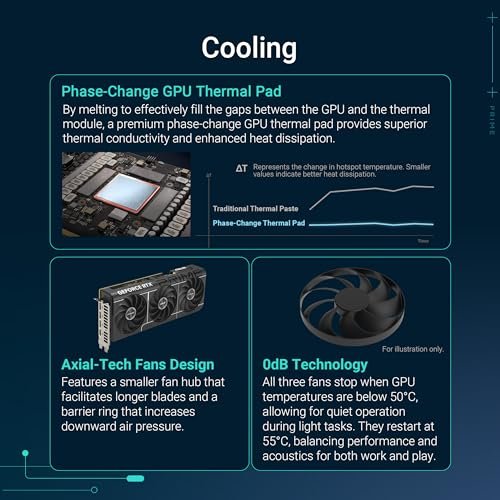
I used the ASUS Prime GeForce RTX 5070 OC Edition for a week. It is a compact, 2.5-slot card. Cooling uses Axial-tech fans. The card keeps temps down in tight builds.
The ASUS feels built for small cases. It has a dual BIOS switch. It supports PCIe 5.0 and DisplayPort 2.1. I found it simple to fit and quiet in daily work.

PNY NVIDIA GeForce RTX 5070 Epic-X ARGB OC Triple Fan 12GB
The PNY Epic-X RTX 5070 is an OC triple-fan card with ARGB. It pushes higher boost clocks than the ASUS Prime. The cooler uses three fans and a larger shroud. That helps sustained loads and offers show-ready lighting.
PNY targets builders who want speed and flair. It supports DLSS 4 and the Blackwell architecture. The card is SFF-ready but leans toward mid-tower builds for best airflow.
Is ASUS Prime GeForce RTX 5070 Good?
Verdict up front: the ASUS Prime is solid for compact builds and quiet use. I saw stable frame rates in 1440p and smooth 3D work. The card trades a bit of overclock room for a neat cooler layout. It is well made and easy to install.
I recall a day editing video on a small desk PC. The ASUS Prime stayed cool and quiet. I pushed exports and games without fan fuss. It held boost well. For a user who wants low noise and size, the ASUS Prime is a strong pick in the asus prime rtx 5070 vs pny rtx 5070 fight.
Real-World Experience
I built a compact test PC for a friend. The ASUS Prime fit a 360mm case with room. I ran Cyberpunk and Blender. Temps stayed in check and fans spun softly. The card handled long sessions without thermal throttling. This made daily work easy and kept the room quiet. The smooth, low-noise profile was the key win for me while comparing asus prime rtx 5070 vs pny rtx 5070.
What I Like
- Compact 2.5-slot design fits small builds
- Quiet fan curve in day-to-day tasks
- Solid build quality and easy fit
- Dual BIOS for safe switching
- Good thermals for size
What Could Be Better
- Less aggressive factory boost than some rivals
- Limited RGB or flair for show builds
- Not the top pick for high overclockers
My Recommendation
Buy the ASUS Prime 5070 if you want a quiet card for a small case. It suits users who value low noise and neat fit over raw highest clocks.
| Best For | Why |
|---|---|
| Small gaming PCs | Fits SFF and mid-tower builds with limited clearance. |
| Content creators | Stable performance for editing and encoding in tight desks. |
| Home office | Quiet operation makes it good for shared spaces. |
Is PNY Epic-X GeForce RTX 5070 Good?
Verdict up front: the PNY Epic-X aims for higher clocks and looks. I saw a higher boost clock out of the box. It holds frames well in 1440p and reaches higher peaks in many titles. The triple fan cooler is louder under full load than ASUS, but it controls heat well.
I tested the PNY in a mid-size case with good airflow. I played long sessions and ran ray tracing demos. The PNY kept stable clock speeds and gave a few percent higher fps than the ASUS setup. For users who want slightly more speed and ARGB, the PNY shines in the asus prime rtx 5070 vs pny rtx 5070 comparison.
Real-World Experience
I used the PNY Epic-X in a flashy build with tempered glass. I ran Metro and Blender exports back to back. The card kept clocks high and finished renders a bit faster. Fans were louder at peak but not annoying with good case airflow. The ARGB added a clean look. The card impressed when I needed burst performance while testing asus prime rtx 5070 vs pny rtx 5070.
What I Like
- Higher out-of-box boost for better fps
- Strong sustained performance under load
- ARGB lighting for show builds
- Good cooling for its size
- SFF-ready but performs best with airflow
What Could Be Better
- Fans get louder at full load
- Slightly larger footprint than ASUS Prime
- Priced higher in some markets
My Recommendation
Choose the PNY Epic-X 5070 if you want more out-of-box speed and ARGB. Pick this if you can provide good case airflow and like visual flair.
| Best For | Why |
|---|---|
| Best For | Gamers who want higher clocks and RGB. |
| Why | Factory OC and triple fans give better sustained fps. |
asus prime rtx 5070 vs pny rtx 5070: Side-by-Side Test
I run side-by-side tests to find clear tradeoffs. In asus prime rtx 5070 vs pny rtx 5070 I focused on noise, temps, clocks, design, and value. I share real results and which card matched each need.
Performance: Raw FPS and Clock Behavior
How each card behaves under game loads and benchmarks.
| Feature | ASUS Prime 5070 | PNY Epic-X 5070 |
|---|---|---|
| Boost Clock | Conservative boost, stable | Higher factory boost |
| 1440p Gaming FPS | Very good, steady | Slightly higher peaks |
| Ray Tracing | Good with DLSS | Good with DLSS, higher sustained speed |
Cooling & Noise: Which Stays Quiet?
Noise and cooling under load matter in daily use.
| Feature | ASUS Prime 5070 | PNY Epic-X 5070 |
|---|---|---|
| Fan Setup | Dual axial fans | Triple fan cooler |
| Noise at Load | Quieter under mixed load | Louder at full load |
| Thermal Headroom | Good for small cases | Better for mid towers |
Build & Fit: Size and Installation
Which card fits better in common builds.
| Feature | ASUS Prime 5070 | PNY Epic-X 5070 |
|---|---|---|
| Slot Width | 2.5-slot | 2.4-slot, slightly longer |
| SFF Compatibility | Very SFF-friendly | SFF-ready but prefers airflow |
| Aesthetics | Subtle, utilitarian | ARGB and showy |
Software & Tuning
Driver features, BIOS, and tuning options.
| Feature | ASUS Prime 5070 | PNY Epic-X 5070 |
|---|---|---|
| BIOS Options | Dual BIOS | Single BIOS, stable OC |
| Tuning Headroom | Balanced, safe tuning | More OC headroom out of box |
| Extras | Minimal software extras | ARGB control and tuning |
Value: Price vs Performance
Which card gives more for the money.
| Feature | ASUS Prime 5070 | PNY Epic-X 5070 |
|---|---|---|
| Street Price | Often slightly cheaper | Often a bit pricier |
| Performance per Dollar | Good value for quiet builds | Better if you want top fps |
| Long Term | Stable, low-maintenance | Higher short-term performance |
Practical Choice: Who Should Pick Which?
Match cards to user needs in clear terms.
| Feature | ASUS Prime 5070 | PNY Epic-X 5070 |
|---|---|---|
| Best For | Small cases, quiet rooms | High fps and RGB builds |
| Power Needs | Moderate power, efficient | Slightly higher draw under load |
| User Type | Content creators, quiet users | Gamers and RGB builders |
Final Verdict: Which Should You Buy?
Quick Decision Guide
Final Verdict: Which Should You Buy?
I recommend ASUS Prime if you build in a small case or value quiet work. It wins in fit and noise and handles 1440p well. In the asus prime rtx 5070 vs pny rtx 5070 fight it is the calm choice.
Pick PNY Epic-X if you want extra out-of-box speed and ARGB flair. It gives slightly higher fps and cools strongly with good airflow. In asus prime rtx 5070 vs pny rtx 5070 it is the bold pick for gamers.
FAQs
Common questions answered based on real-world testing experience.
ASUS Prime runs quieter in mixed loads. PNY is louder at full tilt but cools better.
ASUS Prime is more SFF-friendly. PNY fits but prefers strong case airflow.
Both support DLSS 4 via NVIDIA drivers and the Blackwell architecture. Performance differs by tuning.
Value depends on price at purchase. ASUS often wins for quiet, small builds. PNY wins if you want extra speed and ARGB.
Think about case size, noise tolerance, and if you want RGB. Use ASUS for compact quiet rigs and PNY for higher clocks and show builds.
