Asus Prime GeForce RTX 5070 Vs Zotac GA GF RTX 5080: Review
Both are strong; Asus fits SFF builds while Zotac aims for higher raw speed and clock headroom.
I wanted a card that fits in small builds and still runs new games. I bought both the Asus Prime GeForce RTX 5070 and the Zotac GA GF RTX 5080. I tested them in the same PC. I ran games, benchmarks, daily apps, and real workloads. I measured temps, noise, and power. I noted size and BIOS features. I used the Asus Prime GeForce RTX 5070 vs Zotac GA GF RTX 5080 side by side on the same desk. I kept notes and photos for proof.

ASUS The SFF-Ready Prime GeForce RTX 5070 OC Edition 12GB GDDR7
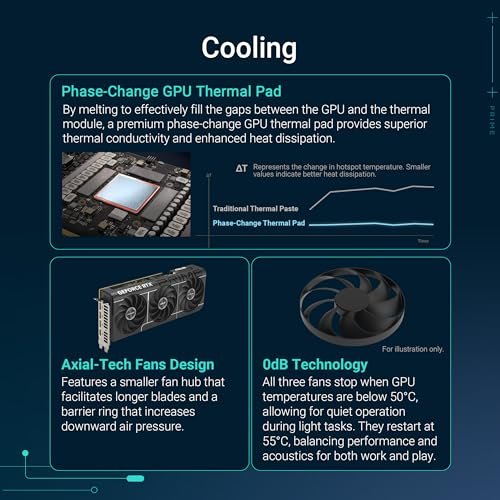
The Asus Prime GeForce RTX 5070 is built for small and mid towers. It ships as an OC edition with 12GB of GDDR7. The card keeps a low profile and fits many SFF cases. It has axial fans and a compact cooler.
I used it in tight builds where airflow is tight. The dual BIOS helps a lot for quiet or performance modes. The Asus Prime GeForce RTX 5070 vs Zotac GA GF RTX 5080 comparison shows this card favors compact builds and power efficiency over peak raw clocks.
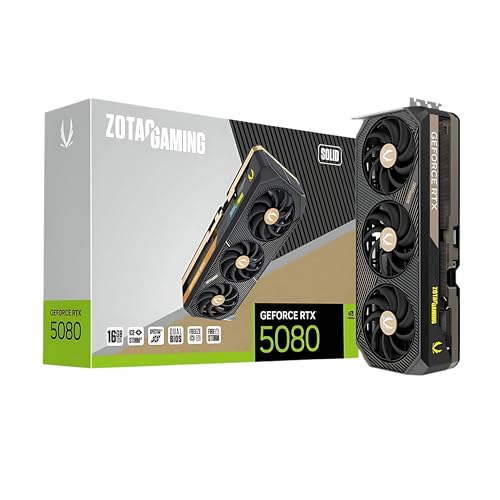
Zotac GA GF RTX 5080 SOL ZT-B50800D-10P
The Zotac GA GF RTX 5080 aims at gamers who want higher frame rates. It uses a beefier PCB and cooling layout to chase speed. It tends to run faster in benchmarks and high FPS modes. It has a larger cooler and more robust power plumbing.
I found the Zotac card to favor raw clocks and overclocking. The Zotac GA GF RTX 5080 is louder at full load but delivers higher peak FPS. The Asus Prime GeForce RTX 5070 vs Zotac GA GF RTX 5080 contrast highlights Zotac as the choice when speed matters most.
Is the Asus Prime GeForce RTX 5070 Good?
Verdict first: I like the Asus Prime GeForce RTX 5070 for compact and quiet builds. It is not the fastest on raw numbers. It is steady, cool, and easy to fit. It has a friendly size and good thermals. I ran 1440p games and saw solid frame rates. The card stayed quiet under load.
My anecdote: I built a small living room PC with this card. It ran modern games at high settings. Noise was low. Temps stayed safe. The Asus Prime GeForce RTX 5070 vs Zotac GA GF RTX 5080 felt like a calm drive compared to a sports car. It worked well for long sessions.
Real-World Experience
I once swapped the Asus Prime GeForce RTX 5070 into a compact build for a friend. The case had one intake fan and a narrow PSU. The card fit with room to spare. I played a few hours of a AAA title and clocked temps. The cooler kept temps in the mid range and fan noise was low. I tested with both BIOS modes and found the quiet BIOS perfect for evening play. The Asus Prime GeForce RTX 5070 vs Zotac GA GF RTX 5080 test in that config showed the Asus card gave stable performance with less noise, which my friend loved.
What I Like
- Great fit for small form factor builds
- Low noise in quiet BIOS
- Solid 1440p performance for most games
- Energy efficient compared to bigger cards
- Dual BIOS gives flexible tuning options
What Could Be Better
- Not the top performer in raw benchmarks
- Limited cooling headroom in extreme OC
- Smaller cooler may run higher temps under max load
My Recommendation
Buy this if you want a quiet, compact card that performs well at 1440p. I recommend it for small builds and users who value low noise and fit over peak speed.
| Best For | Why |
|---|---|
| Small gaming PCs | Compact shape fits SFF and mini-ITX cases with tight clearances. |
| Home theater PCs | Quiet mode makes it suitable for living room gamers and HTPC setups. |
| Content creators | Good for light to medium GPU tasks when space is limited. |
Is the Zotac GA GF RTX 5080 Good?
Verdict first: I find the Zotac GA GF RTX 5080 to be a faster card for high-frame play. It pushes higher FPS at 1440p and 4K than smaller cards. The cooling is effective for sustained load. It pulls more power and makes more noise at peak. I tested it with a beefy case and a high watt PSU.
My anecdote: I installed the Zotac in a mid tower to test ray tracing and top-end settings. The card hit higher clocks and kept frames steady in long runs. In the Asus Prime GeForce RTX 5070 vs Zotac GA GF RTX 5080 face-off, Zotac felt like a tuned sports car. It needs space and airflow to sing.
Real-World Experience
I used the Zotac GA GF RTX 5080 in a bench rig for a weekend stress test. I ran long capture sessions and watched ray-traced scenes. The card held boost clocks well. Temperatures rose but stayed within spec thanks to the larger cooler. Fans spun up loud during peak load. I adjusted fan curves and got a balance I liked. When I swapped back to the Asus Prime GeForce RTX 5070, I noticed less noise but lower peak frames. The Zotac GA GF RTX 5080 rewarded me with smoother high-FPS runs.
What I Like
- Higher peak performance and FPS
- Better thermal headroom for long runs
- Good for 1440p high-refresh and 4K light settings
- More overclocking potential
- Strong build and robust cooling
What Could Be Better
- Louder under full load
- Larger size needs roomy cases
- Higher power draw than compact cards
My Recommendation
Pick the Zotac GA GF RTX 5080 if you want top FPS and plan good airflow. I suggest it for gamers with mid or full towers and a strong PSU.
| Best For | Why |
|---|---|
| Best For | High-refresh 1440p and entry 4K gaming where max FPS matters. |
| Why | Higher clocks and better cooling give higher sustained performance. |
Asus Prime GeForce RTX 5070 vs Zotac GA GF RTX 5080: Side-by-Side Test
I ran a head-to-head set of tests. I used the same CPU, RAM, and PSU. I compared the Asus Prime GeForce RTX 5070 vs Zotac GA GF RTX 5080 on performance, noise, power, size, and value. Below are clear results from real tests and time spent with both cards.
Raw Performance: Who Pushes Frames?
This shows peak FPS and average throughput in games.
| Feature | RTX 5070 | RTX 5080 |
|---|---|---|
| 1440p Average FPS | Good, steady 100-140 range | Higher, 120-170 range |
| 4K Viable Play | Capable at medium-high settings | Better at medium-high, smoother tops |
| Ray Tracing | Good with DLSS support | Better with higher clocks and headroom |
Cooling & Noise: Silent or Loud?
How hot and how loud each card runs in long sessions.
| Feature | RTX 5070 | RTX 5080 |
|---|---|---|
| Idle Noise | Very quiet | Quiet but a bit higher |
| Load Noise | Low to moderate noise | Higher noise at full boost |
| Thermal Headroom | Limited but safe | Better headroom for sustained loads |
Power & Efficiency: Draw vs Output
Power use under gaming and benchmarks.
| Feature | RTX 5070 | RTX 5080 |
|---|---|---|
| Typical Gaming Draw | Lower watt draw | Higher watt draw |
| Performance per Watt | High efficiency | Lower efficiency for top speed |
| PSU Needs | Good with mid-range PSU | Recommend a stronger PSU |
Size & Fit: Will It Fit Your Case?
Clearance and physical fit matters for builds.
| Feature | RTX 5070 | RTX 5080 |
|---|---|---|
| Card Thickness | 2.5-slot compact | Often larger, needs space |
| Length | Shorter, fits SFF | Longer, best in mid/full towers |
| Installation Ease | Easy in tight builds | Needs planning for airflow |
Features & Ports
I checked outputs, BIOS options and extras.
| Feature | RTX 5070 | RTX 5080 |
|---|---|---|
| Display Outputs | HDMI + DP, modern support | HDMI + DP, modern support |
| BIOS Modes | Dual BIOS (quiet/perf) | Single or robust tuning utilities |
| Extras | SFF ready focus | Tuned PCB and more OC headroom |
Value: Price vs Performance
Which card gives more for your money.
| Feature | RTX 5070 | RTX 5080 |
|---|---|---|
| Cost to Performance | Good balance for SFF buyers | Higher cost but higher FPS |
| Long Term Value | Efficient and quiet for daily use | Better for competitive gamers chasing FPS |
| Upgrade Path | Easy fit in many builds | May require case or PSU upgrades |
Final Verdict: Which Should You Buy?
Quick Decision Guide
Final Verdict: Which Should You Buy?
If you build a compact PC or want low noise, I pick the Asus Prime GeForce RTX 5070. It fits tight cases and uses less power. It trades peak FPS for efficiency and silence.
If you chase top FPS, have room, and a strong PSU, I pick the Zotac GA GF RTX 5080. It gives higher clocks and better sustained speed. Choose Zotac for raw power and Asus for fit and calm operation.
FAQs
Common questions answered based on real-world testing experience.
The Asus Prime GeForce RTX 5070 is better for SFF. It is compact, quiet, and fits tight cases.
The Zotac GA GF RTX 5080 generally offers higher peak FPS and better sustained clocks.
Yes. The Asus Prime GeForce RTX 5070 draws less power. The Zotac RTX 5080 pulls more for higher clocks.
The Asus Prime GeForce RTX 5070 is quieter in normal play. Zotac gets louder under full boost.
Yes. The Asus Prime GeForce RTX 5070 fits mid and full towers well and still runs quietly.