How to Check Cpu Clock: Easy Steps to Boost Your PC Performance
Are you curious about how fast your computer’s brain really runs? Knowing your CPU clock speed can help you understand your device’s performance, troubleshoot issues, or decide if it’s time for an upgrade.
But checking it might seem tricky if you don’t know where to look. Don’t worry—you’re about to learn simple, clear steps to find your CPU clock speed quickly. Keep reading, and by the end, you’ll have the confidence to check it anytime you want.
What Is Cpu Clock Speed
CPU clock speed is a key factor in a computer’s performance. It tells how fast the processor can complete tasks. A higher clock speed usually means the CPU works faster. This affects how quickly your programs run and how smooth your computer feels.
The clock speed measures how many cycles the CPU can perform in one second. Each cycle lets the CPU execute a small part of a task. Clock speed is shown in hertz (Hz), often in gigahertz (GHz) for modern CPUs. One GHz equals one billion cycles per second.
What Does Cpu Clock Speed Mean?
Clock speed is the rate at which a CPU processes instructions. It sets the pace for how fast the processor works. Faster clock speeds allow more instructions to run in less time.
How Is Cpu Clock Speed Measured?
It is measured in hertz. Most CPUs today have speeds measured in gigahertz. This shows billions of cycles each second. The higher the number, the faster the CPU can run tasks.
Why Does Cpu Clock Speed Matter?
Clock speed impacts how well your computer handles tasks. A faster speed can improve software performance. It helps with gaming, video editing, and everyday use.
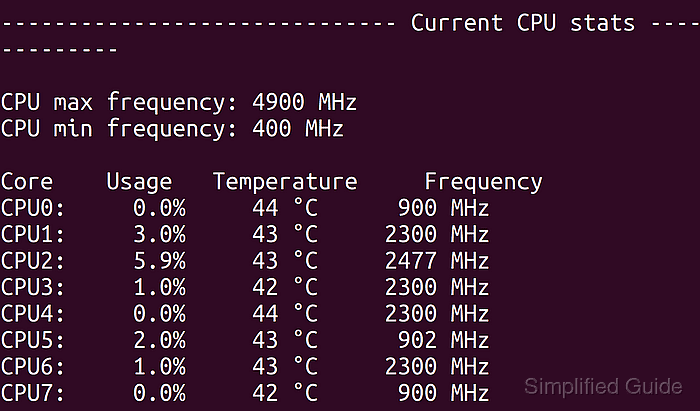
Credit: www.simplified.guide
Why Cpu Clock Matters
The CPU clock speed shows how fast your processor works. It affects how quickly your computer runs tasks. A higher clock speed means the CPU can handle more instructions per second. This helps with running programs smoothly and completing jobs faster.
Understanding the CPU clock is key to knowing your computer’s performance. It helps you decide if your system meets your needs. It also guides you in upgrading or fixing slowdowns.
Performance And Speed
The CPU clock speed directly impacts the computer’s performance. Faster clock speeds mean quicker responses and less waiting. Tasks like opening apps, editing files, or browsing become smoother. Slow clocks cause delays and lag.
Compatibility With Software
Some software requires a minimum CPU clock speed. Programs like video editors or games need faster clocks to run well. Without enough speed, these programs may crash or run poorly. Knowing your clock speed helps avoid software issues.
Energy Consumption
CPU clock speed also affects power use. Higher speeds use more electricity and create more heat. Lower speeds save power and keep the computer cooler. Checking the clock helps balance performance with energy use.
Overclocking And Upgrades
Enthusiasts often increase the CPU clock speed to boost performance. This is called overclocking. It makes the CPU run faster than its base speed. Knowing the current clock is important before making changes. It helps avoid damage and keeps the system stable.
Ways To Check Cpu Clock Speed
Checking your CPU clock speed helps you understand your computer’s performance. It shows how fast your processor runs. There are several simple ways to find this information on your system. Each method uses built-in tools or third-party software. These options suit different users based on their needs and skills.
Using Task Manager
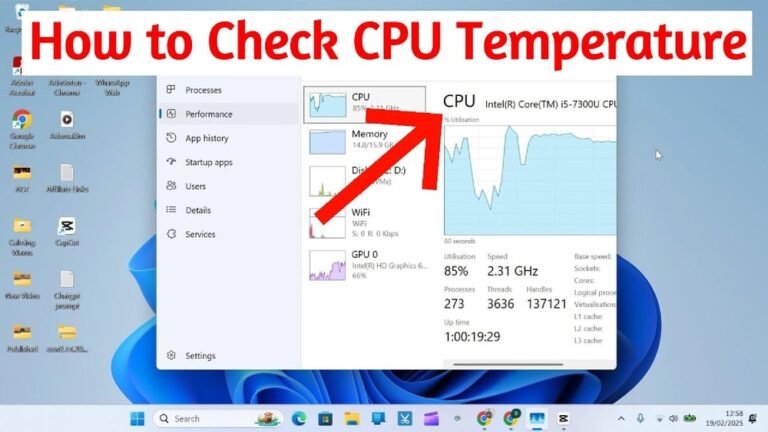
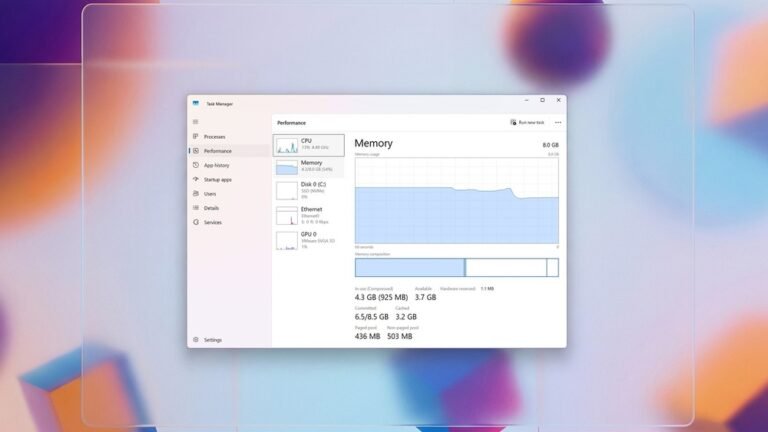
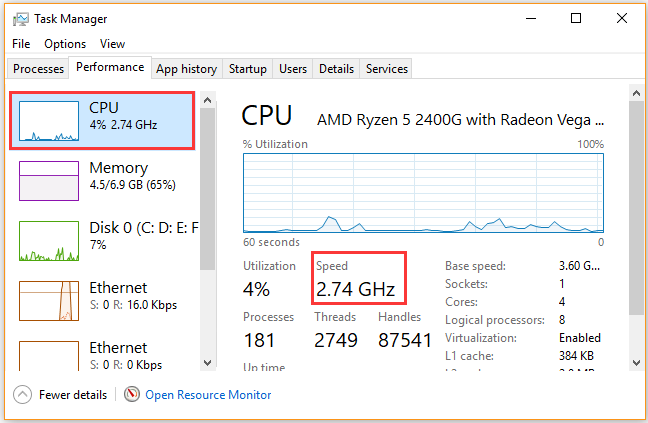
Task Manager is a quick way to check CPU speed on Windows. Press Ctrl + Shift + Esc to open it. Click the “Performance” tab, then select “CPU.” You will see the current clock speed listed in gigahertz (GHz). This value updates in real-time as your CPU changes speed.
Using System Information Tool
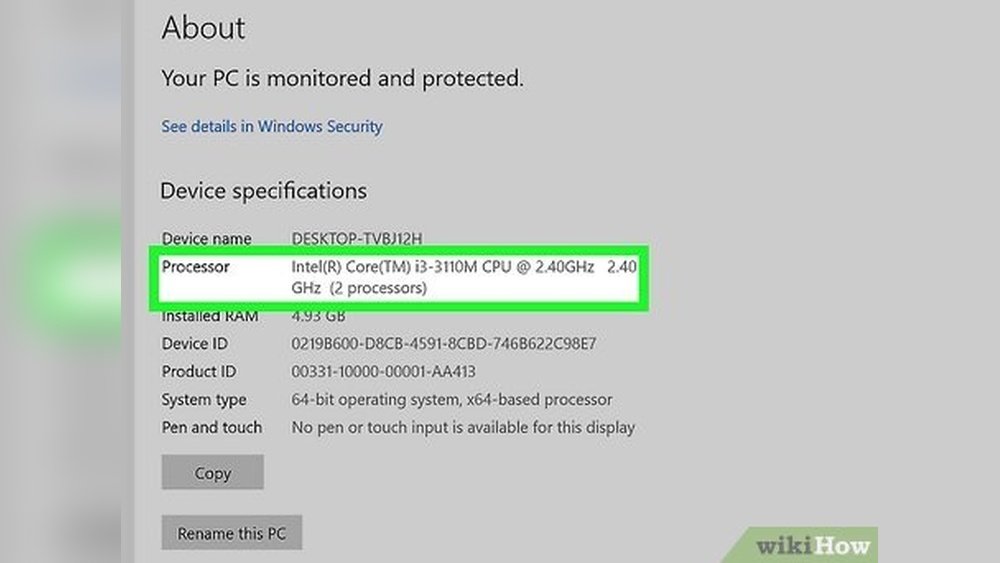
The System Information tool gives detailed data about your hardware. Press Windows + R, type “msinfo32,” and hit Enter. Look for “Processor” in the summary section. It shows the base clock speed and other CPU details. This method is useful for a quick hardware overview.
Using Third-party Software
Third-party tools offer more detailed CPU information. Programs like CPU-Z or Speccy show current and maximum clock speeds. They also display temperature and core usage. These apps are free and easy to install. They give a deeper look at your CPU’s performance.
How To Interpret Cpu Clock Results
Understanding CPU clock results helps you know your processor’s speed. This speed affects how fast your computer runs tasks. The CPU clock is measured in gigahertz (GHz). Higher GHz means the CPU can process more cycles per second.
Interpreting these results shows if your CPU meets your needs. It also reveals if your CPU runs at its full potential or needs adjustment. Below are key points to help you read CPU clock data clearly.
What Does The Cpu Clock Speed Mean?
CPU clock speed tells how many cycles the processor completes each second. One GHz equals one billion cycles per second. Faster speed means quicker data processing. But speed is not the only factor for performance.
Base Clock Vs. Boost Clock
The base clock is the normal running speed of the CPU. The boost clock is the highest speed the CPU reaches when needed. Boost clock helps in demanding tasks like gaming or video editing. Check both to understand your CPU’s full range.
Why Does Clock Speed Vary?
CPU clock speed changes based on workload and temperature. It lowers to save energy or reduce heat. High speed runs only when more power is needed. This helps keep the CPU safe and efficient.
Comparing Cpu Clock Speeds
Comparing speeds between CPUs helps pick the right one. Don’t rely on GHz alone. Other features like core count and architecture matter. Use clock speed as a guide, not the only measure.
Tips To Boost Cpu Clock Speed
Boosting your CPU clock speed helps your computer run faster and handle tasks better. Small changes can improve performance without buying new hardware. Follow these simple tips to increase your CPU speed safely and effectively.
Adjusting Bios Settings
Enter your computer’s BIOS to change CPU settings. Increase the CPU multiplier to raise the clock speed. Save changes and restart your computer to apply them. Be careful not to set values too high. Check your motherboard manual for specific options.
Overclocking Safely
Overclocking pushes your CPU beyond its base speed. Increase clock speed slowly and test stability after each step. Use stress test tools to check for crashes or errors. Stop if your system becomes unstable. Overclocking voids warranty and may shorten CPU life.
Improving Cooling Solutions
Higher clock speeds generate more heat. Upgrade your CPU cooler to keep temperatures low. Clean dust from fans and heat sinks regularly. Good airflow inside the case also helps. Cooler CPUs run better and last longer.
Credit: www.partitionwizard.com
Monitoring Cpu Performance Regularly
Monitoring CPU performance regularly helps keep your computer healthy. It shows how fast your processor runs and if it handles tasks well. Checking CPU clock speed often prevents slowdowns and overheating. It also helps spot problems early before they get worse.
Simple checks save time and avoid costly repairs. You learn how your CPU works under different conditions. This knowledge improves your computer use and maintenance.
Using Built-in Tools For Quick Checks
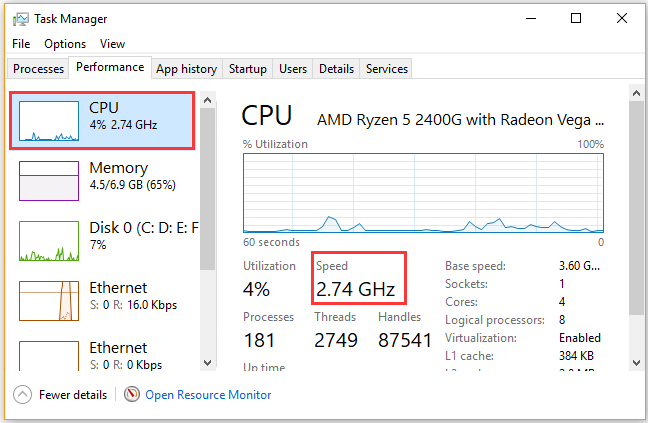
Windows and Mac have tools that show CPU clock speed. On Windows, Task Manager displays real-time CPU speed and usage. On Mac, Activity Monitor provides similar details. These tools are easy to open and use anytime.
Installing Third-party Software For Detailed Monitoring
Third-party apps offer more detailed CPU information. They track clock speed, temperature, and load continuously. Some popular apps include CPU-Z and HWMonitor. These tools help spot unusual changes in performance.
Setting Alerts For Abnormal Cpu Activity
Some monitoring tools allow setting alerts. Alerts warn you if CPU speed drops or rises too much. This helps prevent overheating or hardware damage. Alerts keep your system safe without constant checking.
Credit: www.partitionwizard.com
Frequently Asked Questions
How Do I Check My Cpu Clock Speed On Windows?
You can check CPU clock speed on Windows using Task Manager or Command Prompt. Open Task Manager, go to Performance, and select CPU. The current speed is displayed. Alternatively, use the command “wmic cpu get name, CurrentClockSpeed” in Command Prompt.
What Tools Show Cpu Clock Speed Accurately?
CPU-Z and HWMonitor are popular tools to check CPU clock speed. They provide real-time monitoring of CPU performance. These tools also show detailed processor information, including base and boost clock speeds, helping users track CPU frequency accurately.
Can Cpu Clock Speed Change Dynamically?
Yes, CPU clock speed changes dynamically based on workload. Modern CPUs use technologies like Intel Turbo Boost or AMD Precision Boost to increase speed temporarily. This helps balance performance and energy efficiency by adjusting clock speeds to suit the task.
Why Is Cpu Clock Speed Important?
CPU clock speed determines how fast your processor can execute instructions. Higher clock speed generally means better performance for tasks and applications. However, overall speed depends on multiple factors, including cores, architecture, and software optimization.
Conclusion
Checking your CPU clock speed helps you understand your computer’s performance. It only takes a few easy steps to find this information. Knowing your CPU clock can guide you in upgrading or troubleshooting. Use built-in tools or simple software to check it quickly.
Keep your system updated for the best results. Now, you can confidently check your CPU clock anytime you want. Simple and useful, right?