How to Get Rid of Fps Gpu Cpu Lat: Ultimate Fixes Revealed
Are you frustrated by lagging gameplay and slow response times? If your FPS, GPU, or CPU latency is holding you back, you’re not alone.
These issues can turn your gaming experience into a constant battle against delays and stutters. But what if you could fix them and enjoy smooth, fast performance every time you play? You’ll discover simple, effective steps to get rid of FPS drops and reduce GPU and CPU latency.
Keep reading, and reclaim control over your gaming like never before.

Credit: www.reddit.com
Causes Of Fps And Latency Issues
FPS and latency issues often frustrate gamers and PC users. These problems cause stuttering, delays, and poor gameplay experience. Understanding their causes helps fix them effectively.
Several factors affect FPS and latency. Some relate to hardware, others to software or network conditions. Identifying the root cause is the first step to better performance.
Impact Of Gpu Bottlenecks
The GPU handles all graphics tasks in games and applications. If it is weak or overloaded, FPS drops occur. This creates choppy visuals and slow frame rendering. A bottleneck happens when the GPU cannot keep up with the game’s demands. Upgrading the GPU or lowering graphics settings can ease this problem.
Cpu Performance Limits
The CPU processes game logic and instructions. A slow or busy CPU can limit FPS. It struggles with complex physics, AI, or many tasks at once. CPU bottlenecks cause frame drops and lag. Closing background programs and using a faster CPU improves performance.
Network Latency Effects
Latency means delay in data travel over the internet. High latency causes slow responses in online games. This leads to lag, rubberbanding, and missed actions. Poor Wi-Fi or distant servers increase latency. Using a wired connection or closer servers reduces delay.
Software And Driver Problems
Outdated or faulty drivers affect FPS and latency. Graphics drivers must match the GPU and game requirements. Bugs in drivers or game software cause crashes and slowdowns. Regular updates and clean installs fix many issues. Also, some software conflicts reduce performance.

Credit: www.youtube.com
Optimizing Gpu For Better Fps
Optimizing your GPU is key to improving FPS in games. A better GPU setup helps reduce lag and makes gameplay smoother. Small changes can make a big difference. Let’s explore simple steps to get the most from your graphics card.
Updating Graphics Drivers
Graphics drivers control your GPU’s performance. Old drivers cause slow FPS and lag. Check for updates from your GPU maker’s website. Install the latest version to fix bugs and improve speed. Update drivers regularly to keep your GPU running well.
Adjusting In-game Settings
Lowering game settings reduces GPU load. Start with resolution and texture quality. Turn off shadows and extra effects. Use presets like “medium” or “low” for better FPS. Balance visual quality and smooth gameplay. Find settings that keep the game playable and fast.
Overclocking Gpu Safely
Overclocking makes your GPU run faster. Increase clock speeds slowly and test each step. Use software like MSI Afterburner for control. Watch temperature and stability closely. Stop if the GPU gets too hot or crashes. Safe overclocking can boost FPS without damage.
Improving Cooling Solutions
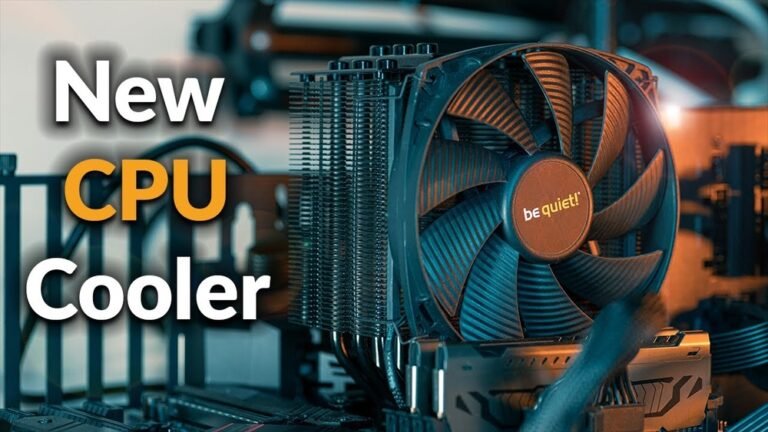
Heat lowers GPU performance. Clean dust from fans and vents often. Use extra fans or a better GPU cooler. Keep your PC in a cool, ventilated place. Good cooling keeps FPS steady and prevents lag. Cooler GPUs last longer and run faster.
Enhancing Cpu Performance
Enhancing CPU performance plays a key role in reducing FPS drops and latency. The CPU handles many tasks that affect gaming smoothness. A stronger CPU can process game data faster. This leads to better frame rates and less lag. Improving CPU performance can make games run smoother and more stable.
Managing Background Processes
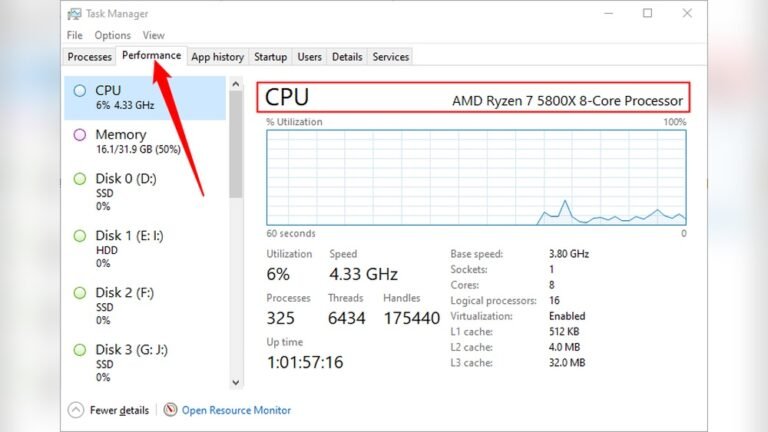
Many apps run quietly in the background. They use CPU power without you knowing. Closing unused programs frees up CPU resources. This helps games get more processing power. Use the task manager to see running processes. End tasks that are not needed during gaming sessions.
Upgrading Hardware Components
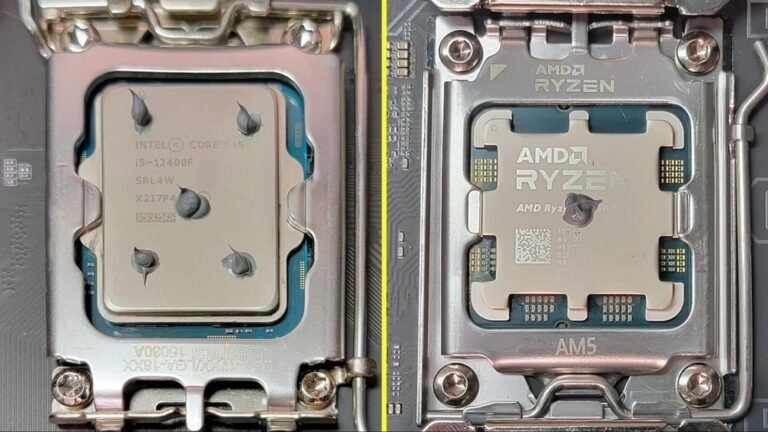
Older CPUs may struggle with new games. Upgrading to a newer processor improves performance. More cores and higher clock speeds boost game handling. Pair the CPU with enough RAM for best results. A balanced system avoids bottlenecks that slow down games.
Tweaking Power Settings
Power plans affect how your CPU works. Some plans limit CPU speed to save energy. Changing to a high-performance power plan lets the CPU run at full speed. This reduces lag and improves frame rates. Adjust power settings in your system control panel.
Utilizing Cpu Overclocking
Overclocking runs the CPU faster than its base speed. This can increase game performance. It requires careful setup to avoid overheating. Use reliable software and monitor temperatures closely. Overclocking can provide extra power for demanding games.

Credit: www.reddit.com
Reducing Network Latency
Reducing network latency is key to improving FPS, GPU, and CPU performance. Lower latency means faster data travel between your device and game server. This leads to smoother gameplay and less lag. Small changes can make a big difference in your connection speed.
Choosing The Right Server
Select a game server close to your location. The shorter the distance, the faster the data moves. Many games let you pick servers manually. Avoid servers that are crowded or far away. A local server cuts down delay and boosts response time.
Using Wired Connections
Wired connections are more stable than Wi-Fi. Use an Ethernet cable to connect your PC or console to the router. This reduces interference and packet loss. A wired link delivers consistent speeds. It helps keep your connection steady during intense gameplay.
Optimizing Router Settings
Adjust router settings for better performance. Enable Quality of Service (QoS) to prioritize gaming traffic. Turn off unused features that slow down your network. Keep your router’s firmware updated. These steps help reduce lag and improve data flow.
Minimizing Bandwidth Usage
Close apps that use the internet in the background. Streaming videos or downloads can cause lag spikes. Limit devices connected to your network while gaming. Less traffic means faster and smoother gameplay. Focus your bandwidth on the game itself.
Software Tweaks And Tools
Software tweaks and tools can improve your FPS, GPU, and CPU performance. These small changes help reduce lag and make games run smoother. They work by optimizing system settings and freeing up resources.
Applying these tweaks is simple and does not require advanced skills. Just a few adjustments can make a big difference in your gaming experience.
Game Mode And Priority Settings
Enable Game Mode in Windows to boost gaming performance. It limits background tasks and focuses power on your game. Adjust the game’s priority in Task Manager to high. This tells your PC to give more resources to the game. It helps reduce lag and increases frame rates.
Using Fps Boosting Software
Use software designed to increase FPS and reduce latency. These tools optimize graphics settings automatically. They adjust CPU and GPU usage for better balance. Some popular options include Razer Cortex and MSI Afterburner. These programs make gaming smoother without complex steps.
Cleaning Up System Files
Remove unnecessary files to free up system space. Use tools like Disk Cleanup or CCleaner for this. Clearing junk files helps your PC run faster. It reduces CPU and GPU load during gaming sessions. Regular cleanup keeps your system healthy and responsive.
Disabling Unnecessary Features
Turn off features that use extra resources during gaming. Disable background apps, notifications, and visual effects. This frees up CPU and GPU power for your game. Use Task Manager to close unneeded programs. Disabling these features lowers latency and improves FPS.
Monitoring And Testing Performance
Monitoring and testing your system’s performance helps keep your FPS, GPU, CPU, and latency issues under control. It shows where problems occur and guides you to fix them. Regular checks let you spot slowdowns early and maintain smooth gameplay. Use simple tools and routines to track how well your hardware runs and how fast your games respond.
Using Benchmarking Tools
Benchmarking tools measure your system’s speed and power. They run tests that show how well your CPU and GPU handle games. Tools like 3DMark, Cinebench, and MSI Afterburner give clear scores and graphs. Use them to compare your results with average scores. This helps identify if your hardware performs below expectations. Run these tests after hardware changes or driver updates.
Interpreting Fps And Latency Data
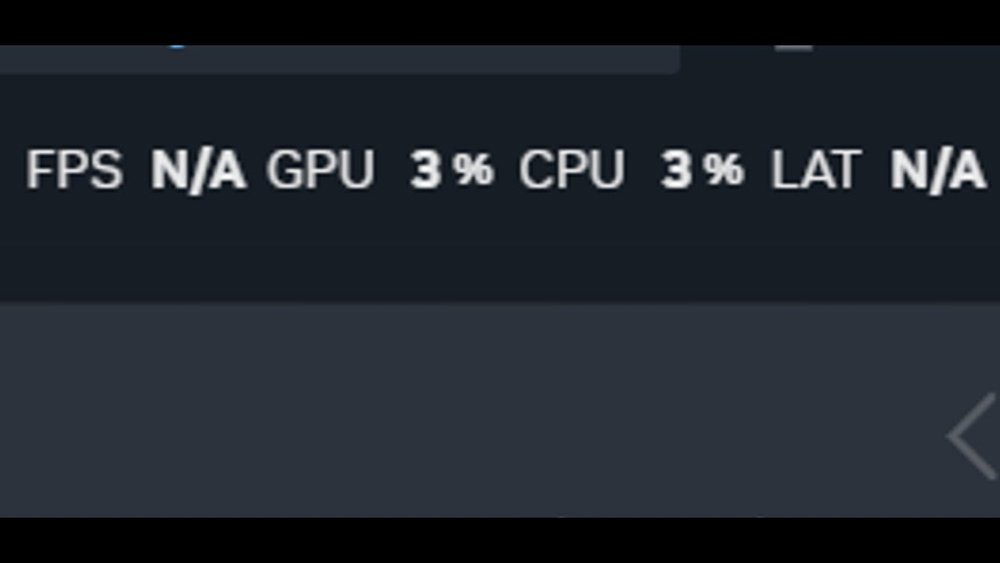
FPS (frames per second) shows how smooth your game runs. Higher FPS means better gameplay. Latency measures the delay between your actions and the game’s response. Low latency means faster reactions. Look for big drops in FPS or spikes in latency. These indicate performance problems. Use in-game tools or software like NVIDIA FrameView to track these numbers in real time.
Regular Maintenance Routines
Keep your system clean and updated for steady performance. Remove dust from fans and vents to stop overheating. Update drivers for your GPU and CPU regularly. Close unnecessary programs while gaming to save resources. Run disk cleanup and defragment your hard drive. These simple steps prevent slowdowns and keep FPS and latency stable.
Tracking Hardware Health
Monitor your hardware’s temperature and usage to avoid damage. Use apps like HWMonitor or SpeedFan to check GPU and CPU temps. High temperatures cause throttling and lag. Watch for unusual noises or crashes that may signal hardware issues. Replace old thermal paste and improve cooling if needed. Healthy hardware means better FPS and lower latency in games.
Frequently Asked Questions
What Causes High Fps Latency In Games?
High FPS latency often results from CPU or GPU bottlenecks. Overheating, outdated drivers, and background processes can also increase latency. Optimizing hardware and software settings reduces lag and improves performance.
How To Reduce Cpu Latency For Better Gaming?
Close unnecessary background apps and update your CPU drivers. Adjust power settings to high performance and ensure proper cooling. These steps help lower CPU latency and enhance gaming smoothness.
Can Gpu Updates Fix Fps Lag Issues?
Yes, updating GPU drivers often resolves FPS lag. New drivers improve compatibility and performance in games. Regular updates ensure your GPU runs efficiently and reduces latency.
Does Lowering Game Settings Improve Fps And Latency?
Lowering graphics settings reduces GPU load, boosting FPS and reducing latency. Adjust textures, shadows, and resolution for a smoother experience. This method balances visual quality and performance.
Conclusion
Fixing FPS, GPU, and CPU lag improves your gaming experience a lot. Simple steps like updating drivers and closing unused programs help a great deal. Clean your computer and check your internet connection too. Small changes often bring big results.
Keep your system healthy and enjoy smoother gameplay every time. Stay patient and try each tip carefully. This way, your games will run faster and smoother. No more frustrating delays or slowdowns. Play with confidence and have fun!