How to Know If Cpu is Bottlenecking Gpu: Ultimate Guide
Are you wondering why your gaming or graphic performance isn’t as smooth as it should be? You might be facing a CPU bottleneck that’s holding back your powerful GPU.
Knowing if your CPU is limiting your GPU’s potential is key to unlocking better performance. You’ll discover simple ways to check if your CPU is the weak link and how fixing this can boost your system’s speed. Keep reading to find out exactly what to look for and take control of your computer’s power!
Signs Of Cpu Bottleneck
Signs of a CPU bottleneck reveal when your processor limits your graphics card’s performance. Knowing these signs helps you find the problem fast. This makes your gaming or work smoother and more enjoyable.
Check your system carefully for these key signs. They show if your CPU is holding back your GPU.
Low Cpu Usage With High Gpu Load
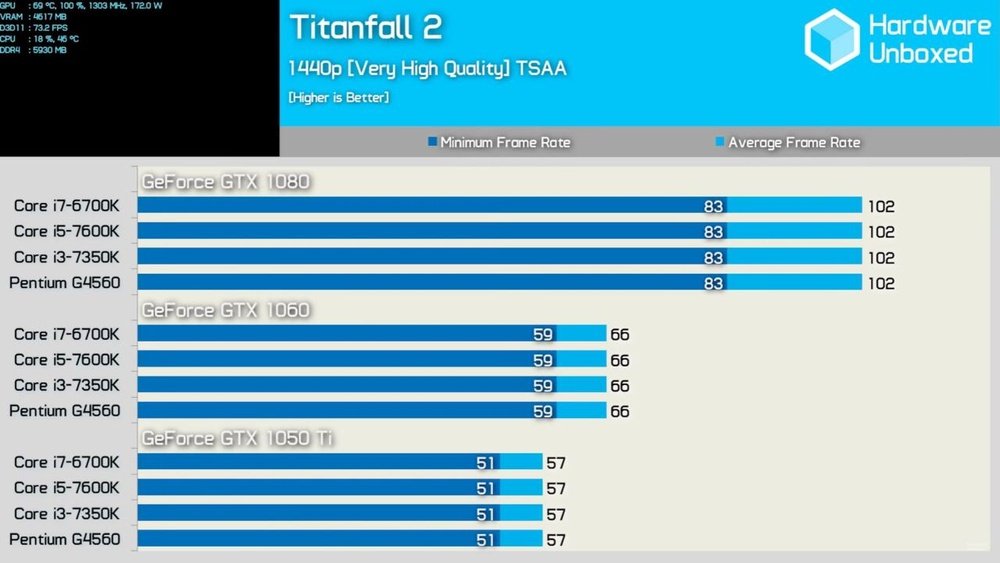
When your CPU shows low usage but your GPU runs at full power, a bottleneck might exist. Your processor may not keep up with the graphics card’s demands. This mismatch causes the GPU to wait, lowering overall performance.
Frame Rate Drops And Stuttering
Sudden frame drops or stuttering during games often point to CPU bottlenecks. The CPU cannot process game data fast enough. This delay causes uneven frame delivery and a less smooth experience.
High Cpu Temperatures
A CPU running very hot can signal a bottleneck. High usage causes heat buildup. This happens when the processor works hard to keep up with the GPU’s tasks, pushing it beyond normal limits.
Unbalanced System Performance
Notice your system feels uneven in power? This often means the CPU and GPU are not balanced. A strong GPU with a weak CPU can cause lag in complex tasks. Balanced parts ensure smooth, reliable performance.
Credit: www.youtube.com
Tools To Detect Bottlenecks
Detecting if your CPU is bottlenecking your GPU requires the right tools. These tools help measure how your CPU and GPU perform together. They show if one part limits the other. Using these tools makes it easier to spot problems and fix them.
You do not need advanced skills to use most of these tools. They give clear data about your system’s performance. Let’s explore some common tools to detect bottlenecks.
Using Task Manager
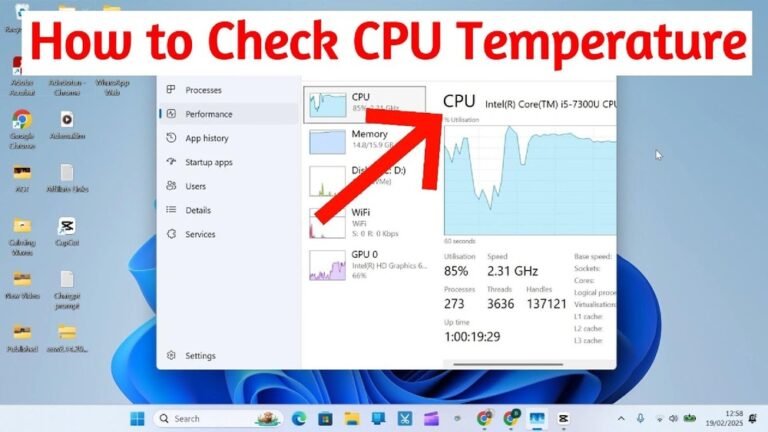
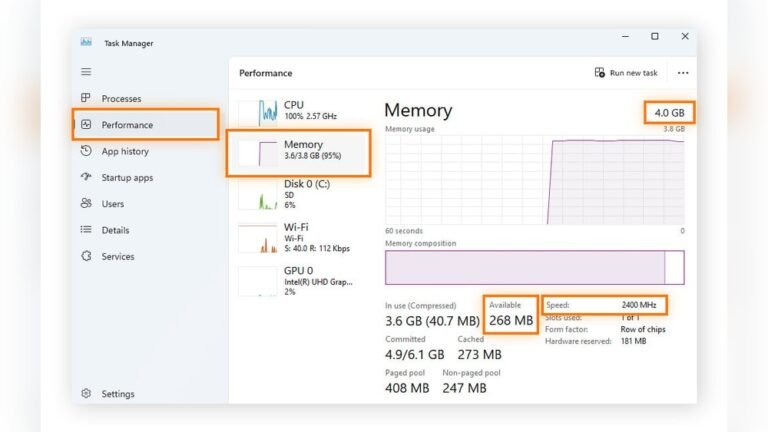
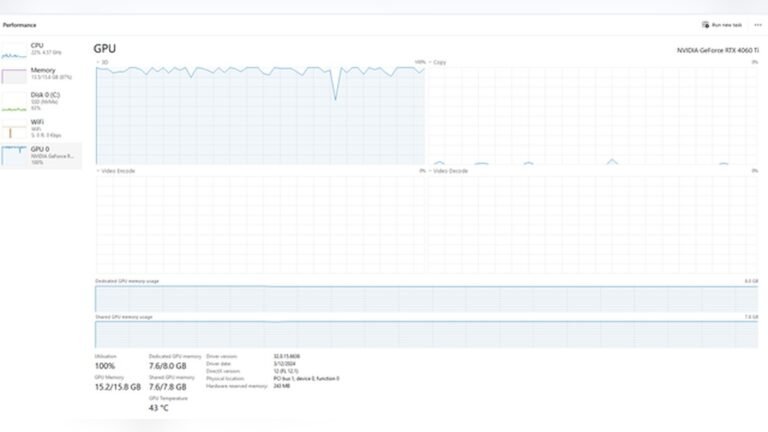
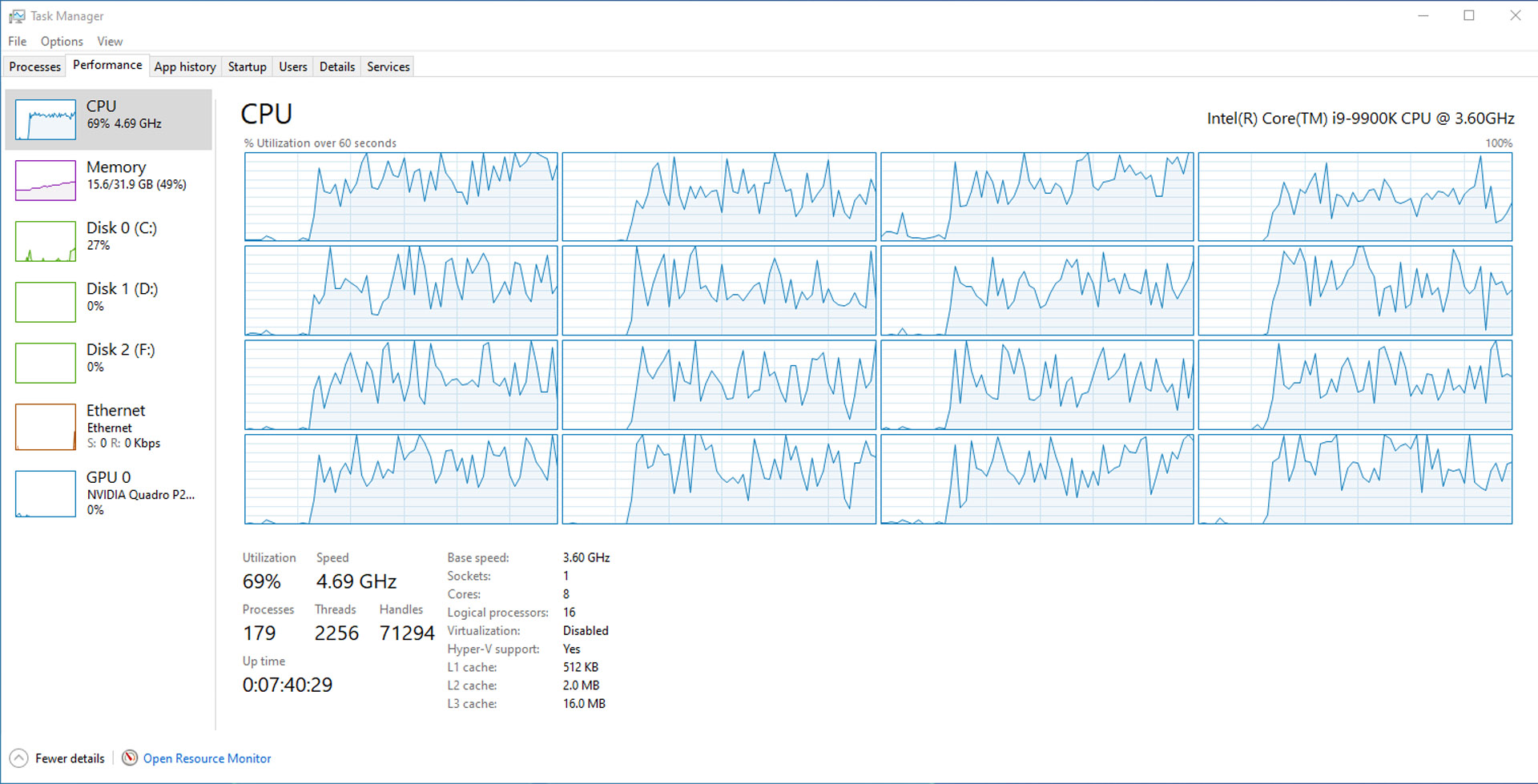
Task Manager is built into Windows. It shows real-time CPU and GPU usage. Open it by pressing Ctrl + Shift + Esc. Check the “Performance” tab for CPU and GPU graphs. If the CPU usage stays near 100% while the GPU is low, the CPU might be bottlenecking. This tool is simple and quick for a basic check.
Third-party Monitoring Software
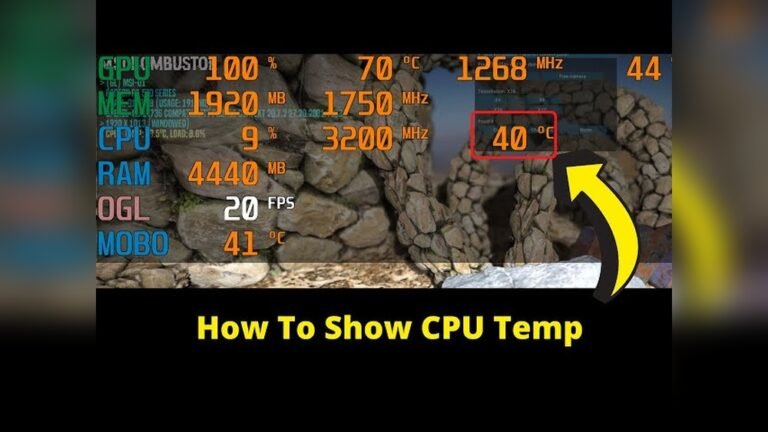
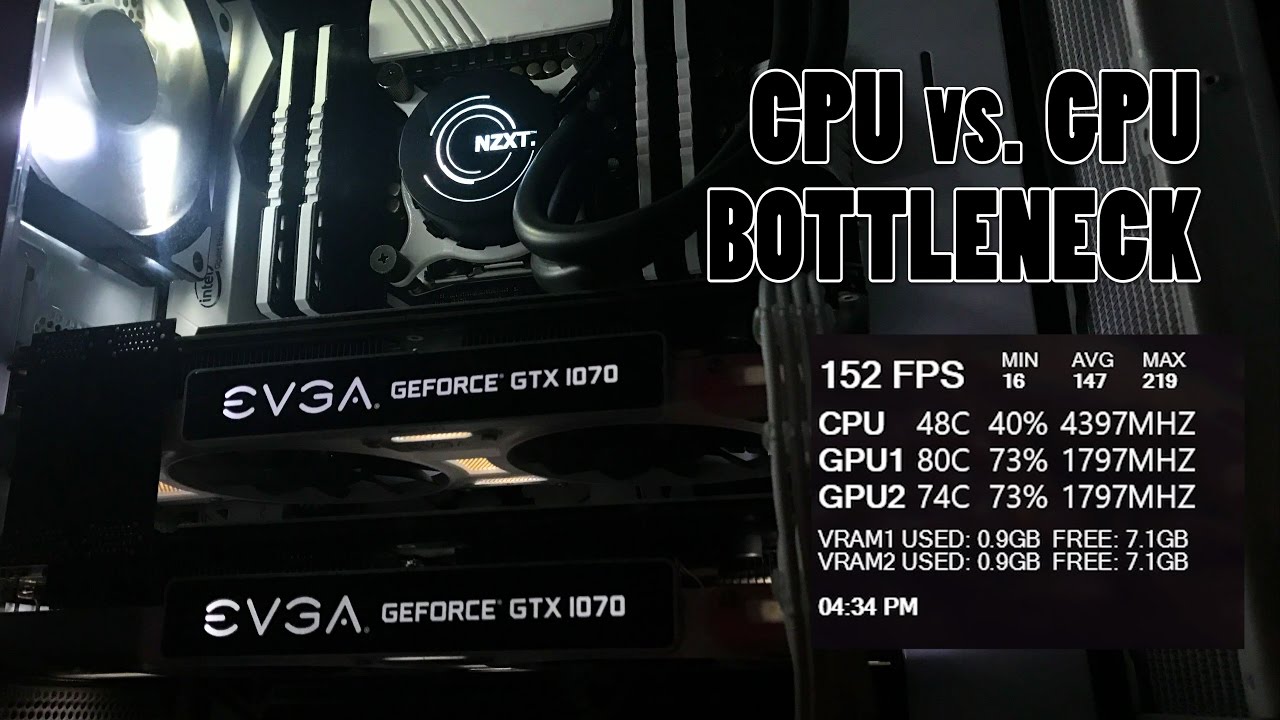
Third-party apps offer deeper insights than Task Manager. Programs like MSI Afterburner and HWMonitor track CPU and GPU stats closely. They show temperatures, clock speeds, and usage percentages. These tools help spot if the CPU limits GPU power during gaming or heavy tasks. Many are free and easy to install.
Benchmarking Applications
Benchmarking apps test your CPU and GPU under heavy loads. Examples include 3DMark and Cinebench. These programs run stress tests and score your hardware’s performance. Comparing scores helps find if the CPU slows down the GPU. Benchmarking gives clear proof of bottlenecks by pushing your system hard.
In-game Performance Metrics
Some games display CPU and GPU usage during play. These metrics show which component works harder. Look for frame rate drops or stutters with high CPU load but low GPU use. This pattern signals a CPU bottleneck. In-game data helps understand real-world performance without extra software.
Testing For Cpu And Gpu Limits
Testing for CPU and GPU limits helps find which part slows your computer. This process shows if the CPU or GPU stops your system from running faster. You can check this by running tasks that use mostly the CPU or the GPU. Then, compare how your system performs under each task. Adjusting game settings also helps see if the CPU or GPU is the weak link.
Running Cpu-intensive Tasks
Run programs that use a lot of CPU power, like video editing or data processing. Watch the CPU usage in Task Manager or similar tools. If the CPU runs at 90% or higher while the GPU stays low, the CPU might be the limit. This means your processor struggles to keep up.
Running Gpu-intensive Tasks
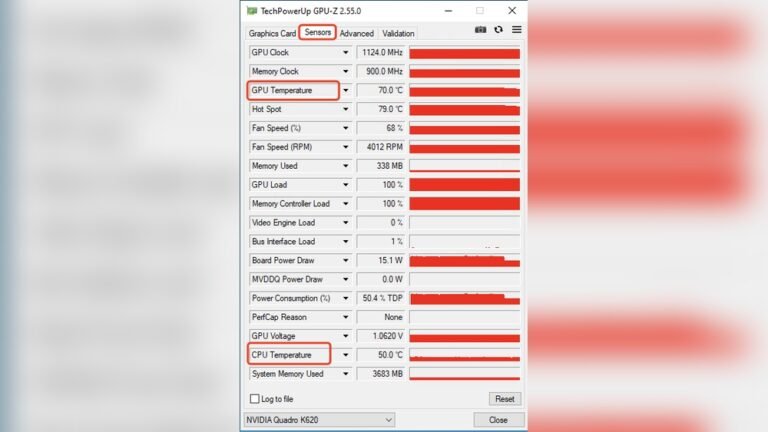
Try games or applications that demand a lot from the graphics card. Check GPU usage with tools like MSI Afterburner or GPU-Z. When the GPU hits close to 100% and the CPU is much lower, the GPU is working hard. The CPU is likely not holding back performance here.
Comparing System Performance
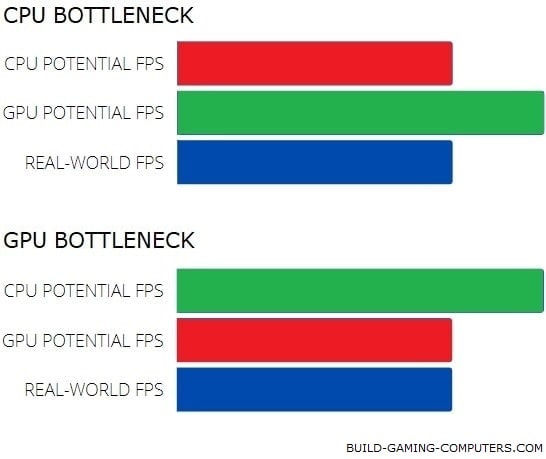
Compare performance in both CPU and GPU tests. High CPU use and low GPU use means a CPU bottleneck. High GPU use and low CPU use means a GPU bottleneck. Balanced use of both parts shows a well-matched system. This helps you decide which part needs an upgrade.
Adjusting Game Settings
Change game settings to shift the load between CPU and GPU. Lower graphics settings reduce GPU load but increase CPU demand. Higher graphics settings increase GPU load but lessen CPU work. Watch frame rates and usage to find which part limits performance. This method helps pinpoint the bottleneck clearly.
Impact Of Bottlenecks On Gaming
Bottlenecks between the CPU and GPU can affect gaming in several ways. When one component limits the other, the overall performance drops. This creates a less smooth and less enjoyable gaming experience. Understanding these impacts helps to spot and fix problems fast.
Reduced Frame Rates
A CPU bottleneck often lowers frame rates. The GPU waits for the CPU to finish tasks. This delay slows down the whole system. Games run less smoothly, causing choppy visuals. Frame drops make fast-paced games hard to play.
Input Lag And Responsiveness
Bottlenecks increase input lag. Actions like moving or shooting respond slower on screen. This lag frustrates players, especially in competitive games. Quick reactions become difficult. The delay ruins the feeling of control.
Visual Quality Compromises
To maintain speed, games may reduce visual quality. Graphics settings like shadows and textures get lowered. The game looks less detailed or sharp. This trade-off keeps frame rates stable but hurts immersion.
Solutions To Reduce Bottleneck
Reducing a CPU bottleneck can greatly improve your computer’s performance. It helps your GPU run smoothly and use its full power. Several solutions can help balance your system and reduce bottlenecks. These range from hardware upgrades to simple settings adjustments. Explore these options to boost your PC’s efficiency.
Upgrading The Cpu
Replacing your current CPU with a faster model can reduce bottlenecks. A stronger CPU processes data quicker, matching your GPU’s speed. Choose a CPU that fits your motherboard and budget. This change often leads to better gaming and multitasking performance.
Overclocking Options
Overclocking increases the CPU’s clock speed beyond factory settings. This can improve performance without buying new hardware. Use reliable software and monitor temperatures closely. Overclocking can boost your CPU’s power but may cause overheating or instability if done wrong.
Optimizing System Settings
Adjusting system settings helps reduce unnecessary CPU load. Close background programs that use CPU resources. Update drivers and keep your operating system clean. These steps free up CPU power for your GPU to use efficiently.
Balancing Graphics Settings
Lowering some graphics settings in games can ease CPU strain. Options like shadow quality or draw distance often use more CPU. Reduce these settings to balance load between CPU and GPU. This makes gameplay smoother without major sacrifices in visuals.
Credit: www.build-gaming-computers.com
Preventing Future Bottlenecks
Preventing future bottlenecks between your CPU and GPU helps keep your computer running smoothly. It means your system can handle games and programs without slowing down. Planning ahead avoids frustration and saves money on fixes later. Small steps can make a big difference in performance.
Choosing Compatible Hardware
Pick a CPU and GPU that work well together. Check their speeds and power levels. Avoid pairing a very fast GPU with a slow CPU. Balanced parts prevent one from holding back the other. Read reviews and guides before buying new hardware.
Regular System Maintenance
Keep your system clean inside and out. Dust can cause overheating, which slows down parts. Clear out old files and unused programs. Run virus scans often to keep your system safe. A clean system runs faster and lasts longer.
Staying Updated With Drivers
Install the latest drivers for your CPU and GPU. Drivers help hardware work well with your software. Updates fix bugs and improve speed. Check for updates every few weeks. Use official websites to download drivers safely.
Planning For Future Upgrades
Think about your future needs before upgrading. Choose parts that allow easy upgrades later. Check if your motherboard supports newer CPUs or GPUs. Save money by upgrading parts slowly over time. This keeps your system modern without extra cost.
Credit: develop3d.com
Frequently Asked Questions
How Can I Tell If My Cpu Is Bottlenecking My Gpu?
Check your CPU and GPU usage during gaming or benchmarking. If CPU usage is at 90%+ while GPU usage is below 70%, your CPU might be bottlenecking your GPU performance.
What Symptoms Indicate A Cpu Bottleneck In Gaming?
Low frame rates, stuttering, and inconsistent performance often signal a CPU bottleneck. Your GPU may be underutilized while the CPU struggles to keep up.
Can Software Tools Detect Cpu Bottlenecks On Gpu?
Yes, tools like MSI Afterburner and Task Manager show CPU and GPU usage. Comparing these metrics helps identify if the CPU limits GPU performance.
Does Upgrading My Cpu Always Fix Gpu Bottlenecks?
Upgrading the CPU often reduces bottlenecks, but only if the CPU was the limiting factor. Ensure compatibility and balanced hardware for best results.
Conclusion
Knowing if your CPU limits your GPU helps improve your PC’s performance. Check your system’s frames per second and CPU usage during games. A high CPU load with low GPU use means a bottleneck. Fixing it can make games run smoother and faster.
Keep your drivers updated and balance your hardware well. Small changes bring better gaming and fewer slowdowns. Watch your system closely to enjoy the best experience possible.