How to Connect Laptop to Desktop Cpu: Easy Steps for Seamless Setup
Have you ever wished you could use your laptop and desktop CPU together seamlessly? Connecting these two devices can boost your productivity, give you more screen space, and make file sharing a breeze.
But if you’re unsure where to start or worried it’s too complicated, you’re in the right place. In this guide, you’ll learn simple, step-by-step methods to link your laptop to your desktop CPU quickly and easily. Keep reading, and you’ll discover how to make your devices work smarter, not harder.

Credit: softwareg.com.au
Prepare Your Devices
Preparing your devices is the first step to connect a laptop to a desktop CPU. This step helps ensure a smooth and error-free connection. It saves time and prevents damage to your devices.
Check Compatibility
Check if your laptop and desktop support the connection method. Look for matching ports like HDMI, USB, or Ethernet. Confirm your laptop’s operating system supports the connection type. Also, check the desktop CPU’s settings for compatibility. This step avoids connection failures and technical issues.
Gather Necessary Cables And Adapters
Collect all cables needed for the connection. Common cables include HDMI, VGA, USB, or Ethernet. Some laptops require adapters to connect to desktop ports. Make sure adapters fit your laptop’s and desktop’s ports. Having all cables and adapters ready speeds up the setup process.

Credit: www.youtube.com
Choose Connection Method
Choosing the right way to connect your laptop to a desktop CPU is important. It affects how well the devices work together. Different methods suit different needs. Some connections let you use the desktop screen for your laptop. Others let you share files easily. Pick the method that fits your tasks and available ports.
Using Hdmi Or Vga Cable
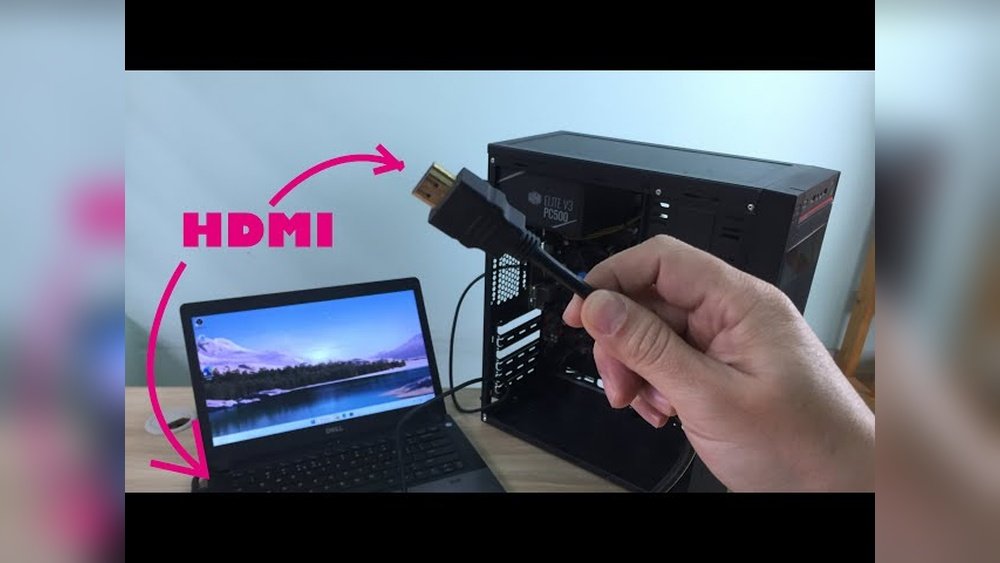
HDMI and VGA cables are common for video and audio transfer. HDMI carries both sound and picture. VGA only sends video. Connect one end to your laptop and the other to the desktop CPU. Switch your desktop to the right input. Your laptop screen will show on the desktop monitor. This method is simple and fast for screen sharing.
Connecting Via Usb
USB connections let you transfer files or share devices. Use a USB data transfer cable made for this. Plug the cable into both machines. Install any needed software. This setup allows quick file sharing or using the desktop’s keyboard and mouse. USB connection is useful for data exchange without internet.
Setting Up Network Sharing
Network sharing links your laptop and desktop over Wi-Fi or Ethernet. Both devices must connect to the same network. Enable file sharing on both computers. Share folders or drives to access them from either machine. This method works well for moving files or using shared printers. It needs some setup but offers flexible access.
Connect Hardware
Connecting your laptop to a desktop CPU needs careful hardware setup. This step ensures both devices communicate well. Proper hardware connection helps share files, use the desktop’s screen, or control the desktop from the laptop. Follow simple steps to connect the devices correctly and safely.
Plugging In Video Cables
Find the video ports on both devices. Most desktops use HDMI, DisplayPort, or VGA cables. Laptops often have HDMI or USB-C ports for video output. Choose the right cable that fits both devices. Plug one end into the desktop’s video input port. Connect the other end to the laptop’s video output port. Secure the connection to avoid loose cables. This setup lets you use the desktop monitor for your laptop’s display.
Establishing Usb Links
USB cables allow direct data transfer between devices. Use a USB-to-USB data transfer cable designed for this purpose. Plug one end into the laptop’s USB port. Connect the other end to the desktop’s USB port. Avoid regular USB cables as they do not support data transfer between two computers. After connecting, install any required software. This link helps share files fast and easy.
Configuring Network Connections
Network connections let devices share internet and files. Use an Ethernet cable to connect both devices directly. Plug one end into the laptop’s Ethernet port. Connect the other end to the desktop’s Ethernet port. Alternatively, connect both devices to the same Wi-Fi network. Set file sharing options on both devices. This allows easy access to files and printers over the network.
Adjust Display Settings
Adjusting display settings is essential after connecting your laptop to a desktop CPU. It helps control how screens work together. You can make the most of both screens for work or entertainment. This step lets you customize your viewing experience easily.
Extend Or Duplicate Screen
Choose to extend or duplicate your screen based on your needs. Extend screen means your desktop spans across both monitors. This gives you more space to open windows and apps. Duplicate screen shows the same image on both displays. It is useful for presentations or sharing content quickly.
Set Primary And Secondary Displays
Decide which screen is primary and which is secondary. The primary display shows your main desktop and taskbar. The secondary display acts as extra space for apps and windows. Setting this correctly helps you manage your workflow better. You can switch displays anytime in the settings menu.
Troubleshoot Common Issues
Troubleshooting is key when connecting a laptop to a desktop CPU. Small problems can block the connection. Knowing common issues helps fix them fast. This saves time and reduces frustration. Let’s explore some frequent troubles and quick fixes.
No Signal Detected
Sometimes the laptop screen stays black or shows no signal. Check if the cable is plugged in tightly. Use the correct input source on your monitor. Try a different cable or port to rule out hardware issues. Restart both devices to refresh the connection.
Display Resolution Problems
The screen may look blurry or parts might be cut off. Adjust the display settings on your laptop. Choose a resolution that matches your monitor’s native size. Use the display settings menu to extend or duplicate the screen. Keep drivers updated to avoid compatibility problems.
Network Connection Errors
Connecting through a network might fail due to errors. Check if both devices are on the same Wi-Fi or wired network. Restart your router to clear network glitches. Disable firewalls or antivirus temporarily to test connection. Use network troubleshooting tools on your laptop for help.
Optimize Performance
Optimizing the performance of your connected laptop and desktop CPU is essential for smooth operation. Proper setup ensures faster data transfer and better multitasking. Small tweaks can make a big difference in how well your devices work together.
Update Drivers
Updating drivers improves device communication and fixes bugs. Check for the latest drivers for your laptop’s network and USB ports. Visit the manufacturer’s website to download updates. Keep drivers current to avoid connection issues and slowdowns.
Manage Power Settings
Adjust power settings to enhance performance and save energy. Use the high-performance mode on both devices during heavy use. Set sleep and screen timeout options to longer intervals. Balanced power settings prevent interruptions while keeping devices cool.
Secure Your Connection
Connecting your laptop to a desktop CPU creates many benefits. You can share files and resources easily. But security matters most. Protect your data and devices from threats. Secure your connection before starting any sharing.
Enable Firewall Settings
Firewalls block unwanted access to your devices. Turn on firewall settings on both laptop and desktop. This action stops hackers from entering your network. Use built-in firewalls in Windows or Mac. Keep firewall rules updated for better protection.
Use Strong Passwords For Network Sharing
Create strong passwords for all shared folders and drives. Use a mix of letters, numbers, and symbols. Avoid simple or common passwords. Change passwords regularly to keep safety high. Strong passwords stop unauthorized users from accessing files.

Credit: www.reddit.com
Frequently Asked Questions
How Can I Connect My Laptop To A Desktop Cpu?
You can connect your laptop to a desktop CPU using an Ethernet cable, Wi-Fi network, or remote desktop software. Choose the method based on your needs, like file sharing, screen sharing, or internet access. Ensure both devices are on the same network for seamless connection.
What Cables Are Needed To Link Laptop And Desktop Cpu?
The most common cables are Ethernet cables for wired connections and HDMI or VGA cables for display sharing. USB cables can be used for data transfer. Select cables compatible with your devices’ ports for easy and effective connection.
Can I Share Files Between Laptop And Desktop Cpu Easily?
Yes, file sharing is simple via network sharing, cloud storage, or USB drives. Enable network sharing on both devices for direct access. Use cloud services like Google Drive for wireless sharing. USB drives offer offline, quick file transfers.
Is Remote Desktop Software Required To Connect Laptop To Desktop Cpu?
Remote desktop software is optional but useful for controlling your desktop from your laptop. Programs like TeamViewer or Windows Remote Desktop allow full access. It’s ideal for remote work, troubleshooting, or accessing files without physical connection.
Conclusion
Connecting your laptop to a desktop CPU can improve your work setup. Use the right cables and follow simple steps for a smooth connection. Check all ports and settings carefully before starting. A clear connection helps you share files and use devices easily.
Take your time and double-check each step. This guide makes the process easy to follow. Now you can enjoy better productivity and convenience with both devices linked.