How to See Whats Using Up My CPU: Quick Tips to Boost Speed
Is your computer suddenly running slow or overheating? You might be wondering, “What’s using up my CPU?”
Knowing exactly which programs or processes are hogging your CPU can help you fix the problem fast. You’ll learn simple steps to find out what’s eating up your computer’s power. By the end, you’ll have the tools to take control and make your PC run smoothly again.
Keep reading—you’ll be surprised how easy it is to spot the culprit and boost your computer’s performance.
Check Task Manager
Checking the Task Manager is the first step to find what uses your CPU. It shows all the programs and processes running on your computer. You can see which ones use the most CPU power. This helps you decide what to close or fix to speed up your PC.
Open Task Manager Fast
Press Ctrl + Shift + Esc keys together to open Task Manager quickly. This shortcut works on most Windows versions. You can also right-click the taskbar and select “Task Manager” from the menu. The Task Manager window will show up instantly.
Identify High Cpu Processes
Look at the “Processes” tab in Task Manager. Find the “CPU” column and click it to sort by CPU usage. The processes using the most CPU will appear at the top. These are the programs that slow down your computer. You can select them and click “End Task” to stop them.

Credit: glyndewis.com
Use Resource Monitor
Resource Monitor is a powerful tool in Windows that shows detailed information about CPU use. It helps find which programs or processes use the most CPU power. This tool gives clear data to help you fix slow computer problems. Using Resource Monitor is simple and gives real-time updates.
Access Resource Monitor
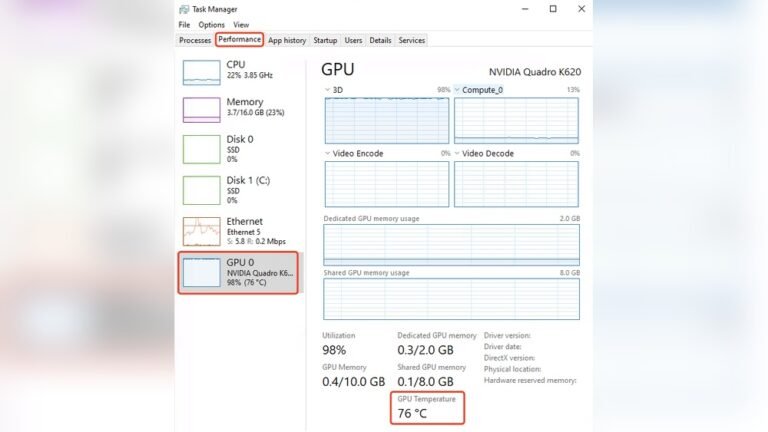
Press Ctrl + Shift + Esc to open Task Manager. Click the Performance tab. At the bottom, select Open Resource Monitor. You can also type Resource Monitor in the Start menu search box and press Enter. The Resource Monitor window will open with several tabs. Click the CPU tab to see CPU activity.
Analyze Cpu Usage Details
Look at the list of processes using CPU power. The Processes section shows each program and its CPU percentage. Sort by the CPU column to see the highest users first. The Services section lists background services using CPU. Check the Associated Handles and Associated Modules for more details. This helps find hidden causes of high CPU use.
Spot Background Apps
Background apps can quietly use your CPU without clear signs. These apps run in the background and slow down your computer. Spotting these hidden CPU users helps improve your system’s speed and performance. You can take simple steps to find and control them.
Find Hidden Cpu Hogs
Open Task Manager by pressing Ctrl + Shift + Esc. Click on the “Processes” tab to see all running apps. Look for apps using high CPU percentages. Some apps run without showing in the taskbar. These hidden apps can use a lot of CPU power. Ending or pausing them can free up resources fast.
Manage Startup Programs
Many apps start automatically when you turn on your PC. These startup programs may use CPU even if you do not need them. To manage them, open Task Manager and go to the “Startup” tab. Disable apps that you do not use often. This step speeds up boot time and reduces background CPU use.

Credit: superuser.com
Scan For Malware
Malware can use a lot of your CPU power without clear reasons. It runs in the background, slowing down your computer. Scanning for malware helps find hidden threats. Removing these threats can improve your CPU’s performance quickly.
Run Antivirus Checks
Start by running a full antivirus scan on your PC. Use trusted antivirus software for accurate results. The scan finds viruses, spyware, and other malware. Let the program check all files and folders. This process may take some time but is important. After the scan, follow the software’s advice to remove threats.
Remove Unwanted Software
Malware sometimes comes as unwanted software or apps. Check your installed programs for anything suspicious or unknown. Remove software that you do not recognize or use. Some programs may run in the background and use CPU power. Deleting these can free up resources. Restart your computer to complete the removal process.
Update Drivers And Software
Updating drivers and software plays a big role in managing CPU usage. Old or faulty drivers can cause your CPU to work harder than needed. Software that is out of date might also use more CPU power. Keeping these updated helps your computer run smoothly and fast.
Check For Driver Updates
Drivers control how your hardware talks to your computer. Old drivers can slow down your system and increase CPU load. Check your device manager or manufacturer’s website for the latest drivers. Install updates to fix bugs and improve performance. This can reduce unnecessary CPU use and stop crashes.
Keep Software Current
Software updates often fix bugs and improve efficiency. Running old software can lead to high CPU use and slow response. Set your programs to update automatically or check for updates regularly. This keeps apps running well and lowers CPU demand. Updated software also helps protect your computer from security risks.

Credit: www.reddit.com
Adjust Power Settings
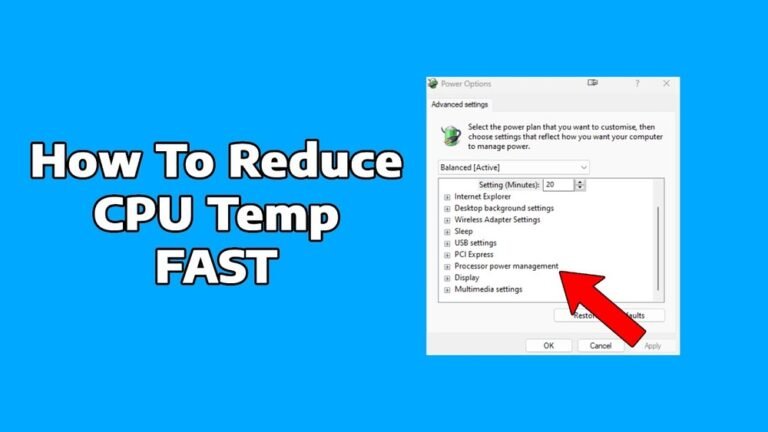
Adjusting your computer’s power settings can help control CPU usage effectively. Power settings decide how your system uses energy and manages performance. Changing these settings can reduce CPU strain and improve overall efficiency.
Optimize For Performance
Choosing the “Optimize for Performance” power plan boosts CPU speed and responsiveness. This setting makes the CPU run faster but uses more energy. It suits tasks needing strong CPU power, like video editing or gaming. Expect higher energy use, but better system speed.
Balance Energy Use
The “Balanced” power plan adjusts CPU speed based on current needs. It saves energy by lowering CPU power when idle or during light tasks. This plan suits everyday use and helps keep your CPU cooler. It reduces power waste without sacrificing much performance.
Use Third-party Tools
Third-party tools provide detailed insights into your CPU usage. They track which programs use the most processing power. This helps you find and fix problems fast.
These tools often show real-time data. You can see how your CPU behaves during different tasks. Many apps also offer alerts for unusual activity. This keeps your computer safe and running smoothly.
Top Cpu Monitoring Apps
Task Manager is a basic tool built into Windows. It shows which apps use the most CPU. For more details, apps like Process Explorer offer deeper views. They list processes and system details clearly. Another popular app is HWMonitor. It tracks temperatures and hardware stats. For Mac users, Activity Monitor provides similar info. These apps help spot CPU heavy programs quickly.
Benefits Of Advanced Tools
Advanced tools give detailed reports on CPU usage. They help identify hidden background processes. Some apps track CPU use over time. This helps find patterns and diagnose issues early. Alerts notify you if CPU use spikes. These tools improve your PC’s performance and lifespan. They also help manage resources better for smoother work.
Clean Up Your System
Cleaning up your system helps reduce CPU usage and speeds up your computer. Over time, junk files and disk clutter slow down your system. Removing these files and organizing your hard drive can improve performance. A clean system runs smoother and uses less CPU power.
Remove Unnecessary Files
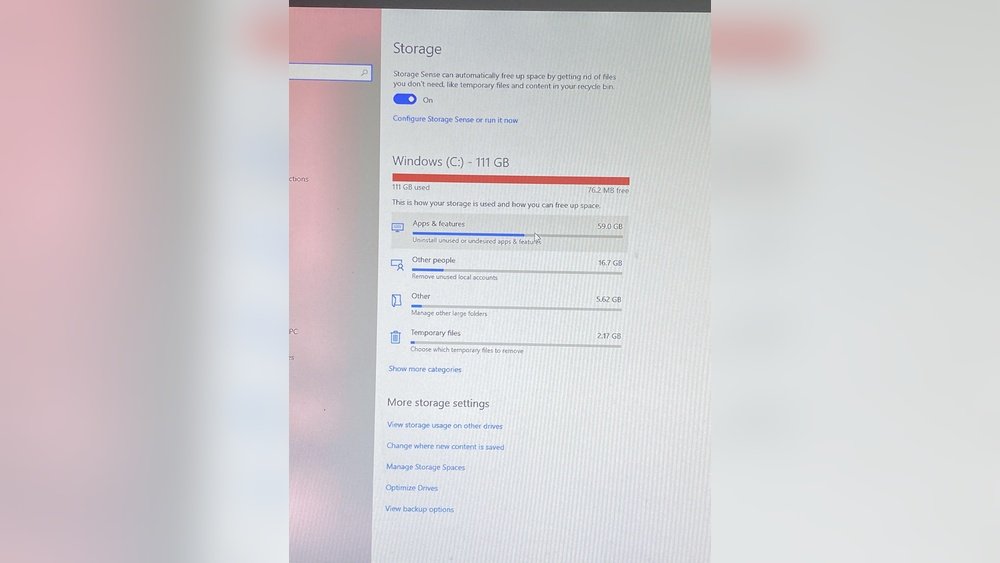
Delete old files, downloads, and temporary data. These files take space and slow your system. Use built-in tools like Disk Cleanup on Windows. Clear cache and cookies in your browser. Removing junk files frees up space and reduces CPU load.
Defragment Hard Drive
Defragmenting arranges files for faster access. It helps your hard drive find data quicker. This process is useful for traditional HDDs, not SSDs. Run defragmentation regularly to keep your disk efficient. A well-organized drive lowers CPU work and speeds up your PC.
Consider Hardware Upgrades
Sometimes, software fixes are not enough to reduce high CPU usage. Hardware upgrades can improve your computer’s speed and performance. Upgrading parts like the CPU or RAM can help your system handle tasks better. This section explains when to upgrade your CPU and why adding more RAM matters.
When To Upgrade Cpu
Check your CPU usage during heavy tasks. If the CPU is always near 100%, it may be time for an upgrade. Older CPUs struggle with new software and multitasking. Upgrading to a newer, faster CPU can lower usage and improve speed. Choose a CPU that matches your needs and motherboard compatibility.
Add More Ram
Low RAM can cause your CPU to work harder. When your computer runs out of RAM, it uses the CPU to manage memory. This increases CPU usage and slows down the system. Adding more RAM helps your computer run programs smoothly. More RAM means less strain on the CPU and faster performance.
Frequently Asked Questions
How Can I Check Which Program Uses Most Cpu?
Open Task Manager (Ctrl + Shift + Esc). Click the “Processes” tab. Sort by “CPU” to see high-usage programs. This shows which app consumes the most CPU.
What Tools Help Monitor Cpu Usage On Windows?
Use Task Manager or Resource Monitor for real-time CPU tracking. Third-party apps like HWMonitor or Process Explorer offer advanced insights.
Why Is My Cpu Usage Always High?
High CPU usage can be caused by background apps, malware, or outdated drivers. Check running processes and update software to reduce load.
How Often Should I Check Cpu Usage?
Regularly monitor CPU usage if you experience slow performance. Weekly checks help catch issues early and maintain system health.
Conclusion
Knowing what uses your CPU helps keep your computer fast. Check your task manager or system monitor often. Close apps that use too much power. Restart your computer if it feels slow. Small steps can prevent big problems later. Stay aware of your CPU’s activity daily.
This simple habit protects your device and saves time. Keep your system healthy and running smooth. Easy to do, and worth the effort.