How to Monitor Your Cpu Temperature: Easy Steps for Optimal Performance
Are you worried that your computer might be running too hot? Knowing how to monitor your CPU temperature is key to keeping your device safe and running smoothly.
If your CPU gets too warm, it can slow down, freeze, or even get damaged. But don’t worry—checking your CPU temperature is easier than you think. You’ll learn simple and effective ways to keep an eye on your CPU’s heat, helping you avoid costly repairs and boost your computer’s performance.
Keep reading to discover the tools and tips that will make monitoring your CPU temperature quick and stress-free.
Credit: www.alcpu.com
Why Cpu Temperature Matters
CPU temperature matters because it affects your computer’s health and work. A CPU that runs too hot can slow down or even stop working. Keeping an eye on the temperature helps avoid problems and keeps your PC running smoothly.
Impact On Performance
A hot CPU works slower to protect itself. It lowers its speed to cool down. This drop in speed means your computer feels slow. Tasks take longer and apps may lag. Watching your CPU temperature helps keep your computer fast.
Risks Of Overheating
Too much heat can damage the CPU parts. It may cause crashes, errors, or sudden shutdowns. Overheating can shorten the CPU’s life. Serious heat can even harm other computer parts. Monitoring temperature stops these risks early.
Signs Of High Cpu Temperature
High CPU temperature can cause many problems on your computer. Knowing the signs helps you catch the issue early. This keeps your system safe and working well.
System Slowdowns
The CPU slows down to cool itself. Programs take longer to open or run. Your computer may feel laggy and unresponsive. This drop in speed is a warning sign.
Unexpected Shutdowns
The system may shut down without warning. This protects the CPU from damage. Sudden power-offs often happen during heavy tasks. These shutdowns show your CPU is overheating.
Fan Noise Increase
The cooling fan runs louder and faster. It tries to lower the CPU temperature. You may hear a constant buzzing sound. This noise means the CPU is too hot.
Tools To Check Cpu Temperature
Keeping an eye on your CPU temperature helps protect your computer from damage. Several tools make this task simple. These tools show real-time temperature readings and alert you if the CPU gets too hot. Understanding different types of tools helps you choose the best one for your needs.
Built-in System Utilities
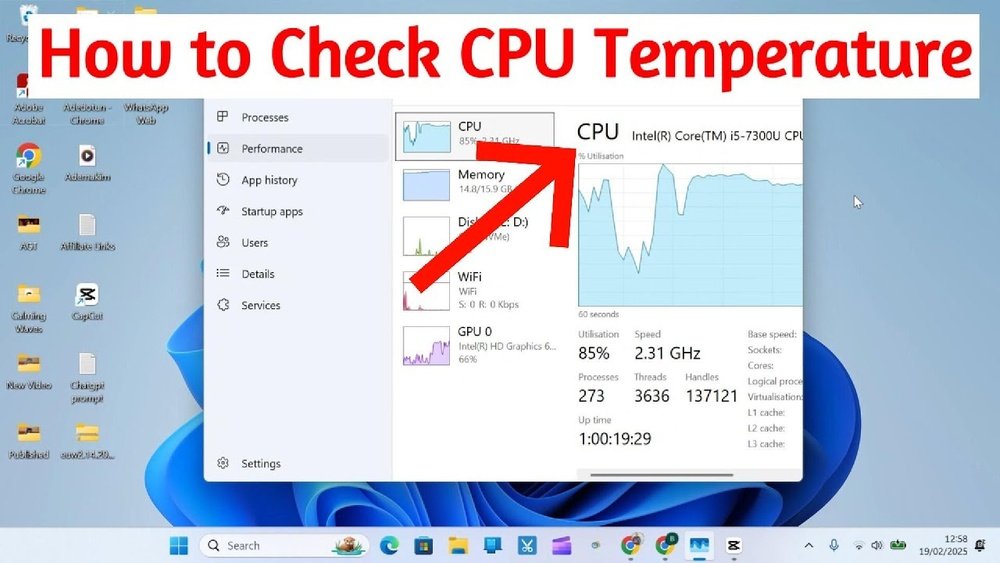
Many computers come with built-in tools to check CPU temperature. These utilities do not need extra installation. For Windows, the BIOS or UEFI settings often show temperature data. Mac users can find similar info in the System Information app. These tools are easy to access and safe to use.
Third-party Software Options
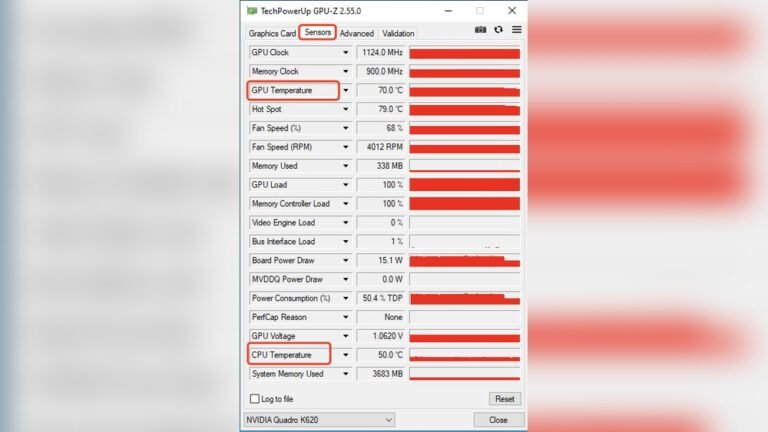
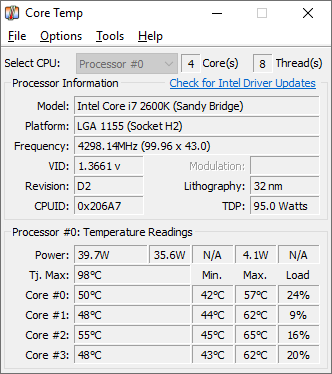
Several free and paid programs offer detailed CPU temperature monitoring. They provide graphs, alerts, and logs. Popular choices include HWMonitor, Core Temp, and SpeedFan. These apps work on most Windows PCs. They give more information than built-in utilities, helping you track temperature trends over time.
Hardware Monitoring Devices
Hardware devices attach directly to the CPU or motherboard. They measure temperature very accurately. These devices display readings on a small screen or send data to your computer. This option suits users who need precise and constant monitoring. It also helps in overclocking or heavy computer use.
Step-by-step Cpu Temperature Monitoring
Monitoring your CPU temperature helps protect your computer from damage. It keeps your system running smoothly. Follow these simple steps to check your CPU temperature easily.
Installing Monitoring Software
First, choose a reliable CPU temperature monitoring tool. Popular options include HWMonitor, Core Temp, and SpeedFan. Download the software from the official website. Run the installer and follow the on-screen instructions. Open the program after installation. It will start showing your CPU temperature in real time.
Interpreting Temperature Readings
Look at the temperature values shown by the software. Most CPUs work safely between 30°C and 60°C. Readings above 70°C can be a warning sign. Temperatures over 90°C mean your CPU is too hot. High temperatures can slow down your computer or cause crashes. Keep an eye on these numbers regularly.
Setting Alerts For High Temperature
Many monitoring programs let you set alerts. Choose a temperature limit to warn you. For example, set an alert at 75°C. The software will notify you if your CPU gets too hot. This helps you act quickly to cool down your system. You can avoid damage and keep your PC safe.
Tips To Maintain Optimal Cpu Temperature
Maintaining the right CPU temperature helps your computer run smoothly. It prevents slowdowns and hardware damage. Simple steps can keep your CPU cool and extend its life.
Improving Airflow
Good airflow moves hot air out and brings cool air in. Position your computer where air can flow freely. Avoid tight spaces like small cabinets or crowded desks.
Use fans to push air through the case. Place intake fans at the front and exhaust fans at the back. This setup helps air move in one direction, cooling parts better.
Cleaning Dust And Debris
Dust blocks airflow and traps heat inside your computer. Clean your PC regularly to remove dust from vents, fans, and heatsinks. Use a soft brush or compressed air for cleaning.
Turn off and unplug your computer before cleaning. Dust buildup can cause high CPU temperatures and reduce performance.
Upgrading Cooling Systems
Stock coolers may not be enough for heavy use. Consider upgrading to better air coolers or liquid cooling systems. These options remove heat more efficiently.
Choose a cooler that fits your CPU and case size. Better cooling helps your CPU work at its best without overheating.

Credit: softwareg.com.au
When To Seek Professional Help
Knowing when to seek professional help for CPU temperature issues is important. Some problems need expert care to avoid damage to your computer. Early action can save you from costly repairs or data loss.
Persistent Overheating Issues
Sometimes your CPU keeps running too hot despite your efforts. Cleaning dust or improving airflow does not help. The overheating might be caused by deeper problems like a failing fan or bad thermal paste. Persistent heat can harm your CPU and reduce its life. A professional can diagnose and fix these hidden issues safely.
Hardware Replacement Signs
Look for signs that parts may need replacing. Strange noises from fans or sudden shutdowns are warnings. Frequent crashes or error messages related to overheating also matter. If your computer gets unusually hot quickly, the hardware might be failing. Experts can suggest the right parts to replace and install them correctly.
Credit: www.youtube.com
Frequently Asked Questions
How Can I Check My Cpu Temperature On Windows?
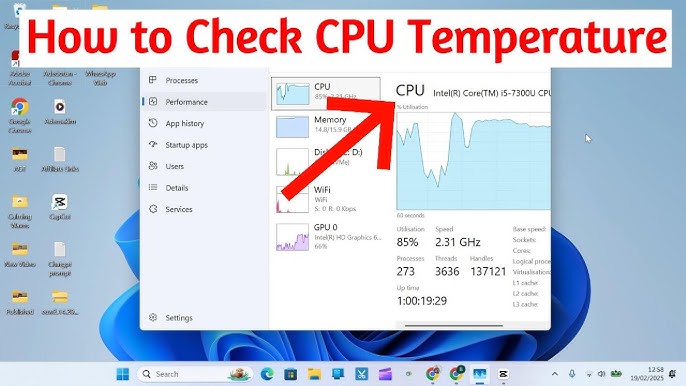
You can check CPU temperature on Windows using software like HWMonitor, Core Temp, or SpeedFan. These tools display real-time temperature and help prevent overheating issues.
What Is A Safe Cpu Temperature Range?
A safe CPU temperature usually ranges from 30°C to 70°C. Temperatures above 80°C can cause performance issues or hardware damage.
Why Is Monitoring Cpu Temperature Important?
Monitoring CPU temperature prevents overheating, which can damage components and reduce lifespan. It ensures stable performance and avoids unexpected shutdowns.
Can High Cpu Temperature Cause Computer Slowdown?
Yes, high CPU temperatures can cause thermal throttling. The CPU reduces speed to cool down, resulting in slower system performance.
Conclusion
Monitoring your CPU temperature helps keep your computer safe and fast. Use easy tools to check the heat often. Watch for high numbers that can cause problems. Cooling your CPU well can stop damage and crashes. Stay aware of your computer’s temperature for better performance.
Small steps can protect your device and save money. Keep your system cool. Keep it running smooth.