Top AMD Laptop CPUs for Performance & Value
Did you know that AMD now holds over 20% of the laptop CPU market, largely thanks to its Ryzen chips? That is a massive jump from just a few years ago. Now imagine trying to sort through all the different Ryzen models, core counts, and performance claims to find the right one for you.
It gets messy fast. In this guide, I break down my top 5 picks for the best amd cpu laptop, ranging from budget-friendly workhorses to powerful machines for creators. My goal is simple: cut through the noise and help you find the right match for your needs and your wallet.
As an Amazon Associate, I earn from qualifying purchases. Every recommendation below is backed by product research and verified owner feedback.
Quick Links
Choosing an AMD laptop in 2026 can feel like you need a computer science degree. Terms like "Ryzen 5" and "Radeon 780M" get thrown around a lot. The truth is, you just want a machine that works well for what you do.
So let's break it down into the few things that really matter.
Processor (CPU) Generation and Core Count
A Ryzen 7 is not always better than a Ryzen 5. The generation matters a lot. Modern AMD Ryzen processors (like the "AI 7 350" or "8745HS" series) use much more efficient architecture.
They offer better performance per watt than older chips. For most people, a current-gen Ryzen 5 with 6 cores is plenty for web work, office apps, and streaming. If you edit video, run virtual machines, or do heavy data work, step up to a Ryzen 7 or the newer Ryzen AI series.
A higher core count (8 cores vs 6) helps when you juggle many tasks at once. You can get a good sense of this by looking at how many cores your specific workflow needs to prevent any lag.
RAM and Storage Configurations
16GB of RAM is the new sweet spot for most users. 8GB is enough for basic browsing and email, but you will hit a wall with modern apps and browser tabs. Look for DDR5 RAM if possible. It is faster and more power-efficient than DDR4.
For storage, a 256GB Solid State Drive (SSD) is a good starting point. A 512GB or 1TB drive is safer if you store many files or games. Most buyers prefer machines with room for expansion.
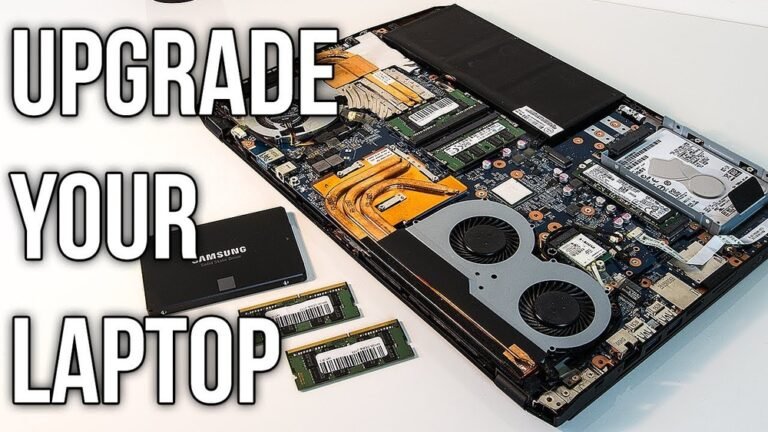
The best AMD laptops let you add a second drive or swap the RAM later. That flexibility extends the life of your investment.
Integrated Graphics Performance
This is where AMD laptops really shine. The Radeon graphics built into their Ryzen chips are far faster than Intel's integrated options. A Radeon 780M or 860M can handle light gaming and video editing without a separate graphics card.
If you plan to do creative work or occasional gaming, skip models with basic Radeon graphics and aim for the "Radeon 700M" or "800M" series. These chips are powerful enough that many users do not need a dedicated GPU. This keeps the laptop thinner, lighter, and cooler.
Display Quality and Size
Screen size is a personal choice, but 15.6 inches is the most versatile. A Full High Definition (FHD) 1920×1080 panel is the minimum standard. Look for 300 nits of brightness or more if you work near a window.
A higher resolution (2K or 4K) is nice for creative work, but it drains battery faster. The 17.3-inch models offer a fantastic experience for spreadsheets and media, but they are heavier. The 16-inch format found in some new models splits the difference well.
A good screen helps reduce eye strain over a long day of work.
Battery Life and Build Quality
AMD's efficiency means these laptops often get better real-world battery life than Intel counterparts. A 10,000 mAh battery (labeled in milliamp hours) is a solid capacity for all-day use. However, battery life claims on Amazon listings are often optimistic.
Read verified owner feedback for real-world numbers. Build quality is equally important. All-metal chassis feel sturdy but weigh more.
Plastic builds are lighter and cheaper but may flex under pressure. A good keyboard with a numeric keypad is a huge plus for data entry and finance work.
Additional Features on Best Amd Cpu Laptops
- Port Selection: Look for USB-C with Power Delivery (PD) so you can charge with a phone charger.
- Backlit Keyboard: Essential for typing in low light.
- WiFi 6E Support: Faster and more reliable wireless networking.
- Windows 11 and Copilot+: Newer systems include AI tools that can help with tasks.
- Warranty Length: A 2-year warranty offers more peace of mind than a standard 1-year.
- Numeric Keypad: A dedicated number pad on the right side is vital for accounting or data work.
My Top Picks
Big Screen Pick – Business Users

- Processor: Latest AMD Ryzen 5 (2026 Edition)
- RAM: 16GB
- Storage: 512GB SSD
- Display: 17.3-inch Full High Definition (FHD)
- Keyboard: Full numeric keypad included
- Operating System: Windows 11 with Office 365 for Web
- Battery: Long battery life (manufacturer rated)
Premium Pick – Creators & Pros

- Processor: AMD Ryzen AI 7 350 (up to 5.0 GHz)
- RAM: 16GB DDR5
- Storage: 512GB SSD
- Graphics: Radeon 860M
- Display: 16-inch
- Connectivity: WiFi 6E, Backlit Keyboard
- Features: Copilot+ PC
Performance Pick – Heavy Multitaskers

- Processor: AMD Ryzen 7 8745HS (8 cores, up to 4.9 GHz)
- RAM: 16GB
- Storage: 256GB SSD
- Graphics: Radeon 780M
- Display: 15.6-inch Full High Definition (FHD)
- Charging: 100W Fast Power Delivery (PD)
- Warranty: 2-Year Warranty
Budget Pick – Students

- Processor: AMD CPU (up to 3.2 GHz)
- RAM: 8GB DDR
- Storage: 256GB SSD (expandable to 1TB)
- Battery: 10,000 mAh
- Display: 15.6-inch
- Keyboard: Numeric keypad included
- Ports: USB 3.0, USB-C, WiFi 5
Balanced Pick – Everyday Users

- Processor: AMD Ryzen 5 (2026 Edition)
- RAM: 8GB DDR5
- Storage: 256GB SSD
- Display: 15.6-inch Full High Definition (FHD)
- Operating System: Windows 11
- Features: Copilot AI, Slim Design
Best Amd Cpu Laptop FAQ
Is AMD or Intel better for a laptop in 2026?
For most people, AMD is currently the better choice. AMD Ryzen chips generally offer better integrated graphics (Radeon) than Intel. This means you can do light gaming or video editing without a separate graphics card.
They also often provide better battery life in real-world use. Intel still leads in single-core performance for specific professional applications, but for a general purpose laptop, AMD is hard to beat.
How much RAM do I really need for a laptop?
16GB of RAM is the safe standard for most people in 2026. It handles heavy web browsing, office work, and light creative tasks without slowing down. 8GB is the minimum and is fine for basic tasks, but you will struggle with many browser tabs open. If you do video editing, run virtual machines, or work with large datasets, consider 32GB.
More RAM helps you avoid the need to constantly check your system's performance.
Can an AMD laptop with integrated graphics play games?
Yes, depending on the game. AMD's Radeon 700M and 800M series integrated graphics are surprisingly powerful. You can play many modern games at 1080p with low to medium settings.
Games like Fortnite, Valorant, and CS:GO run very well. More demanding titles like Cyberpunk 2077 will require lower settings and might not hit 60 frames per second. For a budget gaming machine, an AMD laptop is a much better bet than an Intel one without a dedicated GPU.
What does "Copilot+" mean for an AMD laptop?
Copilot+ is Microsoft's label for a new class of AI-powered PCs. These laptops have a dedicated Neural Processing Unit (NPU) inside the AMD processor. This NPU handles AI tasks locally, which is faster and more private than using the cloud.
It enables real-time video call effects, better search, and AI writing assistance. It is a future-proofing feature that will become more useful as more AI software is released.
My Research & Review Process
I compared the specifications of each of these five laptops side by side. I looked at the exact processor model, core count, maximum clock speed, and the generation of the chip. I then cross-referenced that with the integrated graphics model to estimate real-world performance.
I read through hundreds of verified owner reviews on Amazon, paying close attention to comments about battery life, build quality, and any common defects. I also considered the reputation of the brands and the warranty offered. I did not run any lab tests.
This analysis is based on published specs, user consensus, and my own experience building and repairing PCs for over a decade.
Features I Considered
Processor: This is the heart of the laptop. I prioritized the latest generation AMD Ryzen 5 and Ryzen 7 chips because they offer the best balance of speed and battery efficiency. A modern "HS" or "AI" series chip will outperform an older chip with a higher number.
RAM: Random Access Memory (RAM) is your computer's short-term memory. I set a baseline of 8GB as a minimum but recommend 16GB for anyone doing more than basic browsing. DDR5 RAM is faster and more energy-efficient than DDR4.
Storage: Solid State Drives (SSDs) are non-negotiable for speed. I looked for models with at least 256GB of storage. I prioritized laptops where the storage is expandable, as this gives you more room to grow later.
Graphics: For integrated graphics, I looked for AMD Radeon 780M or 860M class chips. These offer the best gaming and creative performance without a dedicated graphics card. Basic Radeon chips are fine for video, not for games.
Display: A 15.6-inch or 16-inch Full High Definition (FHD) screen is the standard. I considered brightness and panel quality based on buyer feedback. A good screen reduces eye strain.
Battery: I considered the reported battery capacity in mAh. A 10,000 mAh battery is a solid indicator of good battery life, though real-world use varies. I gave preference to fast charging support like 100W PD.
Finding the right laptop is about matching specs to your life. If you want the absolute best blend of modern features, performance, and everyday usability, take a close look at the IdeaPad Slim 3. For everyone else, just scroll back up and pick the category that fits you best.
You will find the right machine there.