How to Check Temps of Cpu And Gpu: Easy Methods for Accurate Monitoring
Are you worried that your computer might be overheating? Knowing how to check the temps of your CPU and GPU is key to keeping your system running smoothly.
If your computer gets too hot, it can slow down, crash, or even get damaged. But don’t worry—this guide will show you simple and effective ways to monitor your hardware’s temperature. By learning these easy steps, you’ll protect your investment and boost your PC’s performance.
Keep reading, and you’ll never have to guess if your CPU or GPU is getting too hot again.
Credit: www.shoshitamam.com
Why Monitor Cpu And Gpu Temps
Monitoring the temperatures of your CPU and GPU is essential for a healthy computer. These components work hard and can get very hot. Watching their temperatures helps you avoid problems early. It also ensures your system runs smoothly and lasts longer.
Risks Of Overheating
Overheating can damage your CPU and GPU quickly. High temperatures may cause your computer to shut down suddenly. This protects the parts but can lead to data loss. Extreme heat can also burn the hardware, leading to costly repairs.
Performance Impact
Hot CPUs and GPUs do not work well. They slow down to cool themselves. This means your games and programs run slower. Watching temps helps keep your computer fast and smooth. It stops lag and delays during use.
Hardware Longevity
Keeping your CPU and GPU cool extends their life. Heat wears down the parts over time. Cooler temperatures mean less stress on the hardware. This saves money by reducing the need for replacements. A well-cooled system lasts many years.
Tools For Cpu Temp Monitoring
Monitoring your CPU temperature helps keep your computer safe and fast. High temps may cause crashes or damage. Many tools exist to check CPU temps. Some come with your system. Others you can download. You can even see temps in BIOS. Let’s explore these options.
Built-in System Utilities
Windows and macOS offer basic tools to check CPU temps. Windows users can use Task Manager or PowerShell commands. Mac users find CPU info in Activity Monitor or System Report. These tools give quick, simple temp checks. They do not show detailed data but work well for basic needs.
Third-party Software Options
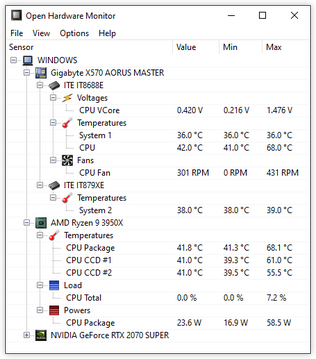
Third-party apps provide detailed CPU temperature monitoring. Popular choices include HWMonitor, Core Temp, and SpeedFan. These tools show real-time temps and record history. They also report fan speeds and voltages. Many are free and easy to install. They help users track CPU health closely.
Using Bios For Temp Readings
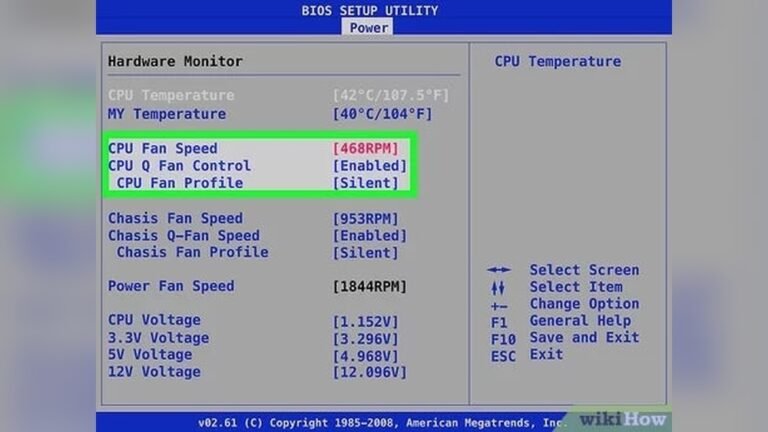
BIOS shows CPU temperature directly from hardware sensors. Restart your computer and press the BIOS key (like F2 or Del). Look for “Hardware Monitor” or “PC Health” sections. BIOS temps reflect real-time CPU heat before the operating system loads. This method is useful for quick checks without extra software.
Tools For Gpu Temp Monitoring
Monitoring GPU temperature is crucial for keeping your computer safe and running smoothly. Overheating can cause crashes or damage parts. Using the right tools helps you track the temperature easily. These tools show real-time data and alert you if temps get too high. You can choose from software made by GPU makers or third-party apps. Each offers useful features for different needs.
Gpu Manufacturer Software
GPU makers provide their own temperature monitoring tools. These tools are free and designed specifically for their hardware. For example, NVIDIA offers GeForce Experience, and AMD has Radeon Software. They show GPU temperature, fan speed, and other stats. These programs update automatically and work well with your GPU. They are simple and reliable for basic monitoring.
Popular Third-party Tools
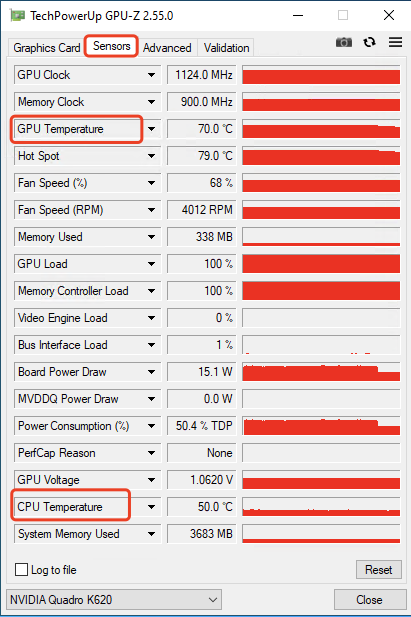
Many third-party apps monitor GPU temperature and system health. MSI Afterburner is a favorite for gamers and PC builders. It shows detailed info like clock speed and voltage. HWMonitor is another popular option that tracks many hardware sensors. These tools support different GPU brands. They often provide more data and customization than manufacturer software.
Real-time Monitoring Features
Good GPU temp tools show live temperature updates. They let you see changes while gaming or working. Some tools display temps in the system tray or on-screen. Alerts notify you if the GPU gets too hot. You can set custom temperature limits for safety. Real-time data helps you adjust fan speeds or stop heavy tasks. This keeps your GPU cool and protects your PC.
How To Check Cpu Temps Step-by-step
Checking your CPU temperature helps keep your computer safe and fast. High temps can cause slowdowns or damage. You can check CPU temps in simple ways. This guide shows easy steps to do it right.
Using Task Manager And Resource Monitor
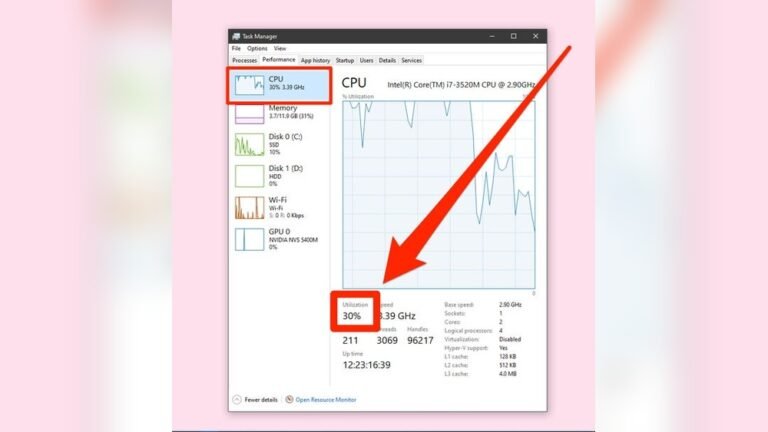
Task Manager and Resource Monitor show CPU usage but not temps directly. Still, they help check if CPU is working hard. To open Task Manager, press Ctrl + Shift + Esc. Look at the Performance tab for CPU activity.
Resource Monitor gives more details. Open it by typing “Resource Monitor” in the Start menu. Check the CPU section for processes using power. High use often means higher temps.
Running Cpu Temp Software
Special software shows exact CPU temperatures. Programs like HWMonitor, Core Temp, or SpeedFan are good choices. Download and install one. Run the program to see real-time temps for each CPU core.
These tools update temps every second. Watch the numbers carefully, especially during heavy tasks. This helps catch overheating early.
Interpreting The Results
Normal CPU temps range from 30°C to 50°C when idle. Under load, temps can rise to 70°C or 80°C. Temps over 90°C are risky and need attention.
Look for big differences between cores. One hot core could signal a problem. If temps are too high, clean fans or improve cooling.
How To Check Gpu Temps Step-by-step
Checking your GPU temperature helps keep your computer safe and running well. High temperatures can cause slowdowns or damage. Follow these simple steps to see your GPU’s temperature clearly and quickly.
Launching Gpu Monitoring Apps
First, use a monitoring app like MSI Afterburner or HWMonitor. Download and install the app from a trusted source. Open the app to see real-time data on your GPU. These apps show temperature, usage, and fan speed. Make sure the app supports your GPU model.
Using Graphics Control Panels
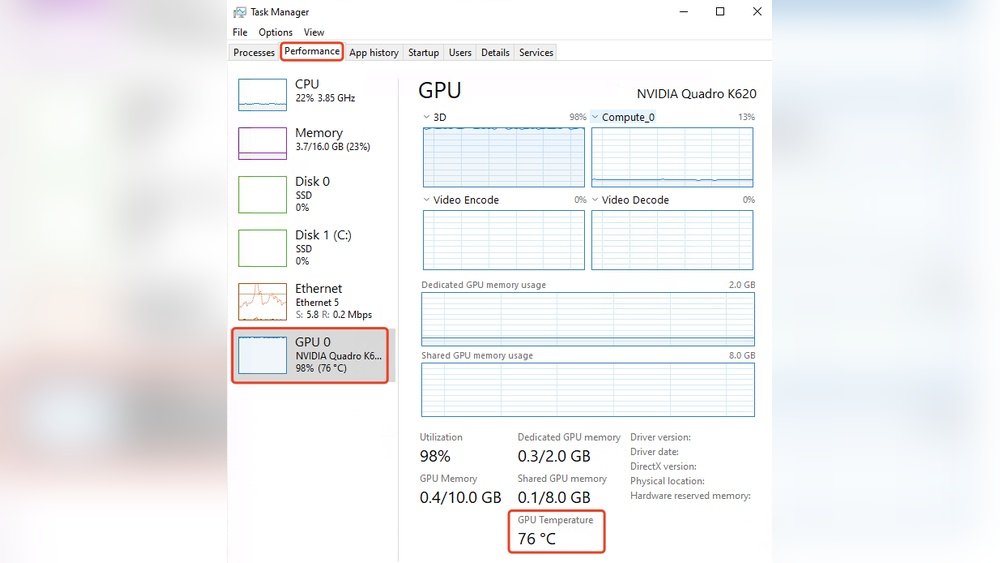
Graphics cards often have their own control panels. NVIDIA users can open the NVIDIA Control Panel. AMD users can use the AMD Radeon Software. These panels display GPU temperature in the performance or hardware sections. Open the panel from your desktop or system tray icon. This method works without extra software.
Reading Temp Data Accurately
Look for the GPU temperature label in the app or panel. It usually shows degrees Celsius. Keep an eye on the temperature while running games or heavy apps. Normal temps range from 30°C to 70°C. Above 85°C may need cooling checks. Watch for sudden spikes or constant high temps. Accurate reading helps avoid overheating and damage.

Credit: gipa.ae
Tips To Keep Cpu And Gpu Temps Low
Keeping CPU and GPU temperatures low helps your computer run smoothly. High temps cause slowdowns and damage. Small changes can make a big difference in cooling. Follow these tips to protect your hardware and improve performance.
Improving Airflow
Good airflow moves hot air away from components. Place your PC in an open space. Avoid placing it inside closed cabinets. Use case fans to push cool air in and hot air out. Arrange cables neatly to avoid blocking airflow paths.
Cleaning Dust And Debris
Dust blocks vents and slows cooling. Turn off your PC and unplug it. Use a soft brush or compressed air to clean vents, fans, and heatsinks. Clean regularly to stop dust buildup. This keeps air flowing and temperatures down.
Upgrading Cooling Solutions
Stock coolers may not be enough for intense use. Consider better air coolers with larger fans and heatsinks. Liquid cooling systems offer strong temperature control. Choose cooling options that fit your PC case. Better cooling lowers temps and improves system life.
When To Be Concerned About Temps
Knowing when to worry about your CPU and GPU temperatures helps protect your computer. High temperatures can cause damage and reduce performance. Checking temps regularly keeps your system safe and running well.
Some heat is normal during use. The key is spotting when temps go beyond safe limits. Acting fast prevents long-term problems and costly repairs.
Safe Temperature Ranges
CPUs usually run safely between 30°C and 70°C. Gaming or heavy work can push temps up to 80°C. GPUs handle slightly higher heat, often up to 85°C. Temps above these numbers need attention. Each model has specific limits, so check your device’s details.
Signs Of Overheating
System slowdowns or crashes can signal overheating. Sudden shutdowns also warn about high temps. Fans running loudly or constantly is another sign. You might notice graphical glitches or freezes during tasks. These signs show your CPU or GPU is too hot.
Actions To Take
Turn off your computer to cool down if overheating occurs. Clean dust from fans and vents to improve airflow. Make sure your PC sits in a cool, open space. Update your drivers and BIOS for better temperature control. Consider adding extra cooling if heat problems persist.
Credit: openhardwaremonitor.org
Frequently Asked Questions
How Can I Check My Cpu Temperature Easily?
You can check CPU temperature using software like HWMonitor, Core Temp, or SpeedFan. These tools provide real-time temperature readings and alerts.
What Is The Ideal Gpu Temperature Range?
Ideal GPU temperatures range between 30°C and 70°C during normal use. Temperatures above 85°C may indicate overheating and need attention.
Can High Cpu Or Gpu Temps Damage My Pc?
Yes, high temperatures can cause hardware damage, reduce lifespan, and cause system crashes. Monitoring temps helps prevent overheating issues.
Which Software Is Best For Monitoring Cpu And Gpu Temps?
Popular software includes MSI Afterburner, HWMonitor, and GPU-Z. They offer detailed, real-time temperature monitoring for both CPU and GPU.
Conclusion
Checking CPU and GPU temperatures helps keep your computer safe. You can find free tools online for easy temperature checks. Watch for high numbers that may cause damage or slow performance. Regularly checking temps helps you fix problems early. Keep your system cool by cleaning fans and improving airflow.
Stay aware of your hardware’s health for better use. Simple steps make a big difference in your computer’s life. Take a few minutes now to avoid bigger issues later. Your PC will run smoother and last longer this way.