How to Get Rid of Fps Gpu Cpu Top Right: Easy Fixes That Work
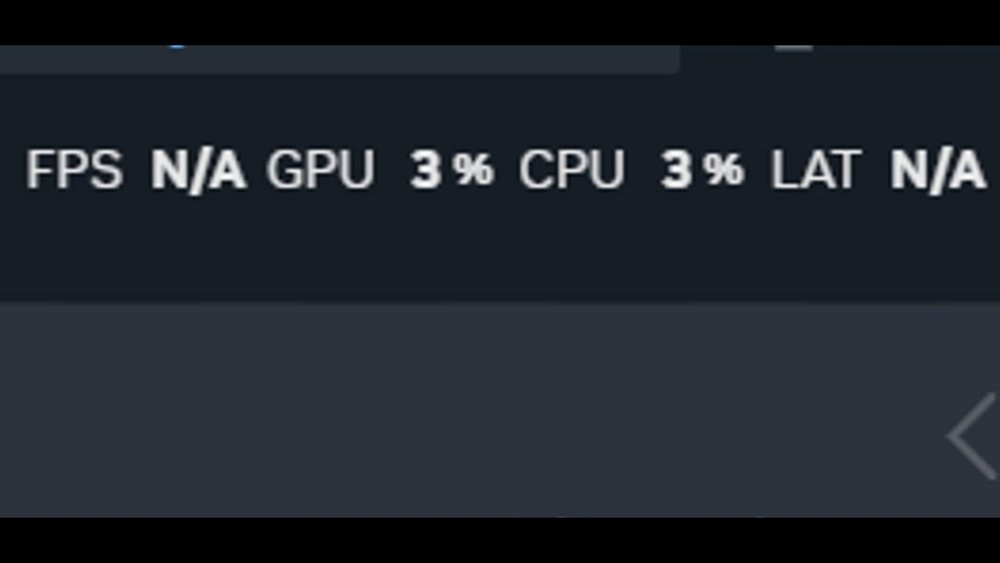
Are you tired of seeing that annoying FPS, GPU, or CPU display stuck at the top right of your screen? It can be distracting and take away from your gaming or work experience.
You’re not alone, and luckily, getting rid of it is easier than you might think. You’ll discover simple, step-by-step methods to remove that overlay quickly and regain full control of your screen. Keep reading, and you’ll find the solution that fits your setup perfectly.
Credit: hognerdobrasil.com.br
Common Causes Of Fps And Gpu/cpu Overlay
Many users see FPS and GPU/CPU overlays in the top right corner of their screen. These overlays show real-time performance data. While helpful for some, they can be distracting or unwanted. Understanding common causes helps to disable or control them. These causes often relate to software, background processes, drivers, or system resources.
Software Conflicts
Some software programs add their own overlays. Game platforms like Steam or Discord include built-in overlays. They may clash with other apps or games. Overlapping overlays create confusion and screen clutter. Conflicts arise when multiple programs try to show info simultaneously.
Background Applications
Apps running in the background can display overlays. Screen recorders, performance trackers, or messaging apps often do this. These programs run quietly without user notice. They consume resources and show on-screen data. Closing unnecessary background apps can remove unwanted overlays.
Driver Issues
Outdated or corrupted drivers cause overlay problems. Graphics card drivers control GPU performance and display. Faulty drivers may enable persistent overlays. Updating drivers fixes bugs and improves stability. Always download drivers from official websites.
System Resource Usage
High CPU or GPU use triggers overlays in some tools. Monitoring software detects system strain and shows alerts. Overlays appear during heavy gaming or multitasking. Reducing load or adjusting overlay settings helps control visibility. Keeping system resources balanced prevents distractions.

Credit: www.reddit.com
Disabling Overlays In Popular Platforms
Overlays from different platforms often cause FPS drops or CPU/GPU spikes. Disabling these overlays can improve game performance and reduce lag. This section shows how to turn off overlays on popular platforms.
Steam Overlay
Steam overlay can slow down your game. To disable it, open Steam and go to Settings. Select the In-Game tab. Uncheck the box for “Enable the Steam Overlay while in-game.” Restart your game to apply changes.
Nvidia Geforce Experience
NVIDIA’s overlay may cause FPS issues. Open GeForce Experience and click on Settings. Find the In-Game Overlay option and toggle it off. This stops the overlay from running during gameplay.
Amd Radeon Software
AMD overlay can impact performance. Launch AMD Radeon Software and go to the Settings menu. Click on the General tab. Turn off the “Radeon Overlay” switch. This disables the overlay for better FPS.
Windows Game Bar
Windows Game Bar runs in the background and shows FPS. Open Settings from the Start menu. Go to Gaming and select Xbox Game Bar. Turn off the “Enable Xbox Game Bar” toggle. This stops the overlay and may boost performance.
Adjusting System Settings
Adjusting system settings is a simple way to improve your FPS and reduce GPU and CPU issues. Small changes can make your computer run smoother and faster. These tweaks help your system focus on what matters most—your game or software.
Task Manager And Startup Programs
Open Task Manager by pressing Ctrl + Shift + Esc. Check the Processes tab for programs using high CPU or GPU. Right-click and end tasks that are not needed. Next, go to the Startup tab. Disable programs that launch automatically but are not important. This frees up resources for better performance.
Graphics Settings
Lower your graphics settings in the game or software you use. Reduce options like shadows, texture quality, and resolution. This decreases the load on your GPU. You can also adjust settings in your graphics card control panel. Set it for better performance instead of quality to help increase FPS.
Performance Mode
Switch your computer to Performance Mode to boost speed. On Windows, find Power Options in the Control Panel. Choose High Performance or create a custom plan. This setting lets your CPU and GPU work at full power. It may use more energy but improves FPS and reduces lag.
Updating And Reinstalling Drivers
Updating and reinstalling drivers can fix many FPS issues on your PC. Drivers help your hardware and software work well together. Old or corrupted drivers cause lag and low FPS. Keeping drivers fresh improves performance and stability. Follow these steps to update GPU and CPU drivers correctly.
Gpu Drivers
Graphics card drivers control how your GPU works. Outdated GPU drivers lower FPS and cause glitches. Visit the official website of your graphics card maker. Download the latest driver for your model and operating system. Use the installer to update the driver. Restart your PC after installation. Clean install option removes old files for a fresh start. This step often fixes FPS drops and freezes.
Cpu And Chipset Drivers
CPU and chipset drivers manage communication between your processor and motherboard. Old chipset drivers may cause performance issues and FPS drops. Go to your motherboard manufacturer’s website. Find the latest CPU and chipset drivers available. Download and install them carefully. Reboot your computer to apply changes. Updated chipset drivers improve system stability and FPS consistency.
Using Third-party Tools To Manage Overlays
Using third-party tools to manage overlays helps control FPS, GPU, and CPU displays. These tools allow you to customize or remove the top right overlay that shows system stats. They provide simple options to hide or change the overlay’s position.
Many gamers and users prefer third-party software because it offers more control than default settings. You can adjust the overlay without affecting game performance. These tools work with different games and software, making them versatile.
Overlay Management Software
Overlay management software lets you turn off or move the FPS, GPU, and CPU overlay. Popular tools include MSI Afterburner and RivaTuner Statistics Server. They show detailed information but also let you hide the overlay easily.
You can change the overlay’s location on the screen or disable it completely. This software is free and works with most graphics cards. It runs quietly in the background and uses little system power.
Monitoring Tools Configuration
Configuring monitoring tools lets you control what appears in the overlay. In MSI Afterburner, access the settings and find the monitoring tab. You can select which stats to show and customize their display.
Adjust the update frequency to reduce distraction. You can also change the font size and color for better visibility. Disabling unwanted data makes the overlay less cluttered and easier to read.

Credit: www.youtube.com
Preventing Overlay From Reappearing
Preventing the FPS GPU CPU overlay from reappearing improves your gaming experience. This overlay can distract and cover important parts of your screen. Stopping it from showing up again saves time and frustration. Here are simple steps to keep it from coming back.
Disabling Auto-start Features
Many apps start automatically with Windows. These apps often show the FPS overlay without asking. Open your Task Manager by pressing Ctrl + Shift + Esc. Go to the Startup tab. Find apps related to GPU or FPS monitoring. Right-click each and choose Disable. This stops them from running when your PC starts.
Check the settings inside these apps too. Some have options to turn off auto-start. Turn off any setting that launches the overlay automatically. This method keeps the overlay from popping up on its own.
Regular Maintenance Tips
Keep your PC clean and updated to avoid overlay issues. Run updates for your GPU drivers often. Outdated drivers can cause overlays to glitch. Use built-in tools or visit the GPU maker’s website to check for updates.
Clear temporary files regularly. These can slow down your system and cause overlays to misbehave. Use tools like Disk Cleanup or a trusted third-party app. Also, scan for malware. Some malware can trigger unwanted overlays.
Frequently Asked Questions
What Causes Fps, Gpu, And Cpu Display In Top Right?
This display usually comes from in-game overlays or monitoring software like Steam, MSI Afterburner, or GeForce Experience. They show real-time performance data to help users track system usage and optimize gameplay.
How To Disable Fps Display On My Pc?
To disable FPS display, locate the overlay or monitoring app causing it. Turn off the FPS or performance overlay option in settings or hotkeys. Restart your game to check if the display is removed.
Can Gpu And Cpu Usage Overlays Be Removed Safely?
Yes, disabling these overlays is safe and won’t harm your system. Simply turn off the monitoring feature within the software. This stops the display without affecting system performance or hardware.
Why Does The Fps Counter Appear After A Game Update?
Game updates may reset or enable overlay settings by default. This causes FPS and performance stats to show up again. Check your overlay software after updates to adjust or disable these displays.
Conclusion
Dealing with FPS, GPU, or CPU issues on the top right can feel tricky. Use the steps shared here to fix these problems quickly. Check your hardware and software settings often. Keep your drivers updated and close unnecessary programs while gaming.
Watch your system’s temperature to avoid overheating. Small changes can improve your computer’s performance a lot. Stay patient and try each tip carefully. Your games will run smoother, and your screen will look cleaner. Enjoy better gameplay without distractions on the screen.