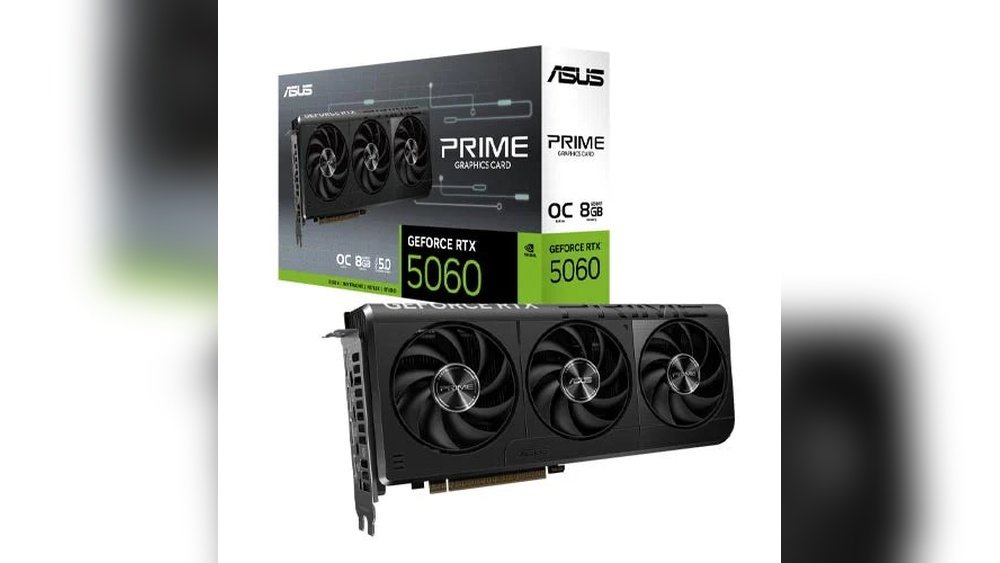
How to Choose a Gpu for Pc Build: Ultimate Buyer’s Guide 2026
Choosing the right GPU for your PC build can feel overwhelming. You want the best performance without wasting money or running into compatibility issues.
But how do you know which graphics card fits your needs? This guide will walk you through everything you need to consider, so you can make a confident choice. By the end, you’ll understand exactly what to look for and avoid costly mistakes.
Ready to build a PC that powers your games and projects smoothly? Let’s get started.
Credit: smartbuy.alibaba.com
Key Factors For Choosing A Gpu
Choosing the right GPU is crucial for building a strong PC. The GPU affects how well your computer runs games and software. Understanding the key factors helps pick a GPU that fits your needs. Focus on performance, compatibility, power, and budget.
Performance Metrics To Consider
Look at the GPU’s clock speed and memory size. Higher clock speeds mean faster processing. More memory helps with larger textures and complex tasks. Check benchmark scores for real-world performance. Consider what you want to use the PC for, like gaming or video editing.
Compatibility With Your System
Make sure the GPU fits your PC case size. Check if your motherboard supports the GPU slot type. Verify your CPU can work well with the GPU. Avoid bottlenecks by matching components carefully. Also, ensure your monitor supports the GPU’s output ports.
Power Requirements
Check the GPU’s power draw in watts. Confirm your power supply unit (PSU) can provide enough power. Look for required power connectors on the GPU. Use a PSU with some extra capacity for safety. Proper power avoids crashes and system damage.
Budget Planning
Set a clear budget before choosing a GPU. Balance cost with the performance you need. Some GPUs offer good value for mid-range builds. Avoid overspending on features you won’t use. Watch for sales and discounts to save money.

Credit: www.youtube.com
Types Of Gpus
Choosing the right GPU is key for a good PC build. Different types of GPUs serve different needs. Understanding these types helps pick the best fit for your tasks.
Integrated Vs Dedicated Gpus
Integrated GPUs are built into the CPU. They share system memory and use less power. These GPUs handle basic tasks like web browsing and video playback.
Dedicated GPUs have their own memory and power source. They offer better performance for gaming and graphic design. Dedicated cards are larger and more expensive than integrated ones.
Entry-level Gpus
Entry-level GPUs are affordable and good for simple tasks. They run older or less demanding games smoothly. These GPUs also support everyday photo and video editing.
They are ideal for users who want basic graphics without extra cost. Entry-level GPUs consume less power and produce less heat.
Mid-range Gpus
Mid-range GPUs balance price and performance. They handle modern games at medium to high settings. These GPUs also support more complex video editing and 3D work.
They are a great choice for most gamers and creative users. Mid-range cards offer better frame rates and higher resolutions than entry-level ones.
High-end Gpus
High-end GPUs deliver top performance for demanding tasks. They run the latest games at ultra settings without lag. These GPUs excel in 3D rendering, VR, and professional video editing.
High-end cards come with larger memory and faster speeds. They require better cooling and more power from your PC.
Gaming Needs And Gpu Selection
Choosing the right GPU depends on your gaming needs. Different games and setups require different power levels. A casual gamer does not need the same GPU as a competitive player. Virtual reality and 4K gaming also demand strong GPUs. Understanding your gaming style helps pick the best GPU for your PC build.
Casual Gaming Choices
Casual gamers play less demanding games. Titles like Minecraft, Fortnite, and indie games run well on budget GPUs. Look for cards with 4GB to 6GB of VRAM. These GPUs deliver smooth gameplay at 1080p resolution. They also save power and cost less. Great for gamers who enjoy light gaming and video streaming.
Competitive Gaming Options
Competitive gamers need fast, responsive GPUs. Games like CS:GO, Valorant, and Apex Legends require high frame rates. Choose GPUs with at least 6GB to 8GB VRAM and high clock speeds. These GPUs support 1080p or 1440p with high refresh rates. They reduce lag and improve reaction time. Perfect for serious players focused on performance.
Vr And 4k Gaming Gpus
VR and 4K games demand powerful GPUs. VR needs smooth frame rates to avoid motion sickness. 4K gaming requires high memory and processing power. Choose GPUs with 8GB or more VRAM and strong cooling. Look for models designed for heavy workloads. These GPUs ensure immersive and detailed gaming experiences.
Workstation And Professional Use
Choosing the right GPU for a workstation or professional PC build is very important. Different jobs require different GPU features. Some tasks need fast processing power, while others need high memory or special software support.
Understanding your work needs helps select the best GPU. It saves money and improves productivity. Below are key uses and GPU choices for common professional tasks.
Gpu For Video Editing And Rendering
Video editing and rendering need GPUs with strong graphics power. These GPUs speed up video playback and effects. They also reduce the time to render videos.
Look for GPUs with high CUDA cores or stream processors. More VRAM helps handle large video files. Popular choices include NVIDIA RTX series and AMD Radeon Pro cards.
Gpu For Machine Learning
Machine learning requires GPUs that support parallel computing well. These GPUs perform many calculations at once. They must have good AI and deep learning software support.
GPUs with Tensor cores or similar tech work best. NVIDIA’s RTX and Tesla series are common. Check compatibility with frameworks like TensorFlow or PyTorch.
Cad And Design Applications
CAD and design software need GPUs that handle 3D models smoothly. Stability and precision are key. These GPUs must support OpenGL or DirectX well.
Professional workstation GPUs like NVIDIA Quadro or AMD Radeon Pro are ideal. They offer certified drivers for design apps. This improves reliability and performance during work.
Future-proofing Your Gpu
Choosing a GPU that lasts is smart. A future-proof GPU stays useful as new games and software come out. It saves money and effort over time. Understanding new tech and upgrade options helps pick the right card.
Upcoming Technologies To Watch
Ray tracing improves light effects in games. Many new GPUs support it. Variable rate shading boosts performance by focusing power where needed. AI-based features like DLSS help increase frame rates without losing quality. Watch for GPUs with good support for these techs. They will run future games better.
Longevity And Upgrade Paths
Choose a GPU with enough memory for coming years. 8GB or more is a safe bet. Check if your motherboard and power supply can support bigger GPUs later. Some GPUs work well with new drivers and software updates. This extends their life. Think about how easy it is to swap or add parts. It helps keep your PC up to date longer.

Credit: www.reddit.com
Brands And Models To Consider
Choosing the right GPU is a key step in building your PC. The brand and model affect your system’s performance and price. Two main brands dominate the market: NVIDIA and AMD. Each offers a variety of models for different needs and budgets.
Nvidia Gpus
NVIDIA is popular for its strong performance and energy efficiency. Their GPUs support ray tracing and AI features. The GeForce RTX series is well-known among gamers. Models like the RTX 3060, 3070, and 3080 offer different levels of power. NVIDIA cards also have good driver support and software tools.
Amd Gpus
AMD provides good value and solid performance. Their Radeon RX series competes closely with NVIDIA’s lineup. AMD cards often offer more VRAM for the price. Models like RX 6600, 6700 XT, and 6800 XT suit various tasks. AMD GPUs work well with AMD CPUs for better system balance.
Comparing Popular Models
NVIDIA’s RTX 3070 beats AMD’s RX 6700 XT in raw speed. AMD’s RX 6800 XT offers more VRAM than NVIDIA’s RTX 3080. For budget builds, NVIDIA’s GTX 1660 and AMD’s RX 6500 XT are good choices. Power consumption and cooling vary between models. Choose based on your needs, budget, and PC size.
Where To Buy And Warranty Tips
Choosing the right place to buy a GPU is as important as choosing the GPU itself. It affects the price, quality, and support you get. This section helps you find trusted sellers and explains warranty tips. These tips protect your investment and avoid future problems.
Trusted Retailers And Marketplaces
Buy GPUs from well-known stores or online shops. They offer genuine products and good customer service. Examples include official brand websites, large electronics retailers, and popular marketplaces like Amazon or Newegg.
Check seller ratings and reviews before buying. Avoid deals that seem too good to be true. These might be fake or damaged products. Choose sellers with clear return policies and fast shipping.
Understanding Warranty And Support
Always check the warranty length and coverage. Most GPUs come with a 1 to 3-year warranty. It covers defects but not damage from accidents or misuse.
Register your GPU on the manufacturer’s site after purchase. This helps with faster warranty claims. Keep your receipt or proof of purchase safe.
Customer support matters. Choose brands known for good service. Quick, helpful support saves time and stress if issues arise.
Installation And Setup Tips
Installing and setting up your new GPU is crucial for your PC’s performance. It ensures smooth graphics and avoids hardware issues. Follow simple steps to make the process safe and effective.
Installing The Gpu Safely
Turn off your PC and unplug it from the power source. Ground yourself to stop static electricity from damaging parts. Open the case and find the PCIe slot on the motherboard. Remove the slot cover that matches the GPU size. Gently insert the GPU into the slot until it clicks. Secure the card with screws to keep it steady. Connect power cables from the PSU to the GPU. Close the case carefully before powering up the PC.
Driver Installation And Updates
Start your PC and visit the GPU manufacturer’s website. Download the latest driver for your specific model and OS. Run the installer and follow the on-screen instructions. Restart your PC after installation for changes to apply. Check for driver updates regularly to keep performance stable. Use device manager or dedicated software to verify the driver status.
Optimizing Performance
Adjust your GPU settings through the control panel or software. Set power and fan speeds to balance noise and cooling. Use game or app profiles to improve visuals and frame rates. Monitor temperatures to avoid overheating during use. Close unnecessary programs to free system resources. Updating your system BIOS can also improve GPU compatibility.
Frequently Asked Questions
What Factors Should I Consider When Choosing A Gpu?
Consider performance, budget, compatibility, power requirements, and intended use. Check GPU specs, VRAM size, and benchmark scores for your needs.
How Much Vram Is Ideal For Gaming Gpus?
For 1080p gaming, 4-6GB VRAM is sufficient. For 1440p or 4K, choose 8GB or more for smooth performance.
Can I Use Any Gpu With My Pc Build?
No, ensure GPU compatibility with your motherboard, power supply, and case size before purchase. Verify connection ports and wattage requirements.
Should I Prioritize Gpu Brand Or Model?
Focus on the model and performance benchmarks. Brand reputation matters but prioritize GPUs that fit your budget and needs.
Conclusion
Choosing the right GPU makes a big difference in your PC build. Think about your budget and what you want to do with your computer. Check the GPU’s power, memory, and compatibility with your parts. Don’t forget about cooling and size to fit your case.
Take time to compare options and read reviews. A good GPU helps your PC run smoothly and meet your needs. Simple steps lead to better choices and a happy build.