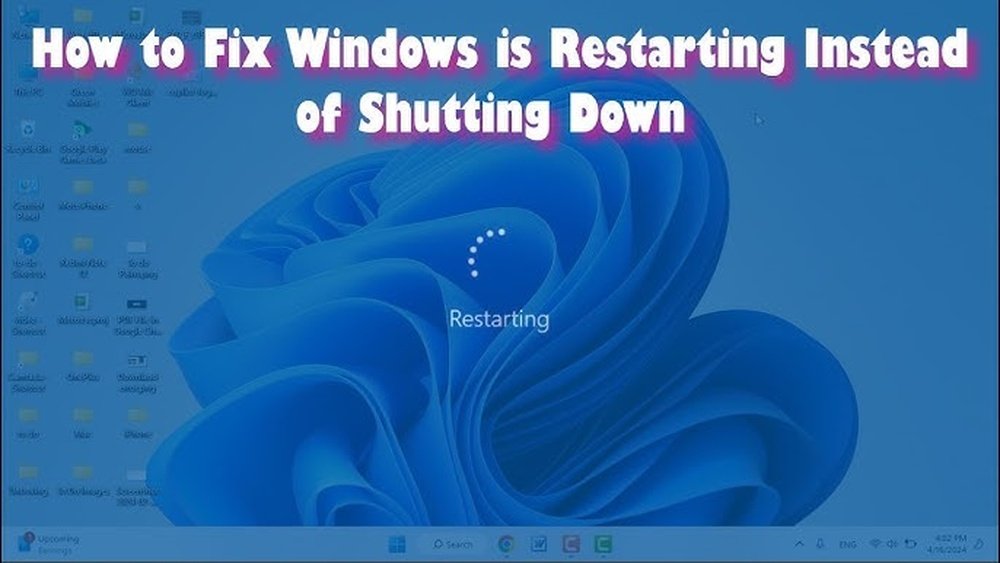
Pc Restarting Instead of Shutting down Fix: Easy Solutions That Work
Is your PC restarting when you want it to shut down? This annoying problem can interrupt your work and waste your time.
You’re not alone, and the good news is that fixing it is easier than you think. You’ll discover simple steps to stop your computer from restarting and get it to shut down properly. Keep reading, and you’ll have control over your PC again in no time.
Why Pcs Restart Instead Of Shutting Down
Many PC users face the issue of their computer restarting instead of shutting down. This can be confusing and annoying, especially when you just want to turn off your device. Understanding why this happens helps in fixing the problem quickly. Several factors can cause a PC to restart automatically instead of powering off completely.
Common Causes
Some common reasons for this issue include hardware problems, software conflicts, and incorrect power settings. Each of these can stop the PC from shutting down properly. Knowing these causes helps you find the right solution fast.
Hardware Issues
Faulty hardware parts can cause a PC to restart instead of shutting down. Problems with the power supply, motherboard, or RAM often trigger this behavior. Loose connections or damaged components may also cause unexpected restarts. Checking hardware health is important for a smooth shutdown.
Software Conflicts
Software conflicts can stop the shutdown process. Sometimes, running programs or system errors force the PC to restart. Windows updates or driver issues often cause these conflicts. Closing all apps and fixing software errors can help the PC turn off correctly.
Power Settings
Power settings control how your PC behaves during shutdown. Incorrect settings can cause it to restart instead. Features like “Fast Startup” may lead to this issue. Adjusting power options in the control panel can fix the problem and allow proper shutdown.

Credit: www.guidingtech.com
Quick Fixes To Try First
PC restarting instead of shutting down is a common issue. It can interrupt your work and cause frustration. Before trying complex fixes, try some quick solutions. These simple steps often solve the problem fast. Follow the tips below to get started.
Disable Fast Startup
Fast Startup helps your PC boot faster. But it can cause shutdown problems. To disable it, open Control Panel. Go to Power Options > Choose what the power buttons do. Click “Change settings that are currently unavailable.” Uncheck “Turn on fast startup.” Save changes and restart your PC.
Check For Windows Updates
Windows updates fix bugs and improve system stability. Outdated software might cause restart issues. Open Settings and select Update & Security. Click “Check for updates.” Install any available updates. Restart your computer after the update completes.
Run Power Troubleshooter
Windows has a built-in tool to fix power problems. Open Settings and go to Update & Security. Select Troubleshoot, then Additional troubleshooters. Find and run the Power troubleshooter. Follow the on-screen instructions to fix issues. Restart your PC afterward.
Adjust Power Settings
Adjusting your PC’s power settings can help fix the problem of restarting instead of shutting down. Some settings may cause your computer to reboot automatically. Changing these options can stop unwanted restarts and allow proper shutdowns. Follow the steps below to make necessary changes in power settings.
Modify Advanced Power Options
Open the Control Panel and go to Power Options. Select your active power plan and click on “Change plan settings.” Next, choose “Change advanced power settings.”
Look for the “Power buttons and lid” section. Expand it and check the setting for the power button action. Set it to “Shut down.”
Also, find the “Sleep” section and disable hybrid sleep. This prevents the system from restarting after sleep mode. Click “Apply” and then “OK” to save changes.
Turn Off Automatic Restart On System Failure
Right-click on “This PC” and select “Properties.” Click on “Advanced system settings” on the left. Under the “Startup and Recovery” section, click “Settings.”
Uncheck the box for “Automatically restart” under System failure. This stops the PC from restarting after a crash or error.
Click “OK” to save. Restart your computer to apply these changes. This step helps prevent unexpected restarts after failures.
Update Or Reinstall Drivers
Updating or reinstalling drivers can fix many PC problems. Drivers help your computer parts talk to Windows. Old or broken drivers can cause the PC to restart instead of shutting down. Fixing driver issues often stops this problem.
Check Device Manager For Errors
Device Manager shows all hardware and their drivers. Open it by typing “Device Manager” in the search box. Look for yellow warning signs. These signs mean a driver has an error. Note which devices have problems. This helps you know which drivers to fix.
Update Critical Drivers
Critical drivers include those for the motherboard, graphics card, and network. Right-click the device in Device Manager. Select “Update driver” and choose to search automatically. Windows finds and installs the latest driver. Updated drivers can stop unexpected restarts.
Rollback Problematic Drivers
Sometimes new drivers cause issues. You can roll back to the previous version. In Device Manager, right-click the device and select “Properties.” Go to the “Driver” tab and click “Roll Back Driver.” This restores the old driver that worked well before.
Scan For Malware And Corrupt Files
Malware infections and corrupted system files often cause Windows to restart instead of shutting down. Malicious software can interrupt the shutdown process. Corrupt files can damage important system operations. Scanning for these issues helps identify and fix the root cause. This step improves system stability and prevents unexpected restarts.
Run Antivirus Scans
Start by running a full antivirus scan. Use a trusted antivirus program to check your computer. The scan finds and removes malware that may block shutdown. Keep your antivirus updated for better protection. After scanning, restart your PC and try shutting down again.
Use System File Checker
System File Checker (SFC) scans Windows system files. It finds corrupted or missing files. Open Command Prompt as an administrator. Type sfc /scannow and press Enter. The tool repairs damaged files automatically. This process may take some time. Restart your PC after the scan finishes.
Perform Dism Repair
Deployment Image Servicing and Management (DISM) fixes deeper system issues. Open Command Prompt as an admin again. Type DISM /Online /Cleanup-Image /RestoreHealth and press Enter. DISM repairs Windows image and system components. Wait for the operation to complete fully. Restart your computer to check if shutdown works properly.

Credit: www.youtube.com
Check Hardware Components
Hardware problems often cause a PC to restart instead of shutting down. Checking hardware parts helps find these issues fast. Some parts may fail or cause conflicts. This leads to unexpected restarts. Testing key components can save time and money. It helps avoid unnecessary repairs or replacements.
Test Power Supply
The power supply gives power to all PC parts. A faulty power supply can cause restarts. Use a power supply tester or multimeter to check it. Ensure it delivers steady voltage without drops. Replace the power supply if readings are unstable. A good power supply keeps the PC running smoothly.
Inspect Ram And Motherboard
Bad RAM or motherboard issues also cause restart problems. Remove and reinsert RAM sticks carefully. Run memory tests using tools like MemTest86. Check the motherboard for swollen or leaking capacitors. Look for any burn marks or loose connections. Fixing RAM or motherboard faults can stop unwanted restarts.
Disconnect External Devices
External devices sometimes create power or driver conflicts. Disconnect all USB devices, printers, and external drives. Then shut down the PC again. If it shuts down normally, add devices one by one. This helps find the device causing the restart issue. Removing faulty devices improves shutdown behavior.
Use Advanced Troubleshooting Tools
Using advanced troubleshooting tools can help fix the issue of your PC restarting instead of shutting down. These tools provide deeper insights into system problems. They help identify errors that normal checks might miss.
Start with tools that let you control how your PC boots. Then, check system logs for clues. Lastly, try restoring your system to a previous state.
Boot In Safe Mode
Safe Mode starts your PC with only essential programs. This mode helps isolate software problems. To enter Safe Mode, restart your PC and press the correct key (often F8 or Shift + F8). Check if the PC shuts down properly in Safe Mode. If yes, a third-party app or driver may cause the issue.
Review Event Viewer Logs
Event Viewer records system activities and errors. Open Event Viewer by typing it in the Start menu search. Look under “Windows Logs” and then “System” for errors near shutdown times. These logs may show what causes the restart. Use the event details to find and fix the issue.
Perform System Restore
System Restore returns your PC to an earlier state. It can fix recent changes causing the restart problem. Search “System Restore” in the Start menu and open it. Choose a restore point dated before the issue began. Follow the steps to restore your system. This process keeps your files safe while fixing errors.
Credit: www.thewindowsclub.com
Frequently Asked Questions
Why Does My Pc Restart Instead Of Shutting Down?
This usually happens due to Windows settings like “fast startup” or automatic restart on system failure. It can also be caused by driver issues or hardware problems.
How Can I Fix Pc Restarting After Shutdown?
Disable fast startup in power options, update device drivers, and check for Windows updates. Also, run a system file check to repair corrupted files.
Does A Bios Setting Cause Pc To Restart On Shutdown?
Yes, some BIOS settings like “Wake on LAN” or power management features can cause restarts. Disable these options in BIOS to fix the issue.
Can A Faulty Driver Cause Shutdown Problems?
Absolutely. Faulty or outdated drivers can trigger restarts instead of shutdowns. Updating or reinstalling drivers often resolves this problem.
Conclusion
Fixing your PC’s restart issue takes just a few simple steps. Check settings, update drivers, and scan for malware. These actions often solve the problem quickly. Don’t ignore small errors—they can cause bigger issues later. Keep your system clean and updated for smooth performance.
With patience and care, your PC will shut down properly every time. Try these tips today and enjoy hassle-free use.