How to Check How Many Threads My Cpu Has: Quick & Easy Guide
Are you curious about how powerful your computer really is? One key detail that can tell you a lot about your CPU’s performance is the number of threads it has.
Knowing this can help you understand how well your system handles multitasking, gaming, or heavy software. But how do you find this info quickly and easily? You’ll learn exactly how to check how many threads your CPU has—no confusing tech jargon, just simple steps you can follow right now.
Keep reading, and unlock the full potential of your computer!
What Cpu Threads Mean
CPU threads are like small workers inside your processor. They help the CPU handle tasks faster. Each thread can run a part of a program at the same time as others. This makes your computer feel quick and responsive.
More threads mean the CPU can do many things at once. This is useful for multitasking and running complex software. Threads work alongside CPU cores to improve performance.
Difference Between Threads And Cores
Cores are the main parts of a CPU that process data. Threads are smaller paths that guide tasks inside each core. One core can have one or more threads. More threads help cores handle more tasks without slowing down.
Why Threads Matter For Performance
Threads allow your CPU to manage multiple tasks smoothly. They improve speed when running apps or games. More threads reduce waiting time for tasks. This leads to better overall performance.
How Threads Affect Multitasking
Multitasking means doing many jobs at once. Threads make multitasking easier for the CPU. They split work into pieces and handle them together. This keeps your computer running without lag.
Credit: www.intel.com
Why Thread Count Matters
Thread count is an important factor in understanding your CPU’s performance. It shows how many tasks your processor can handle at once. More threads mean the CPU can work on more things simultaneously. This can make your computer faster and smoother.
Many people confuse thread count with core count. But threads and cores are different. Threads are like workers inside each core. They help the CPU do multiple jobs at the same time. This helps in multitasking and running complex programs.
How Threads Affect Multitasking
More threads allow better multitasking. Your computer can run many applications without slowing down. Each thread manages a separate task, so the CPU handles multiple jobs smoothly. This is useful if you open many browser tabs or run software while streaming video.
Threads And Software Performance
Certain software uses many threads to improve speed. Video editing, 3D rendering, and gaming benefit from high thread counts. These programs split work among threads, finishing tasks faster. Low thread count may cause slowdowns in such applications.
Understanding Thread Count For Buying Cpus
Knowing your CPU’s thread count helps in choosing the right processor. Higher thread count suits users who run heavy software or multitask a lot. For basic tasks, fewer threads are enough and cost less. Understanding thread count helps balance price and performance.
Methods To Check Thread Count
Knowing how many threads your CPU has can help you understand its power. Threads allow your processor to handle multiple tasks at once. This section shows easy ways to check your CPU thread count. Choose the method that fits your skill level and tools.
Using Task Manager
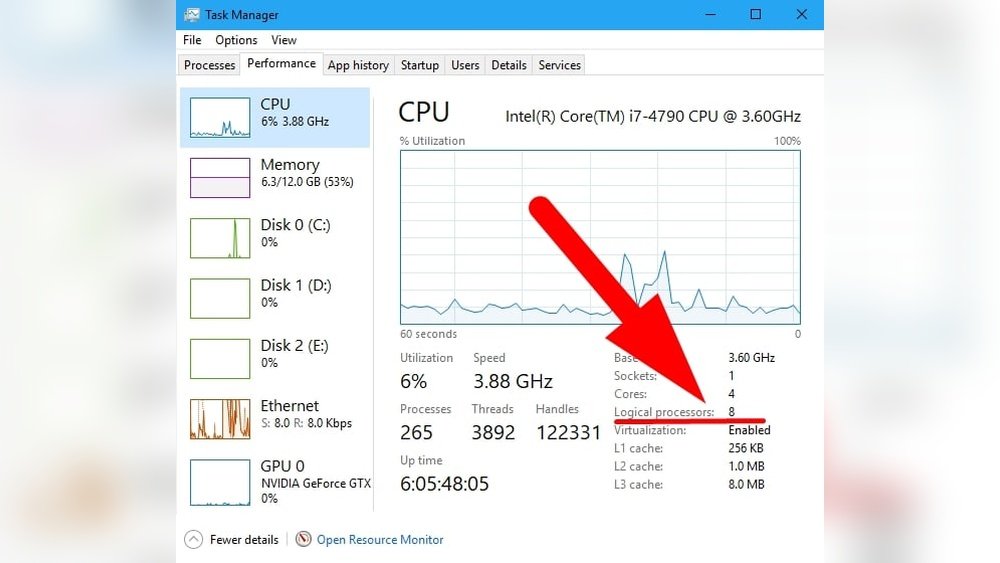
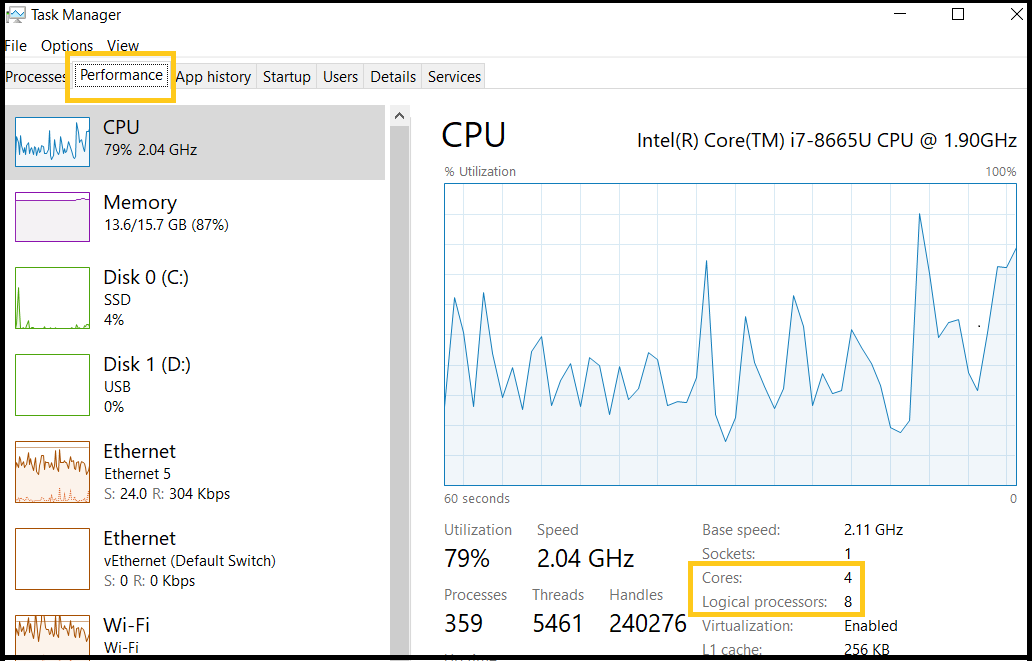
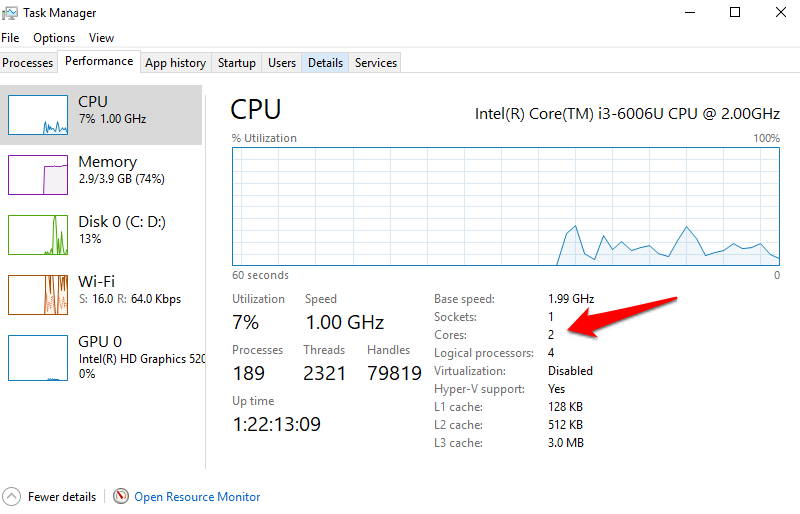
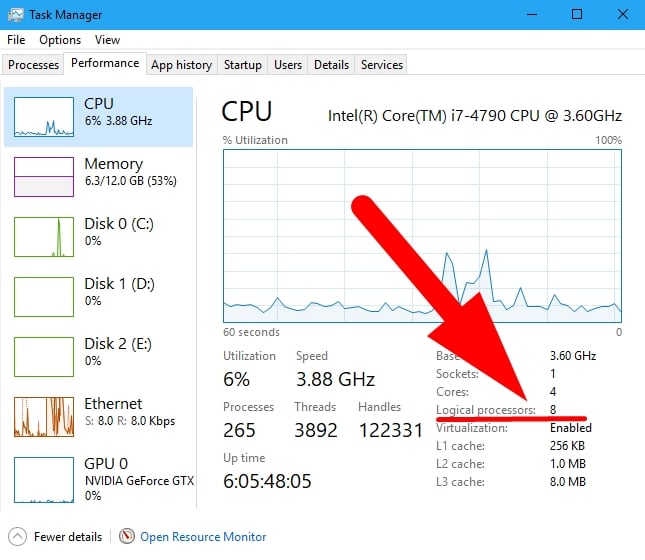
Task Manager shows real-time CPU details. Open it by pressing Ctrl + Shift + Esc. Click the “Performance” tab and select “CPU.” Here, you will see the number of cores and logical processors. Threads equal the number of logical processors. This method is quick and requires no extra software.
Command Prompt Approach
Use Command Prompt for a text-based check. Press Windows + R, type “cmd,” and hit Enter. Type wmic cpu get NumberOfLogicalProcessors and press Enter. The output shows your CPU thread count. This method is simple and works on most Windows systems.
Third-party Software Tools
Third-party programs provide detailed CPU info. Tools like CPU-Z or HWInfo display core and thread counts. Download and install the software, then open it. Look for the processor section to find thread details. These tools offer extra info but require installation.
Checking Bios/uefi Settings
BIOS or UEFI settings reveal hardware data directly. Restart your PC and enter BIOS by pressing a key like F2 or Delete. Navigate to the CPU or system information tab. Look for core and thread counts. This method needs caution and basic BIOS knowledge.
Credit: techwiser.com
Interpreting Thread Count Results
Understanding your CPU’s thread count helps you know its true power. Threads affect how many tasks your processor handles at once. More threads often mean smoother multitasking and better performance. Let’s break down what the thread numbers really mean for your computer.
What Does Thread Count Tell You?
Thread count shows how many independent sequences a CPU can run. Each thread handles a separate task or part of a task. More threads allow the CPU to work on many things at the same time. This is useful for programs that can split work across threads.
Threads Vs. Cores
Threads are not the same as cores. Cores are the physical parts of the processor. Threads are like virtual workers within those cores. Some CPUs use technology to run two threads per core. This boosts performance without adding extra cores.
A higher thread count can improve multitasking speed. It helps when running many programs or heavy software. Tasks like video editing and 3D rendering benefit from more threads. But some apps do not use many threads well.
How To Use Thread Count Information
Use thread count to choose the right CPU for your needs. For basic tasks, fewer threads are enough. For gaming or professional work, more threads help. Balance thread count with other specs like clock speed for best results.
Improving Cpu Thread Performance
Improving CPU thread performance helps your computer run tasks faster. Threads allow the CPU to handle multiple jobs at once. Better thread performance means smoother multitasking and quicker program responses.
Optimizing thread use can enhance your system’s speed. This is important for tasks like video editing, gaming, and running many apps together.
Understanding Thread Priorities
Each thread can have a priority level. Higher priority threads get more CPU time. Adjusting priorities can make important tasks run faster.
Using Efficient Software
Choose programs designed to use multiple threads well. Efficient software spreads work evenly across threads. This reduces wait times and speeds up processing.
Keeping Your System Updated
Regular updates improve CPU performance. Updates fix bugs and improve thread handling. Always install the latest system and driver updates.
Managing Background Processes
Too many background tasks slow down threads. Close apps you do not need. This frees up threads for active programs.
Credit: www.cgdirector.com
Frequently Asked Questions
How Do I Find My Cpu Thread Count In Windows?
Open Task Manager by pressing Ctrl+Shift+Esc. Go to the Performance tab. Select CPU, and check the Threads count at the bottom right.
Can I Check Cpu Threads On Macos?
Yes, open Terminal and type sysctl hw. logicalcpu. The output shows the number of logical processors, which equals CPU threads.
What Is The Difference Between Cpu Cores And Threads?
Cores are physical processing units. Threads are virtual units enabling each core to run multiple tasks simultaneously, improving multitasking.
Why Is Knowing Cpu Thread Count Important?
Thread count affects multitasking and software performance. Higher threads improve handling of parallel tasks and enhance overall system speed.
Conclusion
Knowing how many threads your CPU has helps you understand its power. You can check this easily on your computer with simple steps. This information guides you in choosing the right software or games. It also helps in comparing different CPUs before buying.
Keep your system info handy for quick checks anytime. Now you can confidently find your CPU’s threads without trouble.