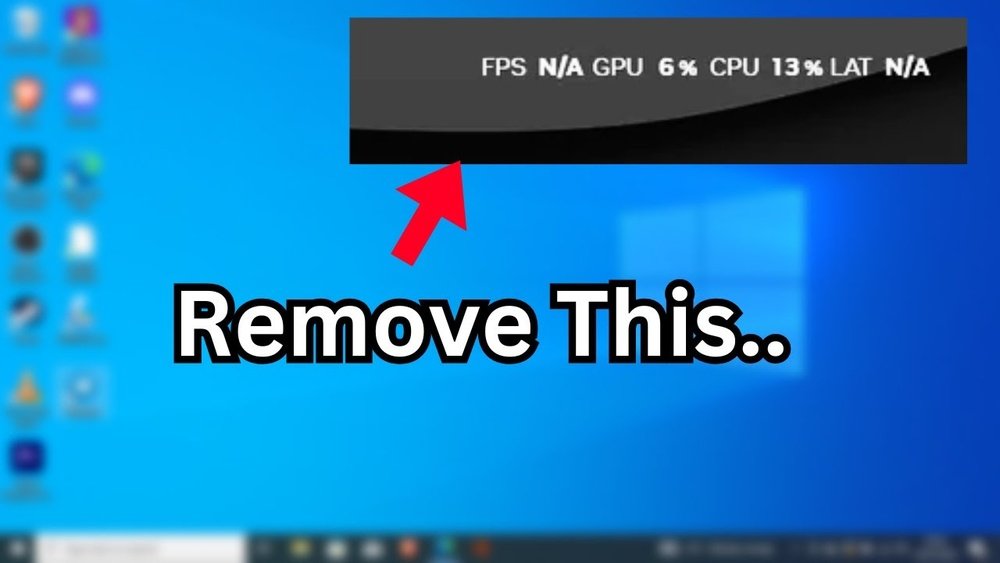
How to Remove the Fps Gpu Cpu Lat: Ultimate Guide to Boost Speed
Are you tired of your games lagging or your videos freezing just when the action heats up? That annoying delay between your GPU, CPU, and FPS – known as latency – can ruin your experience.
But what if you could fix it and enjoy smooth, seamless performance every time? You’ll discover simple, effective ways to remove FPS GPU CPU lag. Keep reading, and you’ll learn how to unlock the full power of your system without frustration or technical headaches.
Your gaming and streaming will never be the same.

Credit: www.youtube.com
Causes Of Fps Drops And Latency
FPS drops and latency can ruin your gaming or work experience. These problems happen for many reasons. Understanding the causes helps fix them faster. Let’s explore common causes of FPS drops and latency issues.
Hardware Limitations
Old or weak hardware struggles to run modern software. The CPU, GPU, and RAM must handle the load. If your parts are outdated, FPS will drop. Slow hardware also causes delays in processing tasks. Upgrading components can improve performance.
Driver Issues
Drivers control how hardware works with software. Outdated or corrupted drivers cause lag and FPS drops. Graphics card drivers need regular updates. Proper drivers ensure smooth communication between hardware and games.
Background Processes
Many programs run quietly in the background. These use CPU, GPU, and memory resources. Background apps reduce the power available for games. Closing unnecessary programs can boost FPS and reduce latency.
Thermal Throttling
Overheating forces hardware to slow down. This protects the CPU and GPU from damage. High temperatures cause FPS drops and lag spikes. Keeping your system cool prevents thermal throttling and keeps performance steady.

Credit: www.reddit.com
Optimizing Gpu Performance
Optimizing GPU performance helps lower FPS, GPU, and CPU latency. It makes games and apps run smoother. Better GPU performance means less lag and faster response times. Simple steps can improve the GPU’s speed and reduce delays.
Focus on keeping the GPU up to date and running cool. Adjust settings to balance quality and speed. Even small changes can reduce latency and improve your experience.
Updating Graphics Drivers
Graphics drivers control how your GPU works with software. Old drivers can cause slowdowns and lag. Check your GPU maker’s website for the latest drivers. Installing updates often fixes bugs and boosts speed. Updated drivers improve performance and reduce latency.
Adjusting Graphics Settings
Lowering graphics settings can reduce GPU load. Turn off extra effects like shadows and reflections. Use medium or low settings to increase frame rates. Reducing resolution also helps the GPU work faster. A balanced setting keeps visuals good and cuts delay.
Overclocking Basics
Overclocking means running the GPU faster than usual. It can raise FPS but needs care. Increase clock speed in small steps. Test stability after each change. Use reliable software designed for overclocking. Remember, too much speed causes crashes or damage.
Managing Gpu Temperature
High temperatures slow down the GPU to protect it. Keep the GPU cool for best speed. Clean dust from fans and vents regularly. Use good cooling solutions like extra fans or liquid coolers. Monitor temperatures with software and stop overheating early.
Enhancing Cpu Efficiency
Enhancing CPU efficiency helps reduce FPS drops and lag. A well-optimized CPU processes tasks faster. It keeps your games and apps running smoothly. Small changes can improve your CPU performance a lot. Focus on managing resources and settings for better results.
Closing Unnecessary Applications
Close apps that run in the background but are not needed. These apps use CPU power and slow down your system. Check your task manager to find and stop unwanted programs. Freeing up CPU resources lets your games get more power.
Upgrading Cpu Cooling
Heat slows down your CPU and causes lag. Use better cooling methods like fans or liquid coolers. Keep your PC clean from dust to improve airflow. Cooler CPU temperatures help maintain stable and high performance.
Tweaking Power Settings
Change your power plan to high performance. This setting prevents the CPU from lowering its speed. It uses more energy but boosts CPU processing power. Adjust power options in your control panel for better gaming results.
Enabling Multi-core Support
Modern CPUs have multiple cores to handle many tasks. Make sure your system uses all available cores. You can enable this in system settings or BIOS. Using all cores improves game and app performance by sharing the workload.
Reducing Latency For Smoother Gameplay
Reducing latency is key to smoother gameplay and better response times. Latency causes delays between your actions and what happens on screen. Lower latency means faster reactions and less lag. Small changes can make a big difference in how your game feels. Focus on both hardware and software settings to cut down lag.
Start by improving your network setup, then adjust your graphics settings. These steps help reduce the delay from your GPU, CPU, and FPS. Play with settings until you find the best balance for your system.
Optimizing Network Settings
Use a wired connection instead of Wi-Fi for lower ping. Close background apps that use the internet. Set your router to prioritize gaming traffic. Choose game servers closer to your location. These changes reduce network delays and improve game stability.
Using Low-latency Modes
Many GPUs offer low-latency modes in their control panels. Enable these modes to reduce input lag. Low-latency mode processes frames faster, improving responsiveness. This setting helps especially in fast-paced games. Check your GPU settings and turn on this feature.
Disabling V-sync And G-sync
V-Sync can increase input lag by syncing frames to your monitor. Turn it off to reduce delay between inputs and actions. G-Sync may also add some latency in certain cases. Try disabling G-Sync to see if gameplay feels smoother. Test these settings to find what works best for you.
Adjusting In-game Latency Settings
Many games have options to reduce latency. Lower graphics quality to increase FPS and reduce lag. Turn off features like motion blur and shadows. Use fullscreen mode instead of windowed to improve performance. These tweaks help the game react faster to your commands.
System Maintenance Tips
System maintenance is key to reducing FPS, GPU, and CPU lag. It keeps your computer running smoothly. Simple steps can improve performance and gaming experience. Regular care helps your system stay fast and responsive. Follow these tips to maintain your hardware and software effectively.
Regular Driver And Os Updates
Update your graphics and CPU drivers often. New drivers fix bugs and improve speed. Also, update your operating system regularly. Updates bring security patches and performance improvements. Use official sources to download updates safely.
Cleaning Hardware Components
Dust and dirt block airflow inside your PC. Clean fans, vents, and heat sinks regularly. Use compressed air to remove dust gently. This keeps your hardware cool and prevents overheating. Cooler parts run faster and last longer.
Managing Startup Programs
Many programs start automatically with your system. Too many startup programs slow down your PC. Disable unnecessary programs from starting at boot. Use Task Manager or system settings to manage them. Faster startup means better overall performance.
Disk Cleanup And Defragmentation
Remove temporary files and junk with disk cleanup tools. These files take up space and slow your system. Defragment your hard drive if using HDD. This organizes data for quicker access. Solid-state drives (SSD) do not need defragmentation.

Credit: www.reddit.com
Advanced Techniques
Advanced techniques help reduce FPS, GPU, and CPU latency effectively. These methods go beyond basic settings. They focus on deeper system adjustments and optimizations. This section covers BIOS updates, game file tweaks, performance tools, and hardware upgrades. Each step improves your gaming experience and system response.
Bios And Firmware Updates
Updating BIOS and firmware can fix latency issues. Manufacturers release updates to improve hardware performance. These updates enhance CPU and GPU communication. Check your motherboard’s website for the latest BIOS version. Follow instructions carefully to avoid problems during updates. A newer BIOS can unlock better hardware efficiency and stability.
Customizing Game Configuration Files
Game config files control graphics and performance settings. Editing these files lets you reduce latency manually. Lowering certain settings like shadow quality or view distance helps. Use a text editor to open config files. Save a backup before making changes. Small tweaks here can boost FPS and reduce input lag.
Utilizing Performance Monitoring Tools
Performance tools track your system’s real-time activity. Apps like MSI Afterburner or HWMonitor show CPU and GPU usage. These tools identify bottlenecks causing latency. Monitor temperatures, clock speeds, and frame rates. Use this data to adjust your system for better performance. Continuous monitoring prevents future lag spikes.
Hardware Upgrades For Future-proofing
Upgrading hardware reduces latency and improves game smoothness. Faster CPUs and GPUs handle games better. More RAM helps with multitasking and reduces slowdowns. Use SSDs for quicker game loading and response. Choose components compatible with your system. Investing in good hardware prepares your setup for new games.
Frequently Asked Questions
What Causes Fps, Gpu, And Cpu Latency Issues?
Latency issues are caused by hardware bottlenecks, outdated drivers, background processes, and thermal throttling. Optimizing these factors improves performance and reduces lag.
How Can I Reduce Gpu Latency For Better Fps?
Update your GPU drivers, lower graphics settings, and close unnecessary apps. Also, ensure proper cooling to prevent thermal throttling and improve FPS.
Does Cpu Optimization Affect Gaming Latency?
Yes, optimizing CPU usage by closing background tasks and upgrading hardware reduces latency. This leads to smoother gameplay and better FPS performance.
Can Software Updates Fix Latency Problems?
Software updates often include performance improvements and bug fixes. Keeping your OS and drivers updated helps minimize latency and enhances overall system stability.
Conclusion
Reducing FPS lag on your GPU and CPU can boost your gaming experience. Simple steps like updating drivers and closing background apps help a lot. Checking system temperatures and adjusting settings also improve performance. Small changes make your computer run smoother and faster.
Keep your hardware clean and software optimized for best results. Play with confidence and enjoy a steady frame rate every time.