Air Cooler Or Liquid Cooler Which is Better: Ultimate Cooling Showdown
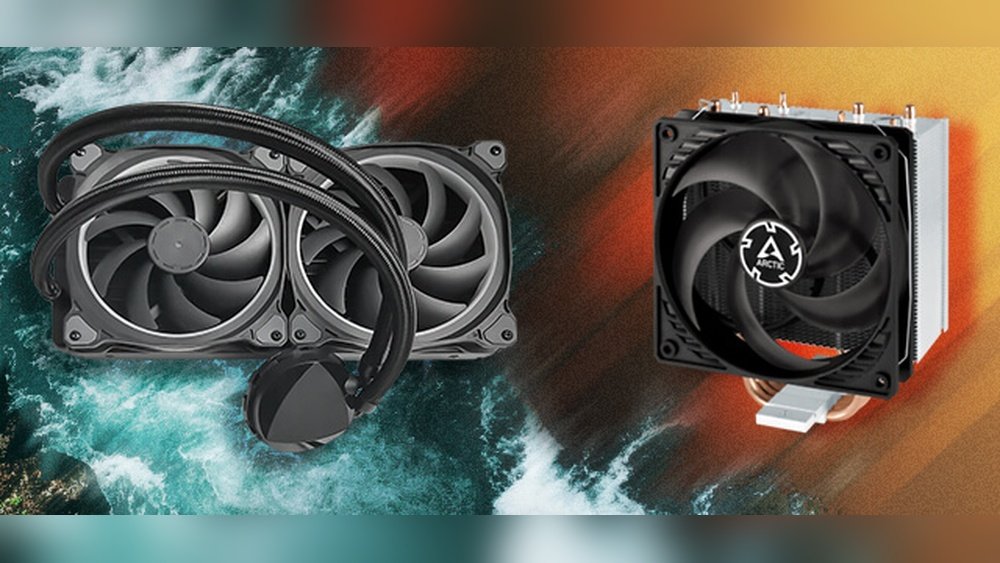
When it comes to keeping your computer cool, you might be wondering: Air cooler or liquid cooler—which one is better for you? Choosing the right cooling system can make a huge difference in your PC’s performance and lifespan.
You want something reliable, efficient, and worth your investment. But with so many options and technical terms, it’s easy to feel overwhelmed. Don’t worry—we’ll break down the pros and cons of each, helping you find the perfect fit for your setup.
Keep reading to discover which cooling solution matches your needs and keeps your system running smoothly.
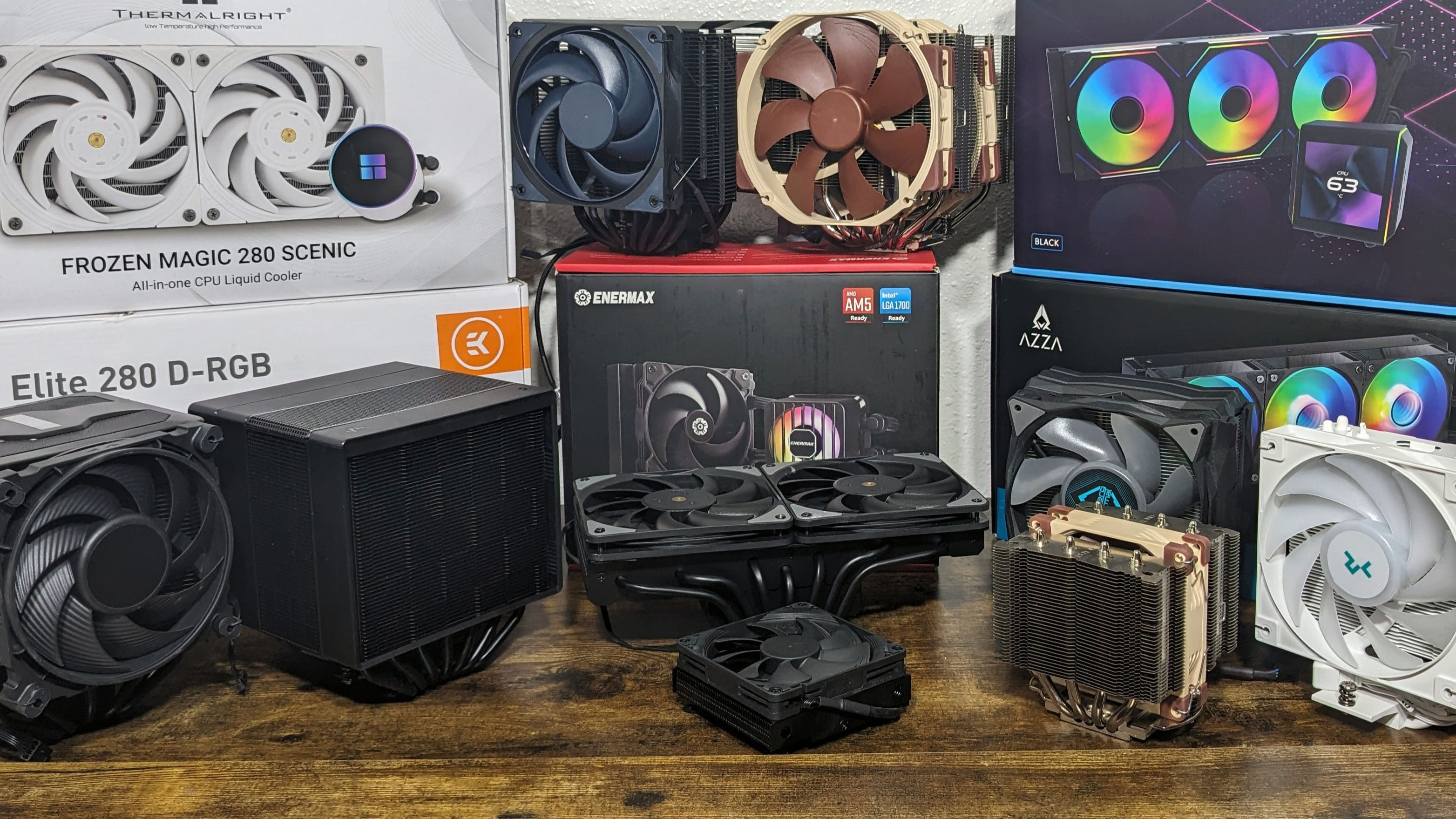
Credit: www.tomshardware.com
Air Cooler Basics
Air coolers are popular devices for cooling small to medium spaces. They use simple technology to lower air temperature. Many people prefer air coolers for their cost-effectiveness and energy efficiency. Understanding how air coolers work helps in choosing the right cooling option for your needs.
Air coolers are different from air conditioners. They do not use chemicals or compressors. Instead, they rely on natural processes to cool the air. This makes them eco-friendly and affordable.
How Air Coolers Work
Air coolers use evaporation to cool the air. They pull warm air from the room into the cooler. The air passes through wet pads inside the cooler. As the air moves through, water evaporates and cools the air. The cooler then blows this cooler air back into the room.
This process lowers the temperature without using refrigerants. It works best in dry climates where the air has low humidity.
Key Components
Air coolers have a few main parts. First, there is a water tank that holds water for evaporation. Next, cooling pads soak up the water from the tank. A fan draws air through these wet pads. Finally, a blower pushes the cooled air out into the room.
Some air coolers also have a pump to circulate the water. Controls allow users to adjust fan speed and cooling settings.
Common Uses
Air coolers are great for homes, offices, and small shops. They work well in areas with low humidity. People use them in living rooms, bedrooms, and kitchens. Air coolers are also useful outdoors, like on patios or balconies.
They are a budget-friendly choice for cooling without heavy electricity use. In hot, dry weather, air coolers provide fresh and cool air quickly.
Liquid Cooler Basics
Liquid coolers are a popular choice for keeping computers cool. They use liquid to carry heat away from the CPU or GPU. This method often cools better than air coolers, especially under heavy use.
Understanding how liquid coolers work helps you decide if they fit your needs. Let’s explore the basics of liquid cooling systems.
How Liquid Coolers Work
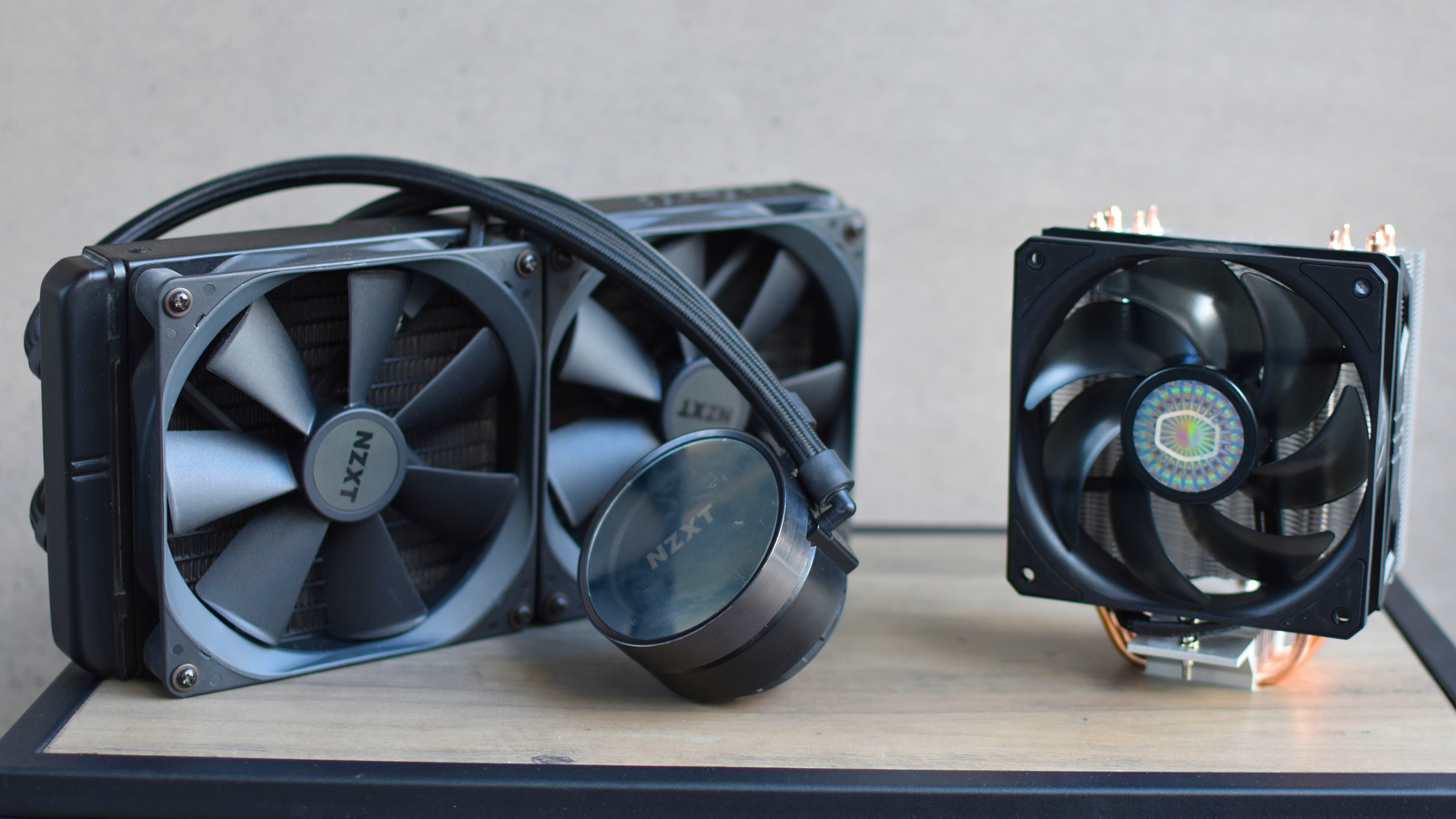
Liquid coolers use a closed loop to move heat. The liquid absorbs heat from the processor. Then, it flows through tubes to a radiator. The radiator uses fans to cool the liquid. Cooled liquid returns to the processor block to repeat the cycle.
Key Components
Liquid coolers have several main parts. The water block sits on the CPU or GPU. It holds the liquid and pulls heat away. Tubes carry the liquid to and from the radiator. The radiator spreads heat over a large area. Fans blow air through the radiator to cool the liquid. A pump moves the liquid through the system.
Common Uses
Liquid coolers suit high-performance computers. Gamers use them to keep their systems cool. Creators with powerful workstations benefit from liquid cooling. They also help with overclocking. Liquid cooling keeps temperatures low and stable. This improves system performance and lifespan.
Performance Comparison
Performance is key when choosing between an air cooler and a liquid cooler. Both types have unique strengths and weaknesses. Understanding their differences helps pick the right option for your needs. Below is a detailed performance comparison focusing on cooling efficiency, noise levels, and temperature control.
Cooling Efficiency
Liquid coolers generally offer better cooling efficiency. They use liquid to transfer heat away from the CPU faster. This allows the system to run at lower temperatures under heavy loads. Air coolers rely on fans and heat sinks. They work well for everyday tasks but may struggle with intense gaming or editing. Liquid coolers keep components cooler for longer periods. This benefits users who need sustained high performance.
Noise Levels
Air coolers tend to produce more noise. Their fans run faster to maintain airflow. This can be noticeable in quiet rooms or during light use. Liquid coolers usually run quieter. The pump moves liquid silently, and fans spin at lower speeds. Some models have sound-dampening features. Users wanting a silent setup often prefer liquid cooling. Noise levels vary by brand and model for both types.
Temperature Control
Liquid coolers provide more precise temperature control. Sensors monitor the coolant and adjust pump speed accordingly. This helps keep temperatures stable under changing workloads. Air coolers can have good control but react slower. They depend on fan speed changes to cool down components. Sudden spikes in temperature may cause fans to ramp up quickly. Liquid cooling offers smoother temperature management during intense use.
Credit: www.rockpapershotgun.com
Installation And Maintenance
Choosing between an air cooler and a liquid cooler involves understanding their installation and maintenance. These factors impact how easy it is to set up and keep the cooler working well. Proper care extends the device’s life and ensures good cooling performance.
Setup Process
Air coolers are simple to set up. Just place them near a window or open space. Fill the water tank and plug them in. No special tools or skills are needed.
Liquid coolers need more work. You must mount them on the CPU or device. Connect tubes and fans carefully. It may require some technical knowledge or help from an expert.
Maintenance Requirements
Air coolers need regular water refills. Clean the water tank to avoid mold. Replace or wash the cooling pads often to keep air fresh.
Liquid coolers require checking coolant levels. Look for leaks in tubes and connections. Clean dust from fans and radiator to maintain airflow.
Lifespan And Durability
Air coolers last longer with less risk of damage. Their simple design means fewer parts to break.
Liquid coolers are more fragile. Pumps or tubes can fail over time. Proper maintenance helps but may not prevent all issues.
Cost And Energy Use
Choosing between an air cooler and a liquid cooler depends a lot on cost and energy use. These factors affect your budget and your electricity bill. Understanding the differences helps you pick the best option for your needs.
Initial Investment
Air coolers usually cost less to buy. They have a simple design with fewer parts. Liquid coolers are more expensive because they have pumps and tubes. The setup of liquid coolers can also add to the price.
Operating Costs
Air coolers use water and need refilling often. This adds a small cost over time. Liquid coolers need less maintenance but may require special coolant. Fixing or replacing parts in liquid coolers can be costly.
Energy Consumption
Air coolers use less electricity than liquid coolers. They work by blowing cool air and evaporating water. Liquid coolers use power to run pumps and fans. This can increase your electricity bill noticeably.
Suitability For Different Environments
Choosing the right cooler depends on the environment where your PC will be used. Different settings need different cooling solutions. Air coolers and liquid coolers each have strengths that fit certain places better. Understanding these can help you pick the best option for your needs.
Home Settings
Air coolers work well in most home setups. They are easy to install and maintain. Homes usually do not have extreme heat or heavy dust. Air coolers keep your PC cool and quiet for daily tasks. Liquid coolers can be used but might be more than needed for simple home use.
Office Spaces
In office spaces, quiet operation is important. Air coolers often run quietly and do the job well. They also cost less, which suits office budgets. Offices rarely push PCs hard, so air cooling is enough. Liquid coolers might add noise or risk leaks, which is not ideal here.
Gaming And High-performance Pcs
Gaming and high-performance PCs generate a lot of heat. Liquid coolers handle high temperatures better than air coolers. They keep the system cooler under heavy load. This helps improve performance and stability. Air coolers can work but may struggle with intense gaming sessions.
Common Myths And Misconceptions
Many people have wrong ideas about air coolers and liquid coolers. These myths can confuse buyers. It is important to know the facts before choosing.
Some think air coolers only work in dry places. Others believe liquid coolers are always noisy. These ideas are not always true.
Myth: Air Coolers Work Only In Dry Climates
Air coolers use water to cool the air. They work best where air is dry. But they can still help in humid areas. Cooling is less effective, not impossible.
Myth: Liquid Coolers Are Noisy
Many believe liquid coolers make a lot of sound. Actually, they are often quieter than air coolers. The pump inside is usually very silent.
Myth: Air Coolers Use More Electricity
Some think air coolers consume more power. In truth, air coolers use less electricity than liquid coolers. Their fans run at low power most of the time.
Myth: Liquid Coolers Need Constant Maintenance
Liquid coolers require some care. But maintenance is not constant or hard. Checking liquid levels occasionally is enough for most models.
Making The Right Choice
Choosing between an air cooler and a liquid cooler can feel tricky. Each type has clear benefits and some limits. Knowing what matters most helps in making a smart choice. This section breaks down key points to consider. It also looks at personal tastes and what the future holds for cooling technology.
Factors To Consider
Think about the size of your space. Air coolers work well in small rooms. Liquid coolers are better for bigger areas or heavy use. Noise level is important too. Air coolers tend to be quieter. Energy use affects your bills. Air coolers often use less power. Maintenance matters. Liquid coolers need more care to avoid leaks. Check your budget as well. Air coolers usually cost less upfront.
User Preferences
Some users want simple setup and less fuss. Air coolers fit this need. Others want stronger cooling and can handle more work. Liquid coolers suit them better. Your climate plays a role. Air coolers add moisture, good for dry areas. Liquid coolers cool without adding humidity. Think about noise you can tolerate. Air coolers are softer in sound. Liquid coolers can be louder but more powerful.
Future Trends
Technology advances fast. New air coolers are more energy efficient. Liquid coolers now have safer designs and better leak protection. Smart features are becoming common. Many coolers now connect to apps for easy control. Expect more eco-friendly options soon. Solar-powered and low-energy models are on the rise. Staying updated helps pick a cooler that lasts longer and saves money.
Credit: www.asetek.com
Frequently Asked Questions
What Is The Main Difference Between Air And Liquid Coolers?
Air coolers use fans to dissipate heat, while liquid coolers circulate coolant. Liquid coolers generally offer better heat transfer and quieter operation compared to air coolers.
Which Cooler Is Better For Gaming Pcs?
Liquid coolers are preferred for gaming PCs due to superior cooling efficiency. They handle high heat loads better than air coolers, keeping performance stable.
Are Air Coolers More Budget-friendly Than Liquid Coolers?
Yes, air coolers are usually cheaper and easier to install. They provide adequate cooling for most users without the higher cost of liquid cooling systems.
Do Liquid Coolers Require More Maintenance Than Air Coolers?
Liquid coolers need occasional coolant checks and potential leak inspections. Air coolers require less maintenance, mostly cleaning dust from fans and heatsinks.
Conclusion
Choosing between an air cooler and a liquid cooler depends on your needs. Air coolers are simple, cost less, and need less care. Liquid coolers work quietly and cool better but cost more. Think about your budget, space, and noise preference.
Each type has its own benefits and limits. Pick the one that fits your setup best. Cooling your device well helps it last longer and work faster. The right cooler keeps your system safe and cool every day.