Pc Restarts When Gaming How to Fix: Ultimate Solutions Revealed
Is your PC restarting every time you dive into your favorite game? It’s frustrating, right?
You’re right in the middle of an epic battle or exploring a new world, and suddenly, your screen goes black. You’re not alone, and the good news is—there are simple ways to fix this. You’ll discover why your PC keeps restarting during gaming and, more importantly, how to stop it for good.
Keep reading, because your smooth gaming experience is just a few steps away.
Common Causes Of Pc Restarts During Gaming
PC restarts during gaming can be very frustrating. Understanding the common causes helps fix the problem. Several issues can make your computer shut down unexpectedly while playing games.
These causes range from hardware to software problems. Knowing each cause can guide you to the right solution. Below are some main reasons for PC restarts during gaming.
Overheating Issues
Gaming puts a heavy load on your PC’s components. This makes them heat up quickly. If the temperature gets too high, the PC restarts to protect itself. Dust in fans, poor ventilation, or dried thermal paste can worsen overheating.
Power Supply Problems
A weak or faulty power supply may fail to provide enough energy. Gaming needs more power than normal use. If your PSU cannot handle the demand, the PC can restart without warning. Loose cables or a failing power supply also cause restarts.
Driver Conflicts
Drivers control how your hardware works with software. Outdated or incompatible drivers can cause crashes and restarts. Graphics drivers are especially important for gaming. Conflicts between different drivers may also lead to instability.
Hardware Failures
Damaged hardware parts can trigger sudden restarts. Faulty RAM, a bad graphics card, or motherboard issues are common culprits. Hardware errors may appear during intense gaming sessions. Running tests can help find these failures.
Software Glitches
Bugs or errors in game software or the operating system cause restarts. Corrupted game files or system updates can create conflicts. Background programs may interfere with the game’s performance. Keeping software updated reduces these glitches.

Credit: www.youtube.com
Diagnosing The Problem
When your PC restarts during gaming, finding the cause is key. Diagnosing the problem involves checking different parts of your system. This helps you spot issues before they get worse. Below are steps to help you find the root cause of the restarts.
Monitoring Temperatures
High temperatures often cause PCs to restart. Use software like HWMonitor or Core Temp to check CPU and GPU heat. Keep an eye on the numbers while gaming. If temperatures go above 85°C, cooling may be inadequate. Clean dust from fans and ensure good airflow in your case.
Checking Event Viewer Logs
Windows Event Viewer logs system errors. Open it by typing “Event Viewer” in the start menu. Look under “Windows Logs” and then “System.” Search for errors marked as critical or error near restart times. These logs can hint at driver issues or hardware faults causing restarts.
Running Hardware Diagnostics
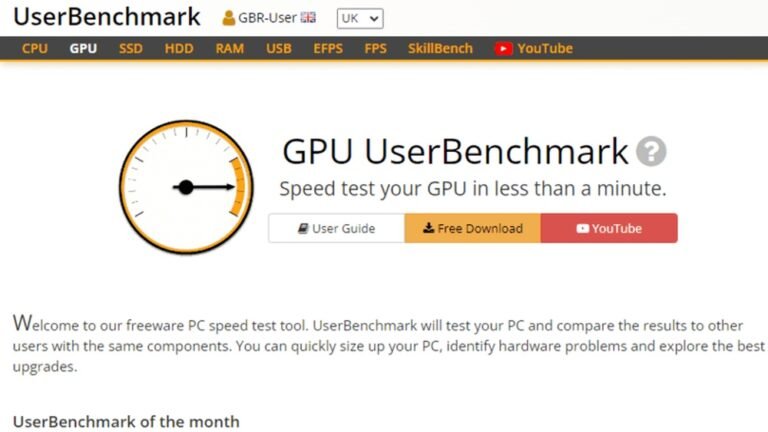
Hardware problems can trigger restarts. Run tests on your RAM using tools like MemTest86. Check your hard drive health with CrystalDiskInfo or Windows built-in tools. These diagnostics find faulty memory or disk problems that affect system stability.
Testing Power Supply
The power supply unit (PSU) might fail under gaming load. Use a PSU tester or swap with a known good unit. Look for unstable voltages or sudden shutdowns during stress tests. A weak or failing PSU often causes random restarts when gaming demands high power.
Fixing Overheating
Overheating is a common cause of PC restarts during gaming. High temperatures can force your computer to shut down to protect its parts. Fixing overheating helps keep your PC stable and running smooth. Here are some easy ways to cool down your system.
Cleaning Dust And Improving Airflow
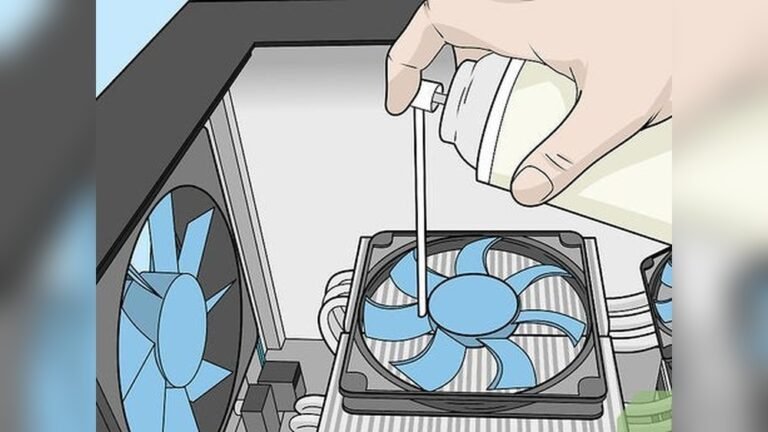
Dust builds up inside your PC and blocks airflow. This makes your system hotter. Open your case and use compressed air to blow dust from fans and vents. Check all fans to make sure they spin freely. Arrange cables neatly to allow air to move freely inside the case.
Replacing Thermal Paste
Thermal paste helps transfer heat from the CPU to its cooler. Over time, this paste dries out and loses effectiveness. Removing the old paste and applying a fresh layer improves heat transfer. Use a small amount and spread it evenly for best results.
Upgrading Cooling Solutions
Stock coolers might not be enough for heavy gaming. Consider upgrading to a better air cooler or a liquid cooling system. More powerful coolers remove heat faster and keep your PC running cooler. Check compatibility before buying to ensure a proper fit.
Credit: tech4gamers.com
Resolving Power Supply Issues
Power supply issues often cause PC restarts during gaming. The power supply unit (PSU) delivers energy to every component. A weak or faulty PSU can lead to sudden shutdowns. Fixing power supply problems can stop restarts and protect your PC. Follow these steps to check and resolve PSU issues.
Ensuring Adequate Wattage
Check if your PSU provides enough wattage for your PC parts. Gaming needs more power than basic use. Use an online PSU calculator to estimate wattage needs. Buy a PSU with at least 20% more wattage than required. This extra power helps during high loads and prevents restarts.
Testing With A Different Psu
Try another PSU to see if restarts stop. Borrow a PSU from a friend or use a spare one. Connect it to your PC and test gaming performance. If restarts disappear, your original PSU is likely faulty. Replace the old PSU with a reliable one to fix the issue.
Checking Power Cables And Connections
Inspect all power cables inside your PC. Loose or damaged cables cause power loss and restarts. Make sure cables fit tightly in the PSU and motherboard. Look for frayed wires or bent pins. Replace any damaged cables to ensure stable power delivery.
Updating And Reinstalling Drivers
Updating and reinstalling drivers helps fix many PC problems during gaming. Drivers connect your hardware to the software. Old or broken drivers can cause your PC to restart.
Keeping drivers updated makes your system stable. Reinstalling drivers removes corrupted files that cause crashes. This section shows how to update and clean drivers safely.
Updating Graphics Drivers
Graphics drivers control your video card. Updated drivers improve game performance and stability. Visit the official website of your graphics card brand. Download the latest driver version for your model.
Run the installer and follow instructions carefully. Restart your PC after the update. This simple step can stop random restarts during gaming.
Rolling Back Problematic Drivers
Sometimes new drivers cause issues. Rolling back restores the previous version. Open Device Manager, find your graphics card. Right-click and select Properties.
Go to the Driver tab and click Roll Back Driver. This option returns your driver to the last stable version. Restart your PC and test your games.
Using Driver Cleanup Tools
Driver cleanup tools remove old and broken driver files. These tools clean your system deeply. Download a trusted driver cleanup program online.
Run the tool in safe mode for best results. After cleanup, reinstall the latest drivers from the official site. This method helps fix stubborn driver problems and stops PC restarts.
Addressing Software And Os Issues
Software and operating system problems often cause PC restarts during gaming. Fixing these issues helps keep your games running smoothly. This section covers simple steps to check and repair your system.
Checking For Windows Updates
Windows updates fix bugs and improve system stability. Open Settings, go to Update & Security, and click Check for updates. Install any available updates. Restart your PC after updating. This can stop random restarts during games.
Scanning For Malware
Malware can cause crashes and restarts. Use a trusted antivirus program to scan your PC. Run a full system scan to find hidden threats. Remove any detected malware immediately. Clean software keeps your PC stable while gaming.
Performing System File Checks
Corrupt system files can cause unexpected restarts. Open Command Prompt as administrator. Type “sfc /scannow” and press Enter. This tool checks and repairs damaged files automatically. Let the process finish without interruption. This step helps maintain your PC’s health.
Hardware Troubleshooting
Hardware issues often cause a PC to restart during gaming. Checking the hardware parts helps find the problem. This section guides you through simple steps to test and inspect key components. Fixing hardware faults can stop random restarts and improve gaming stability.
Testing Ram Stability
Faulty RAM can cause crashes and restarts. Use a tool like MemTest86 to scan your RAM. Run the test for several passes to find errors. Remove and reseat the RAM sticks if needed. Try testing each stick alone to spot bad modules. Replace any RAM with errors to keep your PC stable.
Inspecting Gpu And Cpu
Overheating or damaged GPU and CPU cause restarts. Clean dust from fans and heatsinks. Check if the cooling system works properly. Use software to monitor temperatures during gaming. High temperatures mean cooling needs improvement. Reseat the GPU and CPU carefully. Look for bent pins or damage on the CPU. Replace thermal paste if it is old or dry.
Checking Motherboard And Connections
Loose or faulty connections cause power issues and restarts. Turn off your PC and open the case. Check all cables are firmly connected. Inspect the motherboard for swollen or leaking capacitors. Ensure RAM, GPU, and other cards are fully seated. Check power supply cables and connectors. Tighten any loose screws or connections. Replace damaged cables or components as needed.
Preventive Measures
Preventive measures help keep your PC stable during gaming sessions. Taking steps before problems start saves time and frustration. Simple habits protect your computer from sudden restarts. Follow these easy tips to improve your gaming experience and avoid crashes.
Regular Maintenance Tips
Clean your PC often. Dust blocks air vents and coolers. Overheating causes restarts. Update your drivers regularly. New drivers fix bugs and improve performance. Scan for viruses and malware. Malicious software can cause crashes. Check your hardware connections. Loose cables may disrupt power or data flow.
Optimizing Game Settings
Lower game graphics to reduce stress on your PC. High settings increase heat and power use. Turn off extra effects like shadows and motion blur. Use resolution settings that match your monitor. Avoid running many programs while gaming. Free resources help games run smoothly.
Using Reliable Power Sources
Use a good quality power supply unit (PSU). Cheap or old PSUs can fail under load. Connect your PC to a stable power outlet. Avoid power strips with many devices. Consider an uninterruptible power supply (UPS) to protect against outages. Stable power reduces risk of sudden restarts.

Credit: www.systweak.com
Frequently Asked Questions
Why Does My Pc Restart When Gaming?
Your PC may restart due to overheating, power supply issues, or faulty hardware. Games stress your system, causing components to heat up. Insufficient cooling or a weak power supply can trigger restarts to protect the hardware.
How Can I Prevent My Pc From Restarting?
Keep your PC cool by cleaning fans and improving airflow. Update drivers and check your power supply capacity. Lower in-game settings to reduce load. Regular maintenance helps prevent unexpected restarts during gaming sessions.
Can Outdated Drivers Cause Pc Restarts During Gaming?
Yes, outdated or corrupted drivers can cause crashes and restarts. Graphics and chipset drivers are critical for gaming stability. Always update your drivers to the latest versions from official sources to ensure smooth performance.
Is Overheating The Main Reason For Gaming Restarts?
Overheating is a common cause of restarts during gaming. High temperatures trigger automatic shutdowns to protect components. Monitor your CPU and GPU temperatures and improve cooling if temperatures exceed safe limits.
Conclusion
Gaming restarts can be frustrating but fixable. Check your PC’s temperature and clean dust inside. Update drivers and scan for malware often. Ensure your power supply gives enough energy. Lower game settings to reduce stress on hardware. Try these steps one by one.
Enjoy smoother gaming without unexpected restarts. Keep your PC healthy and games fun. Simple care makes a big difference.