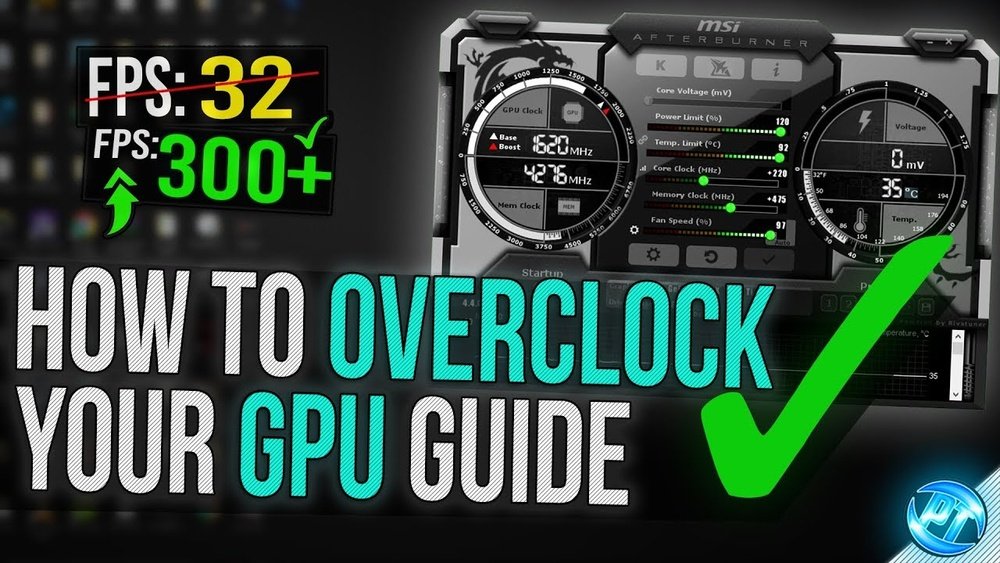
How Can I Overclock My Gpu: Ultimate Guide for Maximum Performance
Are you looking to squeeze more power out of your GPU without spending extra money? Overclocking your GPU can unlock better performance for gaming, video editing, and other graphics-heavy tasks.
But how can you safely push your graphics card beyond its limits without risking damage? In this guide, you’ll discover simple, step-by-step techniques to overclock your GPU effectively. By the end, you’ll know exactly how to boost your frame rates and get the most out of your hardware.
Ready to take control of your GPU’s potential? Keep reading to learn how.

Credit: www.avg.com
Benefits Of Gpu Overclocking
Overclocking your GPU can bring many benefits. It boosts your graphics card’s speed beyond the default settings. This means your GPU can handle more work in less time. The extra power helps in gaming, video editing, and other tasks.
By overclocking, you make your system perform better without buying new hardware. It gives you more value from your current GPU. Also, it can make your computer run smoother and faster in several areas.
Improved Gaming Experience
Overclocking your GPU can increase frame rates in games. Higher frame rates mean smoother gameplay and less lag. Games look better with improved graphics and faster responses. This helps you enjoy games without interruptions or slowdowns.
Enhanced Rendering Speeds
Faster GPU speeds reduce the time needed for rendering tasks. Rendering videos or 3D models becomes quicker and more efficient. This saves time for creative work and allows faster project completion. Overclocking helps professionals meet deadlines easier.
Better Performance In Applications
Many applications benefit from a faster GPU. Software for design, simulation, and data processing runs smoother. Tasks that use the GPU finish faster with overclocking. This improves productivity and reduces waiting time during work.
Credit: www.reddit.com
Essential Tools For Overclocking
Overclocking a GPU needs the right tools to make the process safe and effective. These tools help change settings, check performance, and watch temperature. Using the right software and monitoring tools reduces risk and improves results.
Popular Overclocking Software
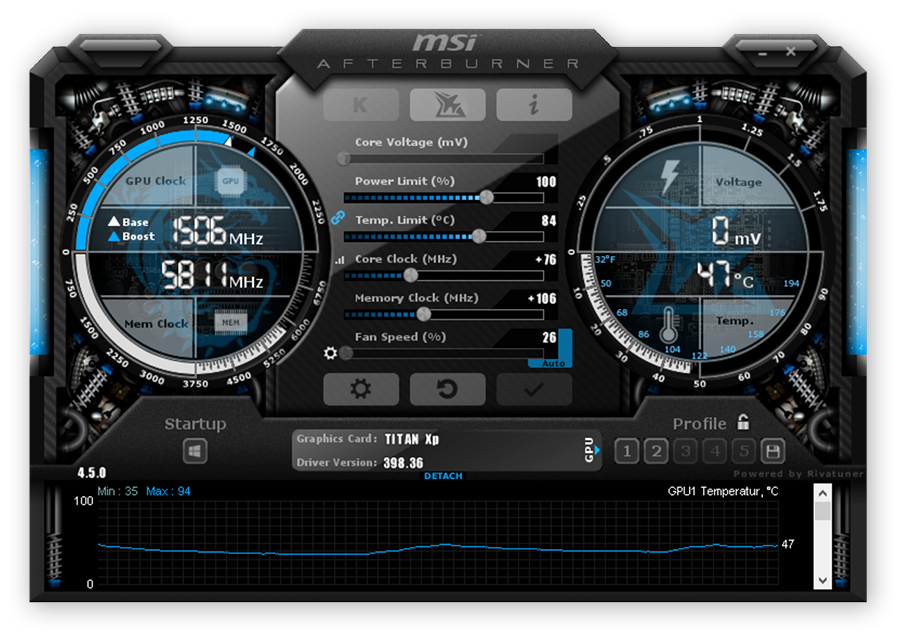
Popular software lets you adjust your GPU’s clock speed and voltage. MSI Afterburner is widely used and easy for beginners. EVGA Precision X1 is another choice, especially for NVIDIA cards. These programs offer sliders and buttons to tweak settings quickly. They also include profiles to save your adjustments.
Monitoring And Benchmarking Tools
Monitoring tools show your GPU’s temperature, usage, and fan speed. HWMonitor and GPU-Z provide detailed information in real-time. Benchmarking tools test your GPU’s stability after changes. Programs like 3DMark and Unigine Heaven run stress tests. They help ensure your overclock is stable and safe.
Preparing Your System
Preparing your system is the first step to safely overclock your GPU. It helps avoid damage and ensures better performance. This stage involves updating drivers, checking cooling, and verifying power supply. Each part plays a key role in a smooth overclocking process.
Taking time to prepare protects your hardware. It also gives you a stable base for overclocking experiments. Let’s break down these important tasks.
Updating Gpu Drivers
Start by updating your GPU drivers. New drivers improve performance and fix bugs. Use the official website of your GPU brand. Download and install the latest version carefully. Updated drivers ensure your system uses the GPU correctly. This step helps prevent crashes during overclocking.
Ensuring Adequate Cooling
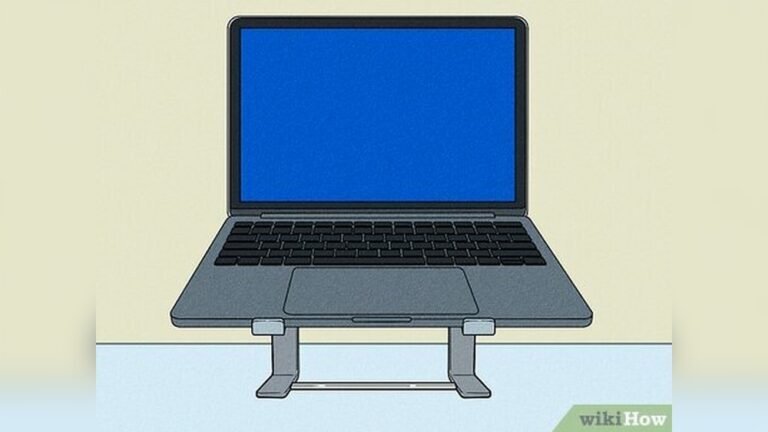
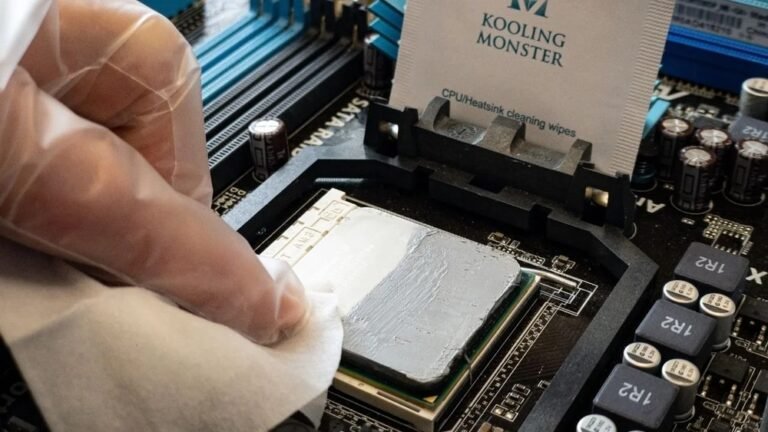
Overclocking increases heat output. Your GPU needs good cooling to handle extra heat. Check your case fans and GPU cooler. Clean dust from fans and vents. Consider adding more fans or upgrading your cooler. Monitor temperatures before and during overclocking. Keep your GPU below safe heat limits to avoid damage.
Power Supply Considerations
Overclocking requires more power. Make sure your power supply can deliver enough watts. Check the wattage and efficiency rating of your PSU. Use a reliable brand for stable power delivery. Weak power can cause system crashes or hardware failure. Verify all power connectors are secure on your GPU.
Step-by-step Overclocking Process
Overclocking your GPU can boost its performance for gaming and creative tasks. The process needs careful steps to keep your hardware safe and stable. Follow this simple guide to increase your GPU speed step-by-step. Each step helps you change settings bit by bit and test results.
Adjusting Core Clock Speed
Start by increasing the core clock speed. This controls the GPU’s main processor speed. Use overclocking software like MSI Afterburner to raise the clock in small steps, about 10-20 MHz each time. After each increase, test the GPU to check for crashes or artifacts. Stop increasing if problems appear.
Modifying Memory Clock
Next, adjust the memory clock speed. This affects the speed of the GPU’s VRAM. Raise the memory clock slowly, also by 10-20 MHz steps. Test after each change to ensure smooth performance. Higher memory speeds help with textures and data handling in games.
Fine-tuning Voltage Settings
Adjust voltage to support higher clock speeds. Increasing voltage gives the GPU more power but creates more heat. Raise voltage in small amounts only if your GPU crashes or is unstable. Use good cooling and monitor temperatures closely during this step.
Testing Stability And Performance
After changes, test your GPU thoroughly. Use stress test tools like Heaven Benchmark or 3DMark. Watch for crashes, glitches, or overheating. Run tests for at least 15-30 minutes. If the GPU is stable, you can keep the new settings. If not, reduce clock speeds or voltage and test again.
Troubleshooting Common Issues
Troubleshooting is key when overclocking your GPU. Problems may arise, but fixing them is often simple. This section helps you identify and solve common issues. Follow these steps to keep your system stable and safe.
Handling System Crashes
System crashes happen when the GPU runs beyond its limits. Lower the clock speed or reduce the power limit. Test your settings again using stress tests. Watch for any signs of instability. Keep your drivers updated to avoid conflicts. Save your work often during testing to prevent data loss.
Managing Overheating Problems
Overheating can damage your GPU and cause crashes. Clean your PC fans and vents regularly. Improve airflow by adding extra fans or rearranging cables. Use software to monitor your GPU temperature. Lower the clock speed or increase the fan speed if needed. Avoid overclocking in hot rooms or closed cases.
Reverting To Default Settings
Resetting to default is the safest option if problems persist. Use your GPU’s software or BIOS to undo changes. This stops crashes and overheating quickly. After reverting, check if your system works normally. Make small changes again only after stability returns. Always keep a backup of your stable settings.
Safety Tips For Overclocking
Overclocking your GPU can boost your gaming and graphic performance. Yet, safety must come first. Small mistakes can cause serious damage or shorten your GPU’s life. Follow safety tips to protect your hardware and keep your system stable.
Avoiding Hardware Damage
Start with small changes to avoid pushing your GPU too hard. Increase clock speeds slowly and test after each step. Use reliable software designed for overclocking. Watch your GPU temperature carefully. Keep it below 85°C to prevent overheating. Use good cooling solutions like extra fans or liquid cooling. Avoid raising voltages too much; it can harm your GPU permanently.
Recognizing Warning Signs
Listen to your computer’s behavior. Crashes, freezes, or strange noises mean trouble. High temperatures or sudden shutdowns are red flags. Check for screen glitches or artifacts while gaming. These signs show your GPU is under stress. Stop overclocking immediately if any appear. Lower your settings and run tests to find a safe level.
Maintaining System Longevity
Regularly clean your PC to keep dust away from fans and heatsinks. Update your GPU drivers to ensure smooth performance. Monitor your system’s temperature and stability often. Avoid running your GPU at max overclock 24/7. Give your hardware breaks to cool down. Balanced use helps your GPU last longer and perform better over time.
Maximizing Overclocking Results
Maximizing overclocking results means more than just increasing clock speeds. It requires a balanced approach. You need to adjust settings, keep your system updated, and try new techniques. This will help you get the best performance from your GPU without causing damage.
Careful tuning helps maintain stability and extends hardware life. Small steps and testing are key. Let’s explore how to improve your overclocking experience.
Optimizing Game And Software Settings
Adjust game settings to reduce GPU strain. Lower resolution or turn off heavy effects like shadows. This lets the GPU run faster without overheating.
Close unnecessary apps while gaming. Background programs can slow down your system and affect overclock results. Keep only essential software running.
Regular Maintenance And Updates
Clean your PC often to prevent dust buildup. Dust blocks airflow and raises temperatures, limiting overclocking potential.
Update GPU drivers regularly. New drivers improve performance and fix bugs. They help your overclock run smoother and safer.
Exploring Advanced Overclocking Techniques
Try adjusting voltage carefully for better stability. Increasing voltage can improve performance but raises heat levels.
Use software tools that allow fine control over clock speeds and fan curves. This helps balance cooling and speed.
Test your settings with stress tests after each change. This finds the highest stable overclock without crashes.
Credit: www.avg.com
Frequently Asked Questions
What Is Gpu Overclocking And How Does It Work?
GPU overclocking increases your graphics card’s clock speed. It boosts performance by making the GPU run faster than its default settings. This process enhances gaming and rendering speeds but requires careful adjustments to avoid overheating or damage.
How Do I Safely Overclock My Gpu?
Start by increasing clock speeds gradually. Use reliable software like MSI Afterburner to adjust settings. Monitor temperatures closely and keep them below 85°C. Test stability with stress tests and reduce speeds if you encounter crashes or artifacts.
What Tools Are Best For Gpu Overclocking?
MSI Afterburner and EVGA Precision X1 are popular tools. They provide user-friendly interfaces to tweak clock speeds, voltage, and fan curves. These tools also offer real-time monitoring, helping you maintain stable and safe overclock settings.
Can Overclocking Damage My Gpu Permanently?
Overclocking can cause damage if done improperly. Excessive voltage or heat may shorten your GPU’s lifespan. However, careful overclocking with proper cooling usually avoids permanent harm while improving performance.
Conclusion
Overclocking your GPU can boost its speed and improve performance. Start slow and test each change carefully to avoid damage. Keep an eye on temperature and power limits to stay safe. Use reliable software to help adjust settings with ease.
Remember, patience and caution lead to better results. Enjoy smoother graphics and faster gaming after successful tuning. Always research your specific GPU model for the best advice. With practice, you can get the most from your hardware. Keep learning and experimenting wisely.