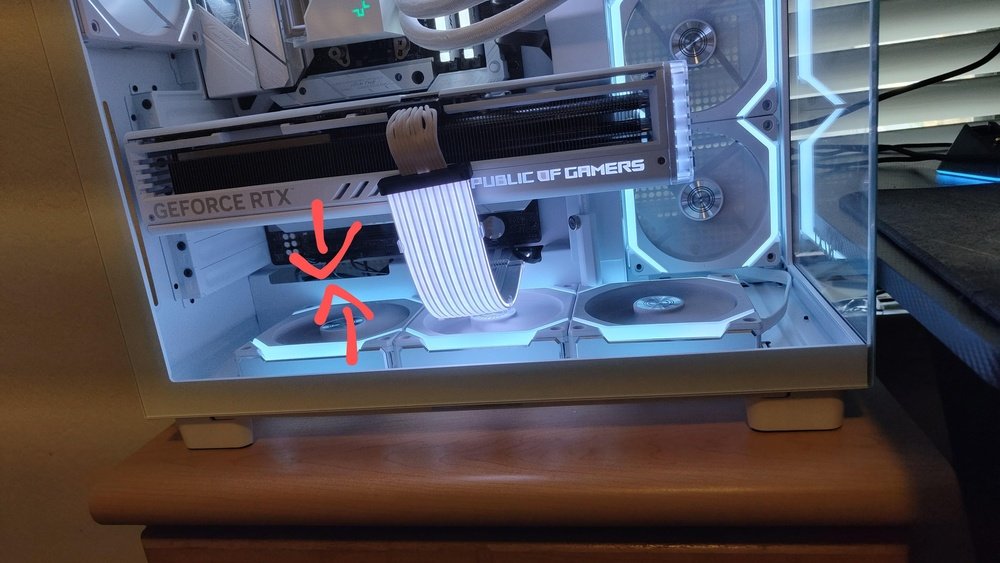
Are Gpu Fans Intake Or Exhaust: Ultimate Cooling Guide Revealed
Have you ever wondered if your GPU fans are pulling air in or pushing it out? Understanding whether your GPU fans act as intake or exhaust can make a big difference in keeping your computer cool and running smoothly.
If you want to improve your PC’s performance and avoid overheating, knowing how your GPU fans work is key. You’ll learn exactly what role your GPU fans play and how to optimize their setup for the best cooling results. Keep reading to take control of your system’s airflow like a pro!
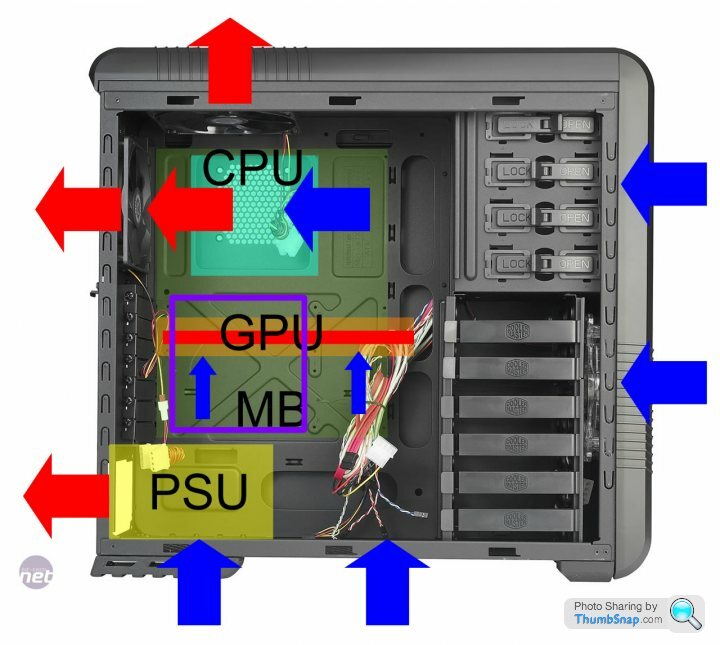
Credit: www.pistonheads.com
Gpu Fan Basics
GPU fans play a key role in keeping your graphics card cool. They help move heat away from the GPU chip. This keeps the card running smoothly and avoids damage from overheating.
Understanding how these fans work can help you know if they pull air in or push it out. This knowledge is useful for setting up your PC’s cooling system right.
How Gpu Fans Work
GPU fans spin to move air across the heatsink. The heatsink absorbs heat from the GPU chip. The fan then pushes this hot air away from the card.
Most GPU fans work as exhaust fans. They blow hot air out of the GPU shroud. This helps keep the inside of the PC case cooler.
Types Of Gpu Fans
There are two main types of GPU fans. Axial fans and blower fans.
Axial fans spin like regular fans. They pull air in and push it down over the heatsink. Hot air usually escapes inside the PC case.
Blower fans work differently. They pull air from inside the case. Then, they push it out the back of the GPU. This helps move hot air outside the PC case.

Credit: www.reddit.com
Intake Vs Exhaust Fans
Understanding the role of GPU fans helps improve your computer’s cooling system. Fans can either bring cool air into the system or push hot air out. These two types are known as intake and exhaust fans. Each plays a key role in managing temperature inside the case. Knowing their differences helps you set up a better airflow. This setup keeps your GPU and other parts running smoothly.
Characteristics Of Intake Fans
Intake fans pull fresh air from outside the case. They bring cool air directly to the GPU and other components. This cool air lowers the temperature of the GPU quickly. Intake fans usually sit at the front or bottom of the case. They work quietly because they don’t push air through tight spaces. Good intake fans have dust filters to keep the inside clean. They help maintain steady airflow and prevent overheating.
Characteristics Of Exhaust Fans
Exhaust fans push hot air out of the case. They remove warm air generated by the GPU and CPU. These fans are often placed at the back or top of the case. Exhaust fans create a path for hot air to leave efficiently. They help prevent heat from building up inside the system. Exhaust fans work harder if intake airflow is weak. They are essential for keeping internal temperatures stable.
Gpu Fan Configurations
GPU fan configurations affect how your graphics card cools. Fans either pull air into the card or push hot air out. This setup influences the card’s temperature and performance. Understanding these configurations helps you keep your GPU cool and running well.
Reference Design Fans
Reference design fans are the original cooling setup by the GPU maker. Most use a blower-style fan. This fan takes air from inside the case and pushes it out through the back. It acts as an exhaust fan, removing hot air directly outside the PC. This design helps keep the inside of the case cooler. But the fan can be louder and less efficient than others.
Aftermarket Fans
Aftermarket fans are custom cooling solutions made by third-party brands. They often use multiple fans that pull air into the card. These fans act as intake fans, drawing cool air from inside the case over the GPU. The heated air then exits through vents on the sides or top. This setup can cool the GPU better but may raise case temperatures. Aftermarket fans tend to be quieter and offer better performance.
Fan Direction And Airflow
Understanding fan direction and airflow is crucial for effective GPU cooling. The way a GPU fan spins affects how air moves through the graphics card. This air movement helps keep the GPU temperature low, which prevents overheating. Knowing the fan direction also helps in setting up your PC case fans for better airflow.
Identifying Fan Rotation
GPU fans usually spin in one direction to push air. The fan blades curve, guiding air either inside or outside the card. To identify fan rotation, watch the fan closely when it spins. The side where the fan blades push air is the airflow direction. You can also check the fan frame for small arrows showing spin direction and airflow.
Airflow Patterns In Gpu Cooling
Most GPU fans pull cool air from inside the case. They push this air across the heatsink to cool the GPU chip. The hot air then exits through the back or top of the card. Some GPUs use blower-style fans that pull air in and push it out of the case. Knowing these patterns helps improve your PC’s overall cooling system.
Cooling Efficiency Factors
Cooling efficiency depends on several important factors. These factors control how well your GPU stays cool during use. Proper cooling keeps your GPU safe and working fast. Understanding these factors helps you improve your PC’s performance and lifespan.
GPU fans can either pull air in or push air out. How they work affects the entire system’s cooling. Let’s explore key elements that impact cooling efficiency.
Case Airflow Impact
The airflow inside your PC case shapes cooling results. Fans that bring fresh air in help lower temperatures. Fans that blow hot air out remove heat from inside. Good case airflow stops hot air from building up. Poor airflow traps heat around your GPU. This makes the GPU hotter and less efficient.
Positioning case fans correctly guides air through the system. Front and bottom fans usually act as intake fans. Top and rear fans usually work as exhaust fans. This steady flow of air cools your GPU and other parts. Cases with blocked airflow cause higher temperatures and slower speeds.
Fan Speed And Noise
Fan speed plays a big role in cooling power. Faster fans move more air, which cools better. Fans that run too slow may not keep the GPU cool enough. But very fast fans can create a lot of noise. Loud noise can be distracting and annoying.
Balancing fan speed and noise is important. Many GPUs and cases allow you to control fan speed. This lets you find the right mix of cooling and quietness. Some fans adjust speed automatically based on temperature. Others need manual control in software.

Credit: www.youtube.com
Optimizing Gpu Cooling
Optimizing GPU cooling helps your graphics card run smoothly and last longer. Proper airflow keeps temperatures low and prevents overheating. This improves performance and reduces noise. Understanding how to place fans correctly is key to good cooling.
Fan Placement Tips
Place GPU fans so they push hot air out of the case. Most GPU fans act as exhaust, removing warm air from the card. Make sure there is enough space around the GPU for airflow. Avoid blocking fans with cables or other parts. Clean fans regularly to keep dust from building up.
Combining Intake And Exhaust
Use case fans to balance intake and exhaust airflow. Intake fans bring cool air into the case, helping the GPU stay cool. Exhaust fans push hot air out, preventing heat buildup. Position intake fans at the front and bottom of the case. Place exhaust fans at the top and rear. This creates a steady airflow path that cools the GPU effectively.
Common Gpu Cooling Myths
Many people have wrong ideas about how GPU fans cool the graphics card. These myths cause confusion about whether GPU fans pull air in or push it out. Understanding the truth helps keep your GPU cool and working well.
Gpu Fans Always Work As Exhaust
Some think GPU fans only push hot air out of the card. Actually, most GPU fans pull cool air in from the case. They blow this air over the heatsink to cool the GPU parts.
Gpu Fans Can Be Set To Intake Or Exhaust
Many believe users can switch GPU fans between intake and exhaust modes. This is not true. The fan direction is fixed when made. You cannot change it without hardware modifications.
More Fans Mean Cooler Gpu
Adding extra fans does not always cool the GPU better. Proper airflow inside the case matters more. Fans must work together to bring in cool air and remove hot air.
Gpu Fans Cool Only The Gpu Chip
People often think GPU fans cool just the main chip. The fans actually cool the entire graphics card. This includes memory chips and power components that get hot too.
Frequently Asked Questions
Are Gpu Fans Designed As Intake Or Exhaust?
GPU fans primarily act as intake fans. They pull cool air from outside the card into the heatsink. This cool air cools the GPU components before being expelled out of the case or card.
How Do Gpu Fans Affect Pc Airflow?
GPU fans draw cool air into the GPU, improving cooling efficiency. Proper airflow ensures heat is removed from the GPU and case, preventing overheating and maintaining stable performance.
Can Gpu Fans Be Both Intake And Exhaust?
GPU fans mainly intake cool air, but exhaust occurs through ventilation openings. The fan itself is not an exhaust fan but helps push hot air out indirectly.
Why Is Gpu Fan Direction Important?
The fan direction determines airflow over GPU components. Correct intake airflow maximizes cooling, preventing thermal throttling and extending GPU lifespan.
Conclusion
GPU fans usually act as exhausts, pushing hot air out. This helps keep your graphics card cool during use. Proper airflow inside your PC case improves overall performance. Clean fans and good cable management also matter a lot. Remember, cool components last longer and work better.
Check your GPU fan setup often to avoid overheating problems. Understanding fan roles helps you maintain your computer easily. Keep your system running smooth and quiet. Simple steps can prevent costly repairs down the road.