Can You Upgrade a Laptop Gpu: Essential Tips & Expert Guide
Are you wondering if you can upgrade your laptop GPU to boost your gaming or work performance? It’s a question many laptop users ask when their graphics start to lag behind new software demands.
Upgrading your laptop’s GPU sounds like a simple solution, but is it really possible? You’ll discover the truth about laptop GPU upgrades, what options you have, and how to get the best performance without spending a fortune. Keep reading to find out if your laptop can handle a GPU upgrade and what steps you should take next.
Credit: www.liftingitalia.com
Laptop Gpu Upgrade Basics
Upgrading a laptop GPU is a topic many users wonder about. Laptop GPUs handle graphics tasks like gaming, video editing, and design work. Knowing the basics helps decide if an upgrade is possible and worth it. Here, we explain key facts about laptop GPUs and upgrades.
Understanding different types of GPUs and their roles is the first step. Next, learn the differences between integrated and dedicated GPUs. Finally, find out why upgrading your GPU might improve your laptop’s performance.
Types Of Laptop Gpus
Laptops come with two main GPU types: integrated and dedicated. Integrated GPUs share memory with the CPU and are common in budget laptops. They handle everyday tasks but struggle with heavy graphics work. Dedicated GPUs have their own memory and power. They perform better in games and creative software.
Integrated Vs Dedicated Gpus
Integrated GPUs are built into the laptop’s processor. They save battery life and generate less heat. Dedicated GPUs are separate components designed for high performance. They offer faster graphics processing but use more power. Most laptops with dedicated GPUs are thicker and cost more.
Why Upgrade Your Gpu
Upgrading a GPU can boost gaming and design performance. It helps run newer software smoothly. A better GPU improves video playback and image quality. Sometimes, upgrading is the only way to keep up with new technology. Older GPUs may slow down your laptop over time.

Credit: www.youtube.com
Compatibility Factors
Upgrading a laptop GPU is not as simple as swapping parts. Several compatibility factors affect whether a new GPU will work with your laptop. Understanding these factors helps avoid costly mistakes.
Each laptop model has specific hardware limits. The GPU must physically fit and match the system’s design. Power needs and cooling ability also play a crucial role. Let’s explore these compatibility factors in detail.
Checking Laptop Model Support
Start by identifying your laptop model and its specifications. Some laptops allow GPU upgrades, but many do not. Manufacturer manuals or official websites provide this information. Forums and user communities can also share real experiences. Confirm if your laptop supports GPU swaps before buying new parts.
Gpu Slot Types And Sizes
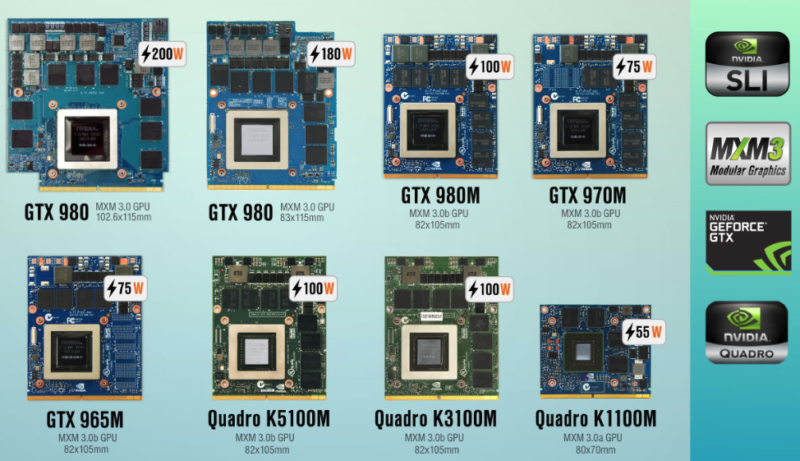
Laptops use different GPU connection types. MXM slots are common in some models, but many GPUs are soldered to the motherboard. Size matters too; the new GPU must fit the available space. Check the shape and size of the current GPU and the slot type. A mismatch means the new GPU will not fit or connect properly.
Power And Cooling Considerations
GPU upgrades can increase power demand. Your laptop’s power supply must handle the new GPU’s requirements. Cooling is also critical. More powerful GPUs generate more heat. Your laptop’s cooling system must keep temperatures safe. Without proper cooling, the system may overheat and throttle performance.
Upgrade Options
Upgrading a laptop GPU can be tricky. Laptops have different designs and limits. Some allow upgrades, while others do not. Several options exist for those wanting better graphics power. Each option has pros and cons. Understanding these can help you choose the best method.
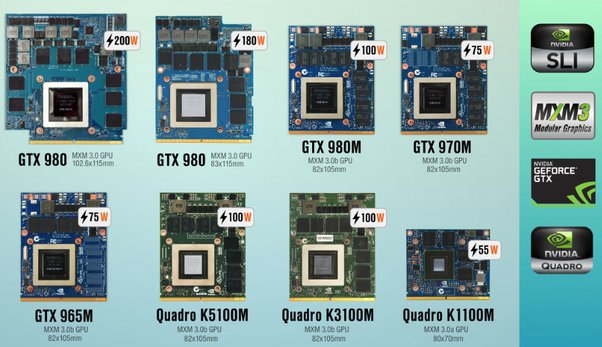
Mxm Gpu Modules
MXM stands for Mobile PCI Express Module. Some laptops use these GPU cards. They look like small circuit boards. You can remove and replace them with better ones. This option works only for specific models. Not all laptops have MXM slots. It is easier than other upgrade methods. But MXM GPUs are rare and expensive.
External Gpu Enclosures
External GPU enclosures connect to laptops via ports. Thunderbolt 3 is the most common connection. The enclosure holds a desktop GPU. This setup boosts graphics power significantly. It also adds bulk and needs extra power. It works well for gaming and design work. The laptop itself does not need internal changes.
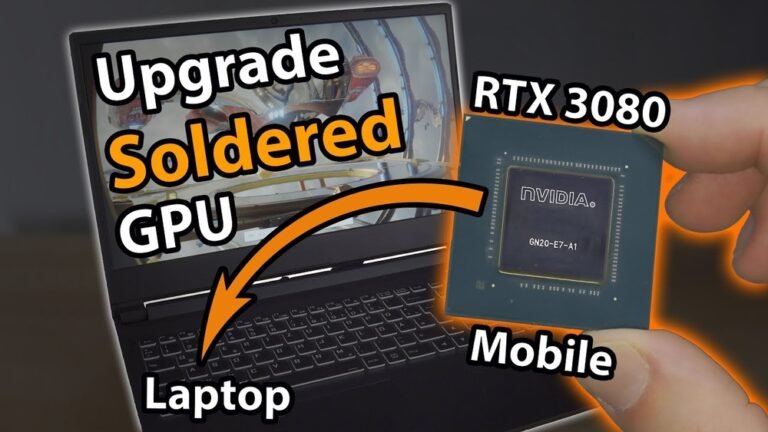
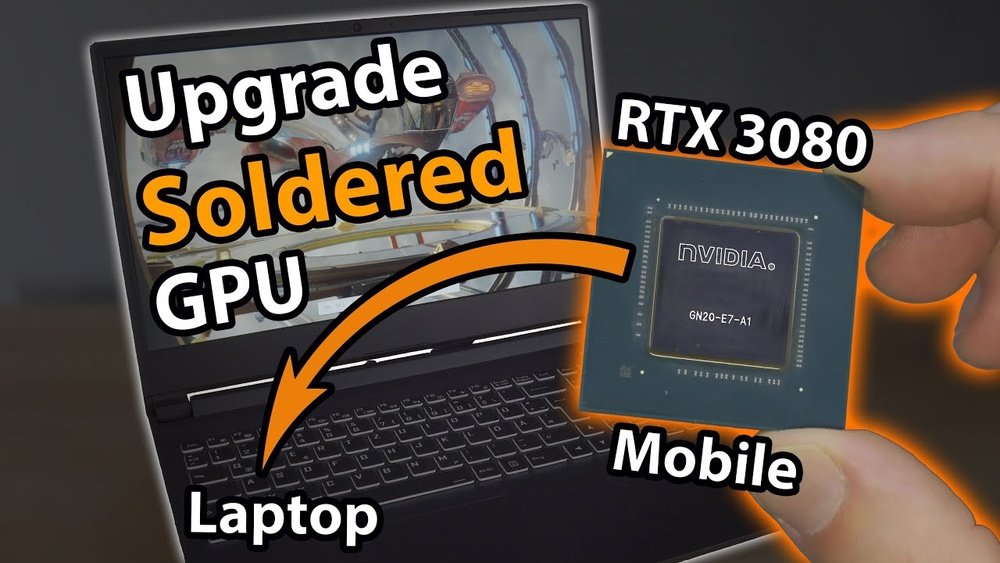
Replacing The Gpu Chip
Replacing the GPU chip is the hardest option. The GPU is soldered to the motherboard. Removing and swapping it requires special tools. It also needs expert skills. One mistake can damage the laptop. This method is rarely recommended. Only experienced technicians should attempt it. It is costly and risky but possible.
Credit: www.esseg.eu
Step-by-step Upgrade Process
Upgrading a laptop GPU involves several careful steps. Each step requires attention to detail. Follow this process to improve your laptop’s graphics power safely.
Preparing Your Laptop
Turn off your laptop and unplug all cables. Remove the battery if possible. Work on a clean, flat surface. Gather the right tools, usually a small screwdriver. Ground yourself to avoid static damage.
Removing The Old Gpu
Open the laptop case carefully. Find the GPU, often near the cooling fan. Unscrew any screws holding the GPU in place. Gently disconnect cables or connectors attached to the GPU. Lift the old GPU out slowly to avoid damage.
Installing The New Gpu
Place the new GPU into the slot correctly. Press it down until it clicks or fits firmly. Reattach any screws to secure the GPU. Connect all cables or connectors back to the new GPU. Close the laptop case carefully.
Driver Installation And Testing
Power on the laptop and enter the operating system. Download and install the latest GPU drivers from the manufacturer’s website. Restart your laptop after installation. Test the new GPU by running games or graphics software. Check for smooth performance and no errors.
Potential Risks And Challenges
Upgrading a laptop GPU sounds like a great idea to boost graphics power. It is not as simple as upgrading a desktop PC. Several risks and challenges come with this process. Understanding these issues helps avoid costly mistakes.
Warranty And Damage Risks
Opening a laptop often voids its warranty. Manufacturers do not cover damage from user upgrades. The GPU may be soldered, making removal tricky. Mishandling internal parts can cause permanent damage. Even small static shocks can harm delicate components.
Compatibility Issues
Not all GPUs fit all laptops. Many laptops use custom GPU modules. The motherboard and cooling system might not support new GPUs. Power supply limits can restrict GPU upgrades. Drivers and firmware may not work with new graphics cards.
Performance Bottlenecks
A better GPU needs matching CPU and RAM. Slow processors limit graphics performance. Insufficient cooling can cause overheating. Overheating reduces GPU speed and can damage hardware. Battery life may drop with a higher-power GPU.
Alternative Performance Boosts
Upgrading a laptop GPU can be difficult or impossible in many cases. Many laptops have GPUs soldered directly to the motherboard. This limits direct hardware upgrades. But there are ways to improve your laptop’s performance without changing the GPU itself. These options can help your laptop run faster and smoother for games and other tasks.
Upgrading Ram And Storage
More RAM helps your laptop handle multiple tasks better. It reduces slowdowns when running programs or games. Faster storage, like upgrading to an SSD, improves loading times. This makes your system more responsive. Increasing RAM and switching to SSD can give your laptop a noticeable speed boost.
Optimizing Software Settings
Adjusting your laptop’s software can improve performance. Lower game graphics settings to reduce GPU load. Close unnecessary background programs to free up resources. Update drivers regularly to keep hardware running well. Simple software tweaks can help your laptop perform better without hardware changes.
Using External Gpu Solutions
External GPUs connect via Thunderbolt ports on some laptops. They provide extra graphics power for demanding tasks. This setup works well for gaming or creative work. External GPUs let you use desktop-grade graphics cards with a laptop. This method requires extra hardware but can greatly boost graphics performance.
Frequently Asked Questions
Can You Upgrade A Laptop Gpu Easily?
Upgrading a laptop GPU is usually difficult and often impossible. Most laptops have integrated or soldered GPUs. Only some gaming laptops with MXM slots allow GPU upgrades. Always check your laptop’s model and specifications before attempting an upgrade.
What Are The Alternatives To Upgrading Laptop Gpu?
If upgrading is not possible, consider external GPU (eGPU) enclosures. EGPUs connect via Thunderbolt 3 or USB-C ports. They offer improved graphics performance without opening the laptop. This is a practical solution for many laptop users.
Does Upgrading A Laptop Gpu Void The Warranty?
Yes, upgrading or modifying your laptop’s GPU often voids the warranty. Manufacturers may refuse support or repairs after unauthorized hardware changes. Always review your warranty terms before attempting any upgrades.
How Much Does A Laptop Gpu Upgrade Cost?
Costs vary widely depending on the laptop and GPU model. External GPUs can cost between $300 to $700. Internal upgrades, if possible, might require professional service, adding to the expense. Evaluate cost versus benefit before proceeding.
Conclusion
Upgrading a laptop GPU is not always simple or possible. Most laptops have GPUs built into the motherboard. Some gaming or high-end models allow GPU upgrades, but these are rare. External GPU options exist but need extra hardware and can be costly.
Before trying to upgrade, check your laptop’s design and compatibility. Consider your needs and budget carefully. Sometimes, buying a new laptop may be a better choice. Understanding these points helps make a smart decision about improving your laptop’s graphics.