Does Amd Gpu Have Ray Tracing: Ultimate Guide to Real-Time Graphics
Are you curious if AMD GPUs support ray tracing and what that means for your gaming or creative projects? Understanding this can help you decide if an AMD graphics card fits your needs or if you should look elsewhere.
You’ll discover the truth about AMD’s ray tracing capabilities and how they compare to the competition. Stick with me, and by the end, you’ll know exactly what to expect from your AMD GPU when it comes to stunning, realistic visuals.

Credit: www.youtube.com
Amd Ray Tracing Technology
AMD has entered the ray tracing scene with strong technology. Ray tracing adds realistic lighting and shadows to games. This tech makes visuals look closer to real life. AMD GPUs now support ray tracing for better graphics. Their approach differs from other brands but still improves game visuals. Understanding AMD’s ray tracing starts with their GPU history and how ray tracing works.
History Of Amd Gpus
AMD has made graphics cards for many years. Their GPUs powered gaming and professional work. Early models focused on speed, not ray tracing. AMD competed mainly on price and performance. The company improved with each generation. Recently, AMD added ray tracing features to keep up. This shows AMD’s push to match new visual standards.
Introduction To Ray Tracing
Ray tracing simulates light in virtual scenes. It calculates how light bounces and reflects. This creates lifelike shadows, reflections, and lighting effects. Games with ray tracing look more immersive. The process needs powerful hardware to run smoothly. Without ray tracing, lighting looks flat or fake. Many gamers want ray tracing for better visuals.
Amd’s Ray Tracing Architecture
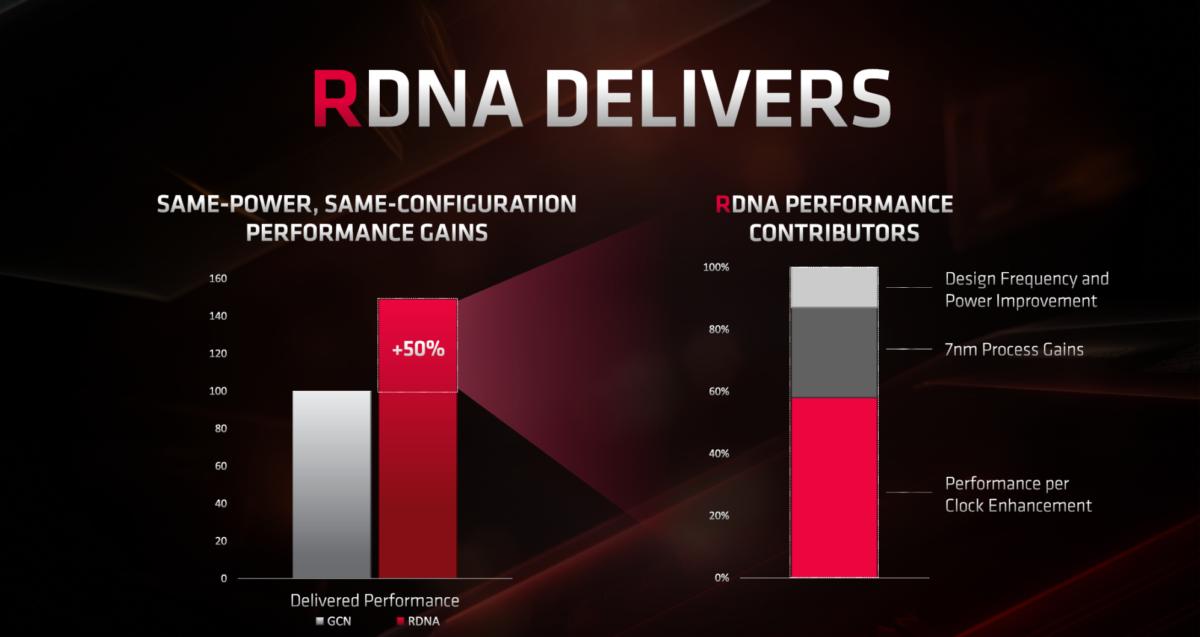
AMD uses a special design for ray tracing. Their GPUs have dedicated ray accelerators. These units help calculate light rays faster. AMD’s RDNA 2 architecture introduced this feature. It balances traditional graphics and ray tracing tasks. This design improves game visuals without much speed loss. AMD continues to develop this tech for future GPUs.
Comparison With Competitors
Comparing AMD GPUs with competitors reveals key differences in ray tracing technology. The market mainly features AMD and NVIDIA, each with unique strengths. Understanding these differences helps buyers choose the right GPU for ray tracing needs.
Nvidia Ray Tracing Overview
NVIDIA introduced dedicated ray tracing cores with its RTX series. These cores handle light and shadow effects in real time. They deliver smooth, realistic graphics in supported games and apps. NVIDIA’s software ecosystem supports ray tracing extensively.
Performance Differences
AMD GPUs offer ray tracing through their RDNA 2 architecture. The performance is good but generally lags behind NVIDIA’s RTX cards. NVIDIA cards run ray tracing effects faster and with higher frame rates. AMD’s ray tracing works but may cause more slowdowns in games.
Price And Value Considerations
AMD GPUs often come at lower prices than NVIDIA’s RTX models. They provide decent ray tracing performance for budget-conscious buyers. NVIDIA cards cost more but deliver better ray tracing quality. Choosing depends on balancing price, performance, and game preferences.
Supported Amd Gpu Models
AMD has added ray tracing support to many of its GPUs. This feature lets games render light and shadows in a more realistic way. Not all AMD GPUs support ray tracing. Some models have it built-in, while others do not. Knowing which models support ray tracing helps you choose the right GPU for better gaming visuals.
Current Generation Gpus
The AMD Radeon RX 6000 series is the main line with ray tracing support. Models like RX 6800, RX 6800 XT, RX 6900 XT, and RX 6700 XT have dedicated ray accelerators. These GPUs deliver good performance in ray-traced games. They use RDNA 2 architecture, which is designed for this feature.
Legacy Gpu Support
Older AMD GPUs do not have hardware ray tracing support. The RX 500 series and earlier cannot run ray tracing games smoothly. These GPUs may still run some ray tracing effects but only with heavy performance drops. AMD started ray tracing support only with RDNA 2-based cards.
Mobile And Laptop Gpus
Many newer AMD laptop GPUs support ray tracing. Mobile versions of RX 6000 series also include ray accelerators. This allows ray tracing in gaming laptops. Older mobile GPUs lack this feature and focus on efficiency rather than ray tracing.
Real-time Ray Tracing In Games
Real-time ray tracing creates lifelike lighting and shadows in games. It makes scenes look more natural and immersive. AMD GPUs now support this technology, letting players enjoy better visuals without extra hardware. Developers use ray tracing to add reflections, shadows, and ambient light effects in real time. This enhances game worlds and character realism.
Popular Titles With Amd Ray Tracing
Many popular games support ray tracing on AMD GPUs. Titles like “Cyberpunk 2077,” “Resident Evil Village,” and “Metro Exodus” showcase AMD’s ray tracing power. These games use ray tracing for reflections and realistic lighting. Players with AMD GPUs can see improved visuals in these well-known games.
Visual Improvements
Ray tracing improves reflections on water, glass, and metal surfaces. Shadows become softer and more natural. Light bounces realistically, creating depth in scenes. Colors appear richer due to better light simulation. This technology makes game worlds feel alive and detailed.
Performance Impact
Ray tracing requires more GPU power than traditional graphics. AMD GPUs handle it well but may show some frame rate drops. Lowering ray tracing settings helps maintain smooth gameplay. Balancing visuals and performance is key for good gaming experience. Players can adjust settings based on their system capability.
Software And Driver Support
AMD GPUs support ray tracing through ongoing software and driver development. This support helps improve visual effects in games and apps. Efficient drivers and tools are needed to make ray tracing work smoothly. AMD focuses on enhancing these aspects to deliver better performance.
Amd Adrenalin Drivers
AMD Adrenalin drivers provide essential updates for ray tracing. These drivers improve compatibility with new games and software. Regular updates fix bugs and boost performance. The drivers also optimize settings to balance quality and speed. Users can expect steady improvements with each release.
Developer Tools And Apis
AMD offers developer tools to help create ray tracing content. These tools include APIs like DirectX Raytracing (DXR) support. They allow game makers to add realistic lighting and shadows. AMD’s tools help developers use hardware features effectively. This support encourages more ray tracing games on AMD GPUs.
Future Updates And Enhancements
AMD plans to enhance ray tracing through future software updates. These updates aim to improve speed and image quality. New features will support more complex visual effects. AMD’s roadmap shows a commitment to better ray tracing support. Users can expect gradual but meaningful improvements over time.
Credit: www.blizanovy.cz
Challenges And Limitations
AMD GPUs support ray tracing, but they face several challenges and limitations. These issues affect performance and user experience. Understanding these problems helps users set the right expectations.
Hardware Constraints
AMD’s ray tracing hardware is newer than some competitors. This means fewer ray tracing cores on their GPUs. Fewer cores lead to slower ray tracing performance. Older AMD GPUs often lack ray tracing support altogether. Hardware limits make it hard to run ray tracing smoothly at high settings.
Optimization Issues
AMD drivers still improve ray tracing optimization. Many games run better on other GPUs due to better software support. Developers focus more on optimizing for certain hardware brands. This creates uneven game performance across different GPUs. Optimization gaps affect frame rates and visual quality.
Market Adoption
Ray tracing is still a new feature in gaming. Many players and developers hesitate to fully adopt it. AMD’s ray tracing is less popular than other brands. This slows down software and game support for AMD GPUs. Market adoption influences how well ray tracing performs on AMD cards.
Future Of Amd Ray Tracing
The future of AMD ray tracing looks promising. AMD has made strong steps in adding ray tracing to its GPUs. The company is keen to enhance this technology. This will improve gaming visuals and performance.
AMD aims to compete well with other GPU makers. It plans new hardware and software improvements. These efforts will help bring better ray tracing experiences to users.
Upcoming Gpu Architectures
AMD is working on new GPU designs. These will have better ray tracing support. New architectures may include more ray accelerators. This means faster and clearer ray-traced graphics.
Future GPUs might also use smarter ways to handle lighting and shadows. This will enhance realism in games and applications.
Potential Technological Advances
AMD invests in new tech to boost ray tracing. Improved ray tracing cores will speed up rendering. Software updates will help optimize ray tracing effects. These advances will make ray tracing more efficient and smooth.
New techniques may reduce the load on the GPU. This allows for higher frame rates without losing quality.
Industry Trends
Ray tracing is becoming standard in gaming and design. More developers use ray tracing in their projects. AMD follows these trends to stay relevant. The company works closely with game makers.
This collaboration ensures AMD GPUs deliver strong ray tracing performance. The future will likely see wider ray tracing adoption across many devices.

Credit: www.pcgamesn.com
Frequently Asked Questions
Does Amd Gpu Support Ray Tracing Technology?
Yes, AMD GPUs support ray tracing starting from their RDNA 2 architecture. This includes cards like the Radeon RX 6000 series. Ray tracing enhances lighting and reflections for realistic graphics in games.
Which Amd Gpus Have Hardware Ray Tracing?
AMD’s RDNA 2 and newer GPUs have dedicated ray tracing hardware. Examples include RX 6800, RX 6900 XT, and RX 7900 XT. Older AMD GPUs do not support hardware-accelerated ray tracing.
How Does Amd Ray Tracing Compare To Nvidia?
AMD ray tracing performs well but generally lags behind NVIDIA’s RTX series. NVIDIA offers more mature software and better ray tracing optimization in games. AMD is improving with every new generation.
Can Amd Gpus Run Ray Tracing Games Smoothly?
Yes, AMD GPUs can run ray tracing games smoothly depending on the model. Higher-end RDNA 2 GPUs offer good ray tracing performance at 1080p and 1440p resolutions. Lower-end cards may struggle with demanding titles.
Conclusion
AMD GPUs do support ray tracing, but not all models do it well. Their latest cards offer good performance for this feature. Ray tracing improves lighting and shadows in games. Still, Nvidia usually leads in ray tracing power. Choose a GPU based on your budget and needs.
Ray tracing adds realism but may lower frame rates. AMD keeps improving its technology each year. So, you can expect better ray tracing soon. Decide what matters most: price, performance, or features. This helps pick the right AMD GPU for you.