Is Rust a Cpu Or Gpu Game: Ultimate Performance Breakdown
Are you curious whether Rust is a CPU or GPU game? Understanding this can change how you set up your system and boost your gameplay experience.
Knowing which part of your hardware Rust relies on most helps you decide where to focus your upgrades. You’ll discover the truth about Rust’s performance demands and learn how to get the smoothest, most responsive gameplay possible. Keep reading to find out exactly what your computer needs to run Rust like a pro.
Rust Game Architecture
The architecture of Rust game is designed to use both CPU and GPU efficiently. This design balances tasks to make gameplay smooth and responsive. Understanding the roles of CPU and GPU helps explain how Rust performs well on many systems.
Rust’s architecture splits tasks between the CPU and GPU based on their strengths. Each part handles specific jobs to keep the game running fast and look good. The coordination between CPU and GPU is key to the game’s performance.
Cpu Role In Rust
The CPU manages game logic and player input. It handles AI, physics calculations, and game rules. The CPU processes data about the game world and player actions. It runs tasks that need quick decision-making and control.
Gpu Role In Rust
The GPU focuses on rendering graphics and visual effects. It draws the game world, textures, and lighting. The GPU handles complex calculations needed for realistic images. It frees the CPU from heavy graphic processing tasks.
Interaction Between Cpu And Gpu
The CPU and GPU work together by sharing information. The CPU sends data about the game state to the GPU. The GPU uses this data to render scenes on the screen. This teamwork ensures smooth gameplay and clear visuals.
Performance Factors In Rust
Rust’s performance depends on several important factors. These affect how smoothly the game runs on your computer. Understanding these can help you get the best experience.
The game needs both CPU and GPU power. Each part plays a role in different tasks. How well they work together influences your gameplay.
Game Engine Optimization
The Rust game engine is designed to handle large worlds and many players. It uses smart coding to reduce lag and slowdowns. This means the engine runs tasks efficiently on your CPU and GPU.
Optimized engines use less power and give better frame rates. Rust’s engine balances graphics and game logic. This helps keep the game stable and fast, even with many players around.
Graphics Settings Impact
Graphics settings change how much work your GPU must do. Higher settings mean better visuals but more GPU load. Lower settings reduce GPU use and increase performance.
Textures, shadows, and effects all affect performance. Adjusting these can improve your frame rate. Simple graphics can make the game run smoother on weaker GPUs.
Multithreading And Parallelism
Rust uses multithreading to spread tasks across CPU cores. This means several parts of the game run at once. It helps the CPU handle more work without slowing down.
Parallelism allows the game to use multiple CPU cores efficiently. More cores can improve performance if the game engine supports it. This reduces lag and makes the game feel more responsive.
Cpu Performance Analysis
Understanding how Rust uses your CPU helps improve your gaming experience. The CPU handles many tasks like physics, AI, and game logic. This section explores the CPU’s role and its effect on gameplay.
Processor Requirements
Rust needs a strong processor to run smoothly. A fast CPU with multiple cores works best. Older or slower CPUs may struggle with the game’s demands. Check your processor speed and core count before playing.
Cpu Bottlenecks
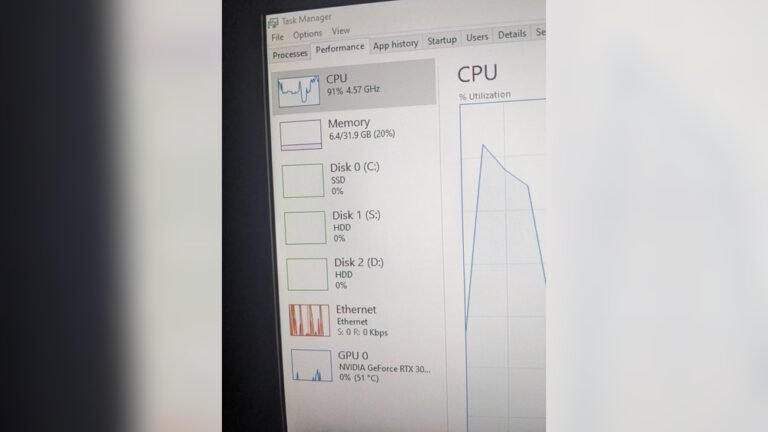
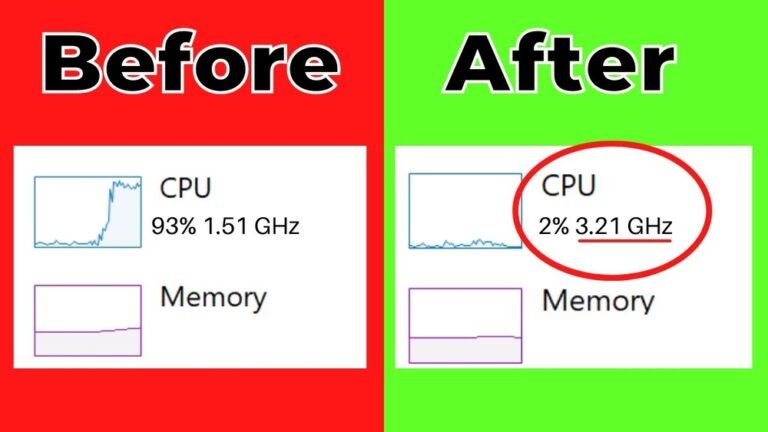
The CPU can limit performance if it cannot keep up. This happens when the processor is overloaded with tasks. Bottlenecks cause stutters and low frame rates. Balancing CPU and GPU power reduces these issues.
Impact On Gameplay Smoothness
CPU performance directly affects how smooth the game feels. A weak CPU causes lag and delays in response. A powerful CPU helps maintain steady frame rates. This creates a better and more enjoyable gaming experience.

Credit: www.reddit.com
Gpu Performance Analysis
Rust relies heavily on the GPU to render its detailed environments and characters. The game’s graphics demand a lot from your graphics card. Understanding GPU performance helps players choose the right hardware for smooth gameplay.
Good GPU performance means better visuals and higher frame rates. Poor GPU performance can cause lag and low image quality. Let’s explore how Rust uses GPU power and what it means for players.
Graphics Card Demands
Rust requires a modern graphics card to run well. Older GPUs may struggle with textures and shadows. The game uses complex lighting and effects that need strong GPU support. Mid-range cards can handle the game at medium settings. High-end GPUs deliver the best experience with maximum detail.
Frame Rate Influence
The GPU plays a key role in frame rate performance. Higher frame rates offer smoother gameplay and quicker reactions. Rust’s frame rate depends on the GPU’s power and settings used. Lowering graphics settings can improve frame rates on weaker GPUs. A steady frame rate is important for competitive play.
Visual Quality Vs Performance
Rust lets players balance visuals and performance. High visual settings look great but demand more GPU power. Reducing shadows, textures, or effects boosts performance but lowers image quality. Finding the right balance depends on your GPU and preferences. Many players choose performance for smoother gameplay.
Benchmark Comparisons
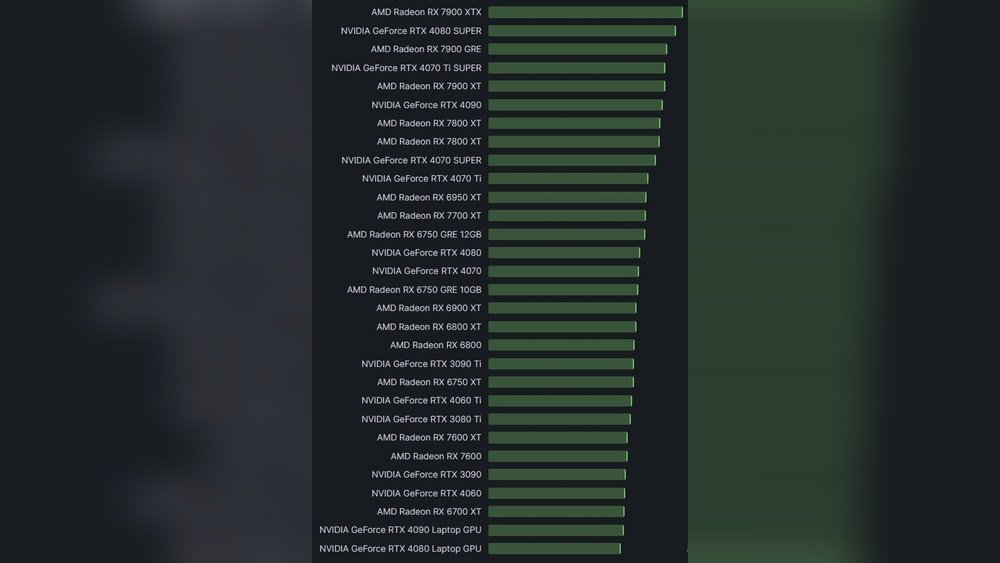
Benchmark comparisons help us understand how Rust uses computer parts. We check how much the CPU and GPU work during the game. This shows which part is more important for smooth gameplay. Testing with different hardware gives clear results. Real-world gameplay tests show how the game runs outside labs.
Cpu Vs Gpu Usage Stats
Rust uses both CPU and GPU heavily. The CPU handles game logic, player actions, and world updates. The GPU processes graphics and visual effects. During intense fights or large bases, CPU usage spikes. The GPU load rises with high graphics settings. Balanced CPU and GPU work is key to good performance.
Popular Hardware Performance
Tests on common CPUs like Intel i5 and AMD Ryzen 5 show solid frame rates. Mid-range GPUs such as Nvidia GTX 1660 and AMD RX 580 deliver smooth visuals. Higher-end hardware improves stability and reduces lag. Older or weaker parts struggle with large maps and many players. Choosing balanced hardware keeps Rust playable.
Real-world Gameplay Tests
Playing Rust on different setups reveals real performance. High CPU use appears during base building and combat. GPU use grows with detailed shadows and textures. Frame drops occur if CPU or GPU hits 100%. Adjusting game settings helps keep frame rate steady. Real tests help players pick the right parts for their rig.
Credit: blog.rustclash.com
Optimizing Rust Performance
Optimizing Rust performance helps you enjoy smoother gameplay and fewer lags. Rust depends on both CPU and GPU, but balancing settings can improve your experience. Small tweaks can lead to better frame rates and faster responses.
Settings For Cpu Optimization
Lower the number of background applications to free CPU power for Rust. Set the game’s CPU priority to high in the task manager. Disable unnecessary visual effects in Windows to reduce CPU load. Use the lowest possible settings for view distance and object detail in Rust. These settings reduce CPU strain and keep the game running smoothly.
Settings For Gpu Optimization
Reduce Rust’s resolution and texture quality to ease GPU work. Turn off shadows and lower anti-aliasing settings to boost frame rates. Enable vertical sync only if screen tearing occurs. Keep the GPU drivers updated for best performance. These steps help the GPU focus on rendering important game elements.
Hardware Upgrade Recommendations
Rust benefits from a fast CPU with multiple cores. A strong GPU with at least 4GB VRAM improves graphics and frame rates. Upgrade RAM to 16GB or more for smoother multitasking. Consider installing the game on an SSD for faster loading times. These upgrades create a better environment for Rust to run well.

Credit: blog.rustclash.com
Frequently Asked Questions
Is Rust A Cpu Or Gpu Intensive Game?
Rust primarily relies on the CPU for game logic and physics calculations. However, it also uses the GPU for rendering graphics and visual effects. Both CPU and GPU play important roles, but CPU demands are generally higher due to complex simulations and player interactions.
Does Rust Performance Depend More On Cpu Or Gpu?
Rust’s performance depends more on a strong CPU for handling game processes. A good GPU improves visual quality and frame rates but CPU power influences gameplay smoothness and responsiveness more significantly.
Can A Powerful Gpu Improve Rust Gameplay?
A powerful GPU enhances Rust’s graphics, providing smoother frame rates and better textures. However, without a capable CPU, gameplay performance may still suffer due to CPU-bound tasks.
What Hardware Upgrades Boost Rust’s Performance Most?
Upgrading the CPU yields the most noticeable Rust performance improvements. Adding a faster GPU helps with rendering but a balanced system ensures the best gaming experience.
Conclusion
Rust depends mostly on the CPU to run smoothly. The game uses the CPU for many tasks like world simulation and player actions. The GPU handles graphics and visuals but is less crucial for gameplay. Having a strong CPU improves overall performance in Rust.
You don’t need the latest GPU to play well. Balancing your computer’s parts helps you enjoy Rust without lag. So, focus on a good CPU for better game experience. Simple and clear, that’s how Rust works with your hardware.