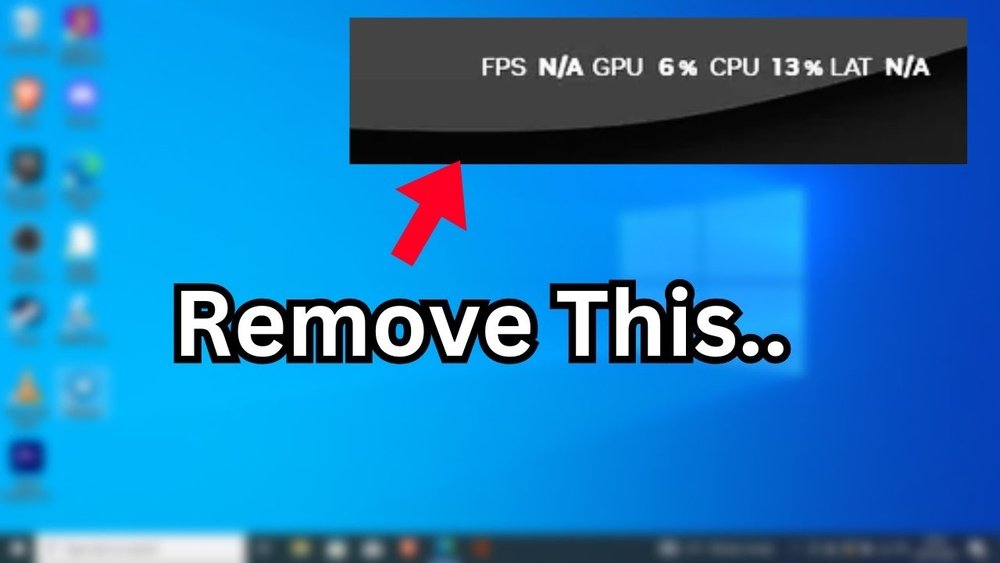
How to Remove Fps Gpu Cpu Lat from Screen: Easy Fixes Today
Are you tired of seeing those distracting FPS, GPU, and CPU stats cluttering your screen while gaming or working? These overlays can block important parts of your display and make your experience less enjoyable.
But don’t worry—removing them is simpler than you might think. You’ll discover easy, step-by-step methods to clear your screen and focus fully on what matters most. Keep reading, and you’ll learn how to take back control of your display in no time.

Credit: www.reddit.com
Causes Of Fps, Gpu, And Cpu Latency
FPS, GPU, and CPU latency cause delays and slow performance on your screen. These issues make games and apps lag or freeze. Understanding what causes latency helps fix these problems. Several factors affect how fast your system processes graphics and data.
Hardware Limitations
Old or weak hardware cannot handle high demands. A slow CPU or outdated GPU struggles to render images quickly. Limited RAM slows down data transfer. These hardware limits create lag and reduce FPS. Upgrading hardware improves performance and lowers latency.
Software Conflicts
Conflicting software causes the system to slow down. Drivers and programs may not work well together. Outdated or corrupted drivers affect GPU and CPU speed. Software conflicts increase latency and cause screen delays. Keeping software updated reduces these problems.
Background Processes
Many programs running in the background use CPU and GPU power. These processes take resources away from your main app or game. High background activity causes FPS drops and latency. Closing unnecessary apps frees up resources and improves speed.
Overheating Issues
Heat slows down hardware performance. When the CPU or GPU gets too hot, it reduces speed to cool down. Overheating causes lag and latency on your screen. Proper cooling and cleaning prevent overheating and keep performance steady.

Credit: www.youtube.com
Monitoring Performance Metrics
Monitoring performance metrics helps you understand your computer’s speed and health. It shows how well your CPU, GPU, and FPS are working during gameplay or other tasks. Watching these numbers helps spot problems and improve performance.
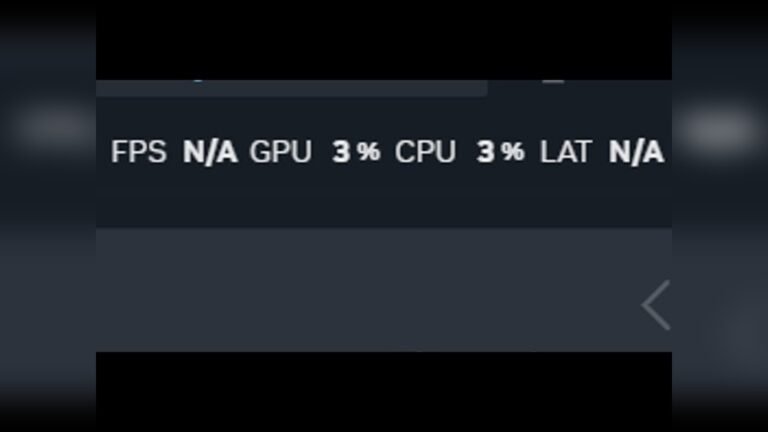
Performance metrics appear as numbers on your screen. Sometimes they can be distracting or cover important parts of the game. Knowing how to control and remove these metrics can make your screen clearer.
Using In-game Overlays
Many games have built-in overlays that show FPS, CPU, and GPU usage. These overlays are easy to turn on or off in the game settings. Look for options named “Performance,” “Stats,” or “HUD.”
Turning off these overlays stops the numbers from appearing on your screen. This keeps your view clean while still letting you check stats when needed.
Third-party Monitoring Tools
Third-party tools can display performance metrics outside games. Popular tools include MSI Afterburner and RivaTuner. These apps run in the background and show live stats on your screen.
You can customize what metrics appear and where. You can also remove the display completely if it gets in the way. This control helps keep your screen neat.
Interpreting The Data
Understanding the numbers is key to managing performance. FPS shows how smooth the game runs. Higher FPS means smoother gameplay.
CPU and GPU percentages show how hard your computer parts are working. High usage may cause lag or overheating. Low usage means your system has room to run better.
Use this data to adjust game settings or close background programs. This helps improve overall performance and removes the need for constant monitoring.
Optimizing Gpu Settings
Optimizing your GPU settings can reduce FPS lag and improve overall system performance. Small changes in your graphics settings often lead to smoother gameplay and faster response times. This section covers key ways to optimize your GPU for better speed and less lag.
Updating Graphics Drivers
Graphics drivers control how your GPU works with games and apps. Outdated drivers cause slow FPS and lag. Visit your GPU maker’s website to download the latest driver version. Install the update carefully. New drivers fix bugs and improve performance. Regular updates keep your system running smoothly.
Adjusting Graphics Control Panel
Open your GPU’s control panel to change settings. Lowering options like texture quality and shadows helps FPS. Set power management mode to “maximum performance” to avoid slowdowns. Turn off vertical sync to reduce input delay. Experiment with different settings to find the best balance between quality and speed.
Disabling Unnecessary Features
Some GPU features use extra resources and cause lag. Turn off features like anti-aliasing, ambient occlusion, and motion blur. These effects look nice but slow down your system. Disable GPU overlays and background apps that use the graphics card. Removing these extras frees GPU power for smoother gameplay.
Improving Cpu Performance
Improving CPU performance helps reduce lag and boost your computer’s speed. A faster CPU means smoother gameplay and better response times. Simple steps can make a big difference in how your system handles tasks.
Focus on managing what runs on your CPU. This frees up power and lets your system work better with games or heavy applications.
Closing Background Applications
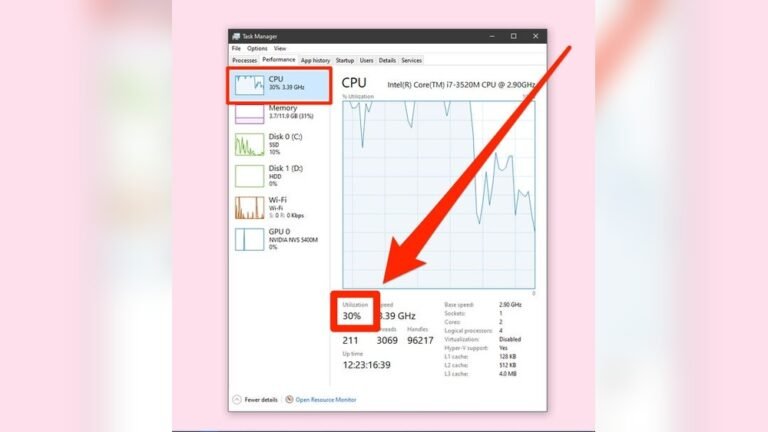
Many apps run in the background without your notice. These apps use CPU power and slow down your system. Close unused programs to free up resources. Use Task Manager to see what is running and stop those you don’t need. This helps your CPU focus on important tasks.
Managing Startup Programs
Programs that start with your computer can slow boot times and waste CPU power. Disable unnecessary startup programs to speed up loading. Open the startup tab in Task Manager and turn off apps that are not essential. This keeps your CPU free for better performance.
Adjusting Power Settings
Power settings affect CPU speed and efficiency. Set your computer to High Performance mode for better CPU output. This mode uses more energy but improves speed. Find power options in your Control Panel and adjust to prioritize performance over energy saving. This setting helps reduce lag in games and apps.
Reducing Latency In Games
Reducing latency in games helps improve your gameplay experience. Lower latency means faster response times. This can make games feel smoother and more enjoyable. Many factors affect latency, including your hardware and network. Simple changes can lower latency and boost performance.
Lowering In-game Graphics Settings
Reducing graphics settings can lower the load on your GPU and CPU. Try lowering shadows, textures, and effects. This helps your computer render frames faster. A higher frame rate means less delay between actions. Less strain on your system reduces latency and improves response.
Enabling Game Mode
Game mode in Windows or your system can improve game focus. It limits background tasks that use CPU and memory. This keeps more resources available for your game. Enabling game mode can reduce input lag. It also helps keep your frame rate steady.
Optimizing Network Settings
Network issues often cause high latency in online games. Use a wired connection instead of Wi-Fi for better stability. Close programs that use the internet during gameplay. Adjust router settings to prioritize gaming traffic. These steps reduce lag caused by slow or unstable networks.
Hardware Upgrades To Consider
Hardware upgrades can reduce FPS, GPU, and CPU lag on your screen. These changes help your computer run faster and smoother. Simple upgrades improve overall performance and gaming experience.
Focus on key parts that affect speed and responsiveness. Upgrading these parts can lower lag and increase frame rates. Choose upgrades based on your budget and needs.
Upgrading Gpu
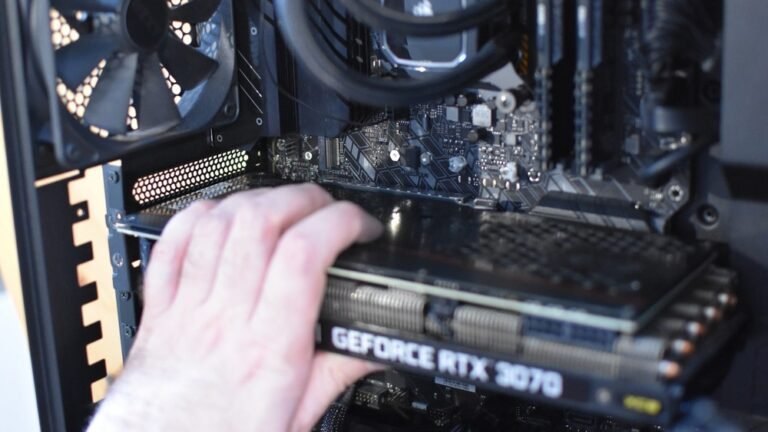
The GPU handles graphics and video. A better GPU shows images faster and clearer. This reduces lag in games and apps that use heavy graphics. Choose a GPU that fits your system and power supply. New GPUs support higher frame rates and better resolutions.
Increasing Ram
RAM stores data your computer uses now. More RAM lets your computer handle multiple tasks better. This reduces slowdowns and lag in games and programs. 8GB is good for most users, but 16GB is better for heavy tasks. Faster RAM speeds also improve performance slightly.
Switching To Ssd
SSD is faster than a traditional hard drive. It loads games and software quicker. This lowers wait times and reduces stuttering on screen. SSDs are more reliable and use less power. Installing an SSD makes your system feel faster overall.
Maintaining System Health
Maintaining system health is key to reducing FPS, GPU, and CPU lag on your screen. A well-kept system runs smoothly and avoids slowdowns. Simple habits can keep your computer in good shape. This helps games and apps run better. Here are some easy steps to maintain your system’s health.
Regular System Cleanups
Cleaning your system removes junk files that slow it down. Delete temporary files and clear cache often. Uninstall programs you no longer use. This frees up space and helps your system breathe. Use built-in tools or trusted cleanup apps. A clean system improves performance and reduces lag.
Monitoring Temperatures
High temperatures cause your CPU and GPU to slow down. Check your system’s temperature regularly. Use simple software to see if your components are too hot. Clean dust from fans and vents to improve airflow. Keep your system cool to maintain smooth performance. Cooler parts work faster and last longer.
Performing System Updates
Updates fix bugs and improve system efficiency. Keep your operating system and drivers up to date. Updated drivers help your GPU and CPU work well. Set your system to update automatically if possible. Regular updates protect your system and keep games running smoothly. Never skip important patches or driver updates.

Credit: www.reddit.com
Frequently Asked Questions
What Causes Fps, Gpu, And Cpu Latency Display On Screen?
FPS, GPU, and CPU latency display often appear due to enabled in-game or software overlays. These overlays monitor and show real-time performance metrics, helping users track hardware usage and game responsiveness.
How Can I Disable Fps And Latency Overlay In Windows?
To disable overlays in Windows, open the Xbox Game Bar settings. Turn off the performance widget or use your game’s settings to hide FPS and latency data.
Does Removing Fps And Latency Info Improve Game Performance?
Removing FPS and latency info does not improve game performance. It only hides the on-screen display, allowing for a cleaner visual experience during gameplay.
Which Software Commonly Shows Gpu And Cpu Latency Overlays?
Common software that shows GPU and CPU latency overlays includes Steam, Nvidia GeForce Experience, MSI Afterburner, and Xbox Game Bar. These tools provide real-time hardware performance stats.
Conclusion
Removing FPS, GPU, and CPU latency from your screen improves your experience. It helps you see clearer and play smoother. Simple steps can fix these issues fast. Check your settings and update drivers regularly. Use tools to monitor and adjust your system.
This keeps your display clean and responsive. Small changes make a big difference in performance. Stay patient and follow the tips carefully. Enjoy a better, lag-free screen every time you play or work.