How to Check Cpu And Gpu Temp: Easy Steps for Accurate Monitoring
Are you worried your computer might be overheating? Knowing how to check your CPU and GPU temperatures is a simple step that can save you from serious damage and keep your system running smoothly.
You’ll learn easy ways to monitor your hardware’s heat levels. By understanding these temperatures, you can protect your device, boost performance, and avoid costly repairs. Keep reading, and you’ll discover how to take control of your computer’s health right now.

Credit: www.spec-school.org
Why Monitor Cpu And Gpu Temps
Monitoring your CPU and GPU temperatures is important for maintaining a healthy computer. These components generate heat while working. Too much heat can cause problems. Watching the temperatures helps you keep your system safe and running well.
Checking these temps regularly helps you avoid damage and keep your device fast. It also helps you know if your cooling system works properly. Here are key reasons to monitor CPU and GPU temperatures.
Impact On Performance
High temperatures can slow down your CPU and GPU. They reduce the speed to cool down. This process is called throttling. Throttling keeps your computer from overheating but lowers performance. Keeping temps low means your system runs smoothly and fast.
Preventing Overheating Damage
Overheating can harm your CPU and GPU permanently. Excess heat may cause crashes and freezes. It can even stop your computer from starting. Monitoring temps helps you spot overheating early. Fixing heat issues prevents damage and costly repairs.
Extending Hardware Lifespan
Heat shortens the life of computer parts. Cooler components last longer and work better. Watching temperatures helps maintain a safe heat level. This care extends the lifespan of your CPU and GPU. It saves money by delaying the need to replace hardware.
Tools For Temperature Monitoring
Monitoring your CPU and GPU temperature is important for keeping your computer healthy. Overheating can cause slow performance or damage parts. Various tools make it easy to check these temperatures. Some tools come with your system, while others need to be installed. There are also hardware devices that can show you real-time temperatures. Let’s explore these options to find what suits you best.
Built-in System Utilities
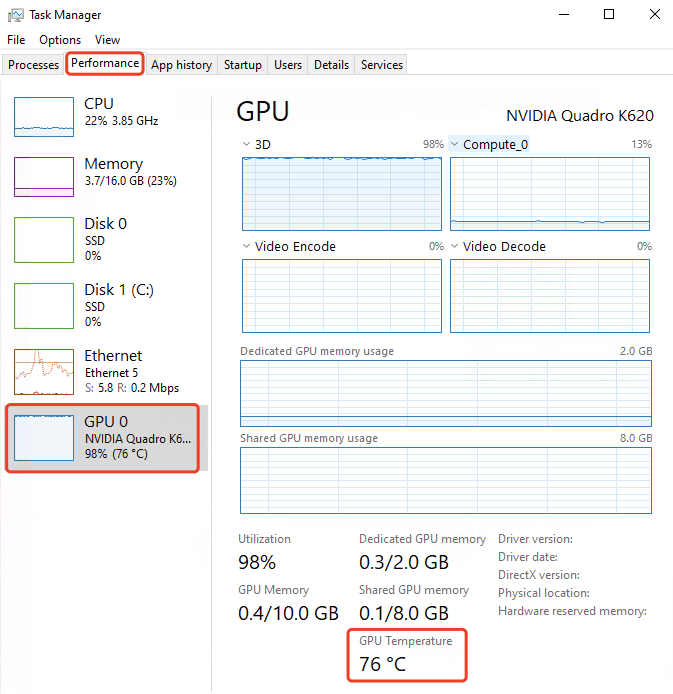
Most computers have built-in tools to check temperature. Windows users can use Task Manager or BIOS for basic info. Mac users can access Activity Monitor or system report. These tools are simple and require no extra downloads. They show basic temperature readings but might lack detailed stats.
Third-party Software Options
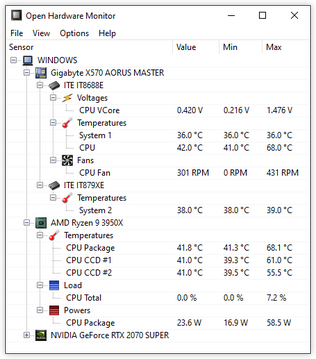
Third-party software offers more detailed temperature data. Programs like HWMonitor, Core Temp, and MSI Afterburner are popular choices. They provide real-time graphs and alerts for high temperatures. Many are free and easy to use. These tools help users track CPU and GPU temps precisely.
Hardware Monitoring Devices
External hardware devices connect to your PC to monitor temperature. Sensors attach inside the case near CPU or GPU. They show temperatures on small screens or through apps. These devices are useful for advanced monitoring. They offer accurate readings independent of software limits.
Checking Cpu Temperature
Checking your CPU temperature helps keep your computer safe. High temperatures can cause damage or slow down your system. Monitoring the CPU temperature lets you act before problems start. There are several ways to check your CPU temperature, depending on your device and comfort level.
Using Bios/uefi
BIOS or UEFI shows your CPU temperature during startup. Restart your computer and enter BIOS by pressing a key like F2 or Delete. Look for a section named “Hardware Monitor” or “PC Health.” Here, you can see the current CPU temperature. This method does not need extra software and works on almost all computers.
Software Methods On Windows
Windows users can use free programs to check CPU temperature easily. Tools like HWMonitor, Core Temp, or Speccy show real-time temperature. Download and install one of these programs. Open it, and look for the CPU temperature reading. These apps also show other useful info, like fan speed and voltage.
Monitoring On Macos And Linux
macOS users can use apps like iStat Menus or Intel Power Gadget. These tools display CPU temperature in the menu bar. For Linux, use terminal commands like “sensors” after installing the lm-sensors package. Both systems offer easy ways to keep an eye on CPU heat and avoid damage.
Checking Gpu Temperature
Checking your GPU temperature helps keep your computer safe. High GPU heat can cause slowdowns or crashes. Monitoring temperature ensures your graphics card runs well. It also helps you spot cooling problems early.
You can check GPU temperature in several ways. Some methods use software from the graphics card maker. Others use third-party tools. Both are easy to use and give real-time data.
Graphics Card Software
Most graphics cards come with their own software. Nvidia users can try GeForce Experience. AMD users can use Radeon Software. These programs show GPU temperature and other stats. They often include options to adjust fan speed and performance. Using official software ensures accurate readings for your GPU model.
Third-party Monitoring Apps
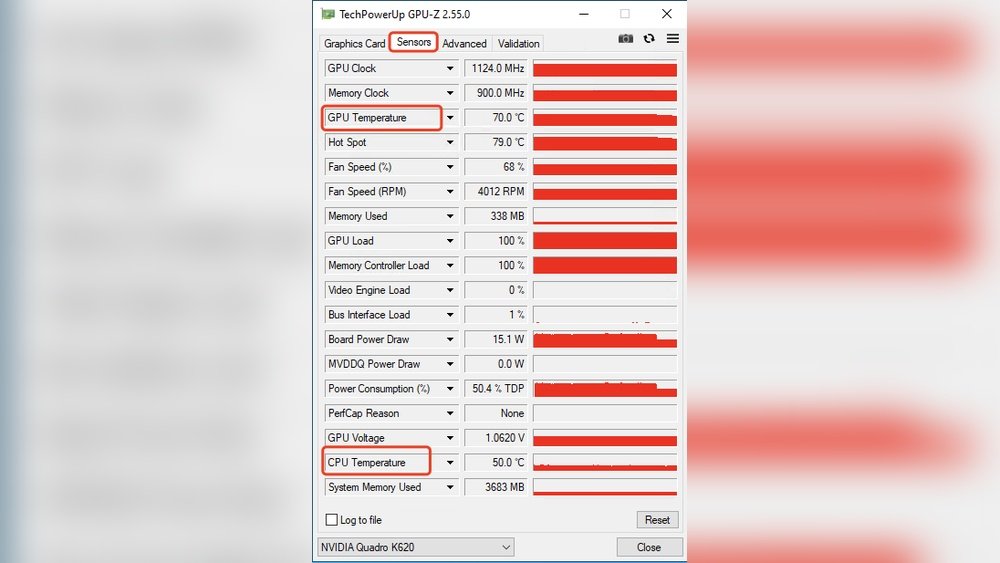
Many apps work with any GPU brand. Popular choices include HWMonitor, MSI Afterburner, and GPU-Z. These apps show temperature, usage, and clock speeds. They are free and simple to install. Some apps also let you log temperature over time. This helps track if your GPU gets too hot during heavy use.
Real-time Monitoring Tips
Run your GPU monitoring tool while gaming or working. Watch the temperature rise and fall in real time. Keep GPU temps below 85°C to avoid damage. Clean your PC fans regularly to improve cooling. Avoid blocking air vents around your computer. Proper airflow keeps GPU temperature stable and low.
Interpreting Temperature Readings
Understanding your CPU and GPU temperature readings helps keep your computer safe. Each chip has a range where it works best. Temperatures outside these ranges can cause problems. Learning how to read these numbers is important. It helps you know when your system is healthy or when it needs help.
Safe Temperature Ranges
Most CPUs work well between 30°C and 60°C during normal use. High performance tasks can push them to 70°C or 80°C. GPUs usually stay safe below 85°C. Temperatures above these ranges may harm your hardware. Check your specific CPU or GPU model for exact limits.
Signs Of Overheating
Overheating causes your computer to slow down or freeze. You may hear loud fan noise as it tries to cool down. Unexpected shutdowns or restarts can also occur. Watch for screen glitches or errors during use. These are clear signs your system is too hot.
When To Take Action
Take action if temperatures stay high for long periods. Clean dust from fans and vents to improve airflow. Consider reapplying thermal paste if your CPU or GPU is old. Use better cooling systems for heavy use or gaming. Early action can save your computer from damage.
Credit: openhardwaremonitor.org
Improving Cooling And Reducing Temps
Keeping your CPU and GPU cool helps your computer run better. High temperatures can cause slowdowns and damage parts. Improving cooling and lowering temperatures extends your device’s life and keeps it stable. Simple steps can make a big difference.
Cleaning And Maintenance
Dust blocks airflow and makes parts hot. Open your computer case and clean dust from fans and vents. Use compressed air or a soft brush. Check fan blades for dirt. Clean regularly to keep air moving freely. Replace old thermal paste on the CPU and GPU. This helps heat pass to the cooler faster.
Upgrading Cooling Solutions
Stock coolers may not be enough for heavy use. Consider better cooling parts for more power. Air coolers with bigger fans move more air. Liquid cooling systems remove heat quickly from chips. Adding more case fans improves airflow inside. Position fans to push hot air out and pull cool air in.
Optimizing System Settings
Lowering CPU and GPU workload reduces heat. Adjust power settings to balance performance and temperature. Use software to control fan speeds for better cooling. Keep your drivers and BIOS updated. Updated software can improve thermal management. Avoid running many heavy programs at once to keep temps down.
Automating Temperature Alerts
Automating temperature alerts helps you keep your CPU and GPU safe. It saves time and stops damage before it happens. This method lets your system watch the temps and warn you fast.
You do not need to check the temps yourself all the time. The alerts come straight to you, so you act quickly. Automation makes temperature monitoring easy and smart.
Setting Up Notifications
Start by choosing software that supports alerts. Many free and paid tools send notifications on high temps. Set the temperature limit for your CPU and GPU. The software will alert you via email, text, or pop-up.
Make sure notifications are clear and easy to spot. Test alerts once set up to confirm they work well. This setup helps you respond fast to overheating risks.
Using Scripts And Automation Tools
Scripting can enhance temperature monitoring. Use simple scripts to check temps at fixed times. Scripts can trigger alerts or even shut down the system if needed.
Automation tools like Task Scheduler or Cron automate these scripts. They run checks without your input. This reduces the chance of missing critical temp rises.
Benefits Of Proactive Monitoring
Proactive monitoring stops hardware damage early. It prevents crashes caused by high temperatures. This keeps your computer stable and extends its lifespan.
Alerts help you avoid costly repairs and data loss. They also save energy by managing cooling better. Overall, automated alerts protect your investment smartly.
Credit: www.gpu-mart.com
Frequently Asked Questions
How Do I Check My Cpu Temperature On Windows?
You can check CPU temperature using tools like HWMonitor or Core Temp. Install the software, open it, and view real-time temperatures under the CPU section.
What Is A Safe Gpu Temperature Range?
Safe GPU temperatures typically range between 30°C to 85°C. Temperatures above 90°C may cause performance issues or hardware damage.
Can High Cpu Or Gpu Temps Cause Damage?
Yes, consistently high temperatures can damage your CPU or GPU. It can reduce lifespan, cause crashes, and lower performance.
Which Software Is Best For Monitoring Gpu Temperature?
Popular GPU temperature monitors include MSI Afterburner, GPU-Z, and HWMonitor. They provide real-time temperature and performance data.
Conclusion
Checking your CPU and GPU temperature helps keep your computer safe. It shows if your parts get too hot. High heat can cause damage or slow your system down. Use easy tools to watch these temperatures. Regular checks help you fix problems early.
Stay aware of your computer’s health. This simple step can save time and money. Keep your device running cool and smooth. Don’t ignore temperature; it matters a lot. Keep an eye on it, and your computer will thank you.