How to Check Gpu Temp: Easy Steps to Monitor and Optimize Performance
Are you worried your GPU might be running too hot? Knowing how to check your GPU temperature is key to keeping your computer safe and running smoothly.
If your graphics card gets too warm, it can slow down your games, cause crashes, or even damage your hardware. But don’t worry—checking your GPU temp is easier than you think. You’ll learn simple, step-by-step methods to monitor your GPU’s temperature.
By the end, you’ll be able to spot any heat issues early and keep your system performing at its best. Keep reading to protect your gear and boost your gaming experience!
Credit: www.gpu-mart.com
Why Monitor Gpu Temperature
Monitoring your GPU temperature is important for keeping your computer healthy. The GPU works hard to run games, videos, and other graphics tasks. If it gets too hot, problems can start. Knowing the temperature helps you avoid these issues. It also keeps your computer running smooth and fast. Below are key reasons why tracking GPU temperature matters.
Impact On Performance
High GPU temperature can slow down your computer. The GPU may reduce its speed to cool down. This causes lag and poor graphics quality. Watching the temperature helps keep performance steady. You get better gameplay and smoother videos.
Preventing Hardware Damage
Too much heat can harm your GPU parts. Overheating can cause permanent damage. It may lead to crashes or system failure. Checking temperature helps spot heat problems early. You can fix cooling issues before damage happens.
Extending Gpu Lifespan
Heat stresses GPU components over time. Running hot shortens the life of your GPU. Keeping temperature low helps your GPU last longer. It saves money by delaying the need for a new card. Careful monitoring protects your investment.
Credit: hognerdobrasil.com.br
Common Tools For Checking Gpu Temp
Checking your GPU temperature helps keep your computer safe and fast. Many tools show GPU temp easily. Some come with your computer, while others you can download. Even command line tools work well for this task.
Built-in Software Options
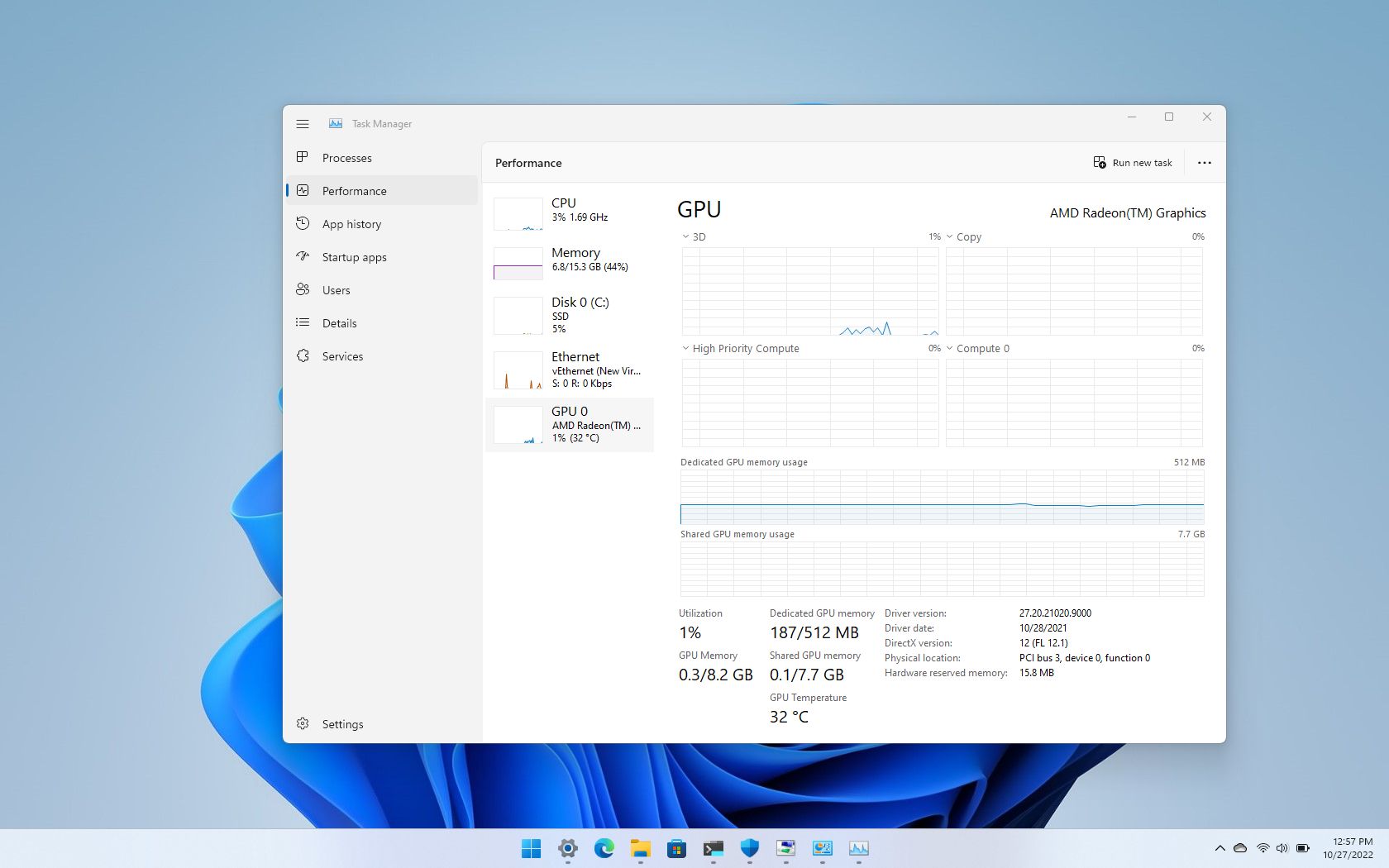
Many graphics cards include built-in software. NVIDIA users have NVIDIA Control Panel or GeForce Experience. AMD users get Radeon Software. These programs show GPU temp without extra downloads. They also offer other settings for your graphics card.
Third-party Applications
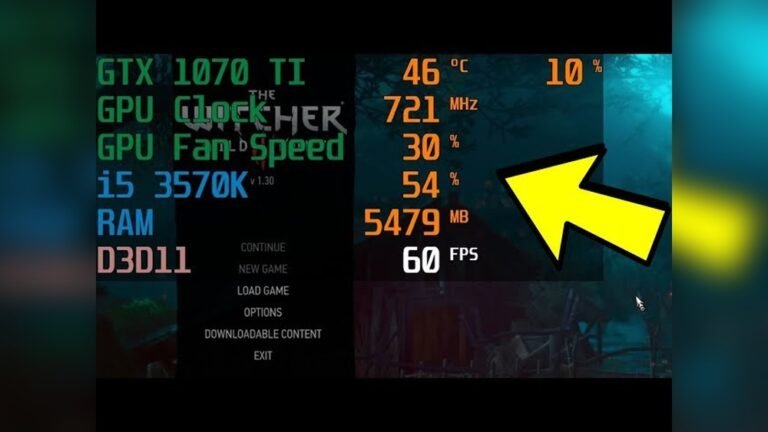
Third-party tools offer detailed GPU temperature info. Popular apps like MSI Afterburner and HWMonitor are free. These tools show real-time temperature and other important data. They work with most graphics cards. Easy to use and reliable for daily checks.
Using Command Line Tools
Command line tools provide GPU temperature data using simple commands. Linux users can try “nvidia-smi” for NVIDIA cards. Windows users can use PowerShell scripts. These tools are lightweight and quick for tech-savvy users. No need for graphic interfaces or extra software.
Step-by-step Guide To Check Gpu Temp
Checking your GPU temperature is important to keep your computer safe. High temperatures can cause damage or slow down your system. This step-by-step guide helps you check GPU temperature easily. Follow these simple steps to monitor your GPU health and avoid overheating problems.
Accessing Gpu Monitoring Software
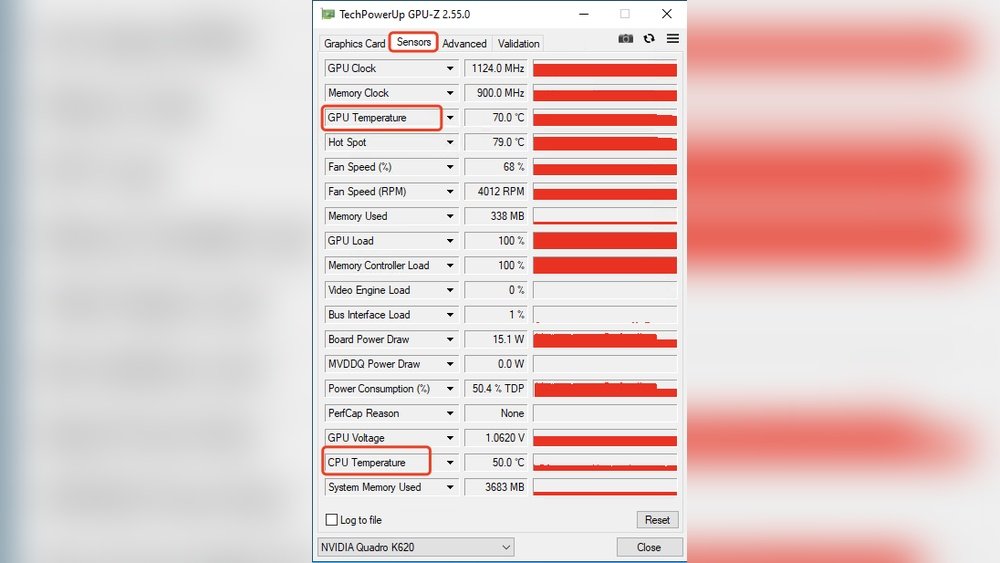
First, open your GPU monitoring software. Popular tools include MSI Afterburner, HWMonitor, or GPU-Z. Download and install one if you do not have any. Launch the program to see your GPU details. Look for the temperature section on the main screen. Some software shows temperature in real time.
Interpreting Temperature Readings
Check the number next to “GPU temperature.” Typical GPU temperatures range from 30°C to 85°C. Below 40°C is cool, normal for idle states. Between 60°C and 80°C is common during gaming or heavy tasks. Above 85°C means your GPU might be too hot. Try to keep the temperature below 85°C to avoid damage.
Setting Temperature Alerts
Most monitoring software lets you set temperature alerts. Go to settings or options in the program. Find the alert or notification section. Set a temperature limit, like 85°C, for warnings. The software will notify you if the GPU gets too hot. Alerts help you act quickly to cool your system down.
Credit: www.ameelectrical.co.uk
Ideal Gpu Temperature Ranges
Knowing the ideal GPU temperature ranges helps keep your graphics card safe. It shows when your GPU runs smoothly or faces stress. Checking these ranges helps avoid overheating and damage. It also improves your PC’s performance and lifespan.
Idle Temperatures
Idle temperature means when your GPU is not working hard. Usually, this range is between 30°C and 45°C. It shows your graphics card is cool and ready. High idle temperatures may mean poor cooling or dust build-up.
Under Load Temperatures
Load temperature shows how hot the GPU gets during work. This could be gaming or heavy software use. Normally, it stays between 65°C and 85°C. Staying in this range means your GPU handles tasks well.
Safe Maximum Limits
Every GPU has a safe temperature limit. Most GPUs should not go above 90°C. Higher temperatures risk damage and reduce lifespan. If your GPU hits this limit, check cooling systems immediately.
Tips To Optimize Gpu Temperature
Keeping your GPU temperature low helps your computer run smoothly. High temperatures can cause slowdowns and damage. Simple steps can reduce heat and protect your hardware. Here are some easy tips to optimize your GPU temperature.
Improving Airflow In Pc Case
Good airflow moves hot air out and brings cool air in. Arrange cables neatly to avoid blocking vents. Add extra case fans if needed. Position fans to push air through the case. This keeps your GPU cooler and boosts performance.
Cleaning Dust And Debris
Dust blocks air vents and slows cooling fans. Use a soft brush or compressed air to clean your PC. Focus on GPU fans and heatsinks. Clean your PC regularly to maintain proper cooling. Dust-free parts run cooler and last longer.
Adjusting Fan Speeds
Fans spin faster to cool your GPU when hot. Use software tools to set fan speeds manually. Increase speed during heavy use and lower it when idle. This balances cooling and noise. Proper fan control helps keep temperatures stable.
Applying Thermal Paste
Thermal paste helps heat move from GPU to heatsink. Old or dry paste reduces cooling efficiency. Remove the old paste carefully and apply a new, thin layer. This improves heat transfer and lowers GPU temperature. Do this only if comfortable with hardware work.
Troubleshooting High Gpu Temperatures
High GPU temperatures can cause serious problems. Your computer may slow down or shut off suddenly. Checking and fixing these temperatures helps your GPU work well. This section guides you through steps to find and solve high GPU heat issues.
Identifying Causes
Dust buildup blocks airflow inside your PC. Poor ventilation traps hot air around the GPU. Overclocking pushes the GPU beyond its limits. Old or dried-out thermal paste reduces heat transfer. Faulty fans or cooling systems also raise temperatures.
Software Fixes
Update your GPU drivers to improve efficiency. Use software to monitor GPU temperature regularly. Adjust fan speeds with control tools for better cooling. Lower graphics settings in games to reduce heat. Stop unnecessary background apps that use GPU power.
Hardware Solutions
Clean dust from fans and air vents carefully. Replace old thermal paste with a fresh layer. Add extra case fans to improve airflow. Upgrade your GPU cooler for better heat dissipation. Check fan connections and replace broken fans if needed.
Frequently Asked Questions
How Do I Check My Gpu Temperature On Windows?
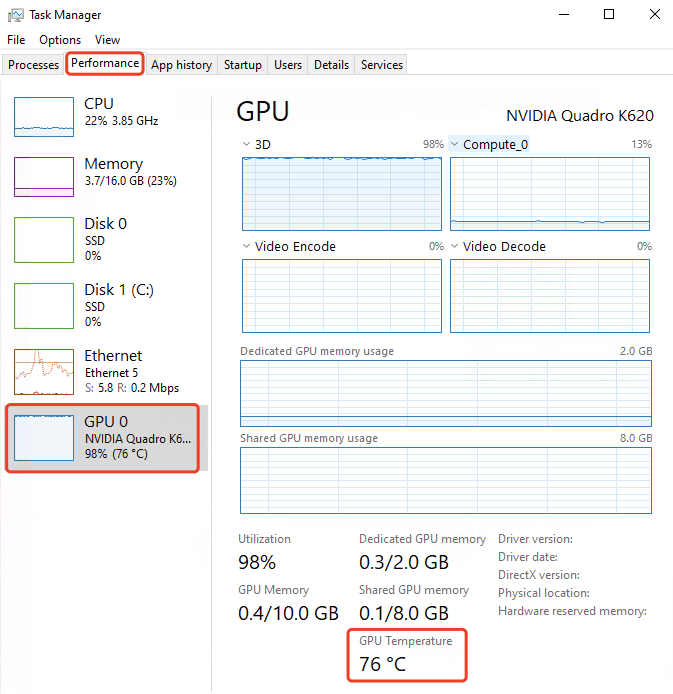
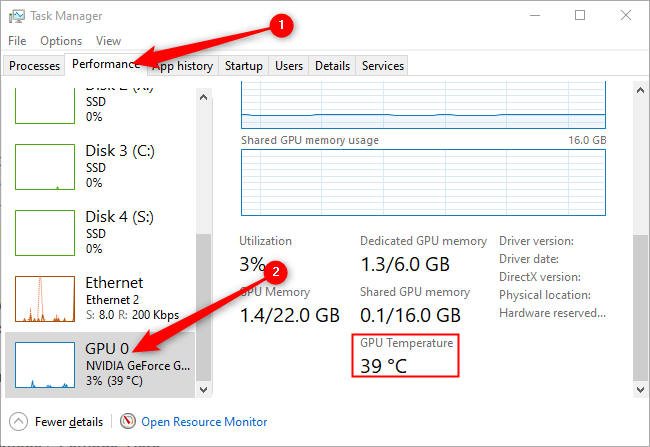
You can check GPU temperature using built-in tools like Task Manager or third-party apps like MSI Afterburner. These tools display real-time GPU temps, helping you monitor performance and prevent overheating.
What Is A Safe Gpu Temperature During Gaming?
A safe GPU temperature typically ranges between 65°C and 85°C during gaming. Temperatures above 90°C may cause overheating and damage, so keep your GPU cool for optimal performance.
Can Gpu Temperature Affect Computer Performance?
Yes, high GPU temperatures can cause thermal throttling, reducing performance. Keeping your GPU cool ensures smooth gameplay and efficient processing without unexpected slowdowns.
Which Software Is Best For Monitoring Gpu Temperature?
Popular software includes MSI Afterburner, HWMonitor, and GPU-Z. These tools offer accurate, real-time temperature readings and additional GPU stats for effective monitoring.
Conclusion
Checking your GPU temperature helps keep your computer safe. It stops overheating and makes your system last longer. Use simple tools to watch the temperature often. This way, you can fix problems early and avoid damage. Keep your GPU cool for better performance every time.
Regular checks save money and keep your PC running well. Don’t ignore the heat—your GPU needs care too. Stay aware, stay safe, and enjoy smooth computing.