Is Warzone Cpu Or Gpu Intensive: Ultimate Performance Breakdown
Are you wondering what really powers your Warzone experience? Whether your game lags, stutters, or runs smoothly often comes down to one crucial question: is Warzone more CPU or GPU intensive?
Understanding this can help you get the best performance without wasting money on the wrong upgrades. You’ll discover exactly which part of your system carries the heaviest load and how that affects your gameplay. Keep reading to unlock the secret to smoother, faster Warzone battles.
Credit: www.flumidieselbosch.com.br
Warzone Performance Basics
Warzone is a popular battle royale game known for its fast action and large maps. To enjoy smooth gameplay, understanding its performance basics is important. This helps players choose the right hardware and settings for their system.
Performance depends on many factors like the game engine, optimization, and hardware. Knowing these basics helps in improving frame rates and reducing lag.
Game Engine And Optimization
Warzone runs on a powerful game engine designed for detailed graphics and large player counts. The engine uses complex calculations to create realistic environments and effects. This requires strong hardware to keep the game running smoothly.
The developers optimize the game to balance visuals and performance. They update the game to fix bugs and improve efficiency. Still, the game demands a mix of CPU and GPU power to handle its tasks well.
Typical Hardware Requirements
Warzone needs a good CPU to manage game logic, AI, and player data. It also needs a strong GPU to render high-quality graphics and effects. Most players use mid to high-end hardware for the best experience.
Recommended CPUs often have multiple cores and high clock speeds. GPUs with enough video memory and processing power help maintain smooth frame rates. Enough RAM and fast storage also improve loading times and gameplay stability.
Cpu Demands In Warzone
Warzone requires a strong CPU to run smoothly. The game uses the processor a lot to handle many tasks at once. This includes managing game physics, AI, and player movements. A good CPU helps reduce lag and keeps the game responsive. Understanding how the CPU works in Warzone can help you choose the right hardware.
The CPU must process many calculations quickly. This affects your frame rates and game stability. Some parts of the game need fast cores, while others benefit from having many cores. Knowing these details helps improve your gaming experience.
Core Count And Clock Speed Impact
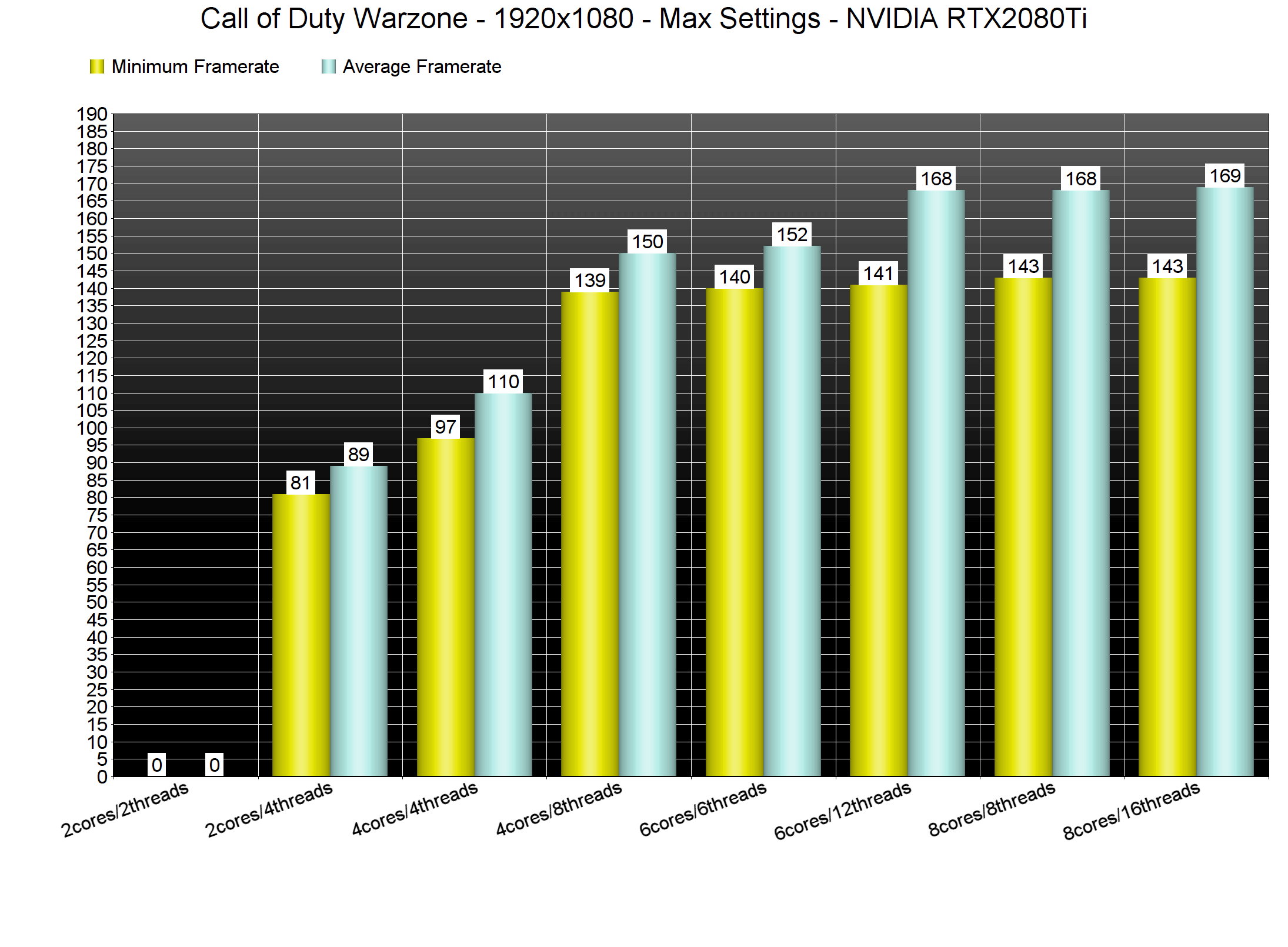
Warzone uses multiple CPU cores to run different tasks. More cores can handle more game processes at once. But not all cores work the same. Faster cores with high clock speeds process data quicker. Clock speed is measured in GHz. A higher clock speed means better performance in Warzone.
Games like Warzone need both core count and clock speed. A CPU with many cores but low clock speed might struggle. A balance between core count and clock speed is best for smooth gameplay. Most players see better results with 6 to 8 cores at high speeds.
Single-thread Vs Multi-thread Performance
Single-thread performance is how fast one CPU core works. Multi-thread performance means how well all cores work together. Warzone relies more on single-thread power for key tasks. These include rendering and game logic. Multi-thread helps with background processes and physics.
CPUs with strong single-thread speed improve Warzone’s frame rates. Multi-thread also matters but to a lesser degree. A CPU with good balance between both types gives steady performance. This balance helps avoid stuttering and lag during intense moments.
Gpu Role In Warzone
The GPU is very important for Warzone’s performance. It handles the game’s graphics and visual effects. This means it draws everything you see on the screen. Warzone has detailed maps and many players, so the GPU works hard to keep the game smooth.
The GPU’s power affects how clear and detailed the game looks. A strong GPU helps you play at higher settings without lag. It also helps keep the frame rate steady, which is key for fast action.
Graphics Settings Influence
Graphics settings in Warzone change how much work the GPU must do. Higher settings mean better textures and effects but need more GPU power. Lower settings reduce the load, so the game runs smoother on weaker GPUs. Adjusting shadows, textures, and effects directly impacts GPU use.
Choosing the right settings balances visuals and performance. It helps avoid slowdowns and keeps gameplay responsive. Some players lower settings to get higher frame rates during fights.
Resolution And Frame Rate Effects
Resolution affects GPU load a lot. Higher resolution means more pixels to draw. This makes the GPU work harder and can lower frame rates. Playing at 1080p is easier for the GPU than 1440p or 4K.
Frame rate also depends on the GPU. A strong GPU maintains high frames even in busy scenes. More frames per second mean smoother gameplay and better reaction times. Lower frame rates can cause stuttering and delay.

Credit: www.esseg.eu
Balancing Cpu And Gpu
Balancing the CPU and GPU in Warzone is key to a smooth gaming experience. Both parts share the work, but each handles different tasks. The CPU processes game logic, physics, and AI. The GPU renders graphics and visual effects. If one part is weaker, it slows down the game. Understanding this balance helps improve performance and reduce lag.
Identifying Bottlenecks
A bottleneck happens when one part limits the other. If the CPU is too slow, the GPU waits. If the GPU is weak, the CPU does extra work. Tools like Task Manager or MSI Afterburner can show usage. High CPU use with low GPU use means the CPU is a bottleneck. High GPU use with low CPU use means the GPU needs upgrading.
Optimizing Hardware For Smooth Gameplay
Upgrade the weaker part to match the stronger one. Increase CPU speed or cores for better game logic handling. Choose a GPU with good memory and clock speed for detailed graphics. Keep drivers updated to fix bugs and improve efficiency. Adjust game settings by lowering shadows or resolution to ease GPU load. Balance hardware and settings for steady frame rates and less stutter.
Benchmark Tests And Results
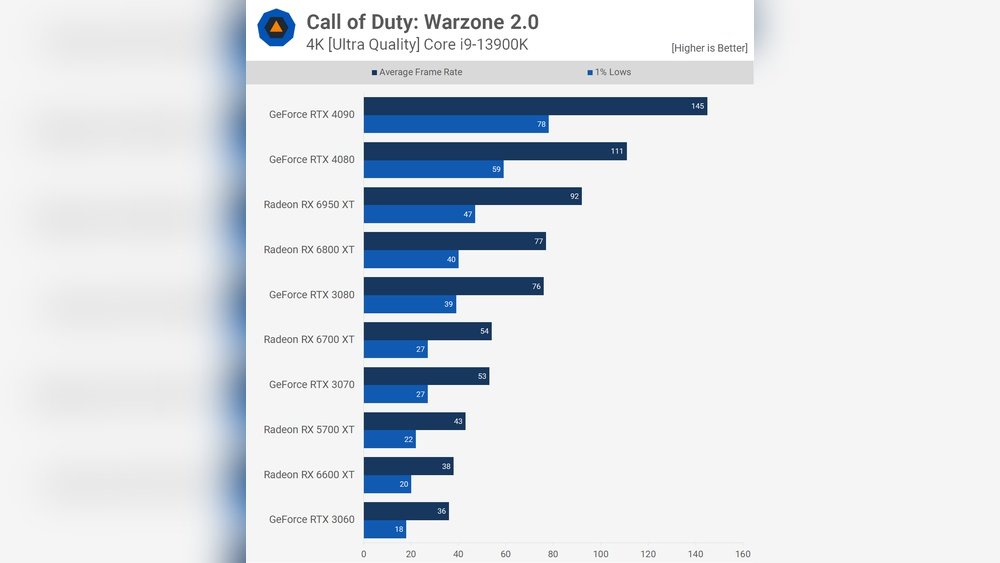
Benchmark tests help us understand how Warzone uses your PC parts. They show which component works harder during gameplay. This section looks at CPU-heavy and GPU-heavy scenarios. You can see how each affects your game performance. The results guide you to balance your system for smooth play.
Cpu-heavy Scenarios
Warzone demands more from the CPU in certain moments. Large player fights and complex AI tasks push the processor. The CPU handles game logic, physics, and player movement. Tests show frame rates drop more if the CPU is weak. Higher CPU usage appears during intense combat and open maps. A strong CPU improves responsiveness and reduces stutter.
Gpu-heavy Scenarios
Warzone also stresses the GPU in detailed graphics and high resolutions. The GPU renders textures, shadows, and lighting effects. Benchmark tests reveal frame drops when settings are maxed out. Large explosions and complex environments need more GPU power. A better graphics card delivers smoother visuals and higher frame rates. It is key for a clear and immersive gaming experience.

Credit: www.reddit.com
Tips To Boost Warzone Performance
Boosting Warzone performance can make your gaming experience smoother and more fun. Small changes can improve frame rates and reduce lag. These tips focus on easy adjustments and smart upgrades.
In-game Settings Adjustments
Lower the resolution to reduce the load on your GPU. Turn off shadows and lower texture quality to improve frame rates. Disable motion blur for clearer visuals. Set the render resolution to 90% or 80% for better speed. Reduce anti-aliasing to ease GPU strain. Turn off V-Sync to avoid input lag. Adjust these settings step-by-step to find the best balance.
Hardware Upgrade Recommendations
Upgrade your GPU for better graphics and frame rates. A powerful CPU helps with game logic and load times. Increase RAM to 16GB for smoother multitasking. Use an SSD instead of an HDD for faster game loading. Check your cooling system to prevent overheating. These upgrades help maintain steady performance in Warzone.
Frequently Asked Questions
Is Warzone More Cpu Or Gpu Intensive?
Warzone relies heavily on both CPU and GPU. However, it is generally more CPU intensive due to AI, physics, and large player counts. A strong CPU ensures smooth gameplay, while a good GPU enhances graphics and frame rates.
How Does Cpu Impact Warzone Performance?
The CPU handles game logic, AI, and player data processing in Warzone. A faster CPU reduces lag and improves overall responsiveness. Multiplayer dynamics and large maps require significant CPU power for smooth gameplay.
Does Warzone Benefit From A High-end Gpu?
Yes, a high-end GPU improves Warzone’s graphics quality and frame rates. Better GPUs enable higher resolutions, detailed textures, and smoother animations. This enhances visual experience but does not replace the need for a strong CPU.
Can Upgrading Gpu Alone Improve Warzone Gameplay?
Upgrading the GPU alone boosts graphics and frame rates but may not fix CPU bottlenecks. Balanced hardware with a strong CPU and GPU provides the best Warzone performance. Both components are crucial for optimal gameplay.
Conclusion
Warzone demands a strong balance between CPU and GPU. The CPU handles game logic and player actions. The GPU processes graphics, textures, and effects. Both parts must work well for smooth gameplay. Upgrading either can improve performance, but focus on your system’s weakest link.
Playing on higher settings needs better GPUs. Lower settings rely more on CPU power. Knowing this helps you choose the right upgrades. Enjoy a better gaming experience by understanding your hardware needs. Simple upgrades can make a big difference.