How to Hard Reset Cpu: Quick Steps to Fix Performance Issues
Is your computer acting slow, freezing, or just not working the way it should? Sometimes, the best fix is a hard reset of your CPU.
This simple step can clear out glitches, refresh your system, and get things running smoothly again. You’ll learn exactly how to hard reset your CPU safely and effectively. Keep reading to take control and bring your computer back to life in just a few easy steps.
Signs Your Cpu Needs A Hard Reset
Your CPU controls how your computer runs. Sometimes, it needs a hard reset to fix issues. Recognizing the signs early helps avoid bigger problems. Watch for these common signs that show your CPU needs a reset.
Slow Performance
Your computer runs slower than usual. Programs take longer to open. Tasks that were quick before now lag. This slowdown may mean your CPU is stuck or overloaded.
Frequent Freezes
The screen stops moving often. You cannot click or type for a moment. These freezes can last seconds or longer. This problem often points to CPU errors.
Overheating Issues
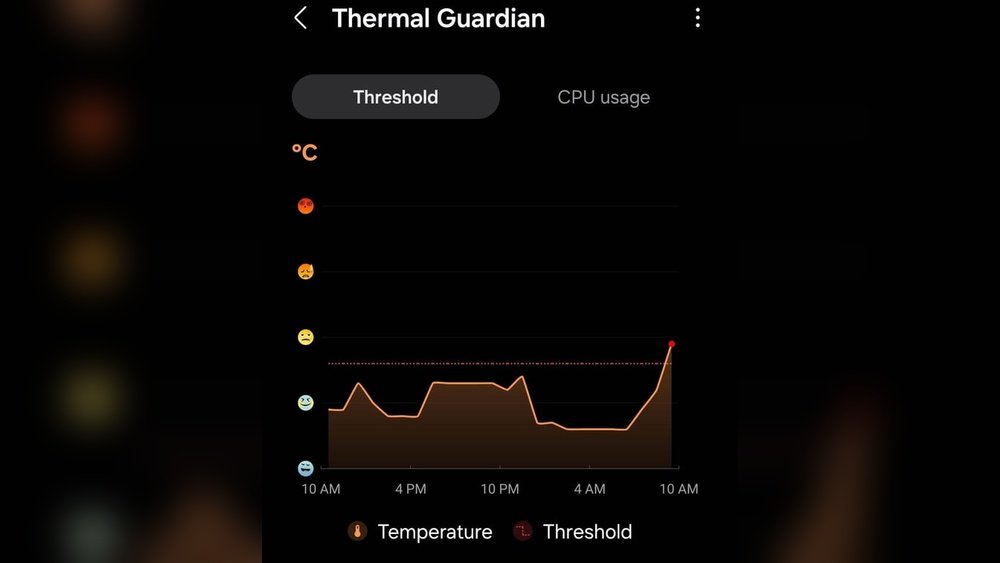
Your computer feels very hot. Fans run loudly and constantly. Overheating can cause damage to parts. A hard reset may help cool down the CPU.
Unusual Noises
Strange sounds come from your computer. Clicking, buzzing, or whirring noises are common. These sounds may mean the CPU is struggling. A reset can clear internal problems causing noise.

Credit: www.reddit.com
Preparing For A Hard Reset
Preparing for a hard reset is important to avoid data loss and hardware issues. This step helps ensure a smooth reset process. Taking time to prepare protects your files and device from damage.
Backup Important Data
Save all important files before starting the reset. Copy photos, documents, and videos to an external drive or cloud storage. This prevents losing valuable information during the reset.
Gather Necessary Tools
Collect items needed for the reset process. Common tools include a screwdriver, thermal paste, and an anti-static wristband. Having these ready speeds up the reset and keeps you safe.
Power Off And Unplug
Turn off the computer completely. Unplug the power cable and disconnect all peripherals. This step avoids electrical shocks and protects the CPU during the reset.
Step-by-step Hard Reset Process
Resetting your CPU can solve many issues like BIOS errors or boot problems. The process clears stored settings and starts fresh. Follow these simple steps carefully. Each step is easy to do and requires no special tools.
Open The Cpu Case
Turn off your computer and unplug all cables. Place the CPU on a flat surface. Use a screwdriver to remove the screws holding the case cover. Gently take off the cover to expose the motherboard and internal parts.
Locate The Cmos Battery
Look for a small, round, silver battery on the motherboard. This is the CMOS battery. It looks like a coin and is usually easy to spot. The battery powers the BIOS memory that stores your settings.
Remove And Reinsert The Battery
Carefully push the battery clip aside to lift the battery out. Wait for about 5 minutes to ensure all power drains. Place the battery back into its slot the same way. This step resets the BIOS to default.
Use The Reset Jumper
Find the reset jumper near the CMOS battery on the motherboard. It usually has three pins with a small plastic cover on two pins. Move the cover to cover the middle pin and the uncovered pin. Wait 10 seconds, then return the cover to its original position.
Reassemble And Power On
Put the case cover back and screw it tightly. Reconnect all cables to the CPU. Turn on your computer and check if it starts normally. The hard reset process is complete, and your CPU should work better.

Credit: www.youtube.com
Alternative Methods To Reset Cpu Settings
Resetting CPU settings can fix many performance problems. Sometimes the usual reset method is not possible or too complex. Alternative methods help restore CPU settings safely and easily. These methods work well for different situations and hardware types.
Reset Through Bios Menu
The BIOS menu holds many CPU settings. Access it by restarting your computer and pressing a special key. Usually, keys like F2, Delete, or Esc work. Inside BIOS, find the option to reset to default. This resets CPU settings to factory values. Save changes and exit BIOS to apply new settings.
Using Manufacturer Software
Some CPU makers provide software to manage settings. This software often has a reset option. Download it from the official website of your CPU brand. Open the software and look for reset or restore options. Follow simple steps to reset CPU settings without entering BIOS. This method is user-friendly and safe.
Clear Cmos With Button
Motherboards have a Clear CMOS button or jumper. This button erases all BIOS settings, including CPU configurations. Turn off your PC and unplug it first. Press and hold the Clear CMOS button for a few seconds. If your board has a jumper, move it to the clear position briefly. This resets CPU settings to default safely.
Post-reset Actions
After you hard reset your CPU, some important steps follow. These steps help your computer run smoothly and avoid issues. Taking time to do these actions improves stability and performance. Let’s explore what to do next.
Configure Bios Settings
Start by entering the BIOS setup. Check the date and time are correct. Adjust CPU settings if needed. Enable or disable features like virtualization or overclocking. Save changes before exiting BIOS. Proper BIOS settings help your CPU work at its best.
Run Performance Tests
Next, run tests to check CPU health and speed. Use trusted tools to measure performance. Look for any errors or slowdowns. These tests reveal if the reset fixed problems. They also show if more fixes are needed.
Update Drivers And Firmware
Finally, update all related drivers and firmware. Visit the motherboard or CPU manufacturer’s website. Download the latest software versions. Updated drivers improve compatibility and security. This step ensures your CPU and system work well together.
Preventive Tips For Cpu Performance
Keeping your CPU in good shape helps avoid frequent resets and slowdowns. Simple habits protect your CPU and keep it running smoothly. These tips save time and reduce problems.
Regular Cleaning
Dust buildup causes overheating and slows the CPU. Clean your computer’s inside every few months. Use a soft brush or compressed air to remove dust carefully. Keep fans and vents clear for better airflow.
Proper Ventilation
Good airflow prevents the CPU from heating too much. Place your computer in a cool, open space. Avoid tight areas or spots near heat sources. Leave space around the case for air to move freely.
Avoid Overclocking
Overclocking pushes the CPU beyond its limits. It makes the system unstable and hot. Run the CPU at its normal speed to avoid damage. Stick to manufacturer settings for safe performance.
Monitor System Temperatures
Check CPU temperature regularly using simple tools. High temperatures indicate cooling problems or heavy workloads. Take action if temperatures stay high for long. This prevents crashes and extends CPU life.

Credit: www.avg.com
Frequently Asked Questions
What Is A Hard Reset On A Cpu?
A hard reset on a CPU clears all temporary data and resets hardware settings. It forces the CPU to restart fresh, fixing software glitches or hardware freezes.
When Should I Perform A Hard Reset On My Cpu?
Perform a hard reset if your CPU is unresponsive, frozen, or not booting. It helps resolve hardware conflicts and restores normal operation without data loss.
How Do I Safely Hard Reset My Cpu?
To safely hard reset, power off the system, unplug it, and remove the CMOS battery for a few minutes. Reinsert the battery and power on the device.
Will A Hard Reset Delete My Data?
No, a hard reset only clears temporary settings and memory. It does not delete your personal files or installed software from the CPU.
Conclusion
Hard resetting your CPU can fix many common problems. It helps clear errors and refresh system settings. Always follow safe steps to avoid damage. Keep your data backed up before starting. A clean reset can improve performance and stability. Try this method when your CPU acts slow or freezes.
Remember, patience and care make the process smooth. Now, you can reset your CPU with confidence.