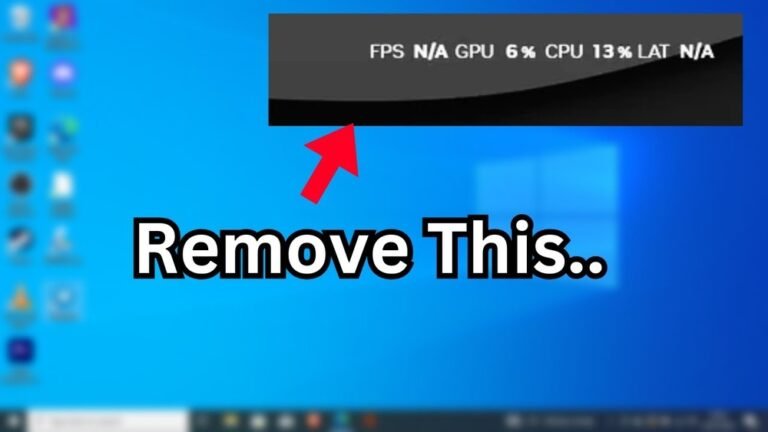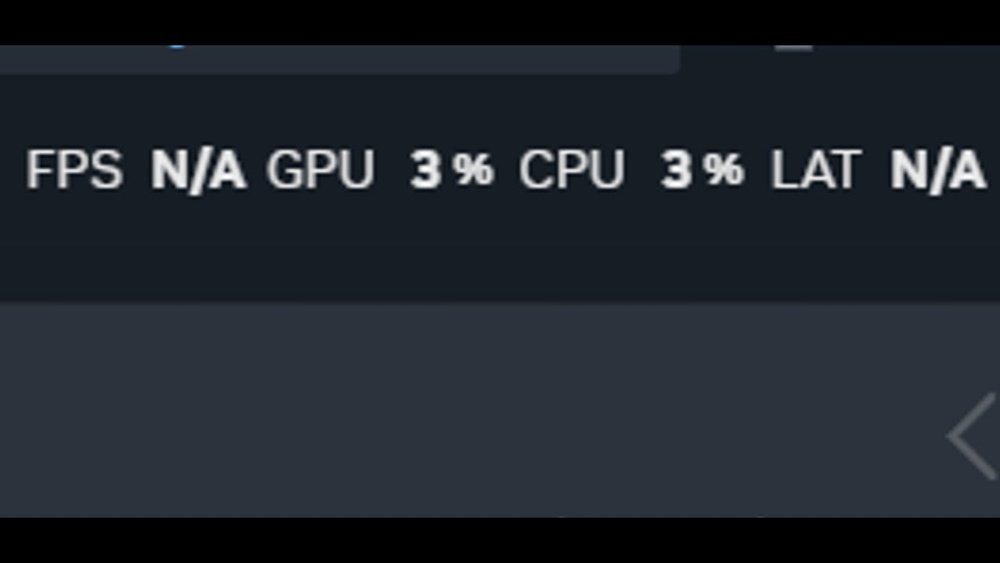
How to Get Rid of Fps Gpu Cpu Lat: Ultimate Fixes for Lag-Free Gaming
Are you tired of your games lagging or freezing just when the action heats up? If your FPS, GPU, or CPU lag is holding you back, you’re not alone—and there’s a way to fix it.
Imagine smoother gameplay, faster response times, and no more frustrating delays. You’ll discover simple and effective steps to get rid of FPS, GPU, and CPU lag. Keep reading, because the solution to your gaming problems is closer than you think.
Causes Of Fps, Gpu, And Cpu Lag
FPS, GPU, and CPU lag happen for many reasons. These slowdowns affect your computer’s performance and your gaming experience. Understanding the causes helps you fix these issues faster. This section covers the main reasons behind lag.
Hardware Limitations
Old or weak hardware struggles to run new games. The CPU or GPU may not have enough power. Low RAM can also cause slow performance. Hardware that can’t keep up leads to lag and stutters.
Software Conflicts
Some programs clash with game files or drivers. Conflicting software can slow down your CPU or GPU. This causes the system to freeze or drop frames. Running incompatible software harms performance.
Overheating Issues
Heat slows down your CPU and GPU to avoid damage. Poor cooling makes the system throttle speed. Dust or blocked fans increase temperature. Overheating causes sudden drops in FPS and lag.
Background Processes
Many apps running in the background use CPU and memory. These processes reduce resources available for games. Updates, antivirus scans, or downloads slow down your computer. Too many background tasks cause lag.
Driver Problems
Outdated or corrupt drivers affect GPU and CPU efficiency. Bad drivers cause crashes, freezes, and poor performance. Updating drivers fixes bugs and improves speed. Proper drivers are essential to reduce lag.

Credit: www.youtube.com
Optimizing Hardware Performance
Optimizing hardware performance plays a key role in reducing FPS, GPU, and CPU lag. Improving your computer’s hardware helps games run smoother and faster. This section explains simple steps to enhance your system’s power without too much hassle.
Upgrading Gpu And Cpu
The GPU and CPU are the heart of your computer’s speed. Upgrading to newer models boosts processing power and graphics quality. A better GPU handles complex visuals quickly. A faster CPU manages game logic and tasks smoothly. Both upgrades reduce lag and increase frame rates in games.
Increasing Ram
RAM stores temporary data for quick access. More RAM lets your computer handle larger game files easily. It prevents slowdowns during heavy gameplay. Increasing RAM improves multitasking and overall system response. Aim for at least 8GB or more for modern games.
Using Ssds For Faster Load Times
SSDs read and write data faster than traditional hard drives. Installing games on SSDs cuts loading times significantly. This speed reduces stutters and lag spikes during play. An SSD also helps your system start up faster and run smoother.
Proper Cooling Solutions
Overheating causes your GPU and CPU to slow down. Proper cooling keeps your hardware at safe temperatures. Use quality fans, heatsinks, or liquid cooling systems. Regular cleaning of dust improves airflow. Cooler hardware runs efficiently and prevents lag caused by thermal throttling.
Tweaking Software Settings
Tweaking software settings can improve your FPS, GPU, and CPU latency. Small changes in your system and game settings help your PC run smoother. These tweaks reduce lag and make games more responsive. Focus on key areas to get the best results.
Adjusting In-game Graphics
Lowering graphics settings reduces the load on your GPU and CPU. Turn off shadows, lower texture quality, and reduce resolution. These changes increase FPS and reduce lag. Use presets like “Medium” or “Low” for better performance. Avoid ultra settings on older hardware.
Updating And Rolling Back Drivers
Keep your GPU and CPU drivers up to date for best performance. New drivers fix bugs and improve speed. Sometimes, a new driver causes issues. Rolling back to a previous version can solve problems. Check official sites for trusted driver versions.
Configuring Power Settings
Set your PC’s power plan to “High Performance” mode. This gives your CPU and GPU more power for gaming. Avoid “Power Saver” or balanced modes. These modes limit performance to save energy. Adjust settings in Windows Control Panel or system preferences.
Disabling Unnecessary Background Apps
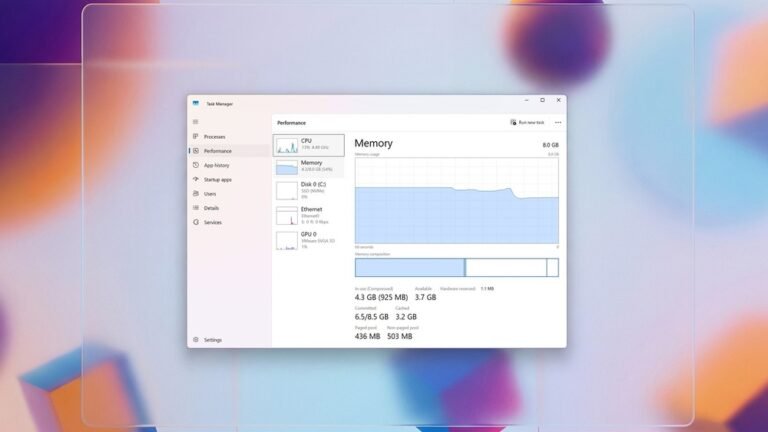
Close apps running in the background to free CPU and memory. Background apps use resources that games need. Use Task Manager to find and stop these apps. Disable startup programs that slow down your PC. This improves game speed and reduces latency.

Credit: www.reddit.com
Network And Latency Improvements
Improving network and latency is key to better FPS, GPU, and CPU performance. Network delays cause lag and slow down your gameplay. Lower latency means faster response times and smoother gaming.
Focus on your internet setup and connection quality. Small changes can reduce lag and improve your experience. Use the right hardware and settings to cut down network delays.
Choosing The Right Internet Connection
Select an internet plan with high speed and low ping. Fiber optic is best for fast and stable connections. Avoid satellite or DSL if possible; they often have higher latency. Check your provider’s reputation for gaming performance.
Reducing Network Lag
Close other apps using the internet during gameplay. Limit downloads and uploads that consume bandwidth. Use game servers closer to your location for less delay. Restart your modem regularly to refresh your connection.
Using Ethernet Over Wi-fi
Wired connections are faster and more stable than Wi-Fi. Ethernet cables reduce packet loss and interference. Use a quality cable like Cat5e or Cat6 for better speeds. Avoid wireless signals that can drop or slow down.
Optimizing Router Settings
Update your router’s firmware for improved performance. Enable Quality of Service (QoS) to prioritize gaming traffic. Place the router in an open, central spot in your home. Use 5 GHz band for faster wireless speed if Ethernet is not an option.
Advanced Fixes And Tools
Advanced fixes and tools help reduce FPS drops and latency in games. These methods target the root of GPU and CPU lag. They improve performance by optimizing hardware and software settings. This section covers key techniques for serious gamers and tech enthusiasts.
Using Performance Monitoring Software
Performance monitoring software tracks your CPU and GPU usage. It shows real-time data on temperature, clock speed, and memory. This helps identify bottlenecks causing lag or low FPS. Popular tools include MSI Afterburner, HWMonitor, and GPU-Z. Use these apps to spot problems and adjust settings to improve gameplay.
Overclocking Safely
Overclocking increases CPU or GPU speed beyond factory limits. This boosts game performance but carries risks like overheating. Increase clock speeds gradually and test stability after each step. Use reliable software like MSI Afterburner or AMD Ryzen Master. Always monitor temperatures to avoid damage. Proper cooling is essential during overclocking.
Cleaning And Maintaining Hardware
Dust buildup causes overheating and reduces hardware efficiency. Clean your PC regularly to keep components cool. Use compressed air to blow dust from fans, vents, and heatsinks. Check thermal paste on CPU and GPU for dryness or cracks. Replace if necessary. Well-maintained hardware runs faster and lasts longer.
Resetting Game And System Settings
Resetting settings can fix lag caused by improper configurations. Restore game graphics to default for a fresh start. Lower resolution or disable demanding features like shadows and anti-aliasing. Also, reset system power plans to balanced or high performance. This ensures your PC allocates resources properly during gameplay.

Credit: www.reddit.com
Frequently Asked Questions
What Causes High Fps, Gpu, And Cpu Latency?
High latency often results from outdated drivers, overheating, or insufficient hardware resources. Background applications also increase latency. Optimizing software and hardware can reduce these delays and improve performance.
How Can I Lower Gpu Latency Effectively?
To lower GPU latency, update drivers regularly and optimize game settings. Reducing resolution and disabling unnecessary features help. Also, ensure proper cooling to prevent thermal throttling.
What Steps Reduce Cpu Latency During Gaming?
Close unused programs and update CPU drivers to reduce latency. Adjust power settings for maximum performance. Upgrading CPU or increasing RAM also improves responsiveness.
Does Upgrading Hardware Improve Latency Issues?
Yes, upgrading to a faster CPU, GPU, or adding more RAM significantly reduces latency. New hardware processes data quicker, enhancing FPS and overall gaming experience.
Conclusion
Fixing FPS, GPU, and CPU lag improves your gaming experience. Simple steps like updating drivers and closing background apps help a lot. Check your system’s temperature and clean dust to avoid overheating. Lowering game settings can also boost performance. Regular maintenance keeps your PC running smooth and fast.
Enjoy games without delays and frustration. Keep these tips handy for better play every time.