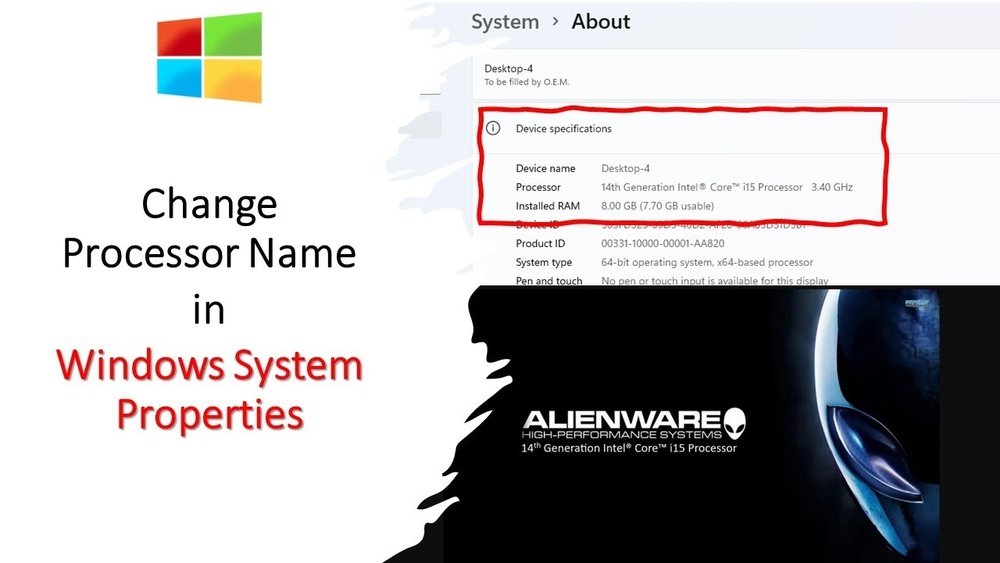
How to Change Cpu Name: Easy Steps to Customize Your Device
Have you ever wanted your computer’s CPU to show a custom name instead of the usual model number? Changing your CPU name might sound tricky, but it’s simpler than you think.
Whether you want to personalize your system or make it easier to identify, this guide will walk you through the exact steps to do it quickly and safely. Keep reading, and you’ll discover how to make your CPU name truly yours in just a few easy moves.

Credit: www.youtube.com
Why Change Your Cpu Name
Changing your CPU name may seem small but it can make a big difference. It helps you spot your device easily. Especially in places with many devices, a clear name saves time. It also adds a personal touch to your computer. Knowing why to change your CPU name helps you decide if it fits your needs.
Benefits Of Customizing Device Name
Customizing your CPU name makes device management easier. It helps you find your computer fast on a network. This is useful at work or home with many devices. A unique name prevents confusion with others. It also helps in troubleshooting problems remotely. Personal names make your device feel more yours. It can reflect your style or purpose.
Common Reasons For Renaming Cpu
Many rename their CPU to organize devices better. Businesses rename computers to match employee names or roles. Some do it after buying a used PC to remove old info. Others want a fun or memorable name instead of a default one. Renaming also helps with security by avoiding generic names. It can stop hackers from guessing device details easily.
Check Current Cpu Name
Knowing your CPU name helps in managing your computer better. It tells you about the processor inside your device. This knowledge is useful for software updates and hardware compatibility. Checking the CPU name is simple and quick.
Methods On Windows
Press Windows + R to open the Run box. Type dxdiag and press Enter. A window appears showing system info. Look for the “Processor” entry. This shows your CPU name clearly.
You can also open Task Manager by pressing Ctrl + Shift + Esc. Click the “Performance” tab. Select “CPU” on the left side. The CPU name appears at the top right.
Methods On Mac
Click the Apple icon on the top-left corner. Select “About This Mac.” A window opens with system details. The CPU name is listed next to “Processor.”
Alternatively, open “System Report” from the same window. Click “Hardware” in the sidebar. The CPU information is available here too.
Methods On Linux
Open the Terminal application. Type lscpu and press Enter. The terminal shows detailed CPU info. Look for “Model name” to find your CPU name.
Another method is typing cat /proc/cpuinfo. This command lists all CPU details. Find the “model name” line for the CPU name.
Rename Cpu On Windows
Changing the CPU name on Windows helps personalize your computer. It makes your device easier to identify on a network. This guide shows simple ways to rename your CPU. You can use System Properties, Command Prompt, or PowerShell. Each method is quick and works well on most Windows versions.
Using System Properties
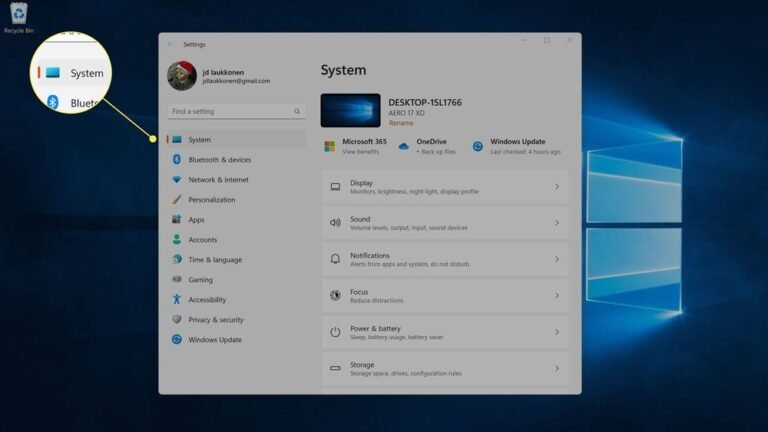
Open the Start menu and search for “System.”
Find and click “Rename this PC” under Device specifications.
Type your new CPU name in the box that appears.
Click “Next” and then restart your computer to save changes.
Using Command Prompt
Press Windows + R keys to open the Run dialog.
Type “cmd” and press Enter to open Command Prompt.
Enter this command: wmic computersystem where name="%computername%" call rename name="NewName"
Replace NewName with your desired CPU name.
Restart your computer to apply the new name.
Using Powershell
Right-click Windows PowerShell and select “Run as administrator.”
Replace NewName with your chosen CPU name.
Press Enter, then restart your PC to finish the process.
Rename Cpu On Mac
Changing the CPU name on a Mac helps identify your computer easily. This is useful when you have many devices on the same network. Renaming your Mac’s CPU is simple and can be done in two main ways.
Both methods are straightforward and do not need advanced skills. Choose the one that fits your comfort level.
Changing Computer Name In System Preferences
Open System Preferences from the Apple menu. Click on “Sharing” to open the sharing settings. At the top, you will see the “Computer Name” field.
Click inside the field and type the new name you want for your Mac. Close System Preferences to save the changes. Your Mac will now show the new name on the network.
Using Terminal Commands
Open the Terminal app from the Utilities folder. Type the command sudo scutil --set ComputerName "NewName". Replace “NewName” with your desired CPU name.
Press Enter and enter your administrator password. This changes the computer name immediately. You can also change the local hostname with sudo scutil --set LocalHostName "NewName".
Close Terminal. Your Mac’s new CPU name is now active and visible to other devices.
Rename Cpu On Linux
Changing the CPU name on Linux helps identify your device on networks. It also makes managing multiple machines easier. The process involves changing the hostname, which is the system’s name recognized by Linux and other devices.
Linux offers simple ways to rename the CPU. You can edit system files directly or use terminal commands. Both methods work well and require only basic commands.
Editing Hostname File
The hostname file stores the current name of your CPU. To change it, open this file with a text editor like nano or vim. The file is located at /etc/hostname.
First, open the terminal and run: sudo nano /etc/hostname. Delete the old name and type the new one. Save the file and exit the editor.
Next, edit the /etc/hosts file to reflect the new hostname. Replace the old name with your new name in this file. This step ensures proper network functionality.
After editing both files, restart your computer or run sudo systemctl restart systemd-logind to apply the changes.
Using Terminal Commands
You can also rename the CPU directly using terminal commands. The hostnamectl command is the easiest way.
Open the terminal and type: sudo hostnamectl set-hostname new-name. Replace new-name with your chosen hostname.
This command changes the hostname immediately without editing files manually. It also updates the necessary system settings automatically.
To check the new hostname, type hostnamectl status. This shows the current system name and related info.

Credit: www.reddit.com
Troubleshooting Common Issues
Changing your CPU name might seem easy, but some issues can appear. Troubleshooting common problems helps you fix errors fast. This section explains how to handle typical troubles during the CPU name change process.
Name Not Updating
Sometimes, the new CPU name does not show after restarting. The system might cache the old name. Clear the cache or restart your computer again. Check if you followed the steps correctly. Use the proper tool or command for your operating system.
Permission Errors
Permission errors block CPU name changes often. You need administrator rights to make this change. Run the tool or command as an administrator. On Windows, right-click and select “Run as administrator.” On Linux, use sudo before the command.
Reverting Changes
Your CPU name may revert after an update or reboot. Some systems reset custom names automatically. Save your settings in system configuration files. Make sure no software conflicts with your changes. Repeat the process if needed after updates.
Tips For Choosing A Cpu Name
Choosing the right CPU name is important for easy identification. A clear and simple name helps you find your CPU quickly. It also avoids confusion with other devices. Use these tips to pick a good CPU name that fits your needs.
Keep It Simple
Use short and easy words for your CPU name. Simple names are easier to remember and type. Avoid long or complex names that cause mistakes. Stick to basic letters and numbers only.
Avoid Special Characters
Do not use symbols like !, @, , or spaces in the name. Special characters can cause errors in some systems. They may not show correctly on all devices. Choose letters and numbers only for smooth use.
Make It Unique
Pick a name that no one else uses on your network. Unique names prevent conflicts between devices. Add numbers or a short code to make it different. This helps you find the CPU without mixing it up.
Credit: www.mstechpages.com
Frequently Asked Questions
How Can I Change My Cpu Name In Windows?
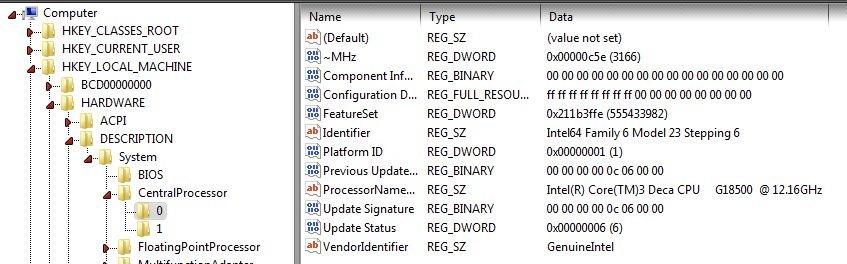
You can change your CPU name by editing the system registry or using third-party software. Always back up your data before making changes. This helps personalize your device identity for easier recognition on networks.
Is Renaming The Cpu Safe For My System?
Yes, renaming the CPU is generally safe if done correctly. Avoid altering other system files. Incorrect changes may cause system errors or instability. Always follow trusted guides and create backups beforehand.
Will Changing The Cpu Name Affect Performance?
No, changing the CPU name does not impact system performance. It only alters the display name seen in system info. Your hardware and processing power remain unaffected by this cosmetic change.
Can I Rename Cpu On Mac Or Linux?
Yes, on Mac or Linux, CPU name changes require different steps. Usually, you modify system settings or use terminal commands. Always consult OS-specific guides to safely rename your CPU information.
Conclusion
Changing your CPU name is simple and quick. Just follow the steps carefully. You can customize your computer to fit your style. This small change makes your device feel more personal. Always back up your data before making changes. Enjoy using your updated CPU name every day.
Keep learning new tips to improve your PC experience. Your computer reflects your personality in many ways. Try this easy trick and see the difference yourself.