How to Make a Cpu Wireless: Easy Steps for Ultimate Freedom
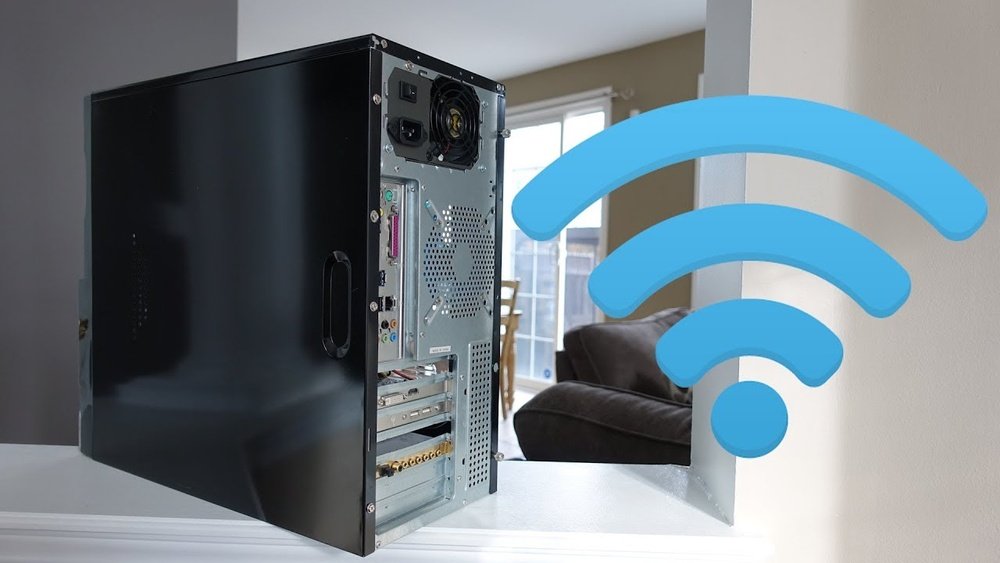
Imagine your CPU working without tangled wires holding you back. Wouldn’t it be amazing to have a cleaner, more flexible workspace?
You might think making your CPU wireless is complicated or expensive, but it’s easier than you expect. You’ll discover simple steps to cut the cords and enjoy the freedom of wireless computing. Ready to transform your setup and boost your productivity?
Keep reading, because what you’re about to learn will change how you use your computer forever.
Benefits Of A Wireless Cpu
Making a CPU wireless offers several clear benefits. It changes how you use your computer and your workspace. The freedom from cables improves daily tasks and comfort. Wireless CPUs bring more flexibility and ease to any setup.
Enhanced Mobility
A wireless CPU lets you move your computer easily. You can shift your device without unplugging cables. This freedom helps in cleaning or changing your desk. It also supports working from different spots without hassle.
Reduced Cable Clutter
Wireless CPUs cut down on messy cables around your desk. Fewer wires mean less chance of tangling or damage. A cleaner workspace helps you focus better on your work. It also makes your area look neat and organized.
Flexible Workspace Setup
Wireless setups allow you to arrange your workspace freely. You can position your CPU where it fits best. This flexibility suits small or shared rooms well. Changing your desk layout becomes simple and quick.

Credit: softwareg.com.au
Essential Wireless Components
Making a CPU wireless needs some key parts. These parts help the CPU connect without wires. Each part plays a special role in the wireless setup. Understanding these parts helps you build a better wireless system.
Wireless Network Adapter
A wireless network adapter links the CPU to Wi-Fi. It sends and receives data through the air. Many CPUs do not have built-in adapters. You can add one using USB or PCI slots. Choose an adapter that supports the latest Wi-Fi standards. This ensures fast and stable connections.
Bluetooth Modules
Bluetooth modules allow the CPU to connect to other devices. These include keyboards, mice, and speakers. Bluetooth works over short distances. It uses low power and is easy to set up. Many motherboards have built-in Bluetooth. If not, you can add a USB Bluetooth dongle.
Wireless Power Solutions
Wireless power means charging or powering the CPU without cables. It uses magnetic fields to transfer energy. This technology is common in small devices. For CPUs, wireless power is still new and rare. Some kits allow limited wireless charging for parts. These solutions reduce clutter and improve mobility.
Setting Up Wireless Internet
Setting up wireless internet on your CPU frees you from cables. It allows easy access to the internet from anywhere in your room. This section covers key steps to get your CPU connected wirelessly.
Choosing The Right Wi-fi Adapter
Select a Wi-Fi adapter that matches your CPU’s ports. USB adapters are simple to use and widely compatible. PCIe adapters fit inside the CPU case for a stable connection. Check the adapter’s speed and range to fit your needs. Dual-band adapters support both 2.4 GHz and 5 GHz frequencies for better performance.
Installing And Configuring Drivers
Install drivers to make the Wi-Fi adapter work with your CPU. Use the CD that comes with the adapter or download drivers from the manufacturer’s website. Follow installation prompts carefully. After installation, open network settings to connect to your wireless network. Enter the Wi-Fi password to secure your connection.
Optimizing Signal Strength
Place the CPU near the Wi-Fi router for a strong signal. Avoid walls and large metal objects that block signals. Use a Wi-Fi extender if the signal is weak in your area. Update your router’s firmware to improve connectivity. Regularly check signal strength and move devices if needed for better speed.

Credit: www.youtube.com
Connecting Peripherals Wirelessly
Connecting peripherals wirelessly makes your workspace cleaner and more flexible. It removes the clutter of cables and lets you move devices easily. Wireless connections also help reduce wear and tear on ports and cords.
Many devices now support wireless technology, making them simple to pair with your CPU. This section covers common peripherals you can connect without wires. Learn how to use wireless keyboards, mice, headsets, speakers, printers, and scanners.
Wireless Keyboards And Mice
Wireless keyboards and mice connect through Bluetooth or a USB dongle. Bluetooth devices pair directly with your CPU’s Bluetooth adapter. USB dongles plug into your computer and create a private wireless link.
These devices offer freedom to move without cable limits. They reduce desk clutter and improve comfort. Battery life varies, so check usage time before buying. Most models support easy pairing and quick setup.
Bluetooth Headsets And Speakers
Bluetooth headsets and speakers provide wireless audio for calls and music. Your CPU must have Bluetooth enabled to connect. Pairing is fast and requires few steps.
Headsets free you from wires during calls and video chats. Speakers offer better sound without tangled cables. Check device compatibility and range to ensure steady connection. They often support multiple devices for easy switching.
Wireless Printers And Scanners
Wireless printers and scanners connect through Wi-Fi or Bluetooth. Wi-Fi models link to your home or office network. This lets multiple devices print or scan without cables.
Bluetooth printers connect directly to the CPU for quick tasks. Wireless printing and scanning save space and allow flexible placement. Setup usually involves installing drivers and connecting to your network. Choose models with good range and clear instructions.
Powering Your Cpu Without Cables
Powering your CPU without cables frees up space and reduces clutter. It allows you to place your computer anywhere without the worry of tangled wires. Wireless power solutions bring convenience and flexibility to your workspace.
Several options exist to keep your CPU running smoothly without a direct power cable. Understanding these options helps you pick the best fit for your needs.
Battery Options For Cpus
Some CPUs can run on external batteries. These batteries store energy and supply power to the CPU. They come in various sizes and capacities. Larger batteries last longer but weigh more. Smaller ones are light but need frequent charging. Choose a battery that matches your CPU’s power needs.
Wireless Charging Technologies
Wireless charging uses electromagnetic fields to transfer power. Place your CPU near a charging pad to charge without cables. This method works best for low-power devices but is improving for bigger machines. It offers a neat way to keep your CPU powered without plugging in.
Portable Power Banks
Power banks are handy for mobile CPUs. They store electricity and can charge devices on the go. Many power banks have USB ports compatible with CPUs. Pick a power bank with enough output to support your CPU’s power needs. They are easy to carry and recharge.
Troubleshooting Common Issues
Troubleshooting common issues helps keep your wireless CPU setup running smooth. Problems can arise from many sources. Knowing how to fix them saves time and frustration.
Connectivity Problems
Check if your wireless adapter is properly installed. Restart the device to reset connections. Make sure drivers are up to date. Reconnect to the correct network. Weak signals may cause drops. Move closer to the router to test connection strength.
Power Management Tips
Wireless devices may turn off to save power. Change settings to prevent this. Use your computer’s power options to disable sleep mode for network adapters. Keep your CPU plugged in during use. Avoid battery saver modes that limit wireless functions.
Interference And Signal Drops
Other electronics can interfere with wireless signals. Microwaves, cordless phones, and Bluetooth devices cause issues. Place your CPU and router away from these devices. Try changing the wireless channel on your router. Use a signal booster if needed.
Future Trends In Wireless Computing
The future of wireless computing is exciting and full of promise. Technology is moving fast to make CPUs more flexible and wireless. This change will improve how we use computers every day. Wireless computing will become more common, helping devices connect and work without wires. New trends will shape this future.
Advancements In Wireless Power
Wireless power is improving quickly. New methods will charge CPUs without cables. This means less clutter and more freedom. Small devices will run longer without plugs. Power will transfer safely and efficiently. This change helps wireless CPUs stay active anywhere.
5g And Beyond For Cpus
5G networks offer faster speeds and low delay. CPUs will connect instantly to the internet. This helps in streaming, gaming, and working remotely. Future networks, like 6G, will be even better. They will support more devices and smoother connections. CPUs will rely on these networks for better performance.
Emerging Wireless Standards
New wireless standards are being created for CPUs. These rules make sure devices communicate well. Standards like Wi-Fi 6 and Bluetooth improve speed and range. Future standards will support more data and lower energy use. They help CPUs connect easily and safely to other devices.

Credit: prismplus.sg
Frequently Asked Questions
How Can I Make My Cpu Wireless?
You can make your CPU wireless by using Wi-Fi adapters or wireless USB hubs. These devices connect your CPU to the internet or peripherals without cables.
What Tools Are Needed For A Wireless Cpu Setup?
You need a wireless network adapter, compatible drivers, and possibly a wireless USB hub. These ensure smooth wireless connectivity for your CPU.
Can All Cpus Support Wireless Connectivity?
Most modern CPUs support wireless connectivity with the right adapters. Older CPUs may require external wireless devices to enable wireless functions.
Is Wireless Cpu Setup Secure?
Wireless setups can be secure if you use strong encryption like WPA3. Always update your device firmware and use secure passwords to protect data.
Conclusion
Making a CPU wireless can free your workspace from clutter. It lets you connect devices without cables. You only need a few simple tools and steps. Wireless CPUs offer more flexibility and ease. Keep your devices charged and within range.
Test your setup to ensure it works well. This approach suits many users and setups. Enjoy the clean look and practical use. Wireless technology keeps evolving and getting better. Try it yourself and feel the difference.