How to Tell If Cpu is Bottlenecking Gpu: Easy Steps to Diagnose
Have you ever noticed your games or programs not running as smoothly as they should, even though you have a powerful graphics card? It might be your CPU holding things back.
Knowing if your CPU is bottlenecking your GPU is key to getting the performance you expect. You’ll learn simple ways to spot this issue and what to do about it. Keep reading, because understanding this can save you time, money, and frustration.
Your system’s true potential is waiting—let’s uncover it together.
Credit: totalplumbingfl.com
Signs Of Cpu Bottleneck
Signs of a CPU bottleneck show when the processor limits your graphics card’s performance. This can cause slow gameplay and poor visuals. Detecting these signs helps improve your computer’s balance and gaming experience.
Identifying a CPU bottleneck early can save time and money. It points out which part needs an upgrade or adjustment. Below are common signs that your CPU might be holding back your GPU.
Low Cpu Usage With High Gpu Load
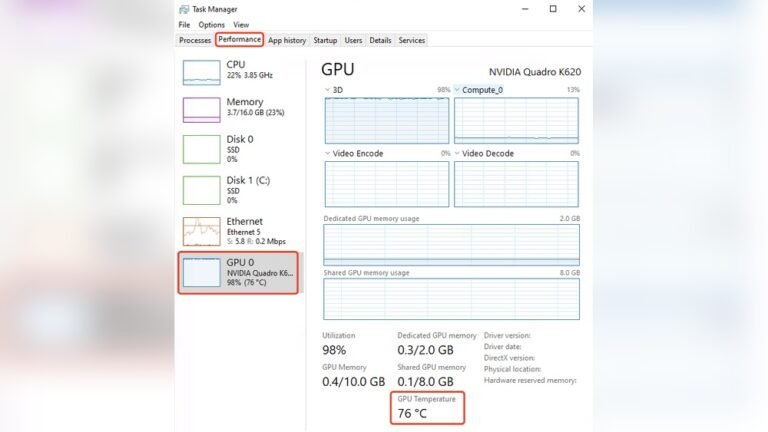
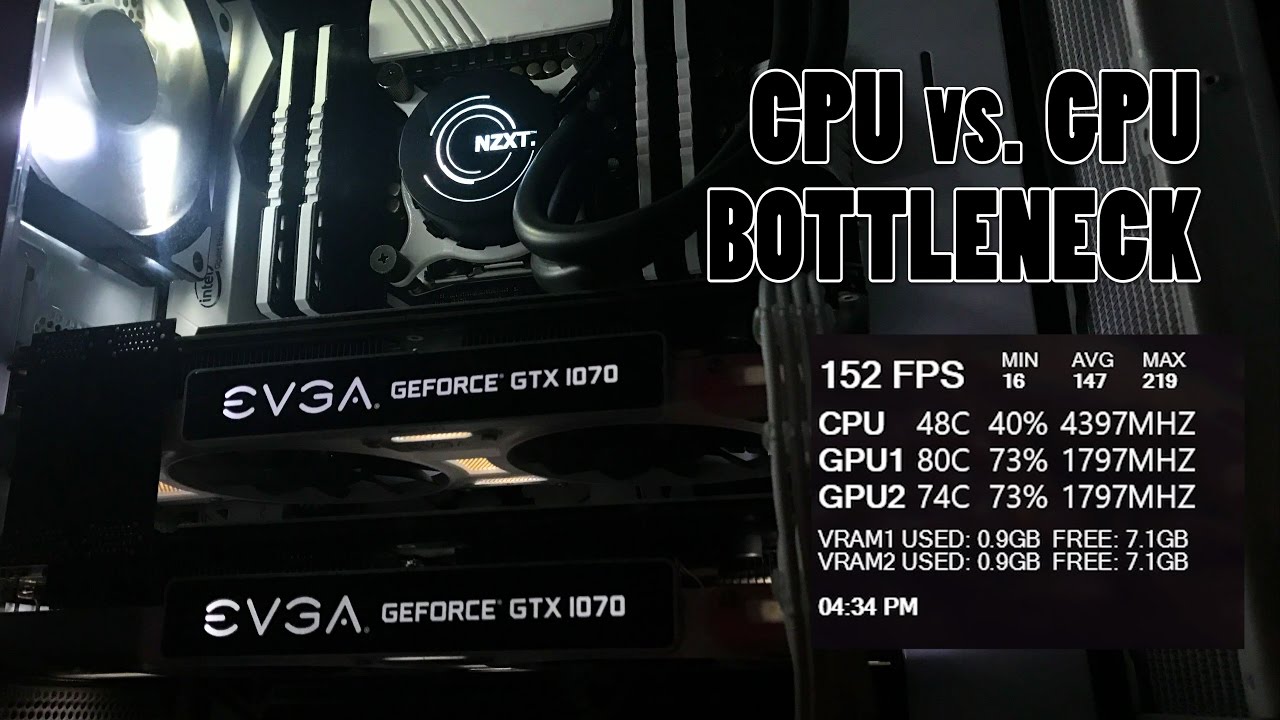
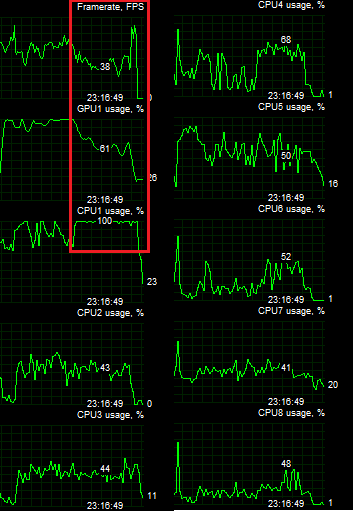
Low CPU usage while the GPU works hard can mean a bottleneck. Your processor is not providing enough data fast enough. The GPU waits for the CPU, losing potential power. Check your system’s task manager for these usage patterns.
Frame Rate Drops And Stuttering
Frame rate drops and stuttering often show a CPU bottleneck. The processor struggles to keep up with the game’s demand. Frames do not render smoothly, causing choppy visuals. This interrupts your gameplay and reduces enjoyment.
Performance Imbalance In Games
Some games run slower despite a strong GPU. This imbalance hints the CPU is the weak link. You may see high GPU temperature but low CPU activity. Games relying heavily on CPU power reveal this issue most clearly.
Credit: www.youtube.com
Monitoring Tools To Use
Understanding whether your CPU is slowing down your GPU is key to better gaming and computing. Monitoring tools help you check your computer’s performance in real time. These tools show how much your CPU and GPU are working. You can find out if your CPU is holding back your GPU by watching these numbers. Here are some useful tools to monitor your system’s performance.
Task Manager And Resource Monitor
Task Manager is built into Windows and easy to open. It shows CPU and GPU usage side by side. You can see if the CPU is running at 100% while the GPU is much lower. This difference suggests a bottleneck. Resource Monitor gives more details about CPU usage. It breaks down which apps use the most CPU power. These tools are free and quick to use for basic monitoring.
Third-party Software Options
Third-party software can provide deeper insights than built-in tools. Programs like MSI Afterburner and HWMonitor show detailed CPU and GPU stats. They track temperatures, clock speeds, and usage percentages. These apps offer customizable graphs to watch performance over time. They help spot bottlenecks by showing if the CPU maxes out before the GPU. Many of these tools are free and easy to install.
Benchmarking Utilities
Benchmarking utilities test your CPU and GPU under heavy loads. Tools like 3DMark and Cinebench push your hardware to the limit. They score your system’s performance and compare it to others. If your CPU score is much lower than your GPU score, it points to a bottleneck. These tests give clear data on how well your components work together. Use benchmarking to check system balance after upgrades or changes.
Step-by-step Diagnosis
Diagnosing whether your CPU is bottlenecking your GPU helps improve gaming performance. This process shows if the CPU limits the GPU’s full potential. Follow simple steps to check and compare the hardware usage and game performance.
Check Cpu And Gpu Usage During Gameplay
Use software like Task Manager or MSI Afterburner. Run a game and watch CPU and GPU usage percentages. High CPU usage near 100% and low GPU usage means CPU limits the GPU. Balanced usage shows no bottleneck. This step gives a clear picture of hardware load.
Compare Frame Rates With Different Settings
Lower game settings reduce GPU load but keep CPU load similar. If frame rates improve a lot at lower settings, the CPU might be the bottleneck. If frame rates do not improve much, the GPU could be the limit. This test helps identify which part slows down the game.
Test With Cpu-intensive And Gpu-intensive Games
Try games that need more CPU power, like strategy or simulation games. Then try fast-paced, graphics-heavy games that rely on the GPU. If CPU-heavy games slow down much more, CPU might be the bottleneck. If GPU-heavy games lag, the GPU could be the issue. Comparing both types reveals the weaker component.
Fixing Cpu Bottlenecks
Fixing CPU bottlenecks can improve your computer’s gaming and overall performance. A CPU bottleneck happens when the processor limits the graphics card’s ability. This causes lower frame rates and stuttering in games. There are simple ways to reduce or fix this issue without buying new parts immediately.
Adjusting Game Settings
Lowering game settings can reduce CPU load. Turn off or reduce details like shadows, draw distance, and crowd density. These settings demand more from the CPU. Reducing them helps the processor run smoother and faster. Focus on settings that impact CPU, not just graphics quality. This can balance the work between CPU and GPU.
Upgrading Cpu Or Overclocking
Upgrading to a stronger CPU can solve bottlenecks. Choose a processor with more cores or higher speed. This gives the GPU room to perform better. Overclocking is another option to boost CPU speed. Increase the clock rate carefully to avoid overheating or damage. Both methods improve the CPU’s ability to keep up with the GPU.
Optimizing Background Processes
Close unnecessary programs running in the background. These programs use CPU power and slow down games. Use task manager to identify and stop heavy processes. Disable startup programs that are not needed. Keeping the CPU free helps reduce bottlenecks. This simple step can improve game smoothness and responsiveness.
Preventing Future Bottlenecks
Preventing future bottlenecks between your CPU and GPU helps keep your system running smoothly. It avoids slowdowns and ensures better performance in games and applications. Small changes in your setup can make a big difference over time.
Balancing System Components
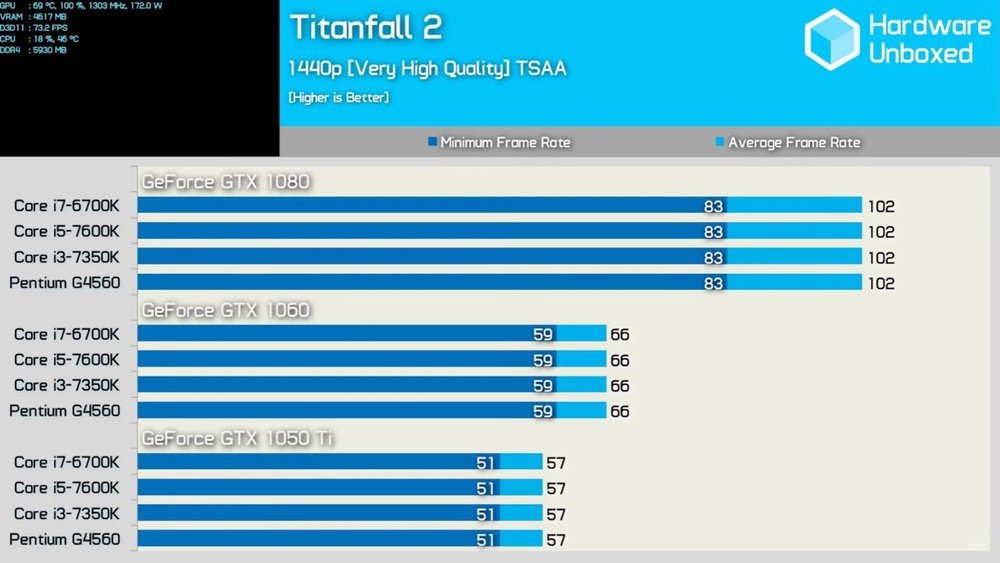
Choose a CPU and GPU that work well together. Avoid pairing a very old CPU with a new GPU or vice versa. Balanced parts reduce the chance of one part holding back the other. Check benchmarks and reviews before buying new hardware.
Regular Hardware Upgrades
Update your CPU, GPU, and RAM as needed. Technology changes fast, and older parts can limit your system. Upgrading regularly keeps your PC ready for new software and games. Even small upgrades can improve overall performance.
Keeping Drivers And Software Updated
Install the latest drivers for your CPU and GPU. Updated drivers fix bugs and improve compatibility. Keep your operating system and games up to date too. This helps your system run better and avoid bottlenecks caused by outdated software.
Credit: blog.logicalincrements.com
Frequently Asked Questions
How Do I Check If Cpu Bottlenecks Gpu?
Use monitoring tools like MSI Afterburner to track CPU and GPU usage. If CPU usage is consistently at 100% while GPU usage is low, your CPU is likely bottlenecking your GPU.
What Are Common Signs Of Cpu Bottleneck?
Common signs include low GPU usage, high CPU usage, and stuttering in games. Frame rates may be lower than expected despite having a powerful GPU.
Can Upgrading Cpu Fix Gpu Bottleneck?
Yes, upgrading to a faster CPU with more cores can reduce bottlenecks. This allows your GPU to perform at its full potential.
Is Cpu Or Gpu Bottleneck More Common In Gaming?
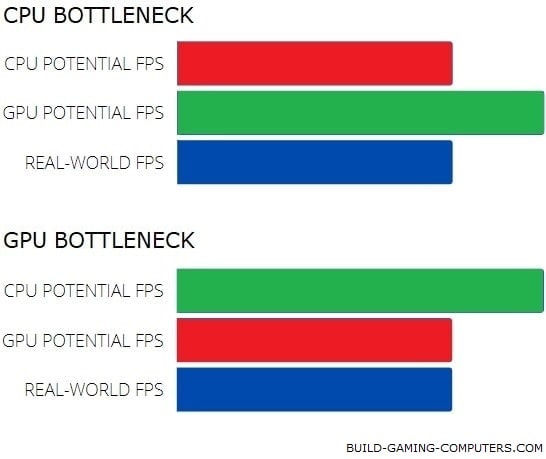
CPU bottlenecks are common in CPU-intensive games or when using older processors. GPU bottlenecks happen with high-end GPUs paired with weaker CPUs.
Conclusion
Knowing if your CPU limits your GPU helps improve your PC’s performance. Test games or use software to check for bottlenecks. Watch for low frame rates or stuttering. Upgrading the weaker part boosts smooth gameplay. Balance matters. A strong GPU needs a good CPU to work well.
Fixing bottlenecks saves money and time. Keep your system running fast and steady. Simple checks can make a big difference. Stay patient and methodical in your approach. Your gaming or work experience will thank you.