

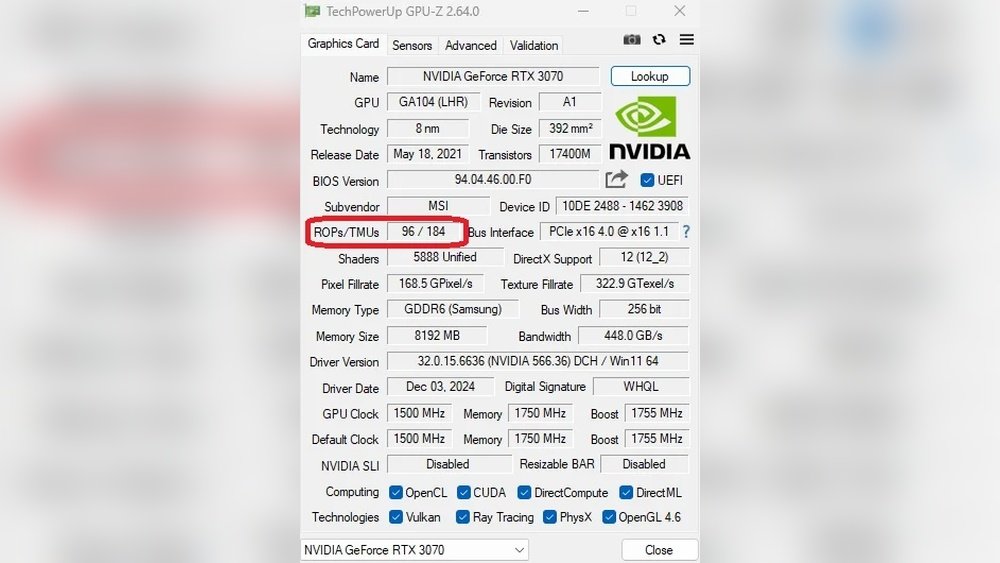
Are you curious about how to check your ROPs GPU and understand what those numbers mean for your graphics card’s performance? Whether you’re building a gaming PC or just want to make sure your system runs smoothly, knowing how to find and interpret your GPU’s ROPs can give you a real edge.
This simple guide will walk you through everything you need to know, step by step. Keep reading, and you’ll soon be able to check your ROPs like a pro — no tech jargon or confusion involved.
What Is Rops In Gpus
Understanding ROPS in GPUs helps you learn how your graphics card works. ROPS stands for Render Output Units. These units play a key role in the graphics rendering process.
ROPS handle the final steps of creating images on your screen. They take the processed data and turn it into pixels you see. The number of ROPS in a GPU affects image quality and speed.
What Does Rops Do In A Gpu?
ROPS manage color, depth, and stencil data for each pixel. They combine these elements to create the final image. This process is called rasterization. ROPS also help with anti-aliasing, making edges smoother.
Why Are Rops Important?
More ROPS allow a GPU to process more pixels at once. This means faster rendering and better performance. Games and graphic applications run smoother with higher ROPS counts.
How Rops Affect Gaming And Graphics
ROPS influence frame rates and visual quality. GPUs with more ROPS handle complex scenes better. This results in clearer images and less lag during gameplay.
Credit: www.downloadsource.net
Why Rops Matter For Graphics
ROPs, or Render Output Units, play a key role in graphics processing. They control how pixels are written to the screen. This process affects image quality and performance. Understanding ROPs helps you know how your GPU handles graphics tasks.
Many think only about GPU cores and memory. ROPs are just as important. They finalize the image by blending colors and applying effects. Without enough ROPs, your graphics may look worse or run slower.
What Are Rops In A Gpu?
ROPs are hardware units inside a GPU. They handle the last step of rendering images. This includes writing pixel data to the frame buffer. They also perform operations like blending and anti-aliasing. The number of ROPs affects how fast these tasks complete.
How Rops Affect Graphics Quality
ROPs influence how smooth and clear images appear. More ROPs help with better color blending. They reduce visual glitches like flickering or jagged edges. This improves the overall picture on your screen.
Rops And Gpu Performance
The quantity of ROPs impacts frame rates and speed. GPUs with more ROPs can handle more pixels quickly. This leads to smoother gameplay and faster rendering. Limited ROPs may cause bottlenecks in high-resolution tasks.
Tools To Check Rops Count
Checking the ROPS count on your GPU helps you understand its rendering power. ROPS, or Render Output Units, affect how well your graphics card handles complex images. Several tools make it easy to find this number quickly. These tools range from built-in system apps to specialized third-party programs.
Using Gpu-z
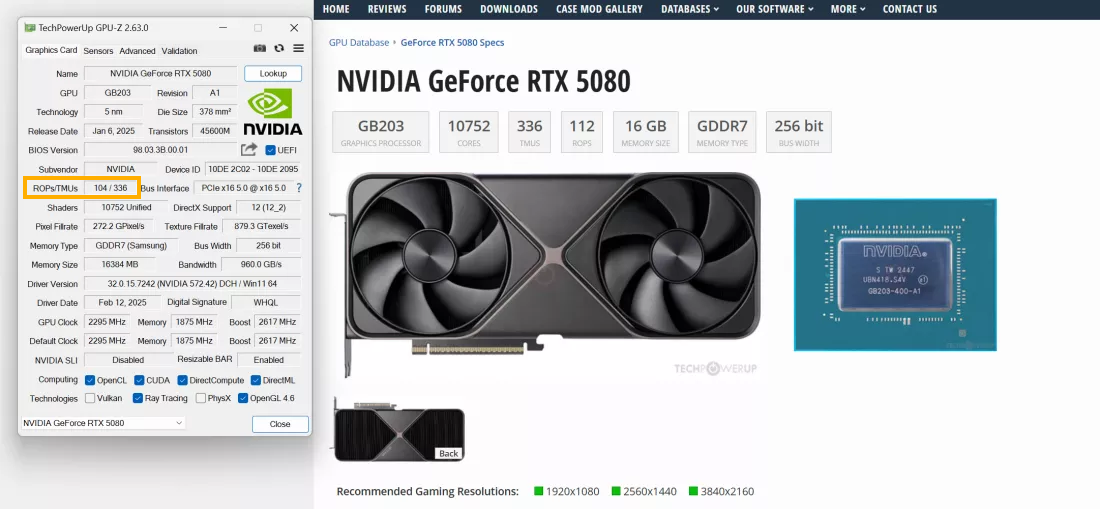
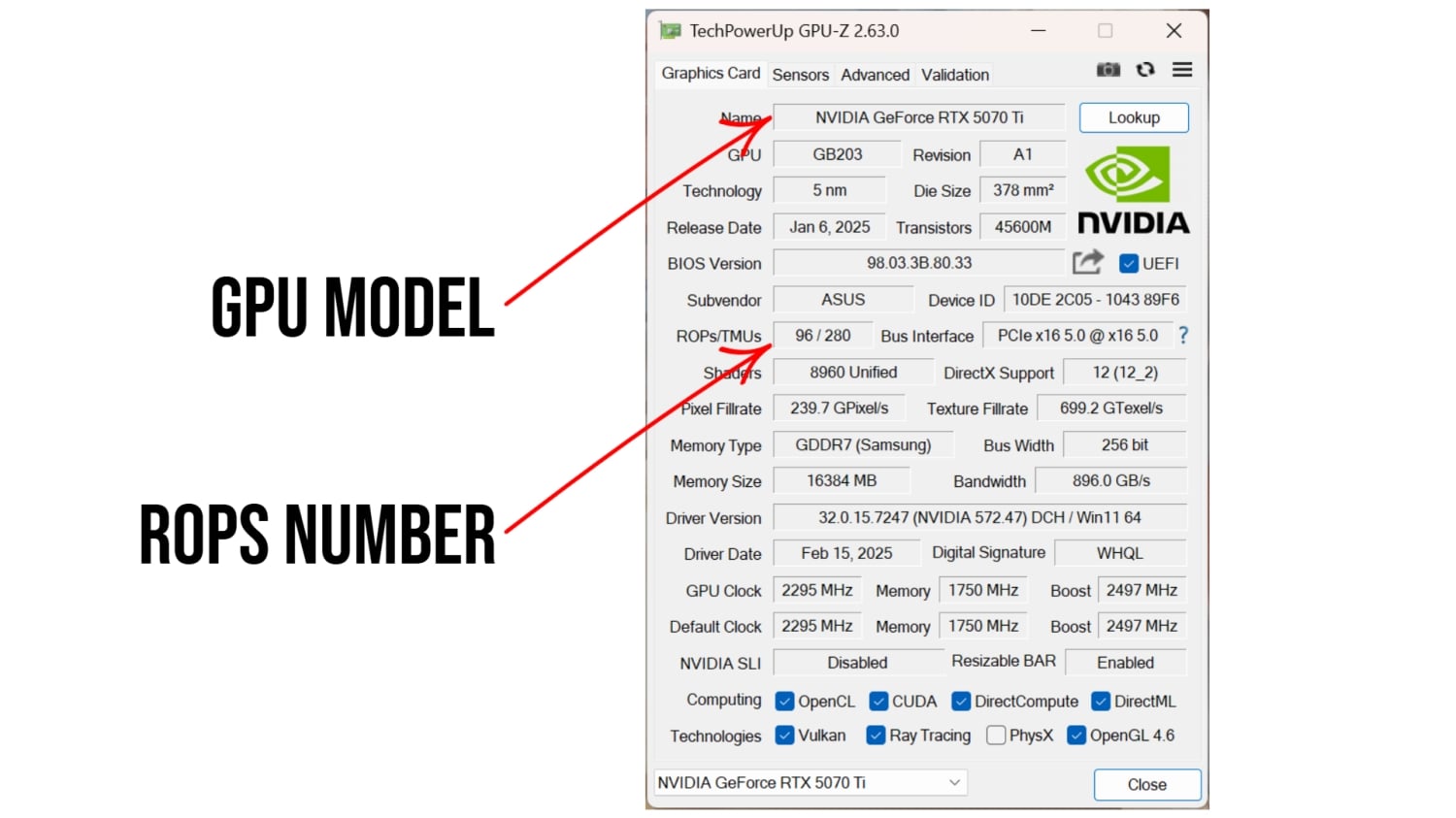
GPU-Z is a popular tool for detailed GPU info. It shows the ROPS count along with other specs like core clock and memory size. Download and install GPU-Z from its official site. Open the program and navigate to the “Graphics Card” tab. Look for “ROPs” or “Render Output Units” in the list. This tool is free and user-friendly for beginners.
Checking With Device Manager
Device Manager can give basic GPU details but not always the ROPS count directly. Open Device Manager by searching it in the start menu. Expand the “Display adapters” section to see your GPU model. Use this model name to search online for the ROPS count. This method requires extra steps but uses built-in Windows features.
Third-party Software Options
Other software tools also show ROPS count clearly. Programs like AIDA64, HWInfo, and Speccy provide in-depth GPU reports. These tools often list ROPS under graphics card specifications. Download and install any trusted program, then open the GPU or video section. These apps offer more data beyond just ROPS, useful for detailed analysis.
Credit: www.tweaktown.com
Step-by-step Guide To Find Rops
Finding the number of Render Output Units (ROPs) on your GPU helps you understand its performance better. This guide shows clear steps to check ROPS using simple tools and methods. Follow along to learn how to get this info quickly.
Launch Gpu Monitoring Tool
First, open a GPU monitoring tool on your computer. Popular tools include GPU-Z, MSI Afterburner, or HWInfo. These programs show detailed information about your graphics card. Download and install one if you don’t have it already. Run the tool and wait for it to detect your GPU.
Locate Rops Information
Next, look for ROPS or Render Output Units in the tool’s interface. It might be listed under GPU specs or architecture details. Some tools display it as “ROPs” or “Raster Operations Pipelines.” Take note of this number. This tells you how many pixels your GPU can process each clock cycle.
Verify With Manufacturer Specs
Finally, check the GPU’s official specifications on the manufacturer’s website. Search for your GPU model and find its detailed specs sheet. Compare the ROPS number with the monitoring tool’s data. This confirms accuracy and helps avoid confusion. Using official specs ensures the data is correct and trustworthy.
Ways To Boost Rops Performance
Improving ROPS (Raster Operations Per Second) performance can make your GPU run smoother and faster. Better ROPS means better image quality and faster rendering times. Several simple steps help boost this important GPU metric.
Focus on updating software, tweaking hardware settings, and adjusting game options. These changes enhance how your graphics card processes pixels and frames. Small adjustments can lead to noticeable improvements.
Driver Updates
Keep your GPU drivers current. Manufacturers release updates that fix bugs and improve performance. Updated drivers can optimize ROPS handling and increase speed. Check the official website or use software to update automatically. Regular updates keep your GPU running at its best.
Overclocking Basics
Overclocking increases your GPU’s clock speed. This can raise ROPS performance by making the GPU work faster. Use reliable software to overclock safely. Increase speeds gradually to avoid overheating or damage. Monitor temperatures and test stability after each change. Proper overclocking boosts power without harming hardware.
Optimizing Game Settings
Adjust game settings to reduce GPU load. Lower resolution or disable extra effects like shadows and anti-aliasing. These changes reduce pixel processing demands. Focus on settings that affect pixel rendering the most. Optimizing this way improves ROPS efficiency and keeps gameplay smooth. Balance quality and performance for best results.
Common Issues Affecting Rops
ROPS, or Render Output Units, play a key role in a GPU’s performance. Problems with ROPS can reduce graphics quality and speed. Understanding common issues helps identify and fix ROPS problems faster. Below are typical issues that affect ROPS and GPU performance.
Thermal Throttling
When a GPU gets too hot, it slows down to cool off. This is called thermal throttling. It stops damage but reduces ROPS performance. Dust in fans or poor ventilation often causes overheating. Keeping the GPU cool helps maintain steady ROPS speed.
Outdated Drivers
GPU drivers control how hardware works with software. Old drivers may not support ROPS properly. This can cause glitches or lower performance. Updating drivers regularly fixes bugs and improves ROPS function. Check the manufacturer’s website for the latest versions.
Hardware Limitations
Every GPU has a fixed number of ROPS units. Older or budget GPUs have fewer ROPS. This limits graphics rendering and frame rates. Upgrading to a newer GPU with more ROPS increases performance. Know your hardware limits to set realistic expectations.
Comparing Rops Across Gpus
Comparing ROPS across GPUs helps understand their real power. ROPS, or Render Output Units, handle the final steps of image creation. They affect how fast and clear graphics appear on your screen. Different GPUs have different numbers of ROPS. This number influences performance in games and graphic tasks.
Knowing the differences in ROPS can guide you to choose the right GPU. It also explains why some cards work better in certain apps or games.
Entry-level Vs High-end Cards
Entry-level GPUs usually have fewer ROPS. This limits their ability to process many pixels quickly. They are good for basic tasks and casual gaming. High-end cards have more ROPS. They handle complex scenes and higher resolutions better. More ROPS mean faster rendering and smoother visuals. This is why expensive GPUs often perform better in graphic-heavy tasks.
Impact On Gaming And Rendering
Games with detailed graphics need many ROPS to run smoothly. More ROPS help in rendering effects like shadows and lighting. This reduces lag and improves image quality. For rendering tasks, like video editing, ROPS speed up the process. A GPU with more ROPS finishes jobs faster and with better detail. Choosing a GPU with enough ROPS is important for high-quality gaming and rendering.

Credit: nvidia.custhelp.com
Frequently Asked Questions
What Is Rops Gpu And Why Check It?
ROPS GPU refers to the Render Output Units in a graphics card. Checking ROPS helps evaluate GPU performance and efficiency in rendering images and graphics.
How Can I Check Rops On My Gpu?
Use GPU specifications tools like GPU-Z or manufacturer websites to find ROPS count. You can also check detailed GPU reviews for this data.
Does Higher Rops Improve Gaming Performance?
Yes, higher ROPS generally improves pixel rendering speed, enhancing gaming visuals and frame rates. However, overall performance depends on other GPU components too.
Can I Increase Rops On My Current Gpu?
No, ROPS count is fixed by the GPU hardware design and cannot be increased through software or upgrades.
Conclusion
Checking ROPS GPU is simple and important for your system. Use the right tools to get accurate results fast. Keep your GPU drivers updated for the best performance. Regular checks help avoid issues and keep things smooth. Now you know how to check your ROPS GPU easily.
Stay consistent, and your computer will run better every day.
