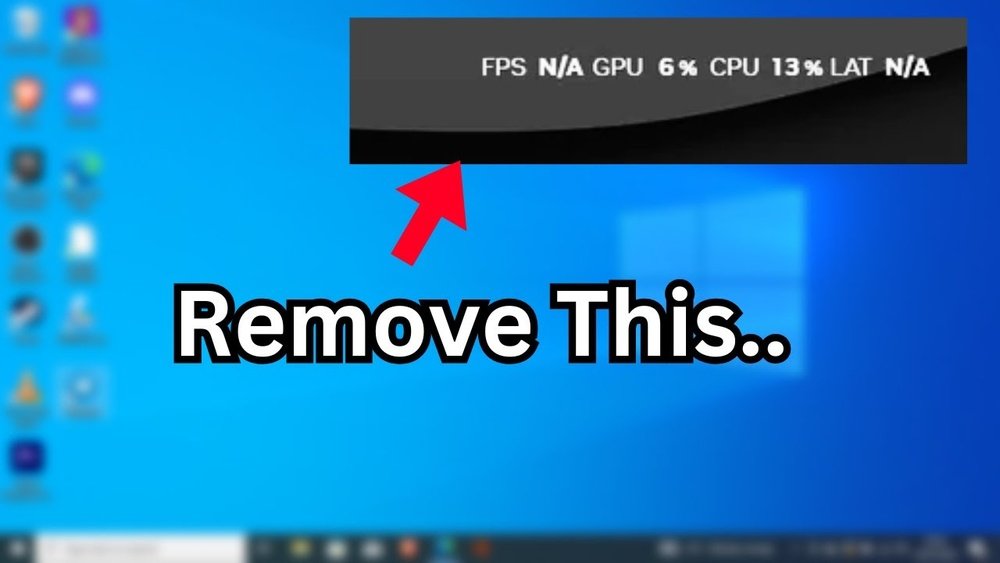
How to Turn off Fps Gpu Cpu Lat: Easy Steps to Boost Performance
Are you tired of seeing those constant FPS, GPU, and CPU stats cluttering your screen while you’re gaming or working? It can be distracting and take away from your focus.
You’re not alone, and the good news is, turning off these overlays is easier than you think. You’ll discover simple steps to clear your screen and enjoy a cleaner, more immersive experience. Keep reading, and you’ll learn exactly how to switch off those annoying performance stats for good.

Credit: www.reddit.com
Why Fps, Gpu, Cpu, And Latency Matter
FPS, GPU, CPU, and latency are key to your computer’s performance. These factors affect how smoothly games and apps run. Understanding why they matter helps you control your system better.
Good FPS means smooth motion on screen. GPU handles graphics, making images clear and fast. CPU processes commands and runs programs quickly. Latency shows delay between actions and results, important for online play.
What Fps Means For Your Experience
FPS stands for frames per second. More FPS means smoother video and games. Low FPS causes choppy images and lags. High FPS provides better visuals and less strain on eyes.
The Role Of The Gpu
The GPU renders images and videos. It handles colors, shapes, and textures. Strong GPU improves game visuals and speed. Weak GPU can slow down graphics and cause freezes.
Why The Cpu Is Important
The CPU runs all programs and commands. It manages game logic and background tasks. A fast CPU helps games run without delays. Slow CPU leads to stutters and long load times.
Latency And Its Effect On Gaming
Latency is the time delay in data transfer. Low latency means fast response in games. High latency causes lag and poor gameplay. Reducing latency improves online gaming and streaming.
Signs Of Performance Issues
Performance issues can hurt your computer’s speed and gaming experience. Detecting these problems early helps keep your system running smoothly. Signs of performance issues often show in the way your device handles games and apps.
Watching for these signs can guide you to fix FPS, GPU, and CPU lag problems. Notice changes in speed, screen quality, and device heat. These clues point to where the problem lies and how to solve it.
Low Frame Rates
Low frame rates cause choppy or slow visuals in games. You may see stuttering or lag during gameplay. This happens when the GPU or CPU can’t keep up with the game’s demand. Tracking frame rates helps spot performance drops early.
High Cpu Or Gpu Usage
High CPU or GPU usage means your computer is working too hard. This can slow down other tasks and cause overheating. Use task manager or monitoring tools to check if these components run near 100% frequently.
Screen Tearing And Stuttering
Screen tearing shows as split or flickering images during fast movements. Stuttering makes the game freeze for short moments. Both are signs your GPU or FPS settings need adjustment.
Overheating
Overheating causes your device to slow down or shut off unexpectedly. Check if your computer feels hot or fans run loudly. Overheating often links to poor cooling or heavy CPU/GPU load.
Input Lag
Input lag delays your commands from the mouse or keyboard. This reduces your control in games and apps. High CPU or GPU load can cause this delay, affecting your overall experience.
Disabling Fps Display
Seeing FPS, GPU, or CPU data on your screen can distract from gameplay. Disabling these displays helps keep the screen clean. Different apps show this data in different ways. Here is how to turn off FPS display in common programs.
Windows Game Bar
Windows Game Bar shows FPS by default on some PCs. To turn it off, open the Game Bar by pressing Win + G. Click the Performance tab. Then, select the settings gear icon. Find the option to show FPS and uncheck it. This stops the FPS counter from appearing.
Steam Overlay
Steam displays FPS through its overlay while gaming. Open Steam and click Steam in the top menu. Go to Settings and then In-Game. Find the In-game FPS counter dropdown. Set it to Off. This will disable the FPS number during Steam games.
Nvidia Geforce Experience
NVIDIA GeForce Experience offers an FPS counter for gamers. Open GeForce Experience and click the settings icon. Go to General and scroll to the In-Game Overlay section. Click Settings inside the overlay menu. Select HUD Layout then FPS Counter. Choose Off to stop showing FPS on screen.

Credit: www.reddit.com
Turning Off Gpu Monitoring
Turning off GPU monitoring can help reduce distractions and improve performance. Many users want a clean screen without extra stats. This section explains how to disable GPU monitoring easily.
Task Manager Settings
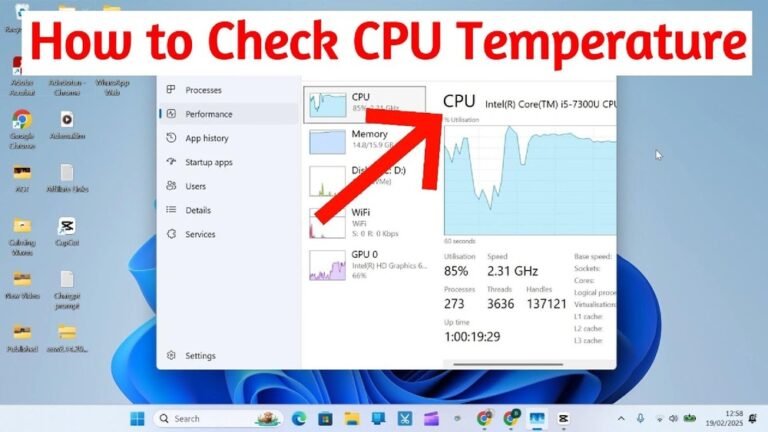
Task Manager shows GPU usage by default in Windows 10 and 11. To turn off GPU monitoring, open Task Manager with Ctrl + Shift + Esc. Click the “Performance” tab to see GPU details.
Right-click on the GPU graph. Select “Hide from performance view” to stop showing GPU stats. This method is quick and does not need extra programs.
Third-party Software
Many third-party apps display GPU usage during gaming or work. Examples include MSI Afterburner, HWMonitor, and RivaTuner.
Open the software’s settings menu. Look for options related to on-screen display or monitoring. Disable GPU stats or overlay to turn off monitoring.
Some apps require you to close them to stop GPU stats. Check the app’s manual if unsure.
Stopping Cpu Usage Tracking
Stopping CPU usage tracking can improve your computer’s performance. Constant monitoring uses resources. It can slow down your system and increase latency. Disabling CPU tracking helps reduce extra load. This makes your games and apps run smoother.
System Resource Monitors
System resource monitors track CPU usage in real time. They run in the background and collect data. Examples include Task Manager and third-party apps. To stop CPU tracking, close these monitors. Check your system tray and taskbar for running apps. Right-click and select “Exit” or “Close” to stop them.
Some monitors start automatically with Windows. Disable auto-start in the app settings or Task Manager’s Startup tab. This prevents them from running after reboot. Less tracking means more free CPU power for your tasks.
Background Apps
Background apps can track CPU usage without your knowledge. Many apps use system resources even when not open. To stop this, open Windows Settings. Go to Privacy, then Background apps. Turn off apps you don’t need running in the background.
Reducing background activity lowers CPU tracking. It also improves battery life on laptops. Keep only essential apps active to maintain performance. This simple step helps stop unwanted CPU usage tracking.
Reducing Latency Indicators
Latency indicators like FPS, GPU, and CPU stats can distract you during gameplay. Reducing these indicators helps keep your screen clear. It also improves focus and immersion. This section explains how to manage and turn off latency indicators effectively.
Network Monitoring Tools
Network monitoring tools show your connection quality. They display ping and packet loss stats. Some games enable these tools by default. Turning them off requires accessing the game’s settings menu. Look for options like “Show Network Stats” or “Display Ping.” Disable these to hide network data from your screen.
External apps also show latency info. Examples include MSI Afterburner and Razer Cortex. These apps often overlay stats on your game screen. To remove latency indicators, exit the app or change overlay settings. This stops real-time data from appearing during gameplay.
In-game Settings
Most games let you control what appears on screen. FPS, GPU, and CPU stats often come from built-in overlays. Find these options in the game’s display or graphics settings. Common labels are “Performance Overlay” or “Debug Info.” Turn off these overlays to clear your view.
Some games use hotkeys to toggle latency indicators. Check the control settings for shortcuts like F3 or Ctrl+Shift+I. Pressing these keys hides or shows performance data quickly. Customize or disable these hotkeys to avoid accidental toggles.
Tweaks To Boost System Performance
Boosting system performance helps reduce FPS, GPU, CPU, and latency issues. Simple tweaks can improve your computer’s speed and stability. These changes make your system run smoother and faster.
Focus on key areas like drivers, startup programs, and power settings. Each step is easy to follow and improves overall performance. Small adjustments can make a big difference in your PC’s response time.
Updating Drivers
Keep your device drivers up to date. Updated drivers fix bugs and improve hardware efficiency. Visit the official website of your hardware manufacturer. Download and install the latest versions for your GPU and CPU. This ensures better communication between your system and hardware.
Optimizing Startup
Limit the number of programs that start with Windows. Too many startup apps slow down your PC. Open Task Manager and go to the Startup tab. Disable unnecessary programs that you do not use often. This frees up memory and speeds up boot time.
Adjusting Power Settings
Set your power plan to High Performance mode. This setting allows your CPU and GPU to run at full speed. Open Control Panel, then go to Power Options. Choose High Performance to reduce lag and latency. Keep in mind this may use more energy but boosts system speed.
Common Pitfalls To Avoid
Turning off FPS, GPU, CPU, and latency displays can improve your gaming experience. Avoid common mistakes that cause confusion or poor performance. These pitfalls can waste time and create frustration.
Pay attention to details and follow clear steps. This section highlights common errors and how to prevent them.
Not Saving Changes Before Exiting
Many users forget to save settings after disabling FPS or latency displays. This causes the changes to reset on restart. Always check for a “Save” or “Apply” button before closing the menu. Confirm settings are active by reopening the display options.
Disabling The Wrong Overlay
Some overlays show FPS and system stats. Turning off the wrong one keeps the display active. Identify which software controls the FPS or CPU display. Common programs include game launchers and third-party apps. Verify the correct overlay is disabled to avoid confusion.
Ignoring Background Software
Background apps may show FPS or latency without clear controls. These can include recording or monitoring tools. Check all running programs if the display stays on. Close or adjust settings in these apps to remove overlays.
Overlooking Keyboard Shortcuts
Many tools use hotkeys to toggle FPS and latency displays. Accidentally pressing these keys can turn displays back on. Learn your software’s shortcuts and avoid pressing them by mistake. Disable or change hotkeys if needed for better control.
Not Restarting The Game Or System
Changes often require a game or system restart to take effect. Forgetting to restart can make it seem like settings do not work. After disabling displays, close and reopen the game. Restart the computer if the overlay persists.
Tools For Ongoing Performance Management
Managing your computer’s performance is key to reducing FPS, GPU, CPU, and latency issues. Using the right tools helps track and control these elements. These tools provide real-time data and control options. They keep your system running smoothly over time.
Task Manager
Task Manager is built into Windows and shows CPU and GPU use. It helps identify programs using too many resources. You can close or limit these programs to reduce lag. Task Manager is simple and easy to open with Ctrl + Shift + Esc.
Msi Afterburner
MSI Afterburner monitors GPU performance and temperature. It lets you adjust GPU settings like clock speed and fan speed. This tool can lower GPU load and reduce latency. It works with most graphics cards, not just MSI models.
Latencymon
LatencyMon checks for drivers causing latency problems. It shows which drivers delay your system’s response. Fixing or updating these drivers can improve CPU and FPS stability. This tool is useful for diagnosing ongoing lag issues.
Process Lasso
Process Lasso helps control CPU usage by managing running processes. It can prioritize important tasks and limit background apps. This reduces CPU load spikes and improves system responsiveness. Process Lasso runs quietly in the background.

Credit: www.youtube.com
Frequently Asked Questions
How To Disable Fps Display On Pc?
To disable FPS display, open your game’s settings or overlay (like Steam or NVIDIA). Locate the FPS counter option and turn it off. This stops the FPS number from showing during gameplay, improving screen clarity.
How Can I Turn Off Gpu Monitoring?
GPU monitoring can be turned off via your graphics card’s control panel or software. Open NVIDIA GeForce Experience or AMD Radeon Settings, find the overlay or monitoring section, and disable GPU stats or usage display.
What Steps Stop Cpu Latency Tracking?
CPU latency tracking is often part of performance overlays or monitoring tools. Disable these tools or overlays in their settings menu to stop CPU latency data from showing during gaming or tasks.
Why Should I Turn Off Fps, Gpu, Cpu Latency Displays?
Turning off these displays can reduce screen clutter and improve focus. It may also slightly enhance game performance by freeing system resources used for monitoring.
Conclusion
Turning off FPS, GPU, and CPU latency can improve your device’s performance. It also helps reduce distractions while gaming or working. Follow the steps carefully to avoid any issues. Keep your system updated for the best results. Small changes make a big difference in how smoothly your device runs.
Try these tips today and enjoy a better experience. Simple actions can lead to noticeable improvements. Stay patient and check settings regularly. Your device will thank you for the care.