Is Marvel Rivals Gpu Or Cpu Intensive: Ultimate Performance Guide
Are you curious about what really powers Marvel Rivals on your computer? Whether your system needs a stronger graphics card or a faster processor can make all the difference in your gaming experience.
Understanding if Marvel Rivals is GPU or CPU intensive helps you optimize your setup, avoid frustrating lag, and enjoy smooth gameplay. Keep reading to discover exactly where this game demands your PC’s power—and how you can get the best performance without wasting money on unnecessary upgrades.
Game Performance Basics
Understanding game performance helps players enjoy smooth gameplay. Performance depends on how well your computer handles the game’s demands. Knowing the basics of CPU and GPU roles clarifies why some games run better on certain systems.
How Games Use Cpu And Gpu
The CPU processes game logic, controls, and AI. It handles tasks like character movement and game rules. The GPU creates images and renders graphics on the screen. It manages textures, lighting, and effects to make scenes look real.
Both parts work together but focus on different jobs. A strong CPU improves game stability and response. A powerful GPU enhances visuals and frame rates. Balanced hardware is key for good game performance.
Factors Affecting Game Performance
Game performance depends on hardware power and game design. Some games need more CPU power for complex calculations. Others rely on GPU for detailed graphics and effects. Settings like resolution and detail level also impact performance.
Background programs can slow down your computer. Updates and drivers affect how well hardware works with games. Cooling and system health play roles too. All these factors combine to shape your gaming experience.

Credit: www.reddit.com
Marvel Rivals System Requirements
Understanding the Marvel Rivals system requirements helps you know what hardware suits the game. It shows how much power your PC needs to run the game properly. This information guides you to prepare your system for the best experience.
Marvel Rivals demands a good balance between the CPU and GPU. Knowing the minimum and recommended specs helps avoid performance issues. This ensures smooth gameplay and reduces lag or crashes.
Minimum Hardware Needed
The minimum hardware needed lets you start the game but with lower settings. A quad-core processor with 2.5 GHz speed is required. The game needs at least 8 GB of RAM to run. For the graphics card, a GPU with 2 GB VRAM works. DirectX 11 support is essential for the game to function. Storage space of 30 GB is necessary for installation.
Recommended Specs For Smooth Play
For smooth play, a stronger system is best. A six-core CPU running at 3.0 GHz or higher improves game performance. At least 16 GB of RAM helps the game run without slowdowns. A GPU with 4 GB VRAM or better boosts graphics quality. Using DirectX 12 ensures better visual effects and stability. Having 30 GB of free storage remains important.
Cpu Demands In Marvel Rivals
Marvel Rivals needs a good processor to run smoothly. The game uses the CPU to handle many tasks. These tasks include managing game logic, character actions, and background processes. A strong CPU helps keep the gameplay steady and responsive.
Role Of The Processor
The processor controls how fast the game reacts to player actions. It manages the movements and attacks of characters. The CPU also processes the game’s physics and AI. These processes require steady and quick calculations. A slow CPU can cause delays in gameplay and lag.
Cpu Bottlenecks To Watch
Some CPUs may struggle with Marvel Rivals’ demands. Older or low-end processors might slow down the game. This slowdown is called a bottleneck. It stops the game from using the full power of the graphics card. Watch for stutters or long loading times. These signs show the CPU may need an upgrade.
Gpu Impact On Gameplay
The GPU plays a key role in how Marvel Rivals runs. It handles the game’s graphics and visual effects. The strength of your GPU affects the smoothness and quality of gameplay. Understanding this impact helps players optimize their experience.
Graphics Rendering Load
The GPU manages all the images and animations you see. It draws characters, backgrounds, and special effects in real time. Marvel Rivals requires the GPU to process many details fast. A stronger GPU reduces lag and keeps the action fluid. Lower-end GPUs may struggle with complex scenes and slow down.
Effects Of Gpu Power On Visuals
Better GPUs show higher resolution and sharper textures. They enhance lighting, shadows, and particle effects like explosions. This makes the game look more vivid and immersive. A weak GPU might force lower settings, causing blurry or blocky visuals. Players with powerful GPUs enjoy crisp and detailed graphics throughout gameplay.
Balancing Cpu And Gpu For Best Results
Balancing the CPU and GPU is key to running Marvel Rivals smoothly. Both parts work together to create the best gaming experience. The CPU handles logic and game rules. The GPU processes graphics and visual effects. If one part is slower, it can limit overall performance. Understanding how to balance these helps avoid slowdowns and stutters.
Proper balance also saves power and reduces heat. It lets your computer run cooler and last longer. Knowing how to check and adjust settings is important. This makes sure your hardware works at its best with Marvel Rivals.
Identifying Performance Bottlenecks
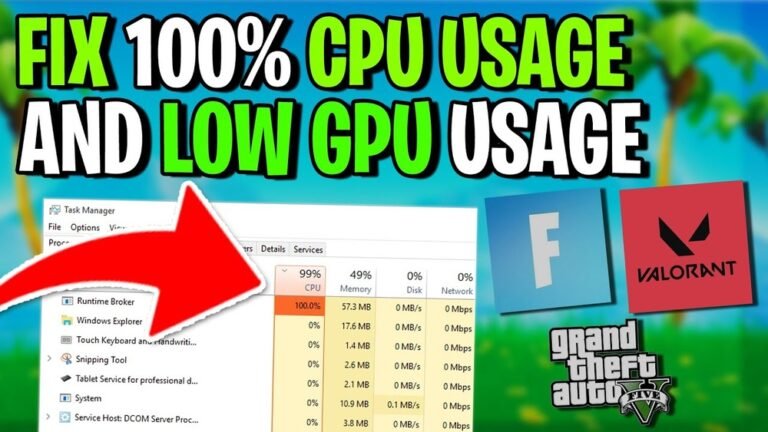
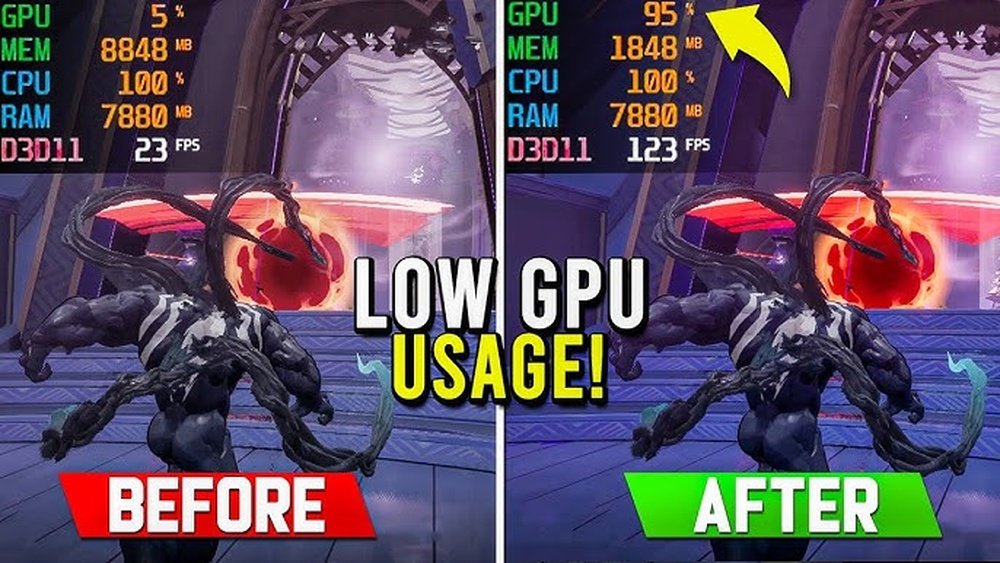
Start by watching how your game runs. Notice if the game lags or drops frames. Use tools like Task Manager to check CPU and GPU use. High CPU use means the processor is the bottleneck. High GPU use means the graphics card is working too hard. Low use on both means something else may slow the game.
Check game temperatures and clock speeds too. Overheating parts can slow down automatically. This causes lag even if hardware is strong. Fixing bottlenecks improves frame rates and gameplay smoothness.
Optimizing Settings For Your Hardware
Adjust game settings based on your hardware’s strengths. Lower graphics details if the GPU struggles. Turn off shadows or reduce texture quality. If the CPU is the limit, close background apps. Lower game resolution to reduce CPU load.
Use presets like Medium or Low to find balance quickly. Test changes by playing and watching performance. Keep tweaking until the game runs well without overheating. This balance ensures Marvel Rivals looks good and plays smoothly.

Credit: www.youtube.com
Benchmarking Marvel Rivals
Benchmarking helps us see how Marvel Rivals runs on different computer parts. It shows which parts affect the game’s speed and smoothness. This testing tells us if the game needs a strong CPU or GPU.
We tested Marvel Rivals on many CPUs and GPUs. The results reveal which hardware gives the best experience. This helps players choose the right gear for the game.
Performance On Different Cpus
Marvel Rivals runs well on most modern CPUs. Mid-range processors handle the game smoothly at medium settings. The game uses the CPU to manage game logic and background tasks.
Older or slower CPUs may cause frame drops. The game depends on CPU speed for quick responses. Faster CPUs reduce lag in busy scenes.
High-end CPUs show only small gains over mid-range models. This means the game is not heavily CPU intensive. It focuses more on other parts for graphics and effects.
Performance On Various Gpus
The GPU plays a big role in Marvel Rivals’ performance. It controls the game’s graphics and visual effects. Better GPUs deliver smoother gameplay and higher frame rates.
Entry-level GPUs can run the game at low settings but with lower frame rates. Mid-range GPUs offer good performance at medium or high settings. High-end GPUs provide the best visuals and smoothest gameplay.
The game benefits more from GPU power than CPU speed. Players with better graphics cards enjoy clearer images and fewer slowdowns. Upgrading the GPU makes a bigger difference than upgrading the CPU.
Tips To Boost Game Performance
Boosting game performance helps you enjoy Marvel Rivals smoothly. It reduces lag and improves visuals. Small changes can make a big difference. Focus on settings and hardware to get better results. Here are some simple tips to help you play without interruptions.
In-game Settings Adjustments
Lower the game resolution to ease the load on your system. Turn off shadows and reduce texture quality. Disable extra effects like motion blur and anti-aliasing. These changes reduce GPU and CPU usage. Close background apps to free up memory and processing power. Adjust the frame rate cap to match your hardware. These tweaks help the game run faster and smoother.
Hardware Upgrades Worth Considering
Upgrading your graphics card can improve visual performance. A better GPU handles complex scenes with less lag. Increasing RAM helps the game load assets quickly. A faster CPU improves game logic and AI processing. Consider SSDs to reduce loading times significantly. Choose parts compatible with your current setup. These upgrades give a noticeable boost to Marvel Rivals’ performance.

Credit: www.reddit.com
Frequently Asked Questions
Is Marvel Rivals More Gpu Or Cpu Intensive?
Marvel Rivals is primarily GPU intensive. The game relies on graphics rendering for smooth gameplay. A powerful GPU ensures better frame rates and visual quality. The CPU handles basic game logic but is less taxed than the GPU.
What Hardware Improves Marvel Rivals’ Performance Most?
Upgrading your graphics card greatly improves Marvel Rivals’ performance. A modern GPU enhances visual effects and frame rates. While a decent CPU is needed, the GPU has a bigger impact on gameplay smoothness.
Can A Weak Cpu Bottleneck Marvel Rivals?
A weak CPU can bottleneck Marvel Rivals if it struggles with game logic. However, the game’s main demand is on the GPU. Ensuring a balanced system with a mid-range CPU and good GPU is best.
Does Marvel Rivals Benefit From Cpu Multi-threading?
Marvel Rivals has limited multi-threading support. It mainly uses a few CPU cores for game processes. While multi-threading helps, it is less critical than having a strong GPU for optimal performance.
Conclusion
Marvel Rivals demands more from your GPU than your CPU. The graphics card handles most of the work during gameplay. A strong GPU ensures smooth visuals and better performance. The CPU still matters but plays a smaller role here. Players with mid-range CPUs and good GPUs get the best experience.
Balancing your hardware will help avoid lag and stutter. Keep your drivers updated for optimal results. Overall, focus on your graphics card for better gameplay. Simple tweaks can improve how the game runs on your system.