How to Check Cpu Temps: Easy Steps to Prevent Overheating
Are you worried that your computer might be overheating? Knowing how to check your CPU temps is one of the easiest ways to protect your device from damage and keep it running smoothly.
If your CPU gets too hot, it can slow down or even crash your system. But don’t worry—this guide will show you simple steps to monitor your CPU temperature quickly and accurately. By the end, you’ll have the tools to spot problems before they start and keep your computer cool and healthy.
Keep reading to learn how to take control of your CPU’s temperature right now.

Credit: www.youtube.com
Why Monitor Cpu Temps
Knowing your CPU temperature is important for your computer’s health. The CPU does a lot of work and gets hot. Watching the temperature helps keep it safe and working well.
Ignoring CPU heat can cause problems. This section explains why monitoring temperature matters.
Risks Of Overheating
Too much heat can damage the CPU. It may cause your computer to shut down suddenly. Overheating can also harm other parts inside your PC. Protect your system by keeping an eye on CPU temps.
Performance Impact
High CPU temperatures can slow down your computer. The CPU may reduce speed to cool off. This causes programs and games to lag. Monitoring temps helps avoid sudden slowdowns.
Hardware Longevity
Heat wears down your CPU over time. Constant high temperatures shorten its life. Keeping the CPU cool can make it last longer. This saves money on repairs and new parts.
Credit: openhardwaremonitor.org
Tools To Check Cpu Temperature
Checking your CPU temperature helps protect your computer from overheating. Many tools exist to measure this temperature. Some come built-in, while others need to be downloaded. Knowing these tools makes it easier to keep your PC safe and running well.
Built-in Bios/uefi
Your computer’s BIOS or UEFI shows basic CPU temperature data. To access it, restart your PC and press the setup key during boot. Usually, keys like F2, Del, or Esc work. Inside BIOS, look for the hardware monitor or system health section. This tool shows real-time CPU temperature without any software. It’s simple and reliable but does not work while Windows runs.
Third-party Software Options
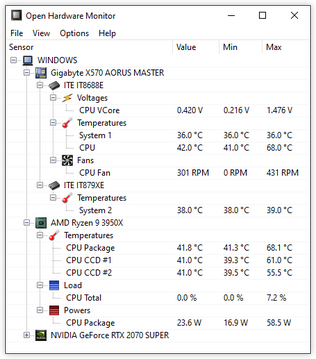
Many free programs provide detailed CPU temperature info. Popular ones include HWMonitor, Core Temp, and SpeedFan. These apps show live temperatures and other hardware stats. They run inside Windows and update data constantly. Some allow setting alerts for high temperatures. Choose software that matches your PC and skill level for best results.
Using Manufacturer Utilities
CPU makers offer their own temperature monitoring tools. Intel has Intel Extreme Tuning Utility (XTU), and AMD provides Ryzen Master. These programs show detailed info about CPU health and temperature. They also offer tuning options to improve performance or cooling. Using these official tools ensures accuracy and safety for your specific CPU model.
Step-by-step Cpu Temp Check
Checking your CPU temperature is important to keep your computer safe. High temperatures can cause damage or slow down your PC. Follow these simple steps to check your CPU temperature easily.
Accessing Bios/uefi
Restart your computer. Press the key shown on screen to enter BIOS or UEFI. Common keys include F2, Del, or Esc. In BIOS/UEFI, look for a tab like “Hardware Monitor” or “PC Health.” Here, you will see your CPU temperature. Note the temperature before you exit. Restart your computer to return to Windows.
Installing Monitoring Software
Download reliable software like HWMonitor or Core Temp. Install the program by following the setup steps. Open the software after installation. These tools show real-time temperature data. Keep the program running to watch your CPU temperature.
Reading Temperature Data
Look for the CPU section in the software. Find the temperature reading in Celsius or Fahrenheit. Normal idle temperatures range from 30°C to 50°C. Under heavy use, temperatures may rise to 70°C or 80°C. If temperatures exceed 90°C, your CPU is too hot. Take action to cool your system if needed.
Interpreting Temperature Readings
Understanding CPU temperature readings helps keep your computer safe. It shows how hot your processor runs during tasks. Knowing what these numbers mean protects your hardware. You can avoid damage and improve performance by watching temps closely.
Safe Temperature Ranges
Most CPUs work well between 30°C and 50°C when idle. Under heavy load, temperatures up to 70°C are usually safe. Some high-performance chips can reach 80°C without harm. Check your CPU model’s specs for exact safe limits. Staying within these ranges keeps your system stable.
Signs Of Overheating
High temperatures can cause slow performance or crashes. Sudden shutdowns often signal overheating issues. Fans running loudly or constantly is another warning. You might notice your laptop feels very hot on the bottom. These signs mean your CPU needs cooling help fast.
When To Take Action
Take action if temps stay above 85°C for long periods. Clean dust from fans and vents to improve airflow. Reapply thermal paste if temperatures remain high after cleaning. Consider upgrading your cooling system if problems persist. Acting early prevents permanent CPU damage and keeps your PC running smoothly.
Tips To Prevent Cpu Overheating
Preventing CPU overheating is key to keeping your computer healthy. High temperatures can cause slowdowns and damage parts. Simple steps can lower heat and extend your CPU’s life. Focus on keeping cool and clean. Let’s explore some easy ways to avoid overheating.
Improving Airflow
Good airflow moves hot air out and brings cool air in. Arrange cables neatly to avoid blocking vents. Place your PC in an open space, not inside a tight cabinet. Use case fans to push air through your system. Make sure fans face the right direction for airflow.
Cleaning Dust And Debris
Dust traps heat and blocks airflow. Clean your PC regularly with a soft brush or compressed air. Focus on fans, vents, and heat sinks. Turn off and unplug your computer before cleaning. Removing dust helps your CPU stay cool and run smoothly.
Upgrading Cooling Solutions
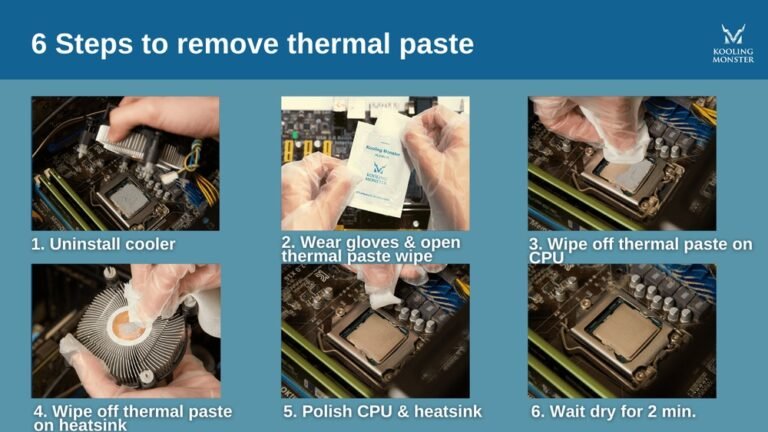
Stock coolers may not be enough for heavy use. Consider upgrading to better air coolers or liquid cooling systems. High-quality thermal paste improves heat transfer between CPU and cooler. Choose cooling options that fit your PC case and budget. Better cooling means lower temperatures and safer performance.

Credit: softwareg.com.au
Advanced Monitoring Techniques
Advanced monitoring techniques help you keep your CPU temperature in check more effectively. These methods go beyond simple temperature readings. They provide real-time alerts, detailed hardware data, and remote access. This allows you to act quickly if the CPU overheats. Understanding these techniques can protect your computer and improve its performance.
Setting Up Alerts
Setting up alerts lets you know when the CPU temperature reaches a risky level. You can use software to create notifications. These pop up on your screen or send emails. This way, you avoid damage by cooling your system early. Alerts help keep your CPU safe without constant manual checks.
Using Hardware Sensors
Hardware sensors provide precise temperature data directly from your CPU. These small devices connect to your motherboard. They monitor heat in real time and offer detailed reports. Using sensors gives a clearer picture of your CPU’s health. This helps in spotting problems before they get worse.
Remote Temperature Monitoring
Remote temperature monitoring allows you to check CPU heat from anywhere. Using special software, you can access your computer’s temperature on your phone or another device. This is useful for servers or PCs that run without supervision. Remote monitoring helps maintain safe temperatures even when you are away.
Frequently Asked Questions
How Can I Check My Cpu Temperature On Windows?
You can check CPU temperature on Windows using software like HWMonitor, Core Temp, or SpeedFan. These tools show real-time temperature readings and help you monitor your CPU’s health easily.
What Is A Safe Cpu Temperature Range?
A safe CPU temperature typically ranges between 30°C to 60°C during normal use. Temperatures above 80°C may cause overheating and reduce CPU lifespan.
Why Is My Cpu Temperature Running High?
High CPU temperature can result from poor cooling, dust buildup, or heavy workloads. Ensure your cooling system works well and clean any dust inside your PC.
Can Bios Show Cpu Temperature?
Yes, most BIOS/UEFI interfaces display CPU temperature under hardware monitoring. You can check it by entering BIOS during startup, usually by pressing Delete or F2.
Conclusion
Checking your CPU temperature helps keep your computer safe and fast. Use simple software tools to watch the temps regularly. High temperatures can cause slowdowns or damage. Clean your fans and make sure airflow is good. Cooling helps your CPU work better and last longer.
Keep an eye on temps to avoid surprises. Staying aware is easy and worth the small effort. Your computer will thank you with better performance and life.