How to Replace Laptop Gpu: Easy Steps for a Smooth Upgrade
Is your laptop struggling with slow graphics or overheating issues? You might be wondering if replacing your laptop GPU is the solution.
The good news is, upgrading your laptop’s graphics card can breathe new life into your device and boost its performance. But how do you do it without risking damage or voiding your warranty? In this guide, you’ll discover clear, step-by-step instructions to replace your laptop GPU safely and effectively—even if you’re not a tech expert.
Keep reading to unlock the secrets to a smoother, faster laptop experience.
Signs You Need A Gpu Upgrade
Knowing the signs that you need a GPU upgrade can save time and frustration. Your laptop’s graphics card is crucial for smooth visuals and fast processing. When it starts to show problems, it affects your entire experience. Recognizing these signs early helps you decide if replacing the GPU is necessary.
Performance Drops
Games and videos may lag or stutter suddenly. Frame rates drop even on low settings. Programs that use graphics slow down or freeze. These issues suggest your GPU can no longer keep up. A slow or outdated GPU cannot handle new software demands.
Compatibility Issues
New applications may not run well or crash often. Your laptop might not support the latest graphics features. Software updates can make your GPU obsolete. Lack of driver support is a common problem. This shows your GPU is no longer compatible with modern tasks.
Overheating Problems
The laptop gets hot quickly during simple tasks. Fans run loudly and constantly try to cool down. Overheating can cause shutdowns or damage to parts. A failing GPU often produces extra heat. This issue signals it is time to upgrade your graphics card.
Credit: www.ecoparkcampogrande.com.br
Choosing The Right Gpu
Choosing the right GPU is the first step to upgrading your laptop. It affects speed, graphics quality, and power use. Picking the correct GPU ensures smooth performance for games, videos, and work. Let’s break down what to consider before buying one.
Checking Laptop Compatibility
Not all GPUs fit every laptop. You must check the model and size. Look at your laptop’s manual or website to find compatible GPUs. Some laptops have built-in GPUs that cannot be changed. Also, check the connection type to match the new GPU.
Budget Considerations
Set a clear budget before buying a GPU. Prices vary from low to high depending on power and brand. A higher price does not always mean better for your needs. Balance your budget with the features you want. Avoid spending too much on unnecessary specs.
Performance Vs Power Consumption
High-performance GPUs use more power and create more heat. This can shorten battery life and cause your laptop to run hot. Choose a GPU that offers good speed but also saves power. Efficient GPUs keep your laptop cooler and last longer on a charge.
Preparing For The Upgrade
Preparing to replace your laptop GPU is an important step. It helps avoid problems during the upgrade. Taking time to prepare makes the process smoother and safer. Follow these key steps to get ready for your GPU upgrade.
Backing Up Important Data
Backing up your data protects files from loss. Save important documents, photos, and videos. Use an external hard drive or cloud storage. This prevents data loss if something goes wrong during the upgrade. Double-check that all critical files are safely copied.
Gathering Necessary Tools
Have the right tools before starting the upgrade. Common tools include a small screwdriver set, anti-static wristband, and tweezers. These help you open the laptop and handle small parts safely. Using proper tools reduces risk of damage to your laptop.
Setting Up A Clean Workspace
Choose a clean, flat surface with good lighting. Remove clutter and keep small containers for screws. A tidy workspace helps you stay organized. It also prevents losing tiny parts during the upgrade. Avoid static by working on a non-carpeted floor or use an anti-static mat.

Credit: aquisefaladesantos.com.br
Removing The Old Gpu
Removing the old GPU is the first step in upgrading your laptop’s graphics power. This process requires care and attention. Follow the steps to avoid damage and ensure a smooth replacement.
Powering Down And Disconnecting
Turn off your laptop completely. Do not leave it in sleep or hibernate mode. Unplug the power adapter from the laptop. Remove the battery if it is removable. This step cuts off all power to avoid shocks or damage.
Opening The Laptop Case
Place your laptop on a clean, flat surface. Use a small screwdriver to remove the screws on the back panel. Keep the screws safe for later use. Gently lift the case or panel to expose the laptop’s inside. Avoid using force to prevent breaking clips or parts.
Locating And Removing The Gpu
Find the GPU on the motherboard. It usually has a heat sink and fan attached. Check for screws or clips holding the GPU in place. Remove these carefully. Disconnect any cables or connectors attached to the GPU. Gently pull out the GPU from its slot. Do not bend or twist it during removal.
Installing The New Gpu
Installing the new GPU in your laptop requires care and attention. This step is crucial to ensure the new part works well and lasts long. Follow each part carefully to avoid damage and secure the GPU properly.
Handling The Gpu Safely
Hold the GPU by its edges. Avoid touching the gold connectors or chips. These parts are sensitive and can be damaged by static electricity. Use an anti-static wrist strap if you have one. Work on a clean, flat surface. Keep the GPU away from liquids and dust.
Securing The Gpu In Place
Align the GPU with the slot on the motherboard. Gently push it in until it fits snugly. Do not force it. Check that the GPU sits flat and straight. Use the screws or clips to lock it in place. Tighten screws just enough. Too much force can damage the board.
Reassembling The Laptop
Replace the cooling system if removed. Make sure the fan and heat sink are clean and secure. Put back the laptop’s bottom cover carefully. Screw all screws back in their original spots. Double-check everything is tight and aligned. Your laptop is now ready to power on with the new GPU installed.
Post-installation Steps
After replacing your laptop GPU, some important steps follow. These steps help ensure your new GPU works well. They prevent problems and improve performance. Follow these steps carefully to enjoy your upgraded laptop.
Installing Or Updating Drivers
New GPUs need the right drivers to work. Drivers help your laptop talk to the GPU. Visit the GPU maker’s website. Download the latest drivers for your model. Run the installer and follow instructions. Restart your laptop to apply changes. Updated drivers improve speed and fix bugs.
Running Performance Tests
Test your GPU to check if it runs properly. Use simple tools like FurMark or 3DMark. These tests show how strong your GPU is. Watch for errors or crashes during tests. If tests pass, your GPU works well. Performance tests help find hidden problems early.
Monitoring Temperature And Stability
GPUs get hot during use. Too much heat can cause damage. Use apps like HWMonitor or MSI Afterburner. Check your GPU temperature while gaming or working. Keep temperatures below 85°C for safety. Monitor stability to avoid crashes. Cooling pads or cleaning fans help lower heat.
Troubleshooting Common Issues
Troubleshooting common issues after replacing a laptop GPU helps you fix problems fast. Many users face difficulties that stop the laptop from working well. Knowing how to solve these issues saves time and stress. Below are common problems and easy fixes.
No Display Or Boot Problems
Your laptop might not show anything on screen after GPU replacement. Check if the GPU is properly seated in its slot. Make sure all power connectors are attached firmly. Reset the BIOS by removing the battery or using the reset jumper. Try connecting an external monitor to rule out screen problems. If nothing shows, test with the old GPU to confirm the issue.
Driver Installation Errors
New GPUs need correct drivers to work well. Errors often happen if old drivers are still installed. Uninstall previous GPU drivers completely before adding new ones. Use a tool like Display Driver Uninstaller (DDU) to clean old files. Download the latest drivers from the GPU maker’s website. Install them in safe mode if normal install fails. Restart the laptop after installation.
Overheating After Upgrade
Upgraded GPUs can run hotter than old ones. Check if the cooling system is clean and working. Dust can block fans and vents, causing heat build-up. Apply new thermal paste between the GPU and heatsink for better heat transfer. Use a cooling pad or elevate the laptop for better airflow. Monitor temperatures with software and avoid heavy tasks until temperatures stabilize.

Credit: www.youtube.com
Tips For Maintaining Gpu Health
Maintaining the health of your laptop GPU helps it run smoothly and last longer. Taking simple steps can prevent damage and improve performance. Focus on cleaning, updating drivers, and avoiding risky settings. These practices keep your GPU safe and efficient.
Regular Cleaning
Dust and dirt can block airflow inside your laptop. This causes the GPU to overheat. Use a soft brush or compressed air to clean vents and fans. Clean every few months to prevent dust buildup. Keep the laptop on a hard surface to reduce dust intake.
Keeping Drivers Updated
GPU drivers control how your graphics card works with your system. Outdated drivers can cause errors and poor performance. Check for driver updates on the GPU maker’s website. Install updates regularly to fix bugs and improve speed. Updated drivers help your GPU run better and safer.
Avoiding Overclocking Risks
Overclocking makes the GPU run faster than its normal speed. This may cause overheating and damage if not done carefully. Avoid overclocking unless you know what you are doing. Keep your GPU at its factory settings to ensure stability. Safe GPU use means longer life and fewer problems.
Frequently Asked Questions
Can I Replace A Laptop Gpu Myself?
Yes, you can replace a laptop GPU if it’s removable. Some laptops have soldered GPUs, making replacement impossible. Always check your laptop model’s specifications before attempting a swap. Use the right tools and follow proper safety precautions to avoid damage.
What Tools Do I Need To Replace A Laptop Gpu?
You need a precision screwdriver set, thermal paste, and an anti-static wrist strap. A plastic pry tool helps open the laptop safely. Additionally, cleaning materials like isopropyl alcohol are essential to remove old thermal paste before applying new.
How Do I Know If My Laptop Gpu Is Replaceable?
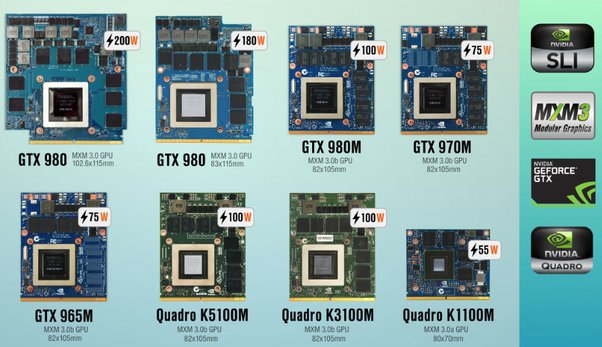
Check your laptop’s service manual or manufacturer website. If the GPU is soldered to the motherboard, it’s not replaceable. Removable GPUs are usually in gaming or workstation laptops with MXM modules. Confirm before you start to avoid unnecessary hassle.
Will Replacing My Laptop Gpu Improve Performance?
Yes, upgrading to a better GPU can enhance gaming, graphics, and video rendering performance. However, the CPU and cooling system must support the new GPU. Ensure compatibility to get the best performance boost without overheating or bottlenecks.
Conclusion
Replacing a laptop GPU can improve your computer’s performance. Follow each step carefully for best results. Take your time and be gentle with parts. Double-check connections before powering on the laptop. If unsure, seek help from a professional. A successful GPU replacement can extend your laptop’s life.
Enjoy better graphics and smoother operation after upgrade. Keep your laptop clean and cool to maintain it well. Simple actions lead to big improvements in your device.