Is Monster Hunter Wilds Gpu Or Cpu Intensive: Ultimate Guide
Are you wondering whether Monster Hunter Wilds puts more strain on your GPU or CPU? Knowing this can help you get the best performance without spending extra on hardware you don’t really need.
If your game lags, stutters, or heats up your system, understanding which part of your setup is working hardest can make all the difference. Keep reading, and you’ll discover exactly what powers this game demands—and how to make it run smoothly on your PC.

Credit: www.reddit.com
Game Performance Basics
Understanding game performance is key to enjoying Monster Hunter Wilds smoothly. Games need both the CPU and GPU to run well. Each part plays a different role in how the game looks and feels. Knowing these basics helps you see why some setups work better than others.
Performance depends on many things. Some affect speed, while others change the visual quality. Let’s explore how the CPU and GPU work in games and what factors affect performance.
How Games Use Cpu And Gpu
The CPU acts like the game’s brain. It handles tasks like game logic, physics, and AI. It also manages input from players and system commands. The GPU is the game’s artist. It draws all the images, textures, and effects you see on screen.
In Monster Hunter Wilds, the CPU processes monster movements and player actions. The GPU renders the game’s rich environments and detailed characters. Both parts must work together to keep the game running smooth and look good.
Factors Affecting Game Performance
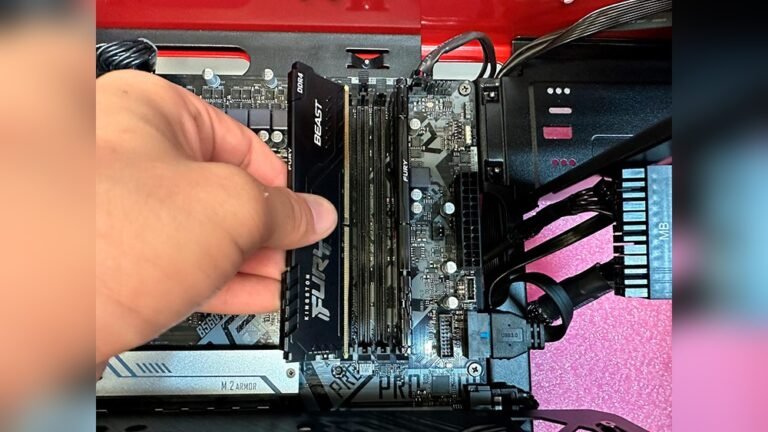
Many elements influence how well a game runs. The CPU speed and core count matter for handling complex game logic. The GPU’s power affects frame rates and image quality. Memory size and speed also play a role.
Game settings like resolution and detail level impact performance too. Higher settings need more GPU power. Large game worlds with many characters demand more from the CPU. Background apps and system health can slow down performance as well.
Credit: www.cclonline.com
Monster Hunter Wilds Hardware Demands
Monster Hunter Wilds is a visually rich and detailed game. It requires a good balance of hardware power. Players need to understand the hardware demands to enjoy smooth gameplay. The game stresses both the CPU and GPU, but in different ways.
Knowing the hardware needs helps players avoid lag and crashes. It also ensures a better hunting experience. Below, we break down the CPU and GPU requirements for Monster Hunter Wilds.
Cpu Requirements
The CPU handles game logic, AI, and physics. Monster Hunter Wilds needs a processor with strong single-core speed. A quad-core CPU or better is recommended. Lower-end CPUs may struggle with complex scenes. A powerful CPU reduces frame drops and stutters. It keeps the gameplay smooth during intense battles.
Gpu Requirements
The GPU renders the game’s stunning graphics and effects. Monster Hunter Wilds is demanding on graphics cards. Players should use at least a mid-range GPU. Higher settings need a more powerful GPU for stable frame rates. A weak GPU causes low resolution and lag. Upgrading the GPU improves visual quality and performance.
Analyzing Cpu Usage In Monster Hunter Wilds
Monster Hunter Wilds puts a strong load on the CPU. It uses the processor to handle many tasks at once. These tasks include AI behavior, game physics, and world calculations.
The CPU manages the game’s logic and background processes. This means the processor works hard to keep the game running smoothly. Understanding how the CPU is used helps players optimize their system.
Core And Thread Utilization
The game uses multiple cores and threads to split tasks. This helps balance the workload across the CPU. Not all cores are used equally; some work harder than others.
Monster Hunter Wilds benefits from CPUs with higher core counts. More cores allow better handling of AI and physics simultaneously. Threads improve multitasking, making gameplay smoother.
Impact On Frame Rates
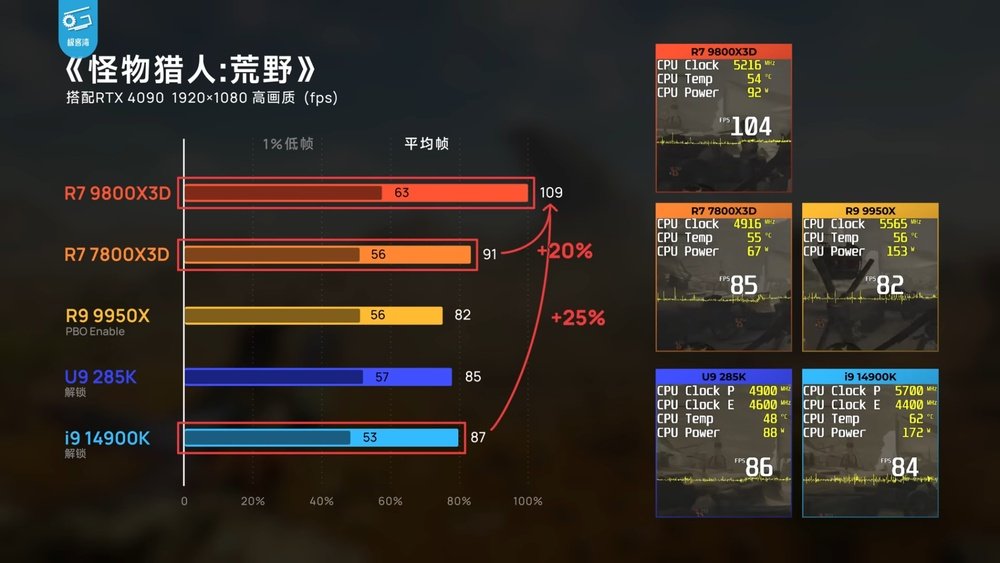
CPU usage affects frame rates directly. A strong CPU keeps frame rates stable during intense battles. Poor CPU performance can cause frame drops and lag.
Games like Monster Hunter Wilds need a CPU that can keep up with fast action. Higher clock speeds help maintain steady frame rates. A balanced CPU and GPU setup delivers the best experience.
Evaluating Gpu Load In Monster Hunter Wilds
Monster Hunter Wilds offers a rich and detailed world. This demands a lot from your computer’s graphics card. Understanding how the game uses your GPU helps you get better performance. It also guides you in adjusting settings for smoother gameplay.
The GPU handles most of the visual work. This includes rendering monsters, environments, and special effects. Watching the GPU load can show if your card is struggling or running efficiently.
Graphics Settings Influence
Graphics settings directly affect the GPU load. Higher settings increase the number of details the GPU must process. Effects like shadows, textures, and lighting use more GPU power. Lowering these settings can reduce the load and improve frame rates.
Choosing the right balance is key. Set details high enough for good visuals but low enough for smooth play. This balance depends on your GPU’s strength and your preference for quality or speed.
Vram And Gpu Clock Speeds
VRAM stores the images and textures the GPU uses. Monster Hunter Wilds can use a lot of VRAM at high settings. Running out of VRAM causes slowdowns and stuttering. It’s important to have enough VRAM for your chosen settings.
GPU clock speed affects how fast the card processes data. Higher clock speeds mean better performance. The game can push the GPU to work near its maximum clock speed during intense scenes. This shows the game is GPU intensive in those moments.
Balancing Cpu And Gpu For Optimal Play
Balancing the CPU and GPU is key for smooth gameplay in Monster Hunter Wilds. Both parts of the computer share the work. The CPU handles game logic, AI, and physics. The GPU processes graphics and visuals. Finding the right balance helps avoid slowdowns and keeps the game running well.
Overloading one part can cause lag or stutters. A strong GPU with a weak CPU may still struggle with complex scenes. A powerful CPU paired with a weak GPU might show low frame rates or poor graphics. Optimizing both allows the game to run at its best settings.
Recommended Hardware Setups
A mid-range CPU with at least four cores is good for Monster Hunter Wilds. Intel i5 or AMD Ryzen 5 models work well. For the GPU, aim for cards like Nvidia GTX 1660 or AMD RX 580. These offer good performance without high cost.
For higher settings, choose a CPU with six cores or more. A GPU such as Nvidia RTX 3060 or AMD RX 6600 XT handles detailed visuals easily. Ensure your system has enough RAM—8GB minimum, 16GB preferred—for smooth multitasking.
Adjusting Game Settings For Performance
Start by lowering shadows and effects to reduce CPU load. Turn off extra visual features like motion blur or depth of field. These settings mainly tax the GPU but can impact the CPU too.
Adjust resolution to match your GPU strength. Lower resolutions ease the GPU workload and raise frame rates. Use the game’s preset options like “Medium” or “High” for balanced performance.
Frame rate caps help maintain steady gameplay. Setting a limit prevents overheating and sudden drops. Experiment with settings to find the best experience for your hardware.
Common Performance Issues And Fixes
Monster Hunter Wilds can face performance problems for many players. These issues affect gameplay and cause frustration. Understanding common problems helps fix them fast. Below are typical issues and easy fixes to improve your experience.
Stuttering And Lag Causes
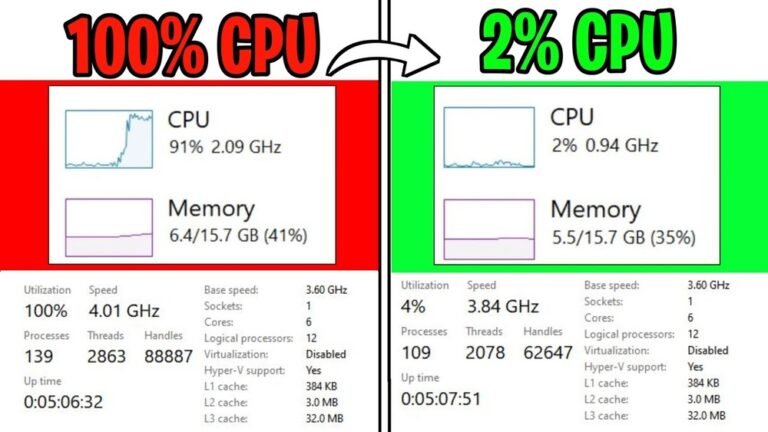
Stuttering happens when the game pauses briefly during play. Lag means the game moves slower than usual. Both problems often come from hardware limits. The CPU or GPU may not keep up with game demands. Overheating can also cause slowdowns. Background programs use resources and reduce game speed. Poor internet connection affects online play and causes lag.
Driver And Software Updates
Outdated drivers cause many performance problems. Graphics card drivers must stay current for smooth gameplay. Game updates fix bugs and improve performance. Updating your operating system can help too. Use official websites to download the latest drivers. Restart your computer after updates for best results. Keep your software fresh to reduce crashes and lag.
Future Proofing For Monster Hunter Titles
Monster Hunter games demand strong hardware to run smoothly. Players want to enjoy the best experience without lag or slowdowns. Preparing your PC or console for future titles can save money and frustration. Choosing the right components matters for long-term gaming performance.
Understanding how Monster Hunter uses CPU and GPU helps pick the right upgrades. Newer games often increase the need for better hardware. Planning ahead means your system stays ready for new releases.
Upcoming Hardware Trends
Hardware improves quickly with faster processors and better graphics cards. CPUs with more cores and higher clock speeds are common. Graphics cards offer better ray tracing and higher frame rates. Memory sizes grow to handle bigger game worlds and textures.
Energy efficiency also improves, making parts cooler and quieter. Storage shifts to faster SSDs for quicker load times. These trends affect how Monster Hunter games run and look.
Preparing For Next-gen Games
Next-gen Monster Hunter titles will use more CPU power for AI and physics. Graphics will demand stronger GPUs for detailed environments and effects. A balanced system with a strong CPU and GPU is best.
Upgrading RAM to 16GB or more helps games run smoothly. Using SSDs reduces wait times and improves game flow. Regular driver updates keep hardware working well with new games.
Investing in solid hardware now means fewer upgrades later. Future Monster Hunter games will reward systems ready for their demands.

Credit: wccftech.com
Frequently Asked Questions
Is Monster Hunter Wilds More Gpu Or Cpu Intensive?
Monster Hunter Wilds primarily demands a strong GPU for smooth graphics rendering. However, a decent CPU is essential for handling game logic and AI. Overall, the game leans more towards being GPU intensive to maintain high frame rates.
What Gpu Specifications Are Ideal For Monster Hunter Wilds?
A mid to high-end GPU with at least 4GB VRAM is ideal. This ensures smooth gameplay at 1080p resolution with high settings. GPUs like NVIDIA GTX 1660 or AMD Radeon RX 5600 XT work well for this game.
How Does Cpu Affect Monster Hunter Wilds Performance?
The CPU manages game physics, AI, and background processes. A modern quad-core CPU or better is recommended. While not as critical as the GPU, a good CPU prevents bottlenecks and improves overall gameplay experience.
Can A Low-end Gpu Run Monster Hunter Wilds Smoothly?
Low-end GPUs can run the game but with reduced settings and resolution. Expect lower frame rates and less visual detail. For an optimal experience, upgrading to at least a mid-range GPU is advisable.
Conclusion
Monster Hunter Wilds asks a lot from both CPU and GPU. The game uses your CPU to handle game logic and AI tasks. Your GPU works hard to show detailed graphics smoothly. For the best experience, balance between CPU and GPU power is key.
Upgrading one without the other might limit performance. Play with settings to find what suits your system best. This way, you enjoy the game without lag or stutter. Choose hardware wisely to keep your gameplay smooth and fun.