How to Speed Up Cpu Performance: Ultimate Tips for Instant Boost
Is your computer running slower than it should? If your CPU feels sluggish, it can make everything from browsing the web to working on important tasks frustrating.
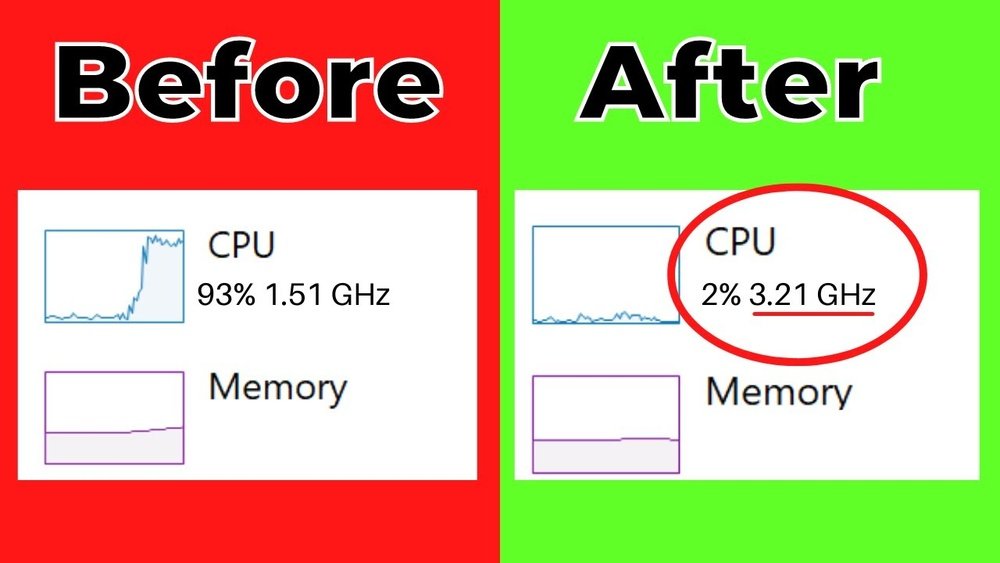
But what if you could boost your CPU’s performance without buying new hardware? You’ll discover simple, effective ways to speed up your CPU and get your computer running smoother and faster. Keep reading—your faster, more responsive computer is closer than you think.
Identify Cpu Bottlenecks
Identifying CPU bottlenecks is the first step to improving your computer’s speed. Your CPU may slow down if some tasks use too much power. Finding these slow points helps you fix the problem.
Check Task Manager And Resource Usage
Open Task Manager to see which programs use the CPU most. Look at the CPU column to find high usage. Some apps may take too much power without you knowing. Close or limit these apps to free up CPU.
Monitor Background Processes
Background processes run quietly and use CPU power. They can slow your computer without showing on screen. Use Task Manager or special tools to find these tasks. Stop or reduce unnecessary background processes to speed up your CPU.
Optimize Software Settings
Optimizing software settings helps your CPU run faster and smoother. It reduces unnecessary tasks that slow down your computer. Adjusting these settings can improve your PC’s overall speed. Simple changes in software can make a big difference in performance.
Manage Startup Programs
Many programs start automatically when you turn on your computer. These programs use CPU power even if you don’t need them. Disable unnecessary startup programs to free up CPU resources. Use the Task Manager on Windows or System Preferences on Mac to manage these programs.
Adjust Power Settings For Performance
Your computer’s power settings affect CPU speed. By default, many systems save energy by limiting CPU power. Change the power plan to “High Performance” to allow full CPU speed. This setting ensures the CPU works at its best when you need it.
Update Drivers And Bios
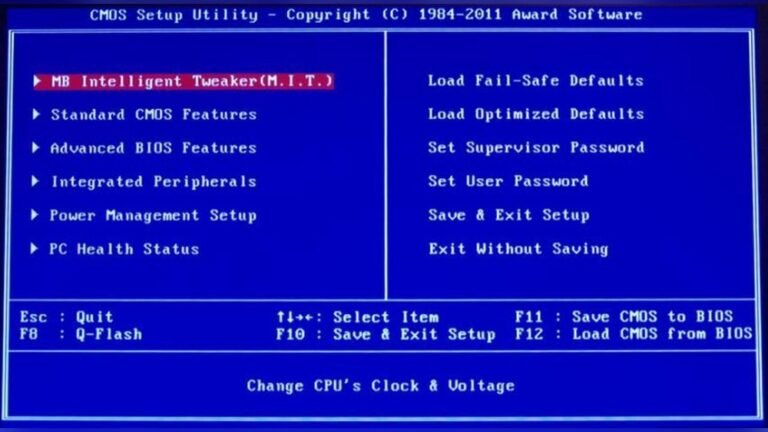
Outdated drivers and BIOS can slow down your CPU. Drivers help your hardware work correctly with the operating system. BIOS controls basic hardware functions. Regularly update both to fix bugs and improve CPU efficiency. Visit your device manufacturer’s website to download updates.
Clean Up System Files
Cleaning up system files helps your CPU work faster. Over time, files build up and slow down your computer. Removing these files frees up space and improves performance. This process is simple and can make a big difference.
Remove Temporary Files
Temporary files are created by apps and the system itself. They help with tasks but stay on your computer after use. These files take up space and slow down your CPU. Use the built-in disk cleanup tool to delete them safely. This clears cache, logs, and other junk files. Regular removal keeps your system running smoothly.
Uninstall Unnecessary Applications
Unused applications consume CPU resources even when idle. Some apps run background processes without your knowledge. Removing apps you no longer need frees up memory and CPU power. Check your installed programs list and delete what is not useful. This reduces the load and speeds up your computer.
Credit: www.cocosenor.com
Enhance Cooling Solutions
Enhancing cooling solutions is key to speeding up your CPU performance. A cooler CPU runs faster and lasts longer. Heat slows down the processor and causes crashes. Proper cooling keeps the CPU stable and efficient. Simple changes can make a big difference in your system’s speed.
Improve Airflow Inside The Case
Good airflow moves hot air out and brings cool air in. Arrange cables neatly to avoid blocking air paths. Use case fans to push air through the system. Place intake fans at the front and exhaust fans at the back. This setup keeps air moving and lowers temperatures.
Clean Dust From Components
Dust blocks airflow and traps heat inside the case. Use compressed air to blow dust off fans and heatsinks. Clean the CPU cooler and vents regularly. A dust-free system cools better and runs faster. Set a cleaning schedule to keep dust at bay.
Consider Upgrading Cooling Systems
Stock coolers may not cool well under heavy use. Upgrade to a better air cooler with larger fans and heat pipes. Liquid cooling offers efficient heat removal for high-performance CPUs. Choose a cooling system that fits your case and budget. Better cooling means your CPU can run at higher speeds safely.
Use Performance-boosting Tools
Using performance-boosting tools can make your CPU run faster and smoother. These tools help your computer use its power better. They can improve speed without buying new hardware.
Some tools adjust settings inside the CPU. Others clean up your system to remove slowdowns. Both types help your CPU work more efficiently.
Cpu Overclocking Basics
Overclocking means making your CPU run at a higher speed than usual. This can increase performance for tasks like gaming or video editing. Start by checking your CPU’s temperature to avoid overheating. Use the BIOS or special software to change the clock speed. Increase speed slowly and test each step. Watch for errors or crashes. Overclocking can cause more heat, so good cooling is important.
Utilize System Optimization Software
Optimization software cleans your system and fixes problems that slow the CPU. These programs remove junk files, fix registry errors, and manage startup apps. They help your computer start faster and run smoother. Some software also updates drivers and improves memory use. Choose a trusted program to keep your system safe. Run these tools regularly for the best results.
Upgrade Hardware Components
Upgrading hardware components is a direct way to boost CPU performance. The CPU works with other parts of your computer. If these parts are slow, the CPU cannot work well. Improving hardware helps the CPU do its tasks faster and smoother.
Many hardware upgrades can improve overall speed. Memory and storage are the most common parts to upgrade. These parts affect how fast your computer processes and loads data. Upgrading them lets the CPU access information quickly.
Add More Ram
RAM is the short-term memory of your computer. It stores data the CPU uses right now. More RAM means your computer can handle more tasks at once. This reduces slowdowns and lag during work or play.
Low RAM causes the system to use hard drive space as memory. This slows the CPU down. Adding more RAM helps avoid this problem. It gives the CPU quick access to the data it needs.
Switch To Faster Storage Drives
Storage drives hold your files and programs. Traditional hard drives (HDDs) are slow. They take longer to send data to the CPU. Solid State Drives (SSDs) are much faster.
Switching to an SSD cuts load times and speeds up data access. Your CPU gets data faster and can work more efficiently. This upgrade often makes the biggest difference in everyday use.
Maintain Regular Maintenance
Maintaining regular maintenance is key to keeping your CPU fast and efficient. A well-kept system avoids slowdowns and unexpected crashes. Simple, regular tasks help your CPU perform at its best every day.
Schedule Routine System Checks
Set a regular time to check your system health. Look for errors, disk problems, and unusual activity. Use built-in tools like Disk Cleanup and Task Manager. These help find issues before they slow down your CPU. Regular checks keep your computer stable and quick.
Keep Software Up To Date
Update your operating system and all software often. Updates fix bugs and improve performance. Outdated software can cause your CPU to work harder. Automatic updates make this process easy. Stay current to protect your CPU and speed up tasks.
Credit: www.iolo.com

Credit: www.youtube.com
Frequently Asked Questions
How Can I Improve Cpu Speed Without Hardware Upgrades?
You can boost CPU speed by closing unused apps, updating drivers, and adjusting power settings. Regularly clean your PC and disable startup programs to reduce load and enhance performance efficiently.
Does Overclocking Really Speed Up Cpu Performance?
Yes, overclocking increases CPU clock speed, improving performance. However, it raises heat and power use. Proper cooling and caution are essential to avoid damage or system instability.
What Software Helps Optimize Cpu Performance Effectively?
Software like CPU-Z, Intel Extreme Tuning Utility, and MSI Afterburner monitor and optimize CPU tasks. They help adjust settings, manage thermal output, and improve overall speed safely.
How Does Updating Drivers Affect Cpu Speed?
Updating drivers ensures compatibility and efficiency between hardware and software. It fixes bugs and improves communication, leading to smoother CPU operations and better performance.
Conclusion
Speeding up your CPU can make your computer feel much faster. Simple steps like cleaning your system and closing unused programs help a lot. Keeping your software updated also supports better performance. Regular checks prevent slowdowns and keep things running smooth.
Small efforts add up to big improvements over time. Try these tips one by one and see the difference. A faster CPU means less waiting and more doing. Start today and enjoy a quicker computer experience.